
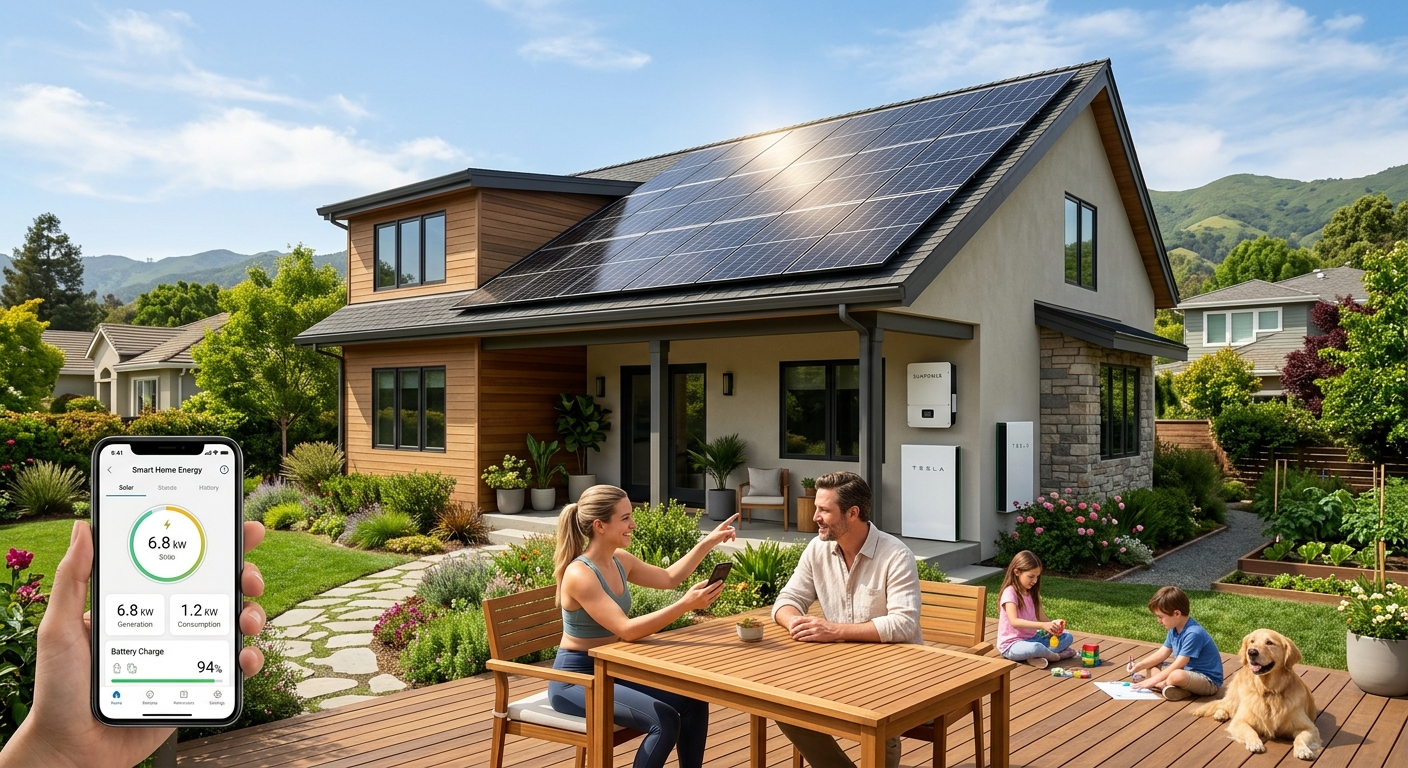
Summary of Solar Energy Changes in 2026
By 2026, solar energy is expected to be a transformative upgrade for homeowners, driven by technology advancements and changing incentives. Notable innovations such as high-efficiency solar panels and smart energy management systems will enhance effectiveness and adaptability. However, the expiration of the 30% federal tax credit at the end of 2025 may increase initial costs for those purchasing systems outright, though third-party ownership models will still access credits until the end of 2027 and local incentives like rebates will vary. Understanding these factors will be essential for homeowners assessing solar’s long-term value.
Understanding Solar Costs in 2026
In 2026, residential solar installation costs across the U.S. range from $15,000 to $25,000 before any incentives, significantly lower than a decade ago. Although the trajectory has been a steady decline in prices, tariff impacts and supply chain disruptions have created some volatility. Homeowners who install systems before 2026 can still benefit from the substantial federal tax credit, but those installing after will face longer payback periods, though local electricity costs could mitigate some of this effect.
Evaluating Financial Incentives and Policies
The primary federal incentive for solar, the Residential Clean Energy Credit, will no longer be available for systems owned outright after 2025. Homeowners should consider third-party ownership options, allowing them to benefit from tax credits while reducing upfront costs. Additionally, significant state incentives, like rebates and net metering, can help lessen financial burdens—varying widely depending on location. Researching local opportunities is crucial for optimizing return on investment as these incentives evolve.
Technological Developments Shaping Solar Energy
2026 will see significant innovations in solar energy technology, enhancing panel efficiency and system capabilities. Solar panels incorporating perovskite-silicon tandem cells promise higher energy conversion rates than standard models. Additionally, AI integration offers increased operational efficiency and predictive maintenance for residential systems, ensuring optimal performance. Advances in energy storage, such as lithium-ion batteries, allow homeowners to better manage their electricity use and enhance resilience against outages.
Installation Timeline and Maintenance Requirements
Planning solar installations is critical in 2026 due to federal tax credit deadlines. Homeowners should aim to complete installations by the end of 2025 to maximize benefits. Additionally, proactive maintenance, including regular performance checks and adjustments, will be essential to maintain system efficiency and lifespan. Newer technologies will necessitate updated practices to safeguard investments and optimize performance through preventive measures.
Solar System Compatibility with Home Electricals
Modern solar systems are designed to be compatible with existing home electrical infrastructures, easing the integration process. Advanced components like smart inverters ensure efficient energy management without requiring extensive retrofitting. Homeowners should consider technologies that enhance reliability and allow for off-grid capabilities while ensuring certifications to maintain security and efficiency. This seamless integration supports the transition to renewable energy sources while optimizing energy flow within the home.
Implications for Home Energy Performance
The adoption of solar energy coupled with updated building codes will significantly elevate home energy efficiency and performance. Lower Home Energy Rating System (HERS) scores are associated with substantial utility savings and higher property values. Regulations mandating solar readiness for new constructions can benefit builders and homeowners alike by fostering long-term energy savings and promoting environmentally-friendly practices as they adapt to future energy requirements.
Market Trends and Economic Considerations for Solar
The economic landscape for solar energy in 2026 is characterized by potential price increases and regulatory changes impacting ongoing installations. Homeowners should comprehensively evaluate local policy conditions, as both incentives and market dynamics can impact the overall financial feasibility of solar investments. Though the expiration of the federal tax credit may extend payback periods, the value of solar installations tends to increase property resale value, particularly among energy-conscious buyers.
Environmental Advantages of Solar Energy
Solar energy adoption contributes significantly to reducing greenhouse gas emissions and fossil fuel dependency, which is increasingly recognized in sustainability efforts. Homeowners utilizing solar can save costs while enhancing their resilience during emergencies. Energy transition initiatives, despite regulatory challenges, continue to promote cleaner environments, expected to yield further economic savings and climate benefits over time as technology advances and prices stabilize.
Challenges in Solar Adoption for Homeowners
Homeowners contemplating solar energy upgrades in 2026 must navigate higher upfront costs after federal tax credits expire. A strong understanding of financing options, including qualification for local incentives and energy regulations, is vital for informed decision-making. Climate resilience in solar installation design is also crucial for sustained performance, particularly as environmental changes affect energy output over time. Evaluating these challenges will help secure a beneficial transition to renewable energy.
Learning from Homeowner Experiences
Programs like Erie County’s ECLIPSE initiative demonstrate how local governance can support solar energy adoption through structured incentives. Though federal tax credits are no longer available, local and state programs could effectively alleviate costs. Homeowners should leverage these resources carefully and stay informed on advancing technologies, as innovations in photovoltaic design can offer more efficient and integrated systems while enhancing property aesthetics.
Future Insights and Solar Trends
The outlook for solar energy installations through 2026 suggests gradual growth with a sharper increase expected in subsequent years as tax credit deadlines approach. Effective adaptation to market pressures and policy changes will be essential for both homeowners and industry stakeholders. Technological advancements continue to drive efficiency and feasibility in solar systems, underscoring the importance of strategic investment in solar technologies for maintaining a competitive edge amidst the evolving energy landscape.
The content is provided by Avery Redwood, Home Upgrade News