Summary
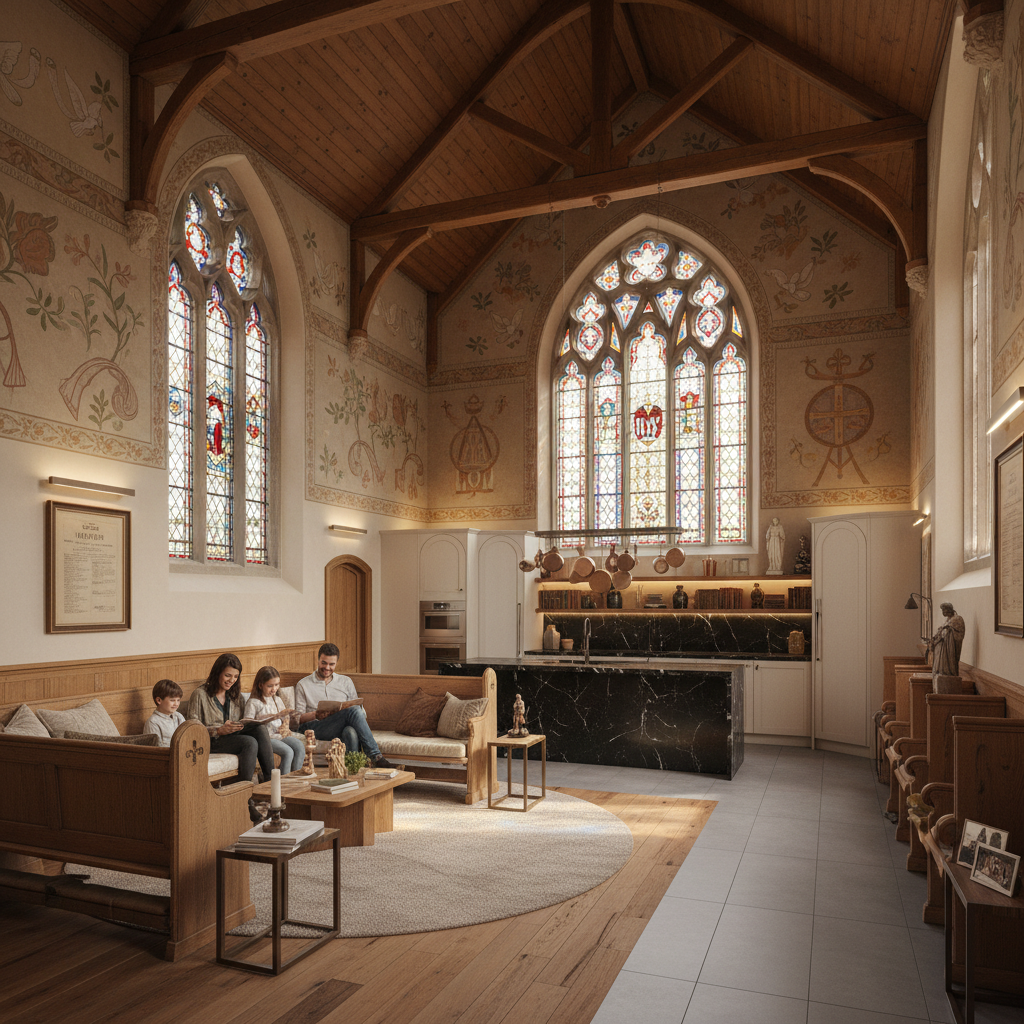
The transformation of a historic church into a dream home for under $200,000 exemplifies the innovative potential of adaptive reuse, blending architectural preservation with contemporary living. This unique project involved a couple who purchased a redundant church building for just $1 and undertook extensive renovations to convert the sacred space into a comfortable, functional residence while honoring its rich ecclesiastical heritage. Their renovation carefully preserved original features such as soaring wood ceilings, arched windows, and decorative murals, integrating modern amenities and structural reinforcements to ensure safety and livability.
The couple’s journey reflects both the challenges and rewards of converting historic religious buildings into private homes. They navigated complex structural issues, zoning regulations, and financial constraints, relying on skilled artisans and historic renovation experts to maintain architectural integrity while meeting contemporary standards. Their efforts underscore a broader trend of reclaiming and repurposing church buildings, which appeals particularly to younger homeowners and downsizers seeking distinctive, character-filled living spaces.
Their story has attracted significant media attention, including a feature on HGTV’s Cheap Old Houses and viral social media coverage, inspiring others interested in heritage preservation and creative home renovations. Alongside the physical transformation, the couple’s personal narrative of resilience, faith, and partnership highlights how the project served as a metaphor for rebuilding and growth, adding a deeply human dimension to the adaptive reuse endeavor.
This project not only demonstrates the feasibility of converting sacred spaces into modern homes on a modest budget but also illustrates how thoughtful design and expert craftsmanship can honor the past while creating vibrant living environments. It stands as a notable example of sustainable historic preservation, emphasizing the value of maintaining cultural identity through architectural adaptation.
Background
Church buildings, originally designed for Christian worship, have long held significant architectural and cultural value. Early churches often evolved from other types of buildings, but by the 4th century, congregations began constructing permanent and aesthetically distinct churches that incorporated features such as the sanctuary positioned at the eastern end to face the rising sun, symbolizing light and renewal, and the narthex at the western end representing the world in darkness awaiting fulfillment in Christ. Over centuries, church architecture has reflected a wide range of styles, decorative elements, and symbolic features, including columns, pilasters, sculptural façades, and mosaic artwork, which convey both spiritual and communal identities.
As time progressed, many churches experienced structural wear and evolving functional needs. Renovating historic churches involves not only preserving original decorative schemes and fine art but also addressing foundational stability and modern utilities to ensure continued usability without compromising historic integrity. Adaptive reuse of churches into residential spaces has become increasingly popular, blending heritage preservation with contemporary living. For example, couples have transformed former churches into unique homes that maintain ecclesiastical features like arched windows and brick façades while introducing thoughtful interior design and modern amenities.
One such couple undertook the challenge of converting a church into their dream home for under $200,000, carefully balancing preservation with modern comfort. Their renovation highlighted an appreciation for architectural detail—such as kitchen units echoing the church’s window arches—and a vision for adaptive reuse that respects the building’s historical essence. Their journey reflects a broader trend of reclaiming sacred spaces as livable, inspiring homes, while honoring the rich architectural and spiritual heritage embodied in church structures.
The Couple
The couple behind this remarkable transformation navigated a journey marked by resilience, faith, and dedication—not only in their marriage but also in their shared passion for turning a historic church into their dream home. Their marriage endured numerous challenges over the years, some more difficult than others, yet their unwavering commitment to healing and growth, bolstered by faith and counseling, played a crucial role in strengthening their bond. They have often emphasized how their experiences have inspired them to support others facing similar struggles in their relationships.
Their story is not only about renovating a unique property but also about the partnership that sustained them through the process. This couple’s shared vision and teamwork allowed them to overcome the complexities inherent in such a project, including securing funding and managing extensive renovations with the help of family and friends. Their journey exemplifies the fusion of personal growth and creative ambition, culminating in a home that reflects both their perseverance and love.
The Transformation Process
The transformation of a historic church into a dream home is a complex journey that requires balancing respect for the building’s heritage with modern living needs. This process often begins with careful planning, including obtaining necessary permissions and addressing structural modifications to preserve the church’s original character while ensuring safety and functionality.
A key aspect of the renovation involves reinforcing the building’s foundations and walls using modern materials and techniques that remain hidden to maintain the historic appearance. This approach enhances resilience to natural forces such as earthquakes and severe weather without compromising architectural integrity. Since many historic churches have fragile or outdated foundation materials, specialized contractors utilize advanced, minimally invasive reinforcement methods that comply with preservation laws and minimize impact on the original structure.
Updating essential systems like electrical and plumbing requires careful integration so that modern conveniences blend seamlessly with the historic fabric of the building. Historic renovation contractors emphasize non-invasive system upgrades and select materials and controls that optimize comfort while respecting the church’s aesthetic.
Throughout the renovation, collaboration with skilled artisans and access to specialized suppliers enable the restoration of intricate architectural details with historical accuracy. This craftsmanship ensures that decorative elements, including plaster surfaces and fine art, are conserved and reinstated in a way that honors the building’s layered history and original design intentions.
Moreover, the design process respects the idea that architecture and decoration reflect the values and sentiments of their era. Any new modifications are carefully developed to harmonize with the existing structure and the sacred nature of the space, maintaining a dialogue between past and present.
The project is often labor-intensive and demanding, requiring dedicated teamwork, as exemplified by the involvement of family and close friends working long hours to overcome challenges such as financing and unforeseen construction complexities. Successful renovation balances honoring the church’s legacy with creating a functional, comfortable home suited for contemporary life.
Engaging experts early in the planning phase and employing historic renovation specialists ensures that every stage of the transformation is thoughtfully managed, blending preservation with innovation to achieve a stunning and enduring result.
Financial Aspects
The renovation of a redundant church into a residential home often involves significant financial challenges, frequently surpassing initial budget expectations. For example, Marston initially anticipated spending about £85,000 before putting the property on the market, but costs escalated to £147,000 due to unforeseen issues such as replacing rotten original wooden flooring. Despite a £450,000 bid falling through, the church eventually sold for £435,000, illustrating both the complexity and unpredictability of such projects. Experts advise potential buyers to at least double their renovation budget and add a buffer to accommodate unexpected expenses.
Most redundant religious buildings tend to be purchased by individuals rather than developers because of numerous planning and logistical hurdles, including dealing with graveyards or modifying large porches for multiple entrances. These challenges often dissuade developers looking for quick profits. Instead, church conversions typically attract younger couples and downsizers seeking open-plan living with distinctive character, who may be more flexible regarding practical compromises. In such conversions, the quality of workmanship strongly influences pricing and value.
One notable example involved a couple who acquired an old church for just $1 on a handshake and a prepared purchase agreement. This minimal initial investment was just the beginning of their financial commitment to the project. Another couple purchased a large church for $240,000, turning it into a unique home that also served as a showcase for their treasured collections, blending personal value with the financial aspect of homeownership.
Renovation costs can rapidly exceed half a million dollars, as experienced by Jonathon Harmer and Lynn Perreault, who spent two years renovating their church home after purchasing it in 2018. To manage costs, they prioritized using reclaimed materials and local resources, turning the renovation into both a budget-conscious and community-involved effort. Their experience also highlighted financial hurdles beyond construction costs, such as difficulties securing a mortgage, since banks were hesitant to finance such an unconventional property.
Attention to detail in renovations, such as designing kitchen units that echo the original church windows, can enhance the home’s character and potentially its value, but often requires additional investment. Overall, converting a church into a home demands careful financial planning, flexibility, and often, a willingness to embrace both the challenges and rewards of preserving historical character.
Challenges and Solutions
Transforming a former church into a comfortable family home presented a unique set of challenges that required creativity, technical expertise, and deep respect for the building’s historic character. One of the primary difficulties was adapting the large, open interior space—originally designed for congregational use—into a functional residential layout. This included the introduction of new floor levels, which demanded the engineering of an independent structural framework or the careful integration of full floor joists spanning the width of the space. These structural additions had to transfer residential loads effectively to the existing foundation without compromising the lateral stability of the original stone or brick walls, which were not originally designed to bear such point loads from interior columns.
Zoning considerations posed fewer obstacles than might be expected, as most churches are already situated in residential zones, often single-family residential, which facilitated the legal conversion process. However, compliance with residential building codes introduced requirements such as adequate egress points and fire separations between dwelling units, all of which needed to be sensitively incorporated without detracting from the building’s historical fabric.
Preserving and restoring the historic decorative elements was another complex challenge. The project involved uncovering and reinstating original colors, patterns, and finishes, including fine art murals and scagliola columns, which required the collaboration of skilled artisans trained in traditional methods. Such craftsmanship ensured the conservation of delicate features like 24 murals and Stations of the Cross, while carefully blending repairs and modern reinforcements subtly into the existing structure. The restoration process also paid homage to the original architecture and decoration, maintaining continuity with the building’s historical significance and aesthetic intentions as emphasized by principles outlined in Owen Jones’ Grammar of Ornament.
Accessibility upgrades had to be thoughtfully planned to preserve the church’s historic integrity. Strategic placement of ramps, elevators, and entrances was carried out to minimize visual and physical impact, while materials were selected to harmonize with existing structures. This careful integration exemplified the balance between modern usability and heritage conservation.
The hands-on approach taken by Angus and Esther, drawing on Angus’s DIY skills honed from years of practical experience, facilitated a collaborative and immersive renovation process. They described the transformation as akin to an Amish barn raising, emphasizing the communal and constructive spirit involved in repurposing the 100-seat house of faith into a 4,000-square-foot family home.
Final Outcome
The couple’s transformation of the old church into their dream home culminated in a unique and inspiring residence that blended historic charm with modern living. After acquiring the church for just $1, they quickly embarked on extensive renovations that preserved many original elements, such as the 11-foot wood ceilings and refurbished church pews, which were repurposed as distinctive lobby seating. Their careful attention to detail and craftsmanship not only maintained the building’s architectural integrity but also celebrated its ecclesiastical heritage.
The renovation attracted significant public interest, leading to the creation and sale of branded merchandise, including “Chippy Church” T-shirts and mugs inspired by the home’s signature white doors, which were intentionally painted in a naturally aged, chipped style. After residing in the converted church for two years, the couple decided to seek a quieter, more remote lifestyle and sold the property for $1.2 million in 2021, moving two hours north to Burk’s Falls, Ontario.
This successful project exemplifies how historic churches can be thoughtfully adapted for residential use without compromising their cultural significance. By embracing the building’s original features—such as soaring ceilings, tall windows, and handcrafted fixtures—the couple created a bespoke home that honors the past while serving the needs of modern life. Their journey underscores the potential for adaptive reuse projects to transform sacred spaces into vibrant living environments through reverence, creativity, and expert craftsmanship.
Reception and Media Coverage
The couple’s remarkable transformation of an old church into their dream home for under $200,000 has garnered widespread attention and praise. Their story was featured on HGTV’s Cheap Old Houses, where it resonated with viewers who appreciate challenging renovation projects and unique home conversions. The extensive media coverage has helped inspire others interested in historic building preservation and adaptive reuse.
Social media played a significant role in amplifying the couple’s journey. When their realtor, Brian Ellis, posted a video of the finished church on TikTok, it attracted a global audience, with viewers from countries such as Sweden, Greece, and Thailand inquiring about the building process. This international interest led to the creation and sale of branded merchandise, including “Chippy Church” T-shirts and mugs, named after the home’s distinctive weathered white doors.
Experts have noted that church conversions tend to appeal particularly to younger couples and downsizers seeking open-plan living spaces with character, even if that requires some compromises on practicality. The quality of the renovation and the preservation of architectural elements are considered crucial factors influencing the property’s value and appeal. The couple’s successful project underscores the specialized expertise needed for church-to-home conversions, which often involve collaborating with skilled artisans and sourcing rare materials to maintain historical integrity.
Legacy and Influence
The transformation of the historic church into a dream home for under $200,000 stands as a testament to the careful balance between preservation and modernization. This project highlights how historic structures can be adapted for contemporary living while honoring their architectural and cultural significance. By engaging specialized historic renovation contractors, the couple ensured that the structural reinforcements and upgrades adhered to preservation laws and seamlessly integrated with the original design, maintaining the building’s historical integrity.
The restoration approach emphasized respect for the building’s past and present, reflecting Owen Jones’s principle that architecture and decoration express the “wants, faculties, and sentiments of the age” in which they were created. Any modifications made during the renovation arose naturally from and remained properly attendant upon the church’s original architecture, allowing the home to embody both its historical roots and the couple’s modern needs.
Moreover, the project serves as an inspiring example of how modern amenities and sustainable design can be thoughtfully incorporated into historic spaces without compromising their character. The use of adjustable and zone-specific systems optimized comfort while minimizing structural impact, ensuring long-term preservation and functionality. This careful integration of past and present not only preserved the church’s essence but also demonstrated the potential for adaptive reuse of historic buildings in a way that respects their legacy.
Beyond the physical restoration, the couple’s journey—marked by perseverance, faith, and growth—adds a deeply personal dimension to the project’s influence. Their story of overcoming challenges and building a stable foundation in their relationship parallels the careful rebuilding of the church, inspiring others to find strength and unity through transformation. Together, the architectural and personal narratives underscore a broader message: that with thoughtful design, expert craftsmanship, and dedication, historic buildings and relationships alike can be revitalized to serve new purposes and inspire future generations.
The content is provided by Sierra Knightley, Home Upgrade News