Summary
Bathroom remodeling in Houston is a significant home improvement project that involves careful planning, budgeting, and coordination to balance aesthetics, functionality, and cost. With typical renovation costs ranging from approximately $6,500 to over $50,000 depending on the scope and materials, homeowners must navigate various factors including labor, material selection, permit requirements, and local market conditions to achieve desired outcomes. Houston’s diverse neighborhoods, each with distinct architectural styles and preferences, further influence remodeling choices and expenses.
The cost of bathroom remodeling in Houston is shaped by project size and complexity, with labor and materials constituting substantial portions of the budget. Skilled labor rates, necessary plumbing and electrical work, and permit fees—typically ranging from $500 to $2,000—add to overall expenses. Material choices vary widely, from economical vinyl flooring and composite countertops to premium options like natural stone and designer fixtures, with many homeowners opting for a blend to optimize quality and cost. Additionally, emerging design trends emphasize sustainability and mixed materials, contributing to evolving cost dynamics.
Homeowners in Houston often face challenges such as unforeseen plumbing issues, labor shortages, and navigating permit processes, which can lead to unexpected delays and increased costs. Labor scarcity has particularly impacted project timelines and expenses, making the selection of experienced contractors critical to successful remodeling outcomes. Securing proper permits is essential to ensure compliance with local building codes, avoid fines, and maintain safety standards throughout the renovation.
Despite these complexities, a well-executed bathroom remodel can significantly enhance a home’s value and functionality, creating stylish, sustainable spaces that reflect both personal taste and Houston’s unique residential character. By understanding the true costs involved and planning strategically, homeowners can manage budgets effectively while avoiding common pitfalls associated with bathroom renovations in the Houston market.
Overview of Bathroom Remodeling
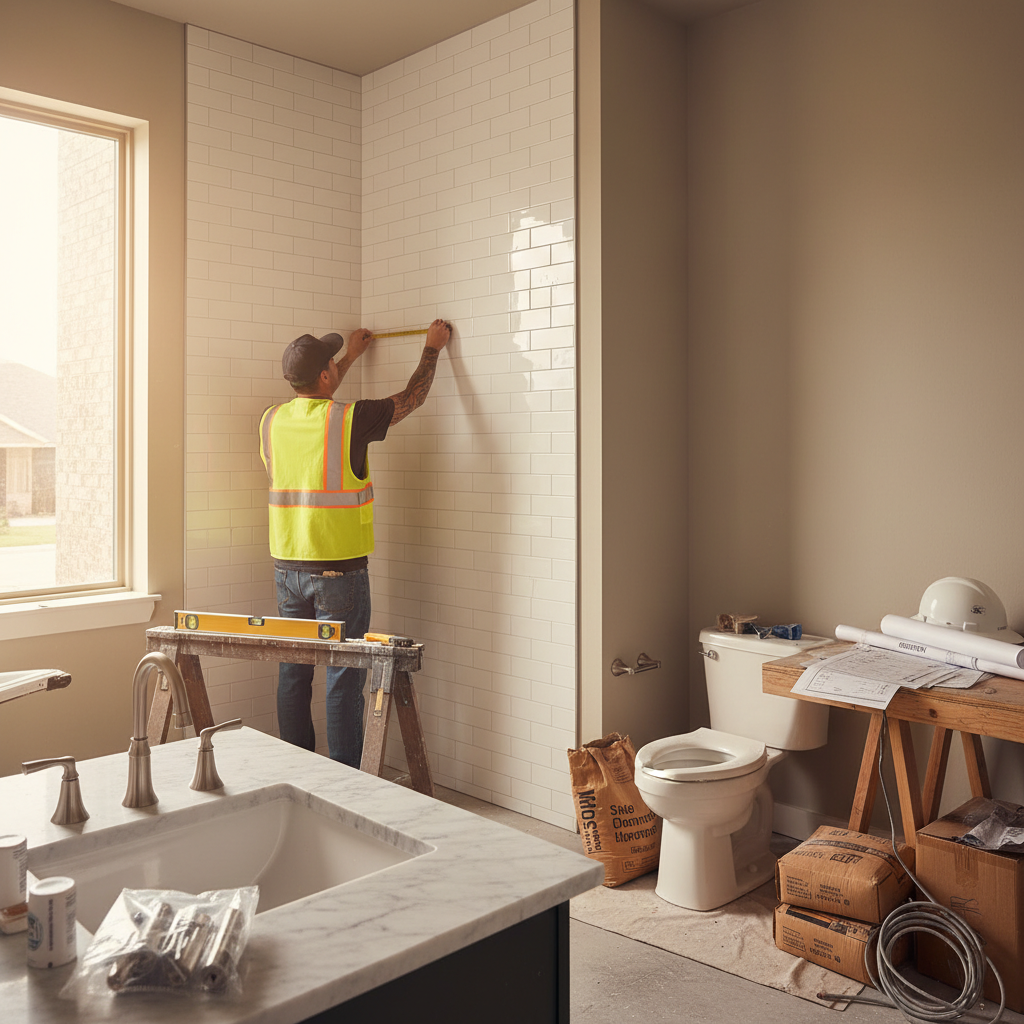
Bathroom remodeling in Houston requires thorough planning and budgeting to achieve a balance between aesthetics, functionality, and cost. Homeowners must consider various expense components, including labor, materials, and permits, while also taking into account local market conditions and building codes. Selecting experienced contractors and investing in quality materials not only enhances the bathroom’s appeal but also contributes to the long-term value of the home.
The scope and complexity of the remodel significantly influence the overall cost. For example, relocating plumbing or converting a bathtub to a shower increases expenses due to added labor and materials. Labor costs alone can be substantial, with quotes such as R65k (excluding materials) commonly reported for typical bathroom projects. To manage costs effectively, homeowners often employ strategies such as undertaking smaller tasks themselves, like painting or fixture installation, shopping for discounted materials, and choosing mid-range products that balance quality and affordability.
Material selection plays a critical role in both cost and design outcomes. Premium options such as natural stone countertops and designer fixtures offer durability and aesthetic appeal but come at a higher price point. Conversely, more economical choices like vinyl flooring or composite countertops can maintain a modern look while reducing initial costs. Many Houston residents adopt a hybrid approach by combining standard and high-end materials to optimize both style and budget.
Houston’s diverse neighborhoods exhibit unique remodeling preferences that reflect their architectural heritage and residents’ lifestyles. In historic areas, there is a trend toward preserving original features—such as clawfoot tubs and period-appropriate tile patterns—while integrating modern plumbing and durable materials. Staying abreast of emerging design trends and smart upgrades helps homeowners create bathrooms that are both stylish and functional.
Ultimately, a well-executed bathroom remodel in Houston can serve as a luxurious retreat and significantly increase property value. However, homeowners should be cautious not to overspend on extravagant options that may not yield proportional returns in the local housing market. Careful planning, strategic material choices, and selecting the right contractor are essential to ensuring a successful remodeling experience that meets both aesthetic and financial goals.
Cost Overview of Bathroom Remodeling in Houston
Bathroom remodeling costs in Houston vary widely depending on the scope, materials, and complexity of the project. Generally, a complete bathroom remodel in the area ranges from approximately $6,500 to $14,000 for standard renovations, with some projects extending beyond this range due to luxury finishes or intricate work. This range places Houston slightly above the national average, reflecting the local demand for high-quality craftsmanship and premium materials.
More comprehensive full bathroom renovations typically cost between $15,500 and $45,000, with some larger or more elaborate projects reaching up to $66,000. The final price is influenced by factors such as bathroom size, extent of upgrades, and the selection of finishes and fixtures.
Permit fees are an important component of remodeling expenses in Houston. For smaller jobs under $1,000, permits can start at around $40, while larger residential projects usually require a fee amounting to approximately 1% of the total project cost. For example, a $20,000 remodel might incur permit fees near $200. However, overall permit costs for bathroom remodels in the city typically range from $500 to $2,000, which also includes expenses for plan reviews and compliance with local building codes.
Labor costs represent a significant portion of the total expense, accounting for 30% to 50% due to the specialized skills needed in plumbing, electrical work, and installations. Material choices also heavily influence pricing: basic ceramic tile flooring may cost around $800, whereas high-end marble flooring can escalate to $3,000 or more. Similarly, economy-grade fixtures such as faucets, sinks, and toilets tend to be priced in the lower hundreds, while designer options significantly increase the budget.
Understanding these cost components helps Houston homeowners plan and budget effectively for their bathroom remodels, aligning their expectations with local market conditions and ensuring compliance with city regulations.
Factors Influencing Remodeling Costs in Houston
Bathroom remodeling costs in Houston are shaped by multiple factors, including the size and complexity of the project, material choices, labor expenses, and permit requirements. Understanding these elements can help homeowners plan budgets effectively and make informed decisions.
Project Size and Complexity
The scale of the remodel is a primary determinant of cost. Small bathroom renovations typically range from $10,000 to $20,000, mid-range projects fall between $20,000 and $40,000, and luxury remodels often exceed $50,000. The complexity of the layout also impacts costs—installing fixtures in small or awkward spaces demands additional labor, while easy access to plumbing lines can reduce expenses. Furthermore, remodeling historic homes in Houston’s distinct neighborhoods may involve specialized restoration efforts, such as updating clawfoot tubs or replicating period-appropriate tile patterns, which can increase costs.
Materials and Finishes
Material selection plays a significant role in determining overall expenses. Premium options like natural stone countertops, designer fixtures, and marble tiles offer durability and aesthetic appeal but come with a higher price tag. For instance, ceramic tiles can start at $1.50 per square foot, whereas marble tile prices can approach $50 per square foot. Many Houston homeowners balance budget and style by mixing standard and high-end materials. Additionally, finishes contribute to the bathroom’s design, with trends in 2025 and 2026 favoring mixed textures—combining matte and glossy surfaces, wood accents, and contrasting materials—to create layered, inviting aesthetics.
Labor Costs
Labor accounts for a substantial portion of remodeling expenses, generally comprising 30% to 50% of the total budget in Houston. Skilled trades such as plumbing, electrical work, and fixture installation demand experienced professionals, and rates can fluctuate based on project complexity and contractor expertise. While some homeowners reduce costs by undertaking DIY tasks like painting or installing fixtures, professional labor remains a significant investment to ensure quality and code compliance.
Permit Fees and Regulatory Compliance
Obtaining the necessary permits is essential for ensuring safety and adherence to local building codes. Permit costs in Houston typically range from $500 to $2,000, depending on the project’s scope. The permitting process involves plan reviews, inspections at various stages, and final approval to confirm compliance. Delays in approval or failure to secure permits can lead to fines and project interruptions, so applying well in advance is advisable.
Regional and Neighborhood Considerations
Houston’s diverse neighborhoods exhibit unique remodeling preferences influenced by architectural history and lifestyle. Established areas like Montrose (77006) and growing suburbs such as Katy (77494) reflect different market demands and cost structures. For example, master bathroom renovations in some areas commonly exceed $50,000, while secondary bathrooms average between $12,000 and $35,000. Local economic factors, material availability, and labor market conditions also contribute to variations in remodeling costs across the city.
Additional Cost Factors
Other variables affecting expenses include tile installation rates, which average around $10 to $20 per square foot for wall tiles and approximately $25 per square foot for shower tiling, including materials and labor. Homeowners are encouraged to plan for at least 10% overage on raw materials to avoid costly delays caused by shortages. Strategic choices such as selecting mid-range materials, shopping sales, obtaining multiple contractor quotes, and thorough project planning can help balance quality with budget constraints.
By carefully considering these factors, Houston homeowners can better anticipate the financial scope of bathroom remodeling projects and tailor their plans to meet both functional and aesthetic goals.
Detailed Cost Breakdown
Bathroom remodeling costs in Houston vary significantly depending on several key factors, including the size of the project, the quality of materials chosen, the complexity of the work, and labor expenses. Generally, smaller remodels range from $10,000 to $20,000, mid-range projects fall between $20,000 and $40,000, while luxury renovations may exceed $50,000. A typical mid-range bathroom remodel in Houston costs around $11,000 to $12,000.
Material Costs
Material selection is one of the most influential elements affecting the overall budget. Premium materials such as natural stone and designer fixtures offer durability and aesthetic appeal but come with higher price tags. On the other hand, more economical options like vinyl flooring and composite countertops can reduce initial costs while maintaining a modern look. Many Houston homeowners opt for a blend of mid-range and high-end materials to balance style, performance, and budget considerations.
Labor Costs
Labor represents a significant portion of bathroom remodeling expenses. In Houston, labor rates vary by trade and scope of work; for example, floor tile installation typically costs between $7 and $15 per square foot. Labor quotes can be substantial, with some contractors providing estimates such as $65,000 excluding materials for comprehensive remodels. Homeowners can reduce labor costs by undertaking simpler tasks themselves, such as painting or installing fixtures.
Impact of Project Complexity and Layout
The complexity of the remodel heavily influences the final cost. Projects that involve relocating plumbing fixtures or converting tubs to showers increase both material and labor expenses, often necessitating plumbing upgrades to handle additional water flow. A full gut remodel can add 15-25% more to the total cost of materials and labor compared to cosmetic updates for the same square footage. Additionally, bathroom layout affects pricing; remodeling a small or awkwardly shaped space requires more labor, whereas easy access to plumbing lines can reduce costs.
Permitting and Regulatory Costs
Obtaining necessary permits from the Houston Permitting Center (HPC) is a mandatory step before commencing work. Permits for building, electrical, and plumbing ensure compliance with local codes and protect residents and properties. While permit fees add to the initial budget, bypassing this process can lead to costly penalties and safety issues.
Cost-Saving Strategies
To manage remodeling expenses, homeowners can plan ahead to avoid costly changes during construction, gather multiple contractor quotes to find competitive pricing, and shop smartly by purchasing materials during sales or clearance events. Choosing mid-range materials and retaining the existing plumbing layout where possible are effective ways to balance quality and cost.
Timeline for Bathroom Remodeling Projects in Houston
Bathroom remodeling projects in Houston typically span between four and eight weeks from the initial design phase to final completion. This timeframe accommodates demolition, installation, and finishing touches necessary to transform the space effectively. However, the duration can extend beyond eight weeks for larger or more complex remodels, especially those involving structural modifications or custom features that require additional design approvals and permits.
Permits and inspections are significant factors influencing the project timeline. Certain municipalities in the Houston area may have prolonged permit processing times, which can delay the start or progress of construction. Reputable contractors often manage these bureaucratic steps upfront to minimize unexpected delays and ensure a smoother workflow throughout the remodeling process. Homeowners should also anticipate potential delays caused by supply chain disruptions, particularly in securing quality materials essential for the remodel.
Additionally, the ongoing construction labor shortage has affected project schedules in Houston. Labor constraints can lead to stretched timelines and rising costs, impacting the availability of skilled workers needed to maintain quality and adhere to deadlines. Despite these challenges, advancements in project management and communication technologies—such as online portals and multi-way communication systems—help keep homeowners informed and projects on track.
Common Unexpected Issues and Hidden Costs
Bathroom remodeling projects in Houston often encounter unexpected challenges that can significantly increase the overall cost beyond initial estimates. One of the primary hidden costs arises from unforeseen plumbing issues. Even minor leaks or outdated plumbing systems can lead to substantial damage to drywall, floors, and ceilings if not identified early. Investing in a professional plumbing inspection can prevent costly repairs later by detecting problems before they escalate into major structural damage or backups.
Another frequent source of hidden expenses is the need to upgrade plumbing lines to support new fixtures or increased water flow, which homeowners may not initially anticipate. These necessary upgrades should be factored into the remodeling budget to avoid unpleasant financial surprises during the project. Additionally, errors in installation or design, often stemming from DIY efforts, can cause long-term problems such as water damage or structural issues, ultimately inflating repair costs and undermining the remodel’s value.
Labor shortages in the construction industry present another hidden challenge. Delays and rising labor costs are common due to the scarcity of skilled workers, which can extend project timelines and increase expenses. This shortage not only affects scheduling but can also compromise the quality of workmanship if projects are rushed or understaffed. Effective communication with experienced contractors who provide transparent timelines and customized solutions is crucial to navigating these issues and controlling costs.
Finally, regional factors specific to Houston’s diverse neighborhoods influence remodeling costs. Historic homes may require specialized restoration work, such as preserving original clawfoot tubs or installing period-appropriate tile patterns using modern materials. Such preservation efforts, while enhancing home character, can add complexity and expense compared to standard remodels. Overall, understanding these common unexpected issues and hidden costs is essential for homeowners to plan realistic budgets and avoid financial setbacks during their bathroom remodeling projects.
Permits and Building Codes: Role and Impact
In Houston, obtaining the appropriate permits is a crucial step in the bathroom remodeling process, especially when the project involves structural changes, plumbing or electrical alterations, or modifications that affect the building’s footprint. Permits serve to ensure that the remodeling work complies with safety codes, building standards, and zoning regulations established by the City of Houston, thus safeguarding residents and their properties.
The primary permits relevant to bathroom renovations include the building permit, which authorizes new construction or structural modifications, and the electrical permit, which ensures all wiring and electrical work meet local code requirements. Compliance with these permits not only promotes safety—reducing the risks of accidents, electrical hazards, or plumbing failures—but also helps avoid costly fines and project delays that may arise from non-compliance.
The permitting process in Houston is managed by the Houston Permitting Center (HPC), which oversees inspections and documentation throughout the remodeling project. While some homeowners choose to handle permits themselves, many contractors take responsibility for securing the necessary approvals. Nonetheless, it remains
Popular Design Trends and Their Cost Implications
In Houston, bathroom remodeling trends are evolving to combine aesthetics, functionality, and sustainability, all of which significantly influence project costs. For 2025 and 2026, a prominent trend is the use of mixed materials to add texture and depth to bathroom spaces. Homeowners are increasingly opting for combinations of contrasting finishes such as matte and glossy surfaces, wood and metal accents, and the interplay of rough stone with polished tiles. This layering approach creates an inviting and dynamic environment, with wood accents becoming more common in vanities, shelving, and even shower walls, lending warmth and natural beauty to the design.
Sustainability is another key factor shaping design choices and budgets. A large majority of Houston homeowners (87%) prefer eco-friendly options, including LED lighting (62%), water-efficient fixtures (46%), energy-efficient features (34%), and light dimmers (34%). These choices not only support environmental goals but also offer long-term cost savings on utilities, although they may entail higher upfront costs during installation.
Material selection remains a major driver of cost variability. Premium materials like natural stone and designer fixtures enhance durability and aesthetics but come with a higher price tag. Conversely, budget-conscious alternatives such as vinyl flooring or composite countertops provide modern looks at reduced initial costs. Many homeowners balance their remodel by mixing standard and high-end materials to achieve a desirable blend of performance, style, and affordability.
Additionally, the integration of smart technology and personalized features is gaining traction, contributing further to cost considerations. While these upgrades increase initial expenditures, they elevate functionality and luxury, meeting the demand for more tailored bathroom environments. However, complexity in design and installation—such as fitting fixtures into smaller or awkward spaces—can increase labor costs, especially given Houston’s current construction labor shortage, which impacts timelines and budgets.
Materials Used in Houston Bathroom Remodels
Bathroom remodels in Houston involve a variety of materials that balance durability, style, and cost. Homeowners often face the choice between premium and cost-effective options to meet both aesthetic and budgetary goals. Premium materials such as natural stone and designer fixtures are favored for their durability and visual appeal, although they tend to come with higher price tags. These choices can significantly enhance the long-term value and elegance of a bathroom.
On the other hand, more affordable materials like vinyl flooring and composite countertops provide a modern look while reducing initial expenses. Many Houston homeowners opt for a combination of standard and high-end materials to achieve an optimal balance of performance, style, and overall cost. Given that bathroom fixtures and tiles endure frequent use, it is recommended not to compromise on the quality of these items, as durable materials prevent costly replacements and repairs in the long run.
Sustainability is another important consideration in material selection for Houston bathroom remodels. A large majority of homeowners (87%) prefer eco-friendly options, with popular choices including LED lighting (62%), water-efficient fixtures (46%), and energy-efficient features (34%). Timeless designs (44%) and light dimmers (34%) are also common selections, reflecting a trend towards sustainable, functional, and stylish bathroom spaces.
Labor Market Conditions in Houston
Labor plays a critical role in bathroom remodeling projects in Houston, often accounting for a substantial portion of the overall budget. Estimates indicate that labor costs typically range from 20% to 60% of total remodeling expenses, with variations depending on the project’s complexity and the specialization of the workers involved. Skilled tradespeople such as carpenters, electricians, and plumbers command hourly rates between $50 and $125, reflecting the demand for experienced professionals within the local market.
The construction labor force in Houston consists of workers who perform a wide variety of physical tasks essential to remodeling projects. These tasks include digging trenches, setting up scaffolding, operating tools, and assisting specialized craftsmen. Generally, laborers in the area require proficiency with construction equipment, an understanding of safety protocols, and a high school diploma or equivalent as a minimum qualification.
However, Houston’s construction industry currently faces significant labor shortages, which have contributed to project delays and increased costs. Many firms report that insufficient labor availability is a primary factor behind missed deadlines, rising expenses, and strained resources across construction sectors such as residential remodeling, commercial development, and real estate. This shortage not only affects timelines but also impacts the quality and safety of work performed.
Efforts to address these labor shortages include technological advancements and improved workforce management strategies, which aim to reduce project durations and overall costs. Additionally, enhancing team morale and optimizing payroll practices have proven beneficial in mitigating reliance on frequent hiring and improving labor retention on construction sites. These measures are vital in sustaining Houston’s remodeling market amid ongoing economic pressures and inflationary trends.
Budgeting and Financing Bathroom Remodels
Budgeting for a bathroom remodel in Houston requires careful consideration of various factors that influence the overall cost. Typical projects range from small-scale renovations costing between $10,000 and $20,000 to mid-range remodels falling between $20,000 and $40,000, with luxury renovations potentially exceeding $50,000. Labor alone can represent a significant portion of expenses, with quotes such as R65,000 (excluding materials) highlighting the importance of accounting for skilled workmanship.
Homeowners are encouraged to obtain detailed cost breakdowns to identify areas where expenses might be trimmed, such as opting for standard fixtures over custom selections or adjusting project timelines for greater flexibility. Building a good relationship with contractors can sometimes lead to discounts or value-added services, further easing the financial burden.
Permitting costs and timelines should also be incorporated into the budget. Applying for permits well in advance is crucial to avoid delays, as processing times vary with project complexity and departmental workloads. Besides compliance, proper permitting can enhance resale value and prevent insurance complications related to unpermitted work.
While do-it-yourself (DIY) projects might initially appear cost-effective, unexpected challenges can rapidly inflate costs and cause long-term issues like water damage or structural problems. Given the increasing focus on high-quality materials, innovative features, and personalized styles in modern bathroom renovations, professional involvement is often a wise investment to ensure durability and satisfaction.
To assist homeowners in planning, interactive cost calculators and expert guides specific to Houston’s market are available, providing up-to-date insights on pricing trends and budgeting strategies for 2025. Staying informed about current design trends and market dynamics can help balance functionality, aesthetic appeal, and financial feasibility in a bathroom remodel.
Tips for Cost Reduction
Reducing the costs of a bathroom remodel in Houston requires careful planning and strategic decision-making. One effective approach is to consider a mix of mid-range and premium materials, balancing durability and style with budget constraints. For instance, opting for vinyl flooring or composite countertops can lower initial expenses while maintaining a modern appearance, whereas natural stone or designer fixtures offer long-term value but at a higher cost. Additionally, homeowners are advised not to cut corners on high-wear items such as tiles and faucets, as investing in durable materials prevents costly repairs in the future.
Engaging in do-it-yourself (DIY) tasks can also help reduce labor costs. Homeowners with the necessary skills may handle smaller jobs like painting or fixture installation themselves. However, caution is necessary as DIY mistakes can lead to unexpected expenses or long-term damage. Shopping smart by seeking sales, discounts, and clearance items further contributes to cost savings. Gathering multiple contractor quotes and establishing a good rapport with contractors may provide opportunities for discounts or value-added services.
Planning ahead is critical to avoid costly changes and delays during remodeling. Applying early for permits and understanding the permitting process can help ensure timely project approval, minimizing hold-ups that can increase costs. Finally, staying current with design trends that integrate technological innovations and practical aesthetics can enhance both the functionality and long-term value of the bathroom without unnecessary expenditure. Overall, combining these strategies can help homeowners in Houston achieve a quality bathroom remodel while effectively managing their budget.
Common Pitfalls and How to Avoid Them
One of the most frequent challenges in bathroom remodeling projects is overlooking minor issues that can escalate into costly repairs. For instance, small plumbing leaks often go unnoticed by the untrained eye but can cause significant damage to drywall, floors, ceilings, and personal property such as pictures and keepsakes if left unchecked. Investing in a professional plumbing inspection early on can prevent these issues from becoming a plumbing nightmare, ultimately saving homeowners substantial amounts of money on repairs and replacements.
Another common pitfall is underestimating the impact of labor shortages on project timelines and budgets. The construction industry, including bathroom remodeling trades, is currently facing a shortage of skilled workers due to factors such as an aging workforce, fewer new entrants, and shifting priorities following the pandemic. This shortage contributes to missed deadlines, increased costs, and strained resources, all of which can affect the quality and completion of remodeling projects.
Failing to secure the proper permits before starting a bathroom remodel is also a significant issue. Permits ensure compliance with safety codes, building standards, and zoning regulations, which protect both the homeowner and the neighborhood. Without the correct permits, projects may face costly fines, delays, or even forced removal of work already completed. It is crucial to apply for permits well in advance, considering the varying processing times depending on project complexity and permitting department workload. Homeowners can find permit fees and guidelines through the Houston Permitting Center to better prepare for this step.
Additionally, working with experienced contractors who understand the local market and regulations can help avoid many common remodeling mistakes. Thoughtful planning and selecting contractors familiar with Houston’s specific requirements can minimize disruptions during renovation and ensure adherence to best practices, enhancing both immediate results and long-term satisfaction. Partnering with reputable services that pre-screen contractors can provide added confidence in the quality and reliability of the team handling the remodel.
By addressing these common pitfalls—early plumbing inspections, accounting for labor shortages, securing proper permits, and hiring experienced professionals—homeowners can navigate the bathroom remodeling process more smoothly and avoid unnecessary costs and delays.
The content is provided by Harper Eastwood, Home Upgrade News