Summary
**Dive into the Colorful World of Fabric Dyeing** by Young House Love is a comprehensive presentation and blog series that explores the art and craft of fabric dyeing through a blend of historical context, practical techniques, and creative DIY projects. Created by John and Sherry, the duo behind the popular Young House Love blog known for thousands of home improvement and crafting projects, this work emphasizes accessible, hands-on approaches to revitalizing textiles using both traditional and modern dyeing methods.
The presentation highlights the evolution of fabric dyeing from ancient natural dyes derived from plants, minerals, and insects, to the advent of synthetic dyes that expanded color possibilities while raising environmental concerns. It provides detailed guidance on various dyeing techniques—including piece dyeing, resist methods like batik and wax resist, and creative patterning with household items—while stressing the importance of fabric type and dye compatibility.
A key feature of Young House Love’s approach is its celebration of experimentation and imperfection, encouraging novices and seasoned crafters alike to embrace the unpredictability of dye outcomes as part of the creative process. The presentation also incorporates thoughtfully designed materials and personal anecdotes, making fabric dyeing an inviting medium for personal expression, sustainable wardrobe refreshment, and home décor enhancement.
While lauded for democratizing fabric dyeing and inspiring a vibrant DIY community, the series also acknowledges challenges such as color variability, technical learning curves, and the environmental impacts of synthetic dyes. Through its blend of historical insight, practical advice, and creative encouragement, Young House Love’s fabric dyeing presentation stands as a notable resource bridging craft tradition and modern DIY culture.
Background
The practice of fabric dyeing has a rich history that spans thousands of years, evolving from the use of natural sources to the development of synthetic dyes. Initially, textiles were colored using plant extracts, minerals, and insects, which, while providing unique hues, were limited in color range and consistency. During medieval times, European artisans refined their own distinctive dyeing techniques that were influenced by the cultural and economic contexts of the era. Natural dyeing was traditionally a complex, time-consuming, and often malodorous chemical process. It typically involved the use of mordants—chemical binding agents that helped dyes adhere to fabric fibers and could modify dye colors to produce a variety of shades. Various traditional methods for adding patterns included the wax resist technique, where sections of fabric were coated with wax before dyeing, and the use of household items like glass beads, rice, or even fruits and vegetables to create textures and designs as the fabric dried.
The advent of synthetic dyes revolutionized textile coloration by expanding the available color palette and improving consistency. However, the rise of synthetic dyes, particularly within the fast fashion industry, has led to environmental concerns such as waterway pollution and potential health risks to consumers due to chemical exposure. Despite these challenges, the global history of sustainable and culturally significant fabric dyeing remains an important aspect of textile artistry and cultural expression, offering travelers and enthusiasts alike a unique way to connect with different cultures.
Overview of the Presentation
The presentation by John and Sherry of Young House Love offers an extensive dive into the colorful world of fabric dyeing, blending DIY enthusiasm with practical insights from their vast experience. Known for fixing up homes, writing books, and sharing over 3,000 DIY projects, the couple brings a unique personal touch by including their own favorite items alongside recommended gift lists curated annually. Their approach to fabric dyeing emphasizes creativity and accessibility, often incorporating projects that optimize wardrobes or transform household textiles with vibrant colors and patterns.
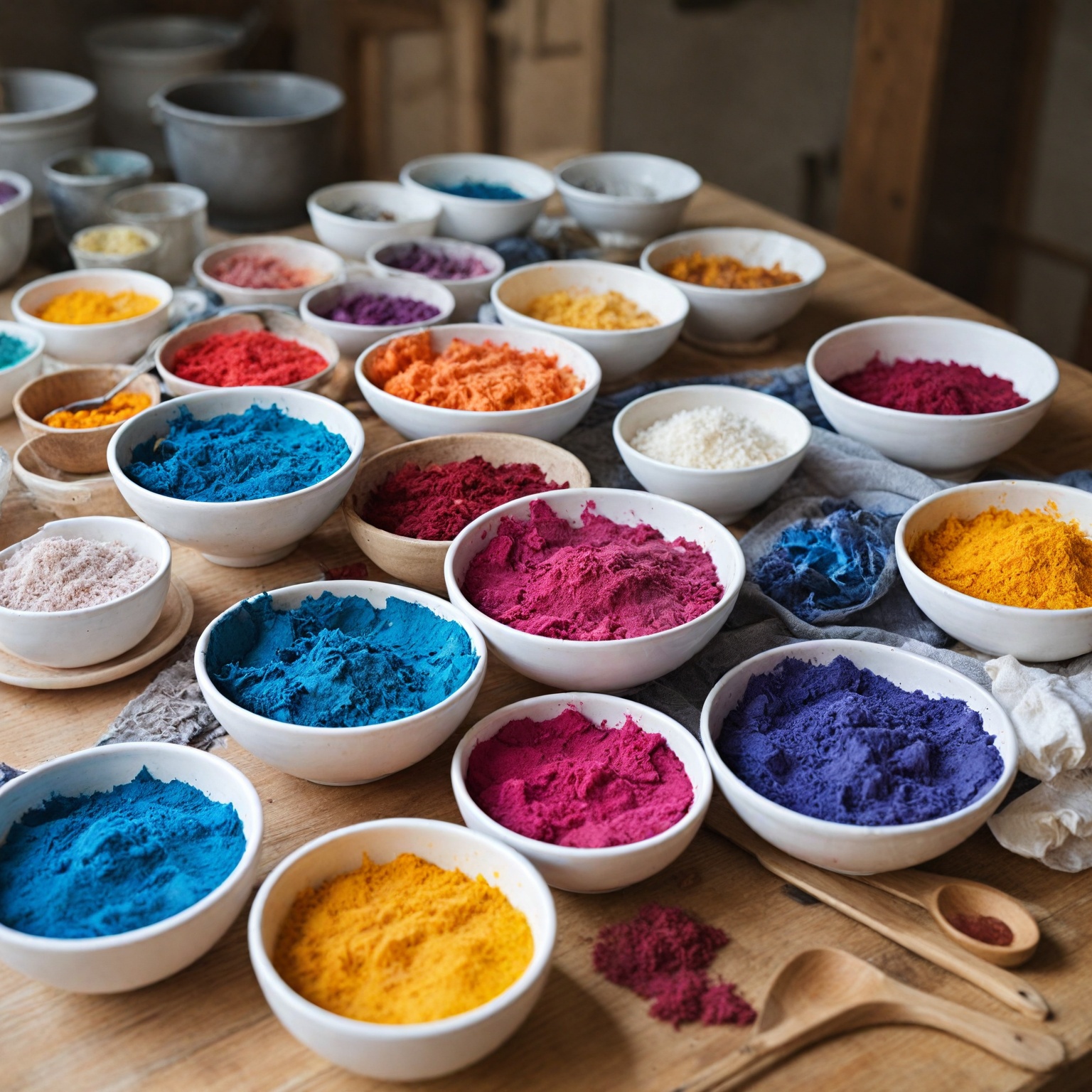
A key highlight is their appreciation for traditional dyeing methods, underscoring the importance of understanding the history and selection of plant-based pigments such as madder, indigo, and woad, each offering distinct hues and depth beyond simple fabric immersion. Their storytelling is enriched by candid anecdotes and community engagement, including tales of experimenting with colors on everyday items like duvet covers and curtains, and the unexpected outcomes that encourage further exploration.
The presentation also features thoughtfully designed materials, such as thick premium paper with perforations to facilitate creative use, including tear-out quote pages that mimic art displayed in styled room setups, enhancing the tactile and visual experience for participants. Through a blend of expert knowledge, hands-on projects, and personal narrative, the presentation invites both novices and seasoned DIYers to immerse themselves in the vibrant possibilities of fabric dyeing.
Fabric Dyeing Techniques and Methods
Fabric dyeing offers a versatile way to customize, refresh, or completely transform textiles, ranging from clothing to craft materials. Various techniques and methods can be employed to achieve different effects, from solid colors to intricate patterns.
Basic Dyeing Methods
One of the most common approaches is **piece dyeing**, where fabrics are dyed after they have been woven or knitted, typically resulting in a solid, uniform color. In industrial settings, a large continuous sheet of fabric is passed through a hot dye solution in a trough, or processed as a rope-like coil on a reel to ensure even dye distribution. The cloth may also be run through padded rollers to squeeze out excess liquid and help distribute the dye uniformly. Maintaining consistent temperature and stirring is crucial for uniform coloration.
Resist Dyeing Techniques
To create patterns, **resist dyeing** methods are popular. One ancient and notable resist dyeing technique is **batik**, originating from Java, Indonesia. Batik involves applying wax to sections of fabric to repel dye, allowing only unwaxed areas to absorb color and produce intricate patterns. This process creates distinctive contrasts of light and dark colors within the same dye bath. Similarly, the **wax resist technique** used in DIY fabric dyeing involves covering portions of fabric with wax using household items—such as jar rims, paint brushes, or even fruits and vegetables—to form artistic shapes and patterns once the fabric is dyed.
Creative Patterning Techniques
Beyond traditional methods, creative patterning can be achieved by manipulating the fabric and dye environment. For example, soaking fabric in dye and then placing objects like glass beads or rice on the wet cloth as it dries in the sun can produce unique textures and visual effects. The objects interfere with the dye and light exposure, resulting in one-of-a-kind patterns. The popular **ombré effect** can be accomplished by saturating different sections of a white or light-colored fabric in dye for varying durations, leaving parts of the fabric lighter or untouched to create a gradient look.
Natural vs. Synthetic Dyeing
Historically, natural dyeing was a complex process involving plant, mineral, or insect-derived dyes combined with mordants—chemical agents that helped the dye bind to fibers and altered colors to produce various shades. However, natural dyes were often limited in color range, consistency, and involved lengthy, sometimes unpleasant procedures. The advent of synthetic dyes revolutionized textile coloration, offering a broader spectrum of reliable colors and simpler application methods.
Considerations for Fabric Types
Different fabrics respond uniquely to dyeing. Natural fibers such as cotton, linen, silk, and wool absorb dye more effectively than synthetic fibers. For synthetic or blended fabrics, dyes specifically formulated for these materials are recommended. For instance, dyes like Rit All-Purpose Dye work well on natural fibers and some synthetics such as nylon and rayon, but fabrics containing over 35% polyester, acrylic, or acetate require specialized synthetic fabric dyes, often needing stovetop application rather than simpler methods like bucket dyeing.
Practical Tips for Home Dyeing
Home dyeing can be an economical and enjoyable way to revitalize old or faded garments. Using accessible materials and straightforward methods, such as the bucket method or dye baths in a sink or tub, crafters can experiment with colors and patterns. It’s important to remain flexible with expectations, as precise color outcomes can be challenging to achieve due to factors including fabric blend, original fabric color, dye concentration, and soaking time. Wringing out fabrics to be wet but not dripping and stirring the fabric in the dye bath help ensure even coloration.
Tools, Materials, and Equipment
Before beginning the fabric dyeing process, it is important to gather the necessary tools and materials to ensure successful results. One popular approach is the “bucket method,” which involves dyeing fabric in a bucket but can also be adapted for use in a sink or tub. For larger items such as bedding or curtains, using a washing machine to dye the fabric is also an option.
Essential materials typically include one or more yards of white or light-colored fabric and cold-water fabric dye. These basic supplies allow for a range of creative dyeing techniques, including creating solid colors or experimenting with patterns and textures. Household objects like glass beads, rice, jars, paint brushes, fruits, and vegetables can be used to add unique effects, especially when combined with methods such as the wax resist technique.
Choosing the right tools and materials can make dyeing fabrics an accessible, cost-effective, and enjoyable project. Depending on the garment and type of dye, it requires relatively little time and money, making it suitable for refreshing stained or plain natural fiber fabrics, like linen, and giving them a new lease on life.
DIY Projects and Practical Applications
Dyeing fabrics is a popular DIY method to customize, alter, or reinvigorate clothing with new colors, offering a fresh way to breathe life into garments that might otherwise go unworn. This technique is especially useful for revamping items with discoloration or fading, such as yellowed white shirts, faded sweaters, or worn jeans. Many DIY enthusiasts enjoy the unpredictability of the results, which often transform pieces into more wearable versions with unique shades ranging from light gray to deep charcoal rather than true black.
One favored approach is the “bucket method,” which can also be adapted to sinks or tubs. This method involves immersing the fabric in a dye solution contained in a bucket, allowing for controlled and even coloring. It is accessible and user-friendly, making it suitable even for teaching children how to dye fabrics.
Beyond simply dyeing fabrics to a solid color, DIY projects often explore creative techniques to generate one-of-a-kind patterns and textures. For instance, applying objects such as glass beads or rice on damp dyed fabric as it dries in the sun can produce unique imprints. Additionally, wax resist techniques—where wax is applied to sections of the fabric before dyeing—allow crafters to design intricate patterns. Household items like jar rims, paint brushes, and even fruits or vegetables can serve as tools to create these artistic effects, enhancing the fabric’s visual appeal.
These practical applications not only save money but also provide a highly satisfying and customizable experience. The ability to transform old or underused clothing into stylish, personalized pieces makes fabric dyeing an appealing project for those looking to optimize their wardrobes while expressing creativity.
Design Aesthetic and Color Choices
Color plays a central role in the design aesthetic of fabric dyeing, serving as a powerful medium for personal expression and cultural significance. Throughout history, clothing colors have communicated social status, occupation, and artistic identity—royal purple signified nobility, while British soldiers’ red coats denoted their rank and role. This longstanding tradition underscores the emotional and symbolic value imbued in fabric hues, extending beyond mere fashion into cultural storytelling.
When approaching fabric dyeing from a design perspective, the choice of color is often influenced by the intended use and the surrounding environment. For instance, selecting accent colors that complement a room’s palette can help in visualizing how dyed fabrics will integrate into home décor. Experimenting with fabric swatches dyed in potential accent tones allows for a practical preview of how colors might harmonize with cabinets, tiles, or other elements. This hands-on approach ensures that the fabric’s color contributes cohesively to the overall aesthetic vision.
The process of dyeing itself invites creative exploration and experimentation with colors. Unlike rigid color matching, fabric dyeing often embraces variation due to factors such as fabric blend, initial garment color, dye concentration, and soak time. This variability turns dyeing into a playful and rewarding experience where the goal is often to shift garments towards a desired hue rather than achieve an exact color match. For example, using black dye might darken clothes closer to black, though not perfectly, resulting in unique shades like charcoal or deep gray that refresh and revive older garments. This flexibility makes dyeing an accessible way to customize or upcycle clothing, aligning with individual style preferences while reducing waste.
Beyond solid colors, design aesthetics are enriched through various dyeing techniques that create one-of-a-kind patterns and effects. Methods such as wax-resist dyeing produce intricate shapes by repelling dye in selected areas, resulting in striking fabric designs. The popular ombré effect, characterized by a gradual fade from light to dark, can be achieved by varying fabric immersion times in dye baths. These techniques invite both novices and experienced dyers to experiment creatively, using household objects or sunlight to produce textures and hues that elevate the fabric’s visual appeal.
Challenges and Considerations
Fabric dyeing, while a rewarding creative process, comes with several challenges and important considerations that enthusiasts should be aware of. One primary challenge is achieving the desired color intensity and accuracy. The outcome often varies due to numerous factors such as the fabric blend, the original color of the item, dye concentration, and the duration of soaking. Rather than obtaining an exact color match, the process typically shifts clothes towards a general color direction—for example, making garments darker, greener, or pinker—without guaranteeing a precise shade. In one instance, black dye darkened a button-down shirt and jeans closer to black, but neither became a true deep black; however, the dye successfully eliminated unwanted yellow tints, resulting in a favored gray tone.
Another consideration is the involvement of different individuals in the dyeing process to achieve better results. For example, after an earlier attempt resulted in a fabric color that was too faint, the next effort aimed to produce a bolder and more colorful outcome by involving Clara again, indicating the importance of technique and collaboration in fabric dyeing.
Additionally, fabric dyeing holds a rich historical and cultural significance, reflecting personal preferences as well as social status and occupation. This underscores the importance of color choice beyond aesthetics, connecting it to tradition and identity. Overall, those undertaking fabric dyeing should be prepared for variability in results and appreciate the artistic and cultural dimensions of the craft.
Reception and Influence
The Young House Love blog has been warmly received by a wide audience, particularly those interested in DIY projects and home decor. Readers frequently share their own experiences inspired by the blog’s creative use of fabric dyeing, such as transforming inexpensive chairs with custom slipcovers and exploring various dyeing techniques to achieve unique patterns and colors. The approachable and fun tone of the posts, combined with practical advice like the “bucket method” for dyeing fabric, has made fabric dyeing more accessible and appealing to beginners and hobbyists alike.
Beyond practical tips, the blog resonates with readers who appreciate the artistic and expressive potential of color in everyday objects, reflecting a broader cultural fascination with color as a form of personal and social expression. The personal stories and humor woven into the content further enhance its appeal, creating a community atmosphere where readers feel encouraged to experiment and share their own colorful projects.
The influence of Young House Love extends to inspiring others to incorporate dyeing into their home decor routines, often sparking interest in sustainable and cost-effective ways to refresh interiors. Their documented adventures with dyeing chairs and creating custom slipcovers demonstrate how a simple DIY technique can dramatically transform a space, motivating readers to try similar projects and explore their own creativity with fabric and color.
The content is provided by Harper Eastwood, Home Upgrade News