
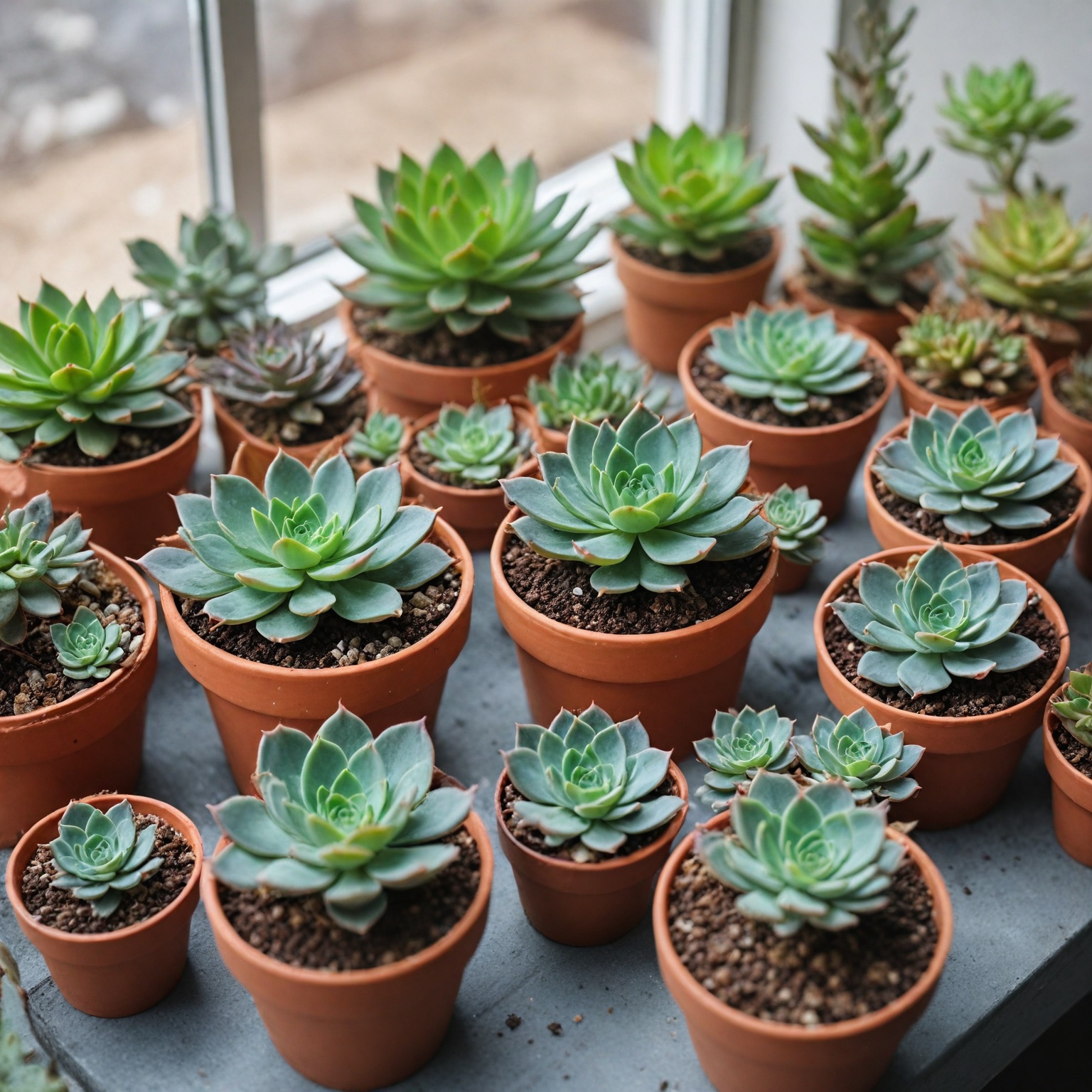
Summary
**Unlock the Secrets of Succulent Propagation with Young House Love** is a comprehensive guide and resource focused on the techniques, species, and best practices involved in propagating succulents. Succulent propagation—the process of creating new plants from leaves, stem cuttings, or offsets—is a popular and accessible method for expanding plant collections, sharing plants, and cultivating unique specimens. This topic has garnered widespread interest among gardening enthusiasts, particularly beginners, due to succulents’ low maintenance and diverse forms.
The guide draws heavily on the expertise and approachable style of the DIY and home décor blog Young House Love, which has become notable for demystifying succulent care and propagation through practical tutorials and personal storytelling. Young House Love emphasizes natural succulent adaptations and encourages patience and experimentation, helping readers overcome common pitfalls such as rot, overwatering, and sunburn. Their content has fostered a vibrant community of succulent enthusiasts who exchange tips, share successes, and build confidence in propagation techniques.
This resource covers a wide range of succulent species popular for propagation, including *Echeveria*, *Kalanchoe*, *Agave americana*, *Sedum morganianum*, and *Crassula ovata*, each with tailored propagation methods suited to their growth habits. It also provides detailed, step-by-step instructions for leaf and stem cutting propagation, discussing essential materials, optimal conditions, troubleshooting common challenges, and best practices for beginners to achieve consistent success.
While succulent propagation is widely accessible, the guide acknowledges limitations such as species-specific variability, the necessity of careful technique, and challenges faced by novices. It also highlights Young House Love’s authentic and unbiased approach, which includes honest discussion of mistakes and practical advice, making their platform a trusted source in the succulent gardening community.
Background
Succulent propagation is the process of creating new plants from existing ones using various parts of the parent plant, such as leaves, stem cuttings, or offsets. This method allows enthusiasts to expand their collections, share plants with others, and cultivate unique specimens that may be difficult to find in nurseries. There are three primary propagation techniques commonly used: dry, water, and soil propagation, each suited to different succulent types and grower preferences.
Among these methods, leaf propagation is particularly popular due to its minimal resource requirements and the ease of using leaves that naturally fall from the plant. Selecting healthy leaves—characterized by plumpness, firmness, and vibrant color—is essential for successful propagation and the growth of robust new plants. Stem cuttings and offsets are also effective for many species and may be preferred depending on the succulent variety.
Propagation is best performed during the succulent’s active growing seasons, primarily in spring and summer, as results tend to be faster and more reliable. However, it can be done year-round with patience, although growth may slow during fall and winter. Ensuring that propagated parts receive several hours of bright, indirect sunlight daily is important for healthy development, while avoiding direct, harsh afternoon sun that can cause sunburn damage to leaves and stems.
About Young House Love
Young House Love is a popular DIY and home decor blog known for its engaging content on interior design, gardening, and creative home projects. The blog has garnered a large following due to its approachable style and practical advice, often featuring tutorials on topics such as succulent planting and care. The creators of Young House Love have built a strong community of readers inspired by their relatable storytelling and innovative ideas, making the site a go-to resource for home improvement enthusiasts.
The blog’s success is partly attributed to its founders’ authentic and personal approach, which resonates deeply with their audience. Readers frequently express admiration for the couple behind the blog, noting their charm and the inspiration their posts provide for home decor and gardening projects. Young House Love also collaborates with various gardening and lifestyle platforms, expanding its reach and influence within the succulent and DIY communities.
In addition to offering creative project ideas, Young House Love provides valuable insights into common pitfalls and best practices in succulent propagation, encouraging beginners to persevere and find satisfaction in their gardening efforts. Their content often highlights the natural adaptations of succulents, emphasizing the importance of understanding these unique plants to ensure successful growth and care. This combination of practical knowledge and personal touch has made Young House Love a trusted name among succulent enthusiasts and DIY gardeners alike.
Succulent Species Featured and Their Characteristics
Several succulent species featured in succulent propagation are renowned for their distinctive appearances and ease of care, making them popular choices for both beginners and experienced gardeners.
Echeveria
The genus *Echeveria* encompasses a large group of flowering succulents native to semi-desert areas of Central America, Mexico, and northwestern South America. Members of this genus typically form attractive rosettes with fleshy leaves and are well adapted to hot, dry conditions. *Echeveria* species such as *Echeveria elegans* are popular for leaf propagation due to their healthy, plump leaves that root easily.
Kalanchoe
The genus *Kalanchoe* contains about 120 species native mostly to Madagascar and tropical Africa. These succulents are known for their unusual foliage and, in many species, colorful flowers. Notable species include the Panda Plant (*Kalanchoe tomentosa*), Devil’s Backbone (*Kalanchoe daigremontiana*), also called Mother of Thousands, which is particularly famous for its ease of propagation via plantlets along the leaf edges.
Agave americana
Commonly known as the Century Plant, *Agave americana* is a striking succulent native to Mexico. It features large, spiky blue-green leaves edged with sharp spines. This species typically blooms with a tall, dramatic flower spike that attracts pollinators such as bees and hummingbirds. It thrives best in full sun and well-draining soil conditions.
Sedum morganianum
Known as Burro’s Tail or Donkey Tail, *Sedum morganianum* is prized for its cascading stems densely covered with fleshy, blue-green leaves. This trailing succulent is a favorite for hanging baskets and is relatively easy to care for, making it suitable for propagation through stem cuttings.
Crassula ovata
Commonly called the Jade Plant, *Crassula ovata* is a popular succulent known for its thick, glossy leaves and tree-like growth habit. It is one of the easiest succulents to propagate from leaves and cuttings and is highly tolerant of neglect, making it ideal for beginners.
Other Notable Species
– *Sedum rubrotinctum* (Jelly Bean Plant), favored for leaf propagation.
– String of Pearls (*Curio rowleyanus*), a trailing succulent commonly propagated by stem cuttings.
– Thanksgiving Cactus (*Schlumbergera truncata*), a tropical succulent requiring more specific humidity and watering conditions, making it less suitable for beginners.
These species collectively represent a range of succulent types—from rosette-forming plants to trailing vines—each with propagation methods suited to their growth habits, including leaf cuttings, stem cuttings, and offsets. Their varying forms and propagation ease contribute to their popularity in modern succulent cultivation.
Propagation Techniques Demonstrated
Succulent propagation involves producing new plants from parts of a parent succulent, such as leaves, stem cuttings, or offsets. There are three main techniques commonly used: dry propagation, water propagation, and soil propagation. Each method has its own advantages and is suitable for different types of succulents and propagation material.
Dry propagation is often recommended for beginners due to its simplicity and reliability. In this method, succulent leaves or stem cuttings are first allowed to dry out and callous over for about a week before being placed on or in the propagation medium. This callousing step is crucial to prevent rot and improve the chances of root formation. Leaf propagation begins by gently removing healthy, mature leaves from the base of the plant, ensuring a clean break without damage to the leaf base, as torn leaves typically fail to root. Once calloused, the leaves can be laid flat on well-draining soil to encourage root and new plantlet growth.
Water propagation requires suspending succulent leaves or stem cuttings so that only the base is exposed to water, avoiding full submersion which can lead to rotting. While effective, this method is considered more complicated because it demands precise positioning and frequent monitoring. Stem cuttings can also be partially submerged to stimulate root development, but water propagation is often skipped in favor of the other two techniques for its relative difficulty.
Soil propagation involves placing calloused leaves or cut stems directly into well-draining succulent soil. This method is favored for producing “finished” looking plants quickly, as roots develop directly in the medium where the new succulent will grow. For longer stem cuttings, trimming to manageable lengths and removing lower leaves before planting can enhance success rates. Stem propagation works well for succulents with distinct stems, such as Crassulas and Sedums, where a cutting is taken and placed in soil to root.
Regardless of the technique, successful propagation requires providing warm, cozy conditions and several hours of bright, indirect sunlight daily to support root growth and prevent moisture-related rot. Monitoring the health of the propagating material and adjusting care as needed can help overcome common problems and improve outcomes.
Materials and Tools Recommended
To successfully propagate succulents, having the right materials and tools is essential. Sharp scissors or pruning shears are highly recommended for taking clean cuttings from the plant. For instance, many propagators favor specific pruning shears that provide precision and ease during the cutting process.
When it comes to soil, it is crucial to use a coarse, fast-draining potting mix specifically designed for cacti and succulents. The soil should be slightly dampened before planting. Additionally, good drainage is vital, reflecting the succulents’ natural habitat requirements, and individual clean pots should be used for each plant to facilitate easy transplanting after rooting.
Rooting hormone can be beneficial for encouraging root growth. It is advised to pour a small amount of RootBoost Rooting Hormone into a dish and dip the moistened leaf base or stem cutting into it before planting. Using the rooting hormone sparingly and properly can improve propagation success.
Other helpful tools include small sticks to create planting holes in the soil and, for certain propagation methods like air propagation, items such as fishing wire and sewing needles may be used to secure and hang succulent leaves or stems. Ensuring the propagated succulents receive several hours of bright indirect sunlight daily is also part of the recommended setup for optimal growth.
Step-by-Step Propagation Guides
Propagating succulents can be a rewarding and accessible gardening project, especially when following a clear, step-by-step approach. There are several methods for succulent propagation, with leaf and stem cuttings being the most common and effective techniques. Both methods work best during the succulent’s active growing season in spring and summer, although propagation can be attempted year-round with slower results outside this period.
Leaf Propagation
To propagate succulents using leaves, start by selecting healthy, plump, and firm leaves with vibrant colors, as these traits indicate a higher chance of successful propagation. Gently twist or rock the leaf side-to-side at its base until it detaches cleanly from the mother plant, ensuring a clean break without ripping. This clean separation is crucial because damaged leaves are unlikely to propagate successfully.
After removing the leaf, allow it to dry and callous over for at least a week. This step prevents excess moisture absorption that can lead to rot during rooting. Once calloused, place the leaf on a slightly damp, fast-draining succulent or cactus soil mix. A small stick can be used to create shallow planting holes if desired. Some gardeners use rooting hormone to boost root development, though this is optional.
Over time, roots and tiny rosettes will emerge from the base of the leaf, eventually growing into new plants. Patience is important, as this process can take several weeks. Keep the soil lightly moist but not soggy to avoid fungal issues and rot.
Popular succulents suitable for leaf propagation include Echeveria species, Jade Plants (Crassula ovata), and sedums such as Sedum rubrotinctum (Jelly Bean Plant).
Stem Cutting Propagation
Stem cutting propagation is ideal for succulents with elongated or distinct stems, such as stacked crassulas, String of Pearls (Curio rowleyanus), Burro’s Tail (Sedum morganianum), and Panda Plant (Kalanchoe tomentosa). Begin by selecting a healthy stem and cutting it to a manageable length if it is excessively long. Remove leaves from the lower portion of the cutting to expose a bare stem segment where roots will form.
Similar to leaf cuttings, allow the stem cutting to dry and callous for about a week to reduce the risk of rot. Once calloused, place the stem in well-draining soil or submerge the cut end in water to encourage root growth. The soil method is often preferred because it results in a “finished” looking plant more quickly.
Root development can be monitored, and after roots establish, the new plant can be cared for like a mature succulent. Maintaining proper light and avoiding overwatering are key to successful propagation.
General Tips
– Use a coarse, fast-draining potting mix designed specifically for cacti and succulents to prevent excess moisture retention.
– Propagation is easiest during spring and summer when succulents are actively growing, though fall and winter propagation is possible with longer rooting times.
– Prevent overwatering and ensure cuttings callous properly before planting to avoid rot and fungal diseases.
– Leaf propagation is best suited for succulents with fleshy leaves, while stem cuttings work well for plants with distinct stems.
By following these step-by-step propagation guides, succulent enthusiasts can multiply their collections successfully while enjoying the unique process of nurturing new plants from leaves or stems.
Common Challenges and Troubleshooting
Succulent propagation, while rewarding, often comes with a set of common challenges that beginners may face. One frequent issue is impatience, as propagation requires time and patience, especially when performed outside the optimal seasons of spring and fall. Results may take as little as a week or extend longer depending on factors such as the type of succulent, temperature, and humidity.
A major challenge is preventing rot and fungal disease in leaf and stem cuttings. Unlike non-succulent plants, succulents are less vulnerable to dehydration due to their water-storing tissues; however, excess moisture absorption can cause cuttings to rot. It is crucial to allow cut ends to callous over for at least a week before planting to minimize this risk.
Sunburn is another common problem during propagation. Initially, sunburned leaves may show white marks, but severe exposure can lead to dark brown or crispy patches. To avoid this, succulents should be placed in locations shielded from direct, intense afternoon sunlight.
Overwatering is a leading cause of succulent failure. When damage from excess watering is mild, reducing water can help, but severe cases may necessitate salvaging parts of the plant through leaf propagation. Unfortunately, once rot has extensively set in, recovery is often not possible.
Other issues such as legginess occur when succulents do not receive sufficient light, causing stems to stretch and leaves to space out unevenly. Providing ample bright, indirect light near windows can prevent this and support healthy growth during propagation.
By carefully monitoring
Best Practices and Tips for Beginners
Succulent propagation is a rewarding and inexpensive way to expand your plant collection while enjoying the process of nurturing new growth from leaves, stems, or offsets. For beginners, understanding the right techniques and avoiding common mistakes can significantly increase the chances of success and satisfaction in propagation efforts.
One of the simplest and most popular methods is leaf propagation, which requires minimal resources and can be done using leaves that naturally fall from the plant. Recommended succulents for leaf propagation include Echeveria species such as Echeveria Elegans, Jade Plants (Crassula Ovata), and Sedums like Sedum rubrotinctum (Jelly Bean Plant). Stem cuttings are also effective for species like String of Pearls (Curio rowleyanus), Sedum morganianum (Burro’s Tail), and Kalanchoe tomentosa (Panda Plant), with sharp scissors or pruning shears advised for clean cuts.
Beginners often encounter challenges due to common mistakes, but recognizing these pitfalls and applying correct practices can lead to improved results with each attempt. Patience and attentive care, including monitoring for signs of distress and adjusting conditions accordingly, are essential for overcoming propagation problems. It is helpful to consult detailed propagation guides and care tips crafted by experienced gardeners to build confidence and expertise.
Ultimately, propagation not only helps maintain vibrant succulent collections but also fosters the sharing of unique plants with others and the cultivation of rare specimens that may be difficult to find commercially. By following these best practices, beginners can enjoy the fun and fulfillment of watching new succulents grow and thrive.
Impact and Community Engagement
Young House Love has significantly influenced the succulent propagation community by demystifying the process and making it accessible to a broad audience. Their approachable tutorials and shared experiences have empowered beginners to try propagation techniques such as leaf propagation, stem cuttings, and offsets with confidence, emphasizing natural processes suited to succulents’ unique adaptations. By openly discussing common mistakes and encouraging perseverance, they foster a supportive environment that motivates enthusiasts to learn and grow in their gardening skills.
Moreover, Young House Love’s content has contributed to building a vibrant community of succulent lovers who exchange tips, share successes, and inspire one another. Their influence extends beyond simple DIY guides, encouraging sustainable and thoughtful gardening practices that align with the natural behaviors of succulents in the wild. The platform’s authenticity is highlighted by their unbiased recommendations, as they only endorse products and techniques they genuinely believe in, which further strengthens trust and engagement among followers.
Through their blog and social media presence, Young House Love has cultivated a space where both novices and experienced gardeners can connect over shared interests in succulents and home gardening. This community engagement not only spreads knowledge but also fosters a sense of belonging and joy in the practice of propagation, amplifying the impact of their educational content across diverse audiences.
Criticisms and Limitations
While succulent propagation offers an accessible and rewarding way to expand plant collections, several criticisms and limitations should be considered. One common issue is that beginners often make mistakes in the propagation process, such as improper cutting techniques or unsuitable soil conditions, which can hinder successful growth. However, these errors are typically part of the learning curve, and perseverance usually leads to improvement and eventual success.
Another limitation arises from the variability among succulent species in terms of propagation methods and growth requirements. Different species respond best to specific techniques—such as leaf cuttings, stem cuttings, or offsets—and their adaptability to these methods can vary widely. This variability means that some succulents may be more challenging for novices to propagate effectively.
Additionally, while stem cuttings can accelerate propagation compared to leaf cuttings, they require careful preparation, including removing lower leaves and selecting appropriate soil mediums to prevent rot and ensure healthy root development. Missteps in these steps can lead to failure.
Finally, succulents’ unique adaptations to arid environments mean they do not thrive under the same conditions as typical houseplants. This specificity necessitates tailored care, and neglecting these needs during propagation can limit success rates. Despite these challenges, understanding and addressing these criticisms and limitations can greatly enhance the propagation experience.
Related Projects and Further Resources
Young House Love offers a variety of related projects and resources that complement succulent propagation and care. Their content includes DIY tutorials, planting guides, and creative ideas for displaying succulents, such as using glass containers or painted baskets. These projects not only enhance the aesthetic appeal of your succulent collection but also provide practical insights for beginners and experienced growers alike.
Additionally, their guides emphasize common mistakes beginners make and the correct practices to ensure successful propagation. This encouragement helps hobbyists overcome initial challenges and find satisfaction in cultivating healthy succulents. For those interested in exploring different species, Young House Love categorizes succulents based on growth habits and size, recommending the best propagation methods—such as stem cuttings, leaf cuttings, or offsets—tailored to each type.
Moreover, the propagation skills taught serve not only to maintain vibrant collections but also to share plants with friends and grow unique specimens that are often difficult to find in nurseries. This community-oriented approach encourages enthusiasts to expand their knowledge and enjoyment of succulents through hands-on experience and shared resources.
Young House Love’s gift guides also include carefully curated succulent-related items and tools, chosen from genuine personal use rather than sponsorship, providing trustworthy recommendations for those looking to enhance their gardening toolkit or find gifts for fellow plant lovers.
The content is provided by Jordan Fields, Home Upgrade News