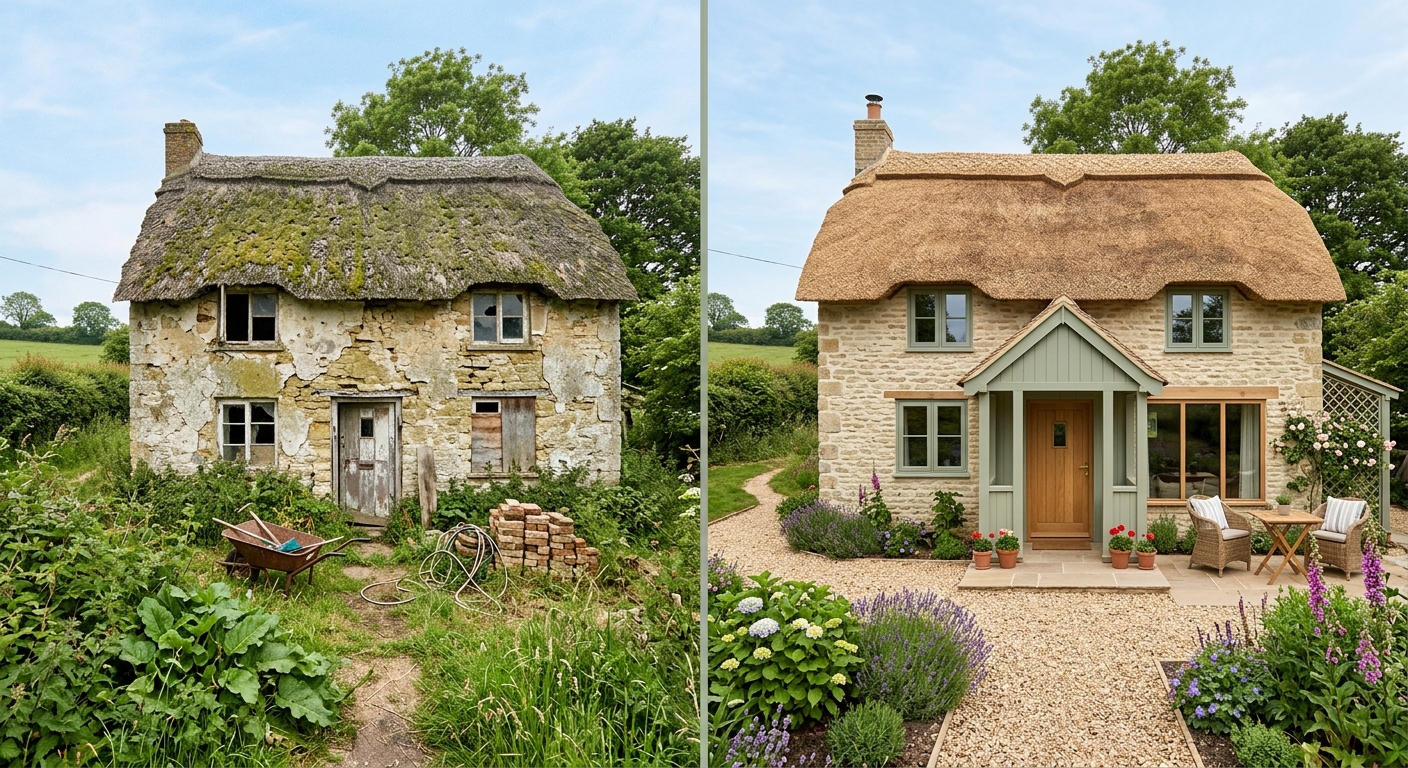
Transforming Cottages: Key Insights for Homeowners and Investors
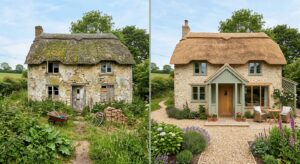
The transformation of neglected cottages into high-value properties represents a lucrative opportunity for both homeowners and investors looking to merge historical charm with modern living. This process not only involves renovation but also a delicate balance between preserving original features and incorporating modern amenities. Understanding the factors influencing these transformations, along with the potential economic impact, can help guide decisions in renovations and investments.
Historical Context
Cottages have evolved from simple rural dwellings to sought-after real estate, especially influenced by the Arts and Crafts movement. Their original designs prioritized simplicity and comfort, making them appealing to buyers seeking cozy, rustic living spaces. When renovating these homes, it is crucial to respect their historical integrity by preserving defining features and thoughtfully integrating modern comforts to support contemporary lifestyles.
Key Influencing Factors
The successful renovation of cottages is driven by various architectural, environmental, and market-based factors. Adapting internal layouts while respecting original structures helps maintain the historical character of these homes, crucial for meeting contemporary needs. Additionally, understanding local market dynamics, safety, and proximity to amenities directly affect property value and should be assessed when planning renovations.
Architectural Considerations
Modernizing historic cottages requires careful design that respects the architectural character. Prioritizing restoration over extensive modernization not only preserves aesthetic value but also enhances market appeal. Collaborating with architects who specialize in heritage buildings can ensure that renovations align with both preservation standards and modern functionality.
Economic Impact and Investment
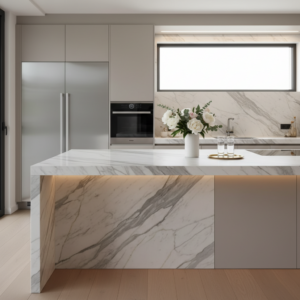
Investing in targeted renovations can yield significant returns by improving property value and living conditions. Certain updates, particularly in kitchens and bathrooms, are known to provide high ROI, while considering local market trends can guide homeowners in selecting improvements that enhance both livability and future resale potential.
Financing Renovations
Financing for cottage renovations can vary significantly based on investment goals, with options like renovation loans tailored specifically for these projects. Understanding the property’s After Repair Value (ARV) is essential in securing the necessary funds and successfully determining the scope of renovations required to maximize return on investment. Additionally, maintaining well-aligned insurance coverage post-renovation is vital to ensure adequate protection.
Noteworthy Renovation Examples
Successful transformations often highlight the adaptive reuse of unique buildings, such as converting historic structures into modern accommodations. The thoughtful integration of contemporary systems without compromising original features not only preserves community identity but also enhances the value of these properties. These examples demonstrate that historical cottages can be turned into luxurious homes while maintaining their essence.
Sustainability and Future Trends
The future of cottage renovations emphasizes embracing sustainability while respecting historical integrity. Integrating modern systems discreetly is essential to balance aesthetic characteristics with functionality. Embracing energy-efficient features while preserving the charm of these homes can create living spaces that are both environmentally responsible and economically viable, reflecting a growing trend in home renovation.
The content is provided by Avery Redwood, Home Upgrade News