Summary
Banishing Fruit Flies: Proven Techniques That Actually Work is a comprehensive guide focused on the identification, prevention, and eradication of fruit fly infestations commonly encountered in households. Fruit flies (family Drosophilidae) are small insects distinguished by their red eyes and tan-to-black body coloration, which thrive particularly in late summer and fall due to the abundance of ripened or fermenting organic materials. Their rapid reproductive cycle and ability to breed in diverse moist environments such as overripe fruits, drains, and even houseplant soils make them a persistent nuisance in indoor and outdoor settings.
This resource emphasizes practical, evidence-based methods for managing fruit fly populations, highlighting the importance of sanitation, proper storage of produce, and the use of physical exclusion barriers as primary prevention strategies. Among removal techniques, DIY traps baited with apple cider vinegar, wine, or beer combined with dish soap have been demonstrated as effective and economical solutions to capture and reduce fruit fly numbers. The guide also addresses how environmental factors like temperature and humidity influence infestation severity and control efficacy.
While these approaches generally yield positive results, the article notes that traps alone may not fully eliminate infestations without complementary sanitation and habitat management practices. Safety considerations are underscored, especially regarding food contamination risks and the careful use of chemical insecticides when necessary, with a preference for organic or low-impact alternatives. Additionally, related pests such as gnats and natural biological controls like parasitic wasps are discussed to provide a broader context for integrated pest management.
By combining detailed identification cues, practical prevention, and proven removal techniques, Banishing Fruit Flies: Proven Techniques That Actually Work serves as an accessible and reliable resource for homeowners seeking to effectively control fruit fly problems while minimizing chemical reliance and promoting safe, sustainable practices.
Identification
Fruit flies are small insects, typically about 1/8 inch long, characterized by their distinctive red eyes and a body coloration that is tan in the front and black in the rear. They are especially prolific in late summer and fall but can be found year-round. Adult fruit flies are notable for their small size and brown bodies, making them easily recognizable in households and around fermenting organic materials.
The life cycle of the fruit fly begins when the female lays up to 500 eggs near the surface of fermenting fruit or other moist, decaying organic matter. These eggs hatch within 24 hours, releasing larvae that initially appear as cream-colored or white, sluggish, worm-like maggots without legs. The larvae undergo three developmental stages known as instars, molting as they grow and shedding various parts including the head and mouth structures. During the third instar, the larvae move to drier areas to pupate.
Once mature, the larvae burrow out of the fruit and into the soil, where they become inactive and transform into oval-shaped, hard pupae ranging from light to dark brown in color. The pupal stage, similar to a butterfly’s chrysalis, lasts about four days, during which the adult fly develops inside the puparium. The pupa darkens just before the adult fly emerges, pushing through the anterior end known as the operculum. Newly emerged adults have a light coloration, expanded wings, and elongated abdomens and become capable of mating within two days, allowing for rapid population growth.
Understanding these identification markers—size, eye and body color, larval appearance, and pupal characteristics—can aid in effectively recognizing and managing fruit fly infestations.
Causes of Infestation
Fruit fly infestations commonly originate from the presence of ripened or fermenting fruits and vegetables, which attract these pests due to their preference for such food sources. Typical household items that can harbor fruit flies include rotting bananas, tomatoes, melons, squash, grapes, potatoes, onions, and other unrefrigerated produce. In addition to fresh produce, fruit flies can breed in less obvious locations such as drains, garbage disposals, empty bottles and cans, trash containers, mops, and cleaning rags where a moist film of fermenting organic material exists.
Another notable cause of infestations is the potting media of houseplants, as some fruit flies emerge from soil that may already be infested either from storage or during manufacturing. Certain species may also feed on microbial films in drains, contributing further to their proliferation indoors.
Seasonal factors play a significant role in the frequency and severity of infestations. Fruit flies tend to be especially prevalent in late summer and fall when a variety of produce reaches peak ripeness and begins to ferment. The availability of a constant food supply during warmer months supports rapid population growth, whereas cooler temperatures below 10 °C (50 °F) can inhibit development and reproduction, sometimes even causing sterility in fruit flies. As a result, colder winter seasons often lead to a decrease or temporary end in fruit fly populations.
Environmental conditions such as temperature and humidity also influence infestation dynamics. Constant humidity from sources like showers and sinks creates ideal breeding environments, especially in bathrooms where organic buildup in drains can serve as alternative breeding sites separate from kitchen food sources. Variations in household temperature and humidity levels affect the survivability and lifecycle duration of fruit flies, contributing to regional differences in infestation severity.
Prevention Methods
Preventing fruit fly infestations begins with maintaining proper sanitation and eliminating breeding sites. It is essential to regularly remove fallen, overripe, or rotten fruit from your home and garden, as these provide ideal environments for fruit fly breeding. Such fruit should not be composted but disposed of in sealed plastic bags and placed in household rubbish collections to interrupt the breeding cycle. Additionally, cleaning up spills of fruit juice, alcohol, or other attractants immediately helps reduce the likelihood of infestation indoors.
Proper storage of fruits and vegetables is another key preventive measure. When possible, store produce in the refrigerator to inhibit fruit fly access and development. Washing fruits and vegetables as soon as they are brought home can remove any eggs or larvae that may have been present from the store. It is also advisable to monitor fruit bowls for signs of browning or rotting and to dispose of such fruit promptly to prevent attraction of fruit flies.
Physical exclusion techniques can be employed to prevent fruit flies from accessing fruit. Homemade or commercially available exclusion products such as cloth or paper bags, sleeves, and nets made from materials like mosquito netting or gauze curtain fabric can be used to cover fruit trees or garden plants. These barriers should be durable enough to withstand weather conditions and can be fashioned from household materials. This method is particularly recommended for those living in fruit fly-prone areas who prefer organic or low-impact controls without chemical use.
Maintaining overall garden hygiene by removing potential breeding grounds, such as damaged or over-ripened fruits, is crucial. Poultry foraging in gardens may also help reduce fruit fly populations by consuming fallen fruit. However, even with removal of susceptible fruit, neighboring plants or properties may harbor fruit flies, so comprehensive area-wide management is necessary.
Incorporating fragrant herbs and plants in indoor or outdoor gardens can aid in repelling fruit flies naturally. Growing herbs such as basil or mint in kitchen containers or garden beds near outdoor dining areas creates a fly-free zone while providing fresh ingredients for cooking.
Finally, environmental factors such as temperature can influence fruit fly population dynamics and behavior. Understanding the pest’s response to heat and cold stresses can inform timing and effectiveness of prevention strategies, particularly in regions subject to climate variability.
Together, these preventive methods—sanitation, proper storage, physical exclusion, habitat management, and natural repellents—form a comprehensive approach to minimizing fruit fly infestations before they begin. Implementing them consistently helps reduce the reliance on chemical controls and supports organic gardening practices.
Proven Techniques for Removal
Several effective DIY methods exist to banish fruit flies using simple household ingredients and materials. The key principle behind these techniques is to attract fruit flies with a sweet-smelling bait and then trap or drown them so they cannot escape.
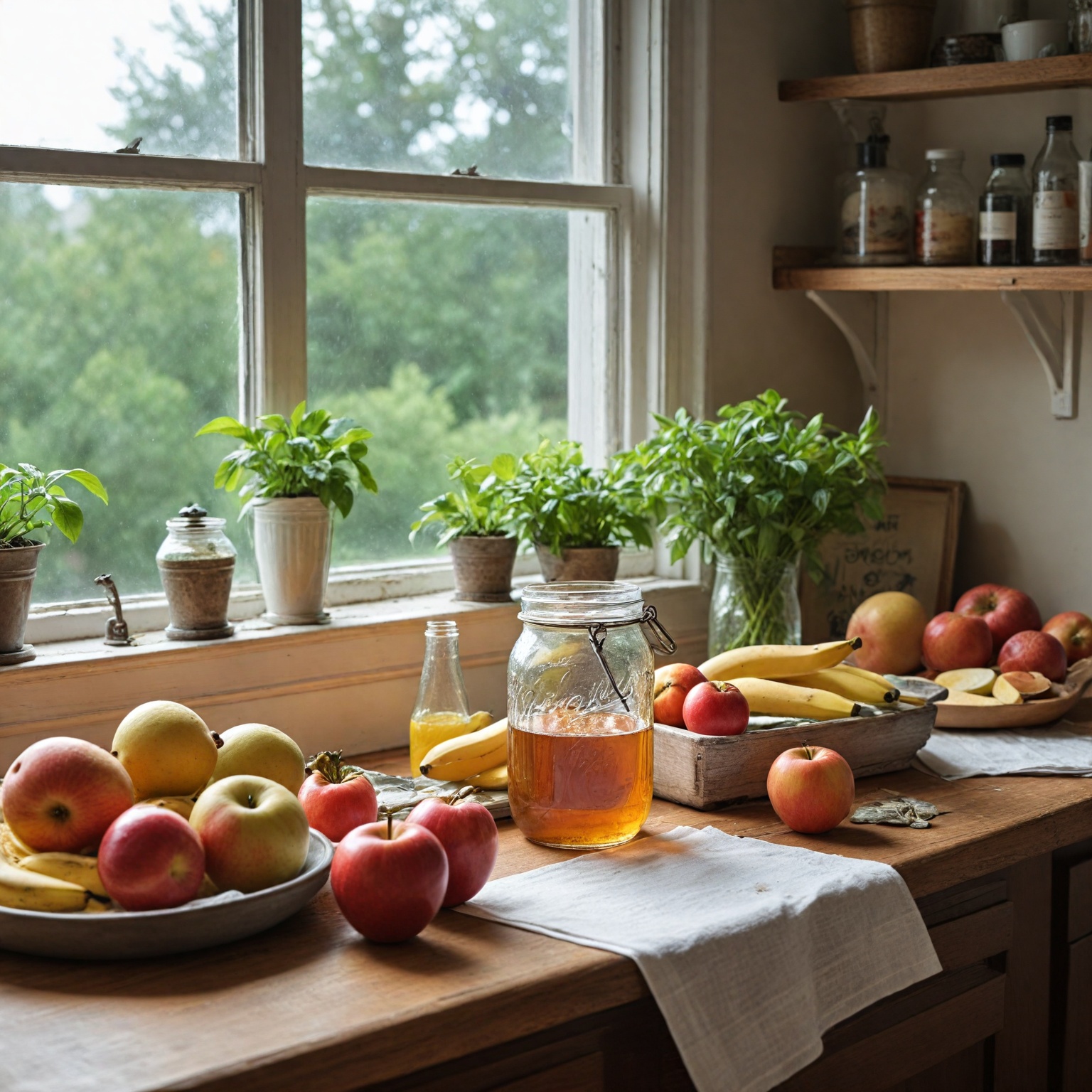
One of the most popular and proven baits is apple cider vinegar (ACV), which emits a fermentation scent irresistible to fruit flies. A common approach involves pouring ACV into a container and adding a few drops of dish soap. The dish soap reduces the surface tension of the liquid, causing the flies to sink and drown after landing on the solution. This mixture can be used in various traps, including mason jars covered with plastic wrap pierced with small holes or jars fitted with funnel-shaped lids, which allow flies to enter but prevent their exit.
Another low-effort trap involves leaving out an open bottle containing leftover wine or stale beer. Fruit flies are drawn to the fermented scent, and the narrow neck of the bottle traps them inside. Adding a few drops of dish soap improves the trap’s effectiveness by helping to drown the flies. This method requires minimal setup and no additional covers or funnels.
Homemade traps have the advantage of using the very items that attract fruit flies to begin with, such as fruit scraps, vinegar, wine, or beer, making them highly effective and economical compared to some commercial products. Additionally, traps that combine an appropriate bait with strategic placement—near fruit bowls, drains, or houseplants—tend to deliver faster and more visible results.
Although these methods are generally effective, some users note that traps based on vinegar and dish soap may not completely eliminate the infestation on their own and should be combined with good sanitation practices such as promptly removing overripe fruit and regularly emptying compost and garbage bins. For enhanced success, traps can be relocated outdoors once full to release captured flies away from the home environment.
Effectiveness of Techniques
Several DIY traps have been tested to determine their effectiveness in eradicating fruit flies, with varying results based on the bait used and trap placement. The general principle behind these traps involves attracting fruit flies with a sweet-smelling bait and then preventing their escape, typically by drowning them in the liquid bait or capturing them inside a container.
During testing, it was observed that not all traps perform equally well, nor do they work on all types of fruit flies. The most effective traps combined the right bait with strategic placement—such as near a fruit bowl, down a sink drain, or inside a houseplant—ensuring maximum attraction and capture rates. Additionally, the ease of setup and maintenance contributed to the success of the traps, with the best designs being discreet, simple to use, and delivering visible results relatively quickly.
Homemade traps often outperform commercial fruit fly traps because they use the same ingredients that naturally attract fruit flies to homes, such as fruit scraps or sweet beverages. Experts recommend using household items like apple cider vinegar, rubbing alcohol, or even leftover wine or beer as bait, which have proven effective in drawing flies into traps.
While baited traps alone may not completely eliminate fruit fly infestations, they serve important roles in monitoring fly populations, identifying breeding sites, and reducing numbers while other control measures are implemented. It is important to note that some traps work faster than others, and full eradication may take several days, requiring patience and consistent maintenance.
Safety Considerations
When dealing with fruit fly infestations, it is important to prioritize safety alongside effectiveness. One key consideration is avoiding contamination of food, as fruit flies have the potential to carry bacteria and other disease-causing organisms. To minimize this risk, it is recommended to eliminate sources of attraction by consuming, discarding, or refrigerating ripe produce promptly. Maintaining good sanitation in the kitchen and garden environment is essential in preventing fruit fly proliferation.
If traps alone do not resolve the problem, some may consider using insecticides specifically formulated for fruit flies. However, it is crucial to follow safety guidelines when applying chemical controls. The Environmental Protection Agency (EPA) advises users to carefully read product labels, adhere strictly to the directions, and verify the presence of an EPA registration number, indicating the product has undergone regulatory review. This ensures the selected insecticide is both effective and safe when used as directed.
For those seeking organic or low-impact methods, exclusion techniques such as physical barriers made from cloth, paper bags, or nets can be employed without chemicals. Homemade exclusion products should be durable enough to withstand weather conditions and can be constructed from household items like mosquito nets or gauze curtains with mesh sizes around 1.6mm, which effectively block fruit flies and other pests. Additionally, these methods avoid the risks associated with chemical exposure and can be combined with sanitation measures for safer control.
Related Pests
Fruit flies are just one of several common household pests that can be found around rotting produce and damp environments. Similar pests include gnats, which are also small flying insects attracted to moist areas and organic decay. While fruit flies primarily target sweet fruits, vegetables, and sugary or fermented beverages such as beer, wine, and juice, gnats often thrive in similar conditions, making their presence closely associated with that of fruit flies.
In addition to these small flying insects, there are natural predators that help control fruit fly populations. For example, parasitic wasps play an important role by laying their eggs inside fruit fly larvae, ultimately killing them during the pupal stage. These biological controls provide an eco-friendly alternative for reducing the number of fruit flies and related pests in home environments.
Understanding the behavior and ecology of these related pests is essential for effective management, as many share common breeding sites such as garbage disposals, kitchen drains, empty bottles, and cans. Addressing these hotspots can help minimize infestations not only of fruit flies but also other nuisance pests like gnats.
The content is provided by Blake Sterling, Home Upgrade News