Summary
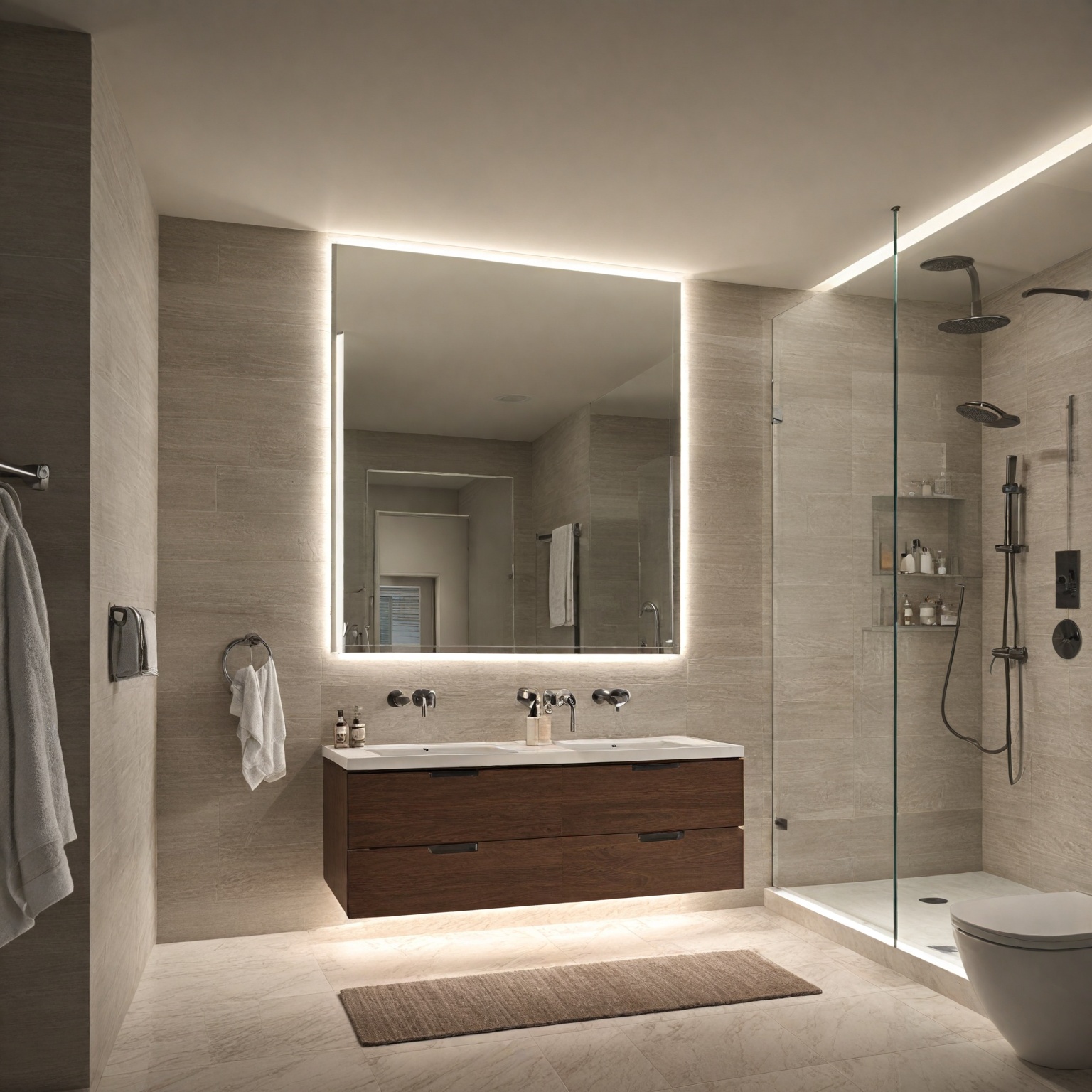
Transforming traditional bathrooms into high-tech havens through smart automation represents a significant advancement in home technology, blending convenience, luxury, and efficiency in one of the most essential spaces of daily life. Bathroom automation leverages Internet of Things (IoT) devices—such as smart showers, toilets, faucets, mirrors, and voice assistants—to enable personalized control over temperature, lighting, hygiene, and safety features, often managed via smartphone apps or voice commands. This integration not only modernizes routine activities but also enhances water conservation, accessibility, and user comfort, reflecting broader trends in smart home innovation.
The evolution of bathroom automation is propelled by advancements in connectivity protocols including Wi-Fi, Bluetooth, Zigbee, and Z-Wave, which facilitate seamless interaction among devices and integration with platforms like Amazon Alexa and Google Assistant. Beyond convenience, smart bathrooms increasingly address safety concerns—particularly for elderly or disabled users—by incorporating sensors that detect hazards and enable remote monitoring, promoting independence and peace of mind. Additionally, features such as automated leak detection and energy-efficient heating contribute to home maintenance and sustainability efforts.
Despite the promising benefits, the proliferation of connected bathroom devices raises notable security and privacy concerns. Many smart bathroom technologies collect sensitive personal data or remain vulnerable to cyberattacks due to inadequate encryption, outdated software, and lax manufacturer security standards. Such risks underscore the importance of robust cybersecurity measures and informed consumer practices to safeguard privacy in spaces traditionally regarded as private.
Looking ahead, the future of bathroom automation is expected to emphasize greater personalization, health monitoring, and seamless integration with broader smart home ecosystems. Emerging innovations aim to create intuitive, adaptable environments that enhance not only daily comfort but also long-term wellbeing and accessibility, signaling a transformative shift in how homeowners experience and interact with their bathrooms.
Overview of Bathroom Automation
Integrating smart technology into bathrooms has revolutionized the way individuals experience and interact with this essential space, transforming daily routines into luxurious and efficient experiences. Bathroom automation connects various smart home devices—including smartphones and voice control assistants—allowing users to customize and control numerous features such as personalized temperature settings and automated bath fill controls. This connectivity provides enhanced convenience, comfort, and a seamless user experience.
The adoption of bathroom automation is supported by advancements in Internet of Things (IoT) technologies, which enable smart devices to communicate and work together through platforms like IFTTT (If This, Then That). IFTTT allows for creating automated actions and integrations not only between physical devices but also between web-based services, increasing the functionality and customization possibilities in smart bathrooms. Despite these benefits, the integration of IoT devices introduces potential vulnerabilities and security risks, underscoring the need for careful implementation and management of smart bathroom technologies.
Industry experts with years of experience in bathroom remodeling emphasize that incorporating smart technology elevates the space significantly by providing trending, convenient, and innovative solutions that cater to modern lifestyles. Smart bathroom devices operate via various communication protocols such as Bluetooth, Wi-Fi, Z-Wave, and Zigbee, and support multiple control methods including dedicated apps and voice commands through platforms like Amazon Alexa. These technologies are continually evolving, reflecting broader trends in home automation and design innovation showcased in events like Design Miami 2023 and forecasts for bathroom trends in 2025.
Key Technologies in High-Tech Bathrooms
High-tech bathrooms incorporate a range of advanced technologies designed to enhance comfort, convenience, safety, and energy efficiency. Among the most prominent innovations are smart showers, smart toilets, and digitally controlled faucets. Smart showers enable users to set precise water temperature, flow rate, and shower duration through a connected device, ensuring consistent water temperature and offering water and energy savings. Similarly, smart toilets come equipped with features such as seat warmers, touch-free automatic lids, night lights, and integrated speakers for entertainment, providing both hygiene and convenience while saving space due to their compact design.
Smart faucets utilize touchless technology and temperature gauges to control water usage efficiently, significantly reducing water waste by preheating or cooling water to the desired temperature before flow begins. These faucets also contribute to minimizing the spread of germs by eliminating the need for physical contact. Integration of aromatherapy diffusers and chromatherapy lighting systems—using adjustable, color-changing LED lights—enhances the ambiance and therapeutic benefits of the bathroom environment, promoting relaxation and mental well-being.
Heating and ventilation have also been transformed by smart technology. Radiant floor heating systems provide consistent warmth underfoot, controlled via smart devices to maintain a comfortable temperature throughout the year. Smart exhaust fans equipped with humidity sensors adjust fan speeds automatically to prevent mold growth and maintain air quality, ensuring a healthier bathroom environment. Additionally, smart mirrors with voice assistant integration allow hands-free control of lighting, defogging, and other features, further enhancing user convenience.
Voice-controlled devices and automation platforms such as Amazon Alexa, Google Voice, and IFTTT enable seamless integration and personalization of bathroom technologies, empowering users to tailor their environment and manage devices effortlessly. Moreover, smart systems designed for accessibility, including adjustable-height sinks, grab bars, and roll-in showers, promote independence and dignity for individuals with mobility challenges.
Benefits of Bathroom Automation
Bathroom automation offers a wide range of benefits that enhance convenience, safety, efficiency, and overall comfort. One of the primary advantages is water conservation; digital faucets with temperature control can reduce water wastage by up to 70% by minimizing the time spent waiting for the desired temperature. Additionally, smart showers allow users to customize water temperature, flow rate, and duration remotely, leading to consistent water use and energy savings.
Safety is a critical aspect improved by bathroom automation, especially for elderly or disabled individuals. The integration of grab bars, non-slip mats, and mobility assistance devices, combined with smart sensors and automated alerts, significantly reduces the risk of falls and injuries. For instance, sensor systems can detect hazards like leaks or environmental threats such as smoke and gas, automatically sending alerts to caregivers or emergency services. This technology fosters peace of mind for both users and caregivers by providing timely warnings and monitoring daily activities and physiological signs remotely.
Automation also enhances accessibility and independence. Voice-controlled devices and mobile apps enable users with limited mobility or dexterity to operate bathroom fixtures such as mirrors, lights, faucets, and showers hands-free. Features like adjustable-height sinks, roll-in showers, and personalized smart controls empower individuals with disabilities to maintain autonomy and dignity while performing daily hygiene tasks. Furthermore, integration with health monitoring systems facilitates communication of vital medical information to healthcare providers, supporting proactive care management.
Beyond practicality, smart bathroom technologies contribute to a luxurious, spa-like experience. Features such as automated toilets with bidets, UV sterilization, and bath fill control elevate hygiene and comfort. Motion-activated lighting and temperature-controlled environments add to the convenience and ambiance, transforming daily routines into relaxing and efficient rituals.
Popular Brands and Products
The smart bathroom market features a variety of popular brands and products that integrate cutting-edge technology to enhance convenience, safety, and comfort. Among the notable brands, Gaoducash and AqaraDirect stand out for offering smart devices compatible with major platforms like Amazon Alexa, ensuring seamless voice control and smart home integration. These products often utilize communication protocols such as Bluetooth, Wi-Fi, Z-Wave, and Zigbee to enable reliable connectivity and control.
Key product categories include smart mirrors, smart toilets, and leak detectors. Smart mirrors, which have gained popularity since 2018, provide features like automated vanity lighting, voice-activated video calls, weather updates, and social media access, all controlled by voice or smartphone apps. Brands often incorporate these features with user-friendly interfaces to modernize bathroom routines.
Smart toilets are equipped with motion sensors for seat operation, temperature-controlled water sprays, automatic dryers, and bidet functions with antibacterial properties. Many models also include UV sterilization and remote control capabilities, elevating hygiene and user comfort. Safety-focused devices such as leak detectors—exemplified by the Flo by Moen Smart Water Detector—alert homeowners to moisture or leaks early, preventing costly damage.
Additional smart bathroom products include automated faucets and showers with personalized settings, heating and ventilation systems, water-saving technologies, and smart lighting options with timers and motion sensors to improve energy efficiency. Many of these devices are designed to integrate easily with existing home automation systems via platforms like Tuya Cloud Smart and HomeSeer, providing comprehensive control and customization for users.
By selecting products from these popular brands and incorporating the latest smart technologies, homeowners can transform their bathrooms into sophisticated, efficient, and highly personalized spaces.
Installation and Integration
Integrating smart technology into bathrooms requires careful consideration of both the hardware and software components to ensure seamless operation and enhanced accessibility. Home automation devices can connect through various communication protocols such as Wi-Fi, Bluetooth, Zigbee, and Z-Wave, each offering unique advantages. While Zigbee and Z-Wave utilize low-energy mesh networks allowing devices to communicate without relying on Wi-Fi or Bluetooth, they necessitate a dedicated receiver on the home network to manage signals between devices. In contrast, many smart home products like smart plugs connect directly to a home’s 2.4GHz Wi-Fi network or use Bluetooth for device-to-device communication, simplifying installation for beginners.
For those beginning their journey into smart bathroom automation, budget-friendly hubs like the Echo Dot offer an accessible entry point despite lacking Zigbee or Z-Wave support, as most devices operate via Wi-Fi or Bluetooth. Centralized control is often achieved through mobile applications or dedicated panels, providing intuitive interfaces that accommodate users with varying levels of dexterity and cognitive abilities, thereby promoting inclusive and independent living.
Physical installation also demands attention to safety and comfort, especially in wet environments like bathrooms. Selecting non-slip linoleum flooring over traditional tiles or wood can reduce accidents and cushion impacts if falls occur, an essential consideration in spaces undergoing smart upgrades for accessibility. Overall, the successful integration of smart technology into bathrooms combines thoughtful hardware selection, accessible user interfaces, and adaptive design principles to create a high-tech, barrier-free environment tailored to individual needs.
Design and Aesthetic Considerations
Incorporating smart technology into bathroom design not only enhances functionality but also elevates the overall aesthetic, creating a modern and inviting space. A key element is the use of sleek, minimalist fixtures such as touch-activated faucets that offer both convenience and water conservation. These faucets seamlessly blend into contemporary or minimalist bathroom styles, adding a sophisticated touch while reducing water waste with simple on/off controls activated by a touch.
Smart bathrooms are increasingly designed as sensory sanctuaries where technology complements natural textures and soft lighting, resulting in an ambiance that goes beyond mere practicality. Designers emphasize the harmonious integration of innovative devices with stylish interior elements, transforming bathrooms into luxurious retreats that appeal to all senses. For instance, premium smart mirrors with minimalist aesthetics, like those from Simplehuman, incorporate features such as automated demisting, adjustable lighting that mimics natural daylight cycles, and embedded clocks and calendars, merging high-tech functionality with elegant design.
When planning the integration of smart technology, it is crucial to consider the balance between form and function. Features like wall-mounted stainless steel fixtures provide a clean and streamlined look while offering energy-efficient operation and easy installation options. These design choices ensure the space remains uncluttered and visually appealing without sacrificing performance.
Professional interior design assistance can be invaluable for blending gadgets smoothly into an alluring and cohesive scheme, helping to achieve a bathroom that is both high-tech and aesthetically pleasing. By thoughtfully combining technology with design, homeowners can create a bathroom environment that feels luxurious, efficient, and welcoming.
Security and Privacy Concerns
The integration of smart devices into bathrooms introduces unique security and privacy challenges that reflect broader issues within the smart home ecosystem. Privacy concerns arise because many smart bathroom devices, such as smart toilets and voice-activated assistants, collect personal data—sometimes continuously listening or recording—which can lead to inadvertent privacy violations if not properly secured. Bathrooms, traditionally private spaces, now contain connected devices that can potentially expose sensitive information, heightening the risk of breaches comparable to other areas of the home.
Smart bathroom devices face vulnerabilities common to many Internet of Things (IoT) technologies. Many operate on outdated or unsupported operating systems, leaving them susceptible to attacks exploiting known security flaws. For instance, smart toilets with features like automated flushing or bidet water flow can be manipulated by hackers to cause repeated flushing or continuous water release, potentially leading to property damage or targeted disruption of specific household members. These attacks demonstrate how deeply integrated IoT devices have become in daily life, extending risks into spaces once considered off-limits for digital intrusion.
Common security weaknesses include inadequate privacy protections, lack of encryption for stored or transmitted data, unpatched software vulnerabilities, and unsecured Wi-Fi connections. Smart devices often connect to third-party platforms, creating additional attack vectors through these integrations. Human factors also contribute significantly to security breaches; lapses such as ignoring software updates, weak passwords, and poor network security practices can expose devices to unauthorized access.
Moreover, the consequences of compromised smart bathroom devices can extend beyond the bathroom itself. Malware infections acquired through one device can spread throughout the home network if Bring Your Own Device (BYOD) policies are weak or if comprehensive security measures are not enforced. This interconnectedness means that a single vulnerability can jeopardize entire home systems, highlighting the importance of holistic security strategies.
To mitigate these risks, experts recommend implementing two-factor authentication (2FA) for smart home hubs and cloud-based apps controlling IoT devices, regularly updating device software and firmware, and ensuring secure, encrypted network connections. Despite these measures, many devices remain vulnerable due to manufacturer negligence, lack of timely updates, and insufficient security standards across the IoT industry. High-profile incidents, such as massive data exposures from improperly secured IoT databases, underscore the persistent nature of these threats.
As smart bathrooms become more widespread, addressing these security and privacy concerns is critical to protect users and maintain trust in home automation technologies. Without proactive and continuous attention to cybersecurity, the convenience and innovation offered by smart bathroom devices could be overshadowed by the risks they pose to personal privacy and home safety.
Challenges and Considerations
When integrating smart technology into bathrooms, several challenges and considerations must be addressed to ensure functionality, safety, and user satisfaction. Unlike other smart home products, bathroom devices such as toilets, showers, and mirrors often require professional installation by plumbers or electricians, which complicates maintenance and repair when malfunctions occur. Additionally, the cost of these products can be significant, so it is essential that the benefits extend beyond novelty or aesthetic appeal to provide tangible improvements in convenience, safety, or efficiency.
Privacy and durability are also critical concerns in the bathroom environment. Given the sensitive nature of the space, users must trust that their data and personal habits remain secure, while devices need to withstand moisture and frequent use. Although research on cybersecurity mainly targets business applications, awareness of potential breaches is useful for consumers aiming to protect their smart bathroom devices and personal information.
Safety considerations are paramount, especially for elderly or disabled users. Designing bathrooms with features that reduce fall risks—such as non-slip flooring materials like linoleum, which offers cushioning and impact reduction—is recommended over traditional tile or wood floors. Modifications such as higher toilets can also provide significant comfort and accessibility benefits. Installing products that prioritize ease of use and care can provide peace of mind for both users and caregivers by minimizing accidents and enhancing independent living.
Finally, assessing individual needs and priorities is a vital step before adopting smart bathroom technologies. Whether the focus is on convenience, energy efficiency, luxury, or safety, tailoring the selection of devices to these preferences can maximize the value and usability of the installation. For those already embracing home automation, enhancing bathroom accessibility naturally complements the broader goals of efficiency and convenience.
Future Trends and Innovations
The future of bathroom
Case Studies and Real-World Examples
Smart bathroom technologies have been increasingly adopted to enhance convenience, accessibility, and safety in homes. One notable application is in the realm of assistive technology, where voice-activated shower systems enable users, including those with disabilities and visual impairments, to control water temperature, pressure, and spray patterns without manual interaction. These systems often feature high-contrast LEDs to assist users in locating controls more easily, exemplifying practical adaptations for diverse user needs.
Several companies have developed advanced smart shower systems integrated with popular voice assistants. For instance, Kohler Konnect technology allows users to manage shower functions and even music playback through voice commands compatible with Amazon Alexa and Google Assistant. Similarly, the Moen U by Moen Smart Shower system supports Amazon Alexa, Google Assistant, and Apple HomeKit, offering personalized presets and temperature control for an enhanced bathing experience. These examples illustrate how voice control and IoT integration are transforming traditional bathroom fixtures into interactive, user-friendly devices.
Beyond comfort and accessibility, smart bathroom devices contribute significantly to home maintenance and security. Leak detectors, such as the Flo by Moen Smart Water Detector, discreetly monitor areas around sinks, toilets, and tubs to detect moisture changes early and alert homeowners, helping prevent costly water damage. Additionally, smart shower systems equipped with anti-scale features maintain consistent water temperature, reducing risks such as burns and improving safety.
In the broader context of smart home environments, research from institutions like Carleton University and the University of Missouri highlights the role of sensor networks in monitoring the health and wellbeing of elderly residents. These systems employ a variety of sensors—magnetic switches, infrared motion detectors, pressure-sensitive mats, and vital sign monitors—to track activity levels and environmental conditions, alerting caregivers to anomalies based on severity tiers. This approach underscores how bathroom automation, when integrated into wider smart home frameworks, supports independent living and health monitoring.
Despite these advancements, challenges such as privacy concerns remain significant, especially given the bathroom’s traditional status as a private space. The need for durable, reliable installations that require professional plumbing or electrical work further complicates widespread adoption. Experts emphasize that beyond the novelty or “wow” factor, smart bathroom products must demonstrate tangible benefits to justify their costs and address privacy and durability issues effectively.
These real-world examples and case studies collectively illustrate the multifaceted potential of smart bathroom technologies to enhance convenience, safety, health monitoring, and home maintenance within the evolving landscape of home automation.
The content is provided by Sierra Knightley, Home Upgrade News