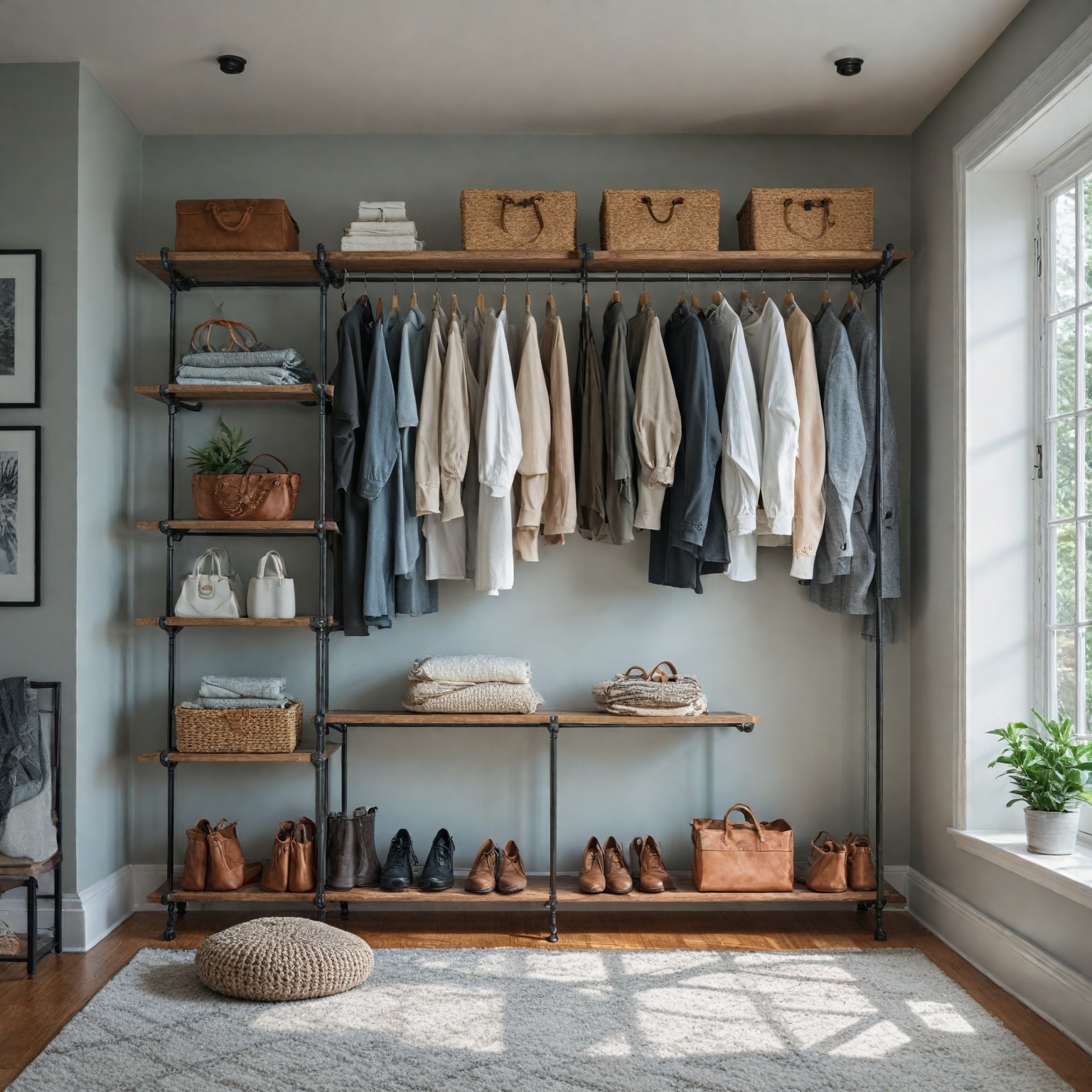
Summary
Adjustable clothing racks are versatile storage solutions designed to optimize closet space by allowing users to customize their size and configuration to accommodate various garment types and quantities. Unlike standard fixed racks, adjustable models offer features such as height and width modification, multiple hanging rods, and integrated shelving, enabling efficient organization and maximizing vertical and horizontal storage capacity in homes and commercial settings. Their flexibility makes them particularly valuable for small living spaces, seasonal wardrobe changes, and dynamic retail environments where adaptable display options are essential.
These racks are constructed from diverse materials including steel, wood, bamboo, aluminum, and plastic, with steel being the most common due to its durability and load-bearing capacity. Innovative designs often incorporate mobility elements like lockable wheels, collapsibility for easy storage, and accessory hooks, enhancing both functionality and user convenience. Adjustable clothing racks also support sustainability by reducing the need for multiple storage units and prolonging furniture lifespan through durable construction and adaptable configurations.
The evolution of adjustable clothing racks reflects a broader historical progression from bulky, fixed wardrobes to space-efficient and multifunctional storage furniture. Modern racks balance practicality with aesthetic appeal and have found applications in diverse settings such as bedrooms, entryways, retail stores, and fashion shows. Additionally, ongoing design advancements address user challenges related to assembly complexity and material handling, striving to improve usability and stability.
Despite their many advantages, adjustable clothing racks face certain limitations including variable durability depending on materials, potential assembly difficulties, and occasional instability when extended or unevenly loaded. Nevertheless, their adaptability, combined with features tailored to enhance garment care and closet organization, has made adjustable clothing racks an increasingly popular solution for maximizing storage efficiency in contemporary living and retail spaces.
Definition and Distinction from Standard Clothing Racks
Adjustable clothing racks are versatile storage solutions designed to accommodate varying amounts and types of garments by allowing users to modify their size or configuration. Unlike standard clothing racks, which typically have a fixed height and width, adjustable racks can expand, contract, or change shape to fit different spaces and clothing needs. This adaptability makes them especially useful for organizing wardrobes efficiently and maximizing closet space. While standard racks are usually constructed from materials like steel, wood, plastic, or aluminum, with steel favored for durability and heavy garment storage, adjustable racks often incorporate mechanisms that enable easy resizing without compromising stability. Additionally, adjustable racks may include extra features such as shelving for shoes and folded items, enhancing their functionality beyond typical fixed racks. They also allow users to spread out garments when items are removed, reducing the immediate need to restock and maintaining a tidy appearance. Some designs integrate smart technology for seamless garment display and information access, highlighting the evolving nature of adjustable racks in retail and home settings.
History of Clothing Storage Furniture
The earliest clothing storage furniture were simple chests used to hold apparel, which evolved particularly in regal palaces and castles into dedicated wardrobes or armoires. Historically, wardrobes were large, ornate pieces crafted from deep woods like mahogany, featuring intricate carvings, shelves, drawers, and hanging rails to store various clothing types. Over time, wardrobes became more functional, typically divided into partitions with shelves on either side and a central section with hanging pegs, drawers, and a clothes press at chest level. Simpler forms such as metal or utility racks have long been used for practical hanging solutions outdoors or indoors. Today’s clothing racks combine this practicality with adjustable features and aesthetic designs offering rods, shelves, and hooks for versatile storage. Advances have led to adjustable racks and shelving systems that maximize storage in limited spaces, building on the progression from bulky wardrobes to customizable, space-efficient solutions catering to diverse needs. Repurposing traditional armoires for modern uses like coat closets highlights the adaptability and enduring value of classic furniture in contemporary homes.
Key Adjustable Features
Adjustable clothing racks provide versatile storage tailored to various garment types and spatial constraints. Height customization allows users to modify rack height to accommodate different garment lengths such as dresses, coats, shirts, or pants, maximizing vertical space efficiency. Many racks feature telescopic designs enabling adjustments in height and length, suitable for indoor and outdoor use, though outdoor placement may require stabilization to prevent tipping. Multiple hanging rods, often adjustable or double-hanging, increase capacity by utilizing vertical space effectively. Sidebars with hooks organize accessories like hats, ties, belts, or jewelry. Adjustable shelving provides flexible space for folded items or shoes, accommodating taller boots or increased shelf numbers. Mobility features include casters with locking mechanisms for easy relocation and stability. Some racks offer interchangeable components like arms or casters for further customization. Protective covers shield clothes from dust, and durable, rust-resistant materials ensure longevity.
Materials and Construction
Adjustable clothing racks are made from steel, wood, plastic, aluminum, bamboo, and other materials, each offering different durability, aesthetics, and functionality. Steel is the most durable, supporting heavy loads and multiple garments without risk of buckling. Steel racks often include shelves for shoes and folded clothes, enhancing versatility. Wood types such as walnut, cherry, rosewood, and ebony have historically been used in storage furniture for their beauty and status symbolism but are less common for hanging racks. Bamboo racks, like the Finnhomy Bamboo Rack, offer a natural, stylish aesthetic but can be challenging to assemble due to the weight of components and susceptibility to splitting, often requiring extra hands and careful handling. Plastic and thin metal racks tend to be less durable and more prone to instability, especially when extended or loaded unevenly. Wheel quality varies, impacting mobility and ease of use, making user reviews on wheels important. Material choice should balance strength, style, and intended use, with robust base constructions available for heavy-duty or commercial use to provide extra stability while minimizing floor space.
Design Principles
Adjustable clothing racks are designed for storage efficiency, flexibility, durability, and usability. Vertical storage optimization allows long garments to hang freely without touching the floor, keeping clothes clean and organized while maximizing capacity. Adjustable width and height provide customization for different spaces and clothing types, though heavier parts may be difficult to maneuver during assembly, and adjustable components require careful handling, especially with materials like bamboo. Durability and stability are ensured through physical testing involving stacking, rotating clothes, and applying pressure, often in collaboration with industry professionals. Materials should balance sturdiness with ease of handling, supported by clear instructions for safer assembly. Incorporating hanging rods and adjustable shelves provides multifunctional storage, allowing flexible organization of clothes and accessories.
Typical Dimensions and Adjustable Ranges
Clothing racks generally range from 5 to 7 feet (60 to 84 inches) in height, providing space for longer garments without wrinkling. Adjustable height options enable users to customize racks based on clothing length, enhancing storage efficiency and garment care. For instance, the Finnhomy Bamboo Rack adjusts from 44 to 66.75 inches in height, with length and width approximately 33.25 to 50 inches and 17.25 inches, respectively, offering additional shelving for accessories. Other models, like the Honey-Can-Do Height-Adjustable Garment Rack, emphasize utilitarian adjustable height at budget-friendly prices. Telescopic designs allow length and height modifications for placement in varied room sizes. Multiple tiers or rods enable simultaneous storage of different garment lengths, reducing clutter and improving access. Width and length typically fall within 30 to 60 inches, providing ample hanging space while fitting smaller rooms. Wheels enhance portability, allowing smooth movement across surfaces for cleaning or repositioning.
Practical Advantages
Adjustable clothing racks maximize closet space and improve organization through flexibility; adjustable shelves and expandable designs let users customize storage for various clothing types and quantities. Portability is enhanced with lockable wheels, facilitating easy rearrangement or movement without heavy lifting. Collapsible and space-saving designs minimize clutter and ease storage when not in use. Durability is ensured with sturdy metal construction and secure fastenings, contrasting with less reliable plastic or thin metal racks prone to instability. Beyond structure, adjustable racks accommodate storage tools like hanging shelves, shoe racks, and drawer dividers to group clothes by category and create designated spots for accessories, supporting a tidy, functional closet. Prioritizing accessibility by placing frequently used items within reach improves daily convenience and closet efficiency.
Real-Life Applications and Case Studies
Adjustable clothing racks are used in living rooms, bedrooms, walk-in closets, laundry rooms, entryways, and cloakrooms for storing clothing, shoes, boots, baskets, suitcases, and accessories. Their metal structures and aesthetic designs suit both functional and decorative purposes across diverse interiors. Durability and usability are tested rigorously through stacking, rotating clothes, and applying forces to ensure stability under heavy use. In commercial retail, racks facilitate shopper browsing by maintaining garments in ready-to-wear condition without folding or repositioning. Wheels enhance mobility across carpeted and hard floors, advantageous in multi-surface environments like offices or boutiques. Adjustable racks support closet organization principles by positioning frequently accessed items within easy reach and using adjustable shelves for seasonal changes or item sizes, aided by shelf dividers and organizers to prevent toppling and maintain order.
Social and Cultural Influences
Cultural factors influence consumer behavior in fashion and clothing storage. For example, Italian consumers’ willingness to pay more for sustainable fashion is driven by collectivism, while Russian consumers are influenced by long-term orientation; power distance, masculinity, and uncertainty avoidance negatively impact Italian consumers’ willingness but not Russians’. Social considerations also affect inclusivity and accessibility, with adaptive apparel addressing needs of consumers with disabilities through features like magnetic closures and sensory-friendly fabrics. Traditional storage furniture, such as wardrobes and chests, historically served as status symbols and family heirlooms crafted from fine woods and intricate carvings, blending utility with aesthetic and social meaning. Awareness of these influences is essential when selecting adjustable racks, which cater to practical needs alongside evolving consumer values and inclusivity trends.
Comparison with Other Closet Storage Solutions
Adjustable clothing racks provide a versatile alternative to traditional closet storage by adding extra space and improving accessibility in bedrooms, entryways, and laundry areas. Unlike fixed shelving or built-in organizers, racks offer portability with rolling wheels that facilitate easy movement across different floor types. While conventional closets focus on vertical storage with shelves and hooks, racks excel in flexible horizontal hanging space for garments, outfit displays, and seasonal organization. Their open design reduces wrinkles and improves garment visibility, suitable for home and retail settings. Key features influencing value include material type, style, and rolling capabilities, with chrome steel racks offering durability and sleek appearance, and rustic designs complementing certain interiors. Testing confirms that quality racks combine sturdy metal structures with practical elements that withstand active use.
Environmental Impact and Sustainability
Adjustable clothing racks promote environmental sustainability through efficient use of space and materials. Collapsible and expandable designs reduce the need for additional furniture, minimizing resource consumption and waste associated with producing multiple units. Rust-proof and weatherproof materials extend lifespan, decreasing replacement frequency and landfill contributions. Durability verified by rigorous testing ensures racks withstand heavy use without premature wear, reducing manufacturing and disposal cycles. Modular components and adjustable shelves allow adaptability to evolving storage needs, helping reduce clutter and waste. Although specific environmental footprint data is limited, design emphasis on lightweight yet robust metal frames balances durability with material efficiency. Features like lockable wheels and protective feet prevent floor damage, indirectly reducing home interior maintenance and supporting sustainable living.
Popular Brands and Products
Adjustable clothing racks come in diverse styles and materials, including metal, iron, wood, alloy steel, aluminum, birch, and carbon steel, offering a range of durability and aesthetics. Many include adjustable height and multiple shelves to maximize storage, with some featuring umbrella holders or wheels for mobility. The Finnhomy Bamboo Rack is notable for its top hanging rack and two lower shelves usable for clothing, books, plants, hats, and shoes. The Honey-Can-Do Height-Adjustable Garment Rack offers budget-friendly, practical functionality. An 8-arm clothing display rack provides adjustable height and sturdy wheels for home or retail use, combining accommodation of various garments with stability. Brand reputation influences consumer trust, with experienced companies delivering reliability and satisfaction. Inclusivity trends have led brands to develop adaptive apparel storage solutions tailored to consumers with disabilities based on age and independence levels.
Installation and Setup
Adjustable clothing racks often include multiple parts that can be heavy and require careful handling during assembly. Users report that instructions are sometimes minimal, occasionally limited to a single photo, complicating setup and extending assembly time. More detailed guidance would improve ease and accuracy. Telescopic designs enable length and height adjustments for space customization. Many models have detachable wheels or pulleys to facilitate movement, though wheels may be removed for added stability. Outdoor use may necessitate weighting to prevent tipping from wind. Structurally, racks may include several rods and shelves (e.g., four rods and seven shelves) for ample storage. Configurations can be straight or L-shaped, allowing room optimization. Given their tall profile, users should ensure adequate space before purchasing. Weighty parts can make moving or adjusting the rack post-assembly challenging, so careful planning is recommended.
Usage Tips and Best Practices
To maximize closet space, consider both functionality and organization when using adjustable clothing racks. Features such as collapsibility, adjustable height, and multiple shelves allow tailoring to individual needs and space constraints. Leave sufficient space between hanging garments to promote air circulation, aiding drying and preventing mustiness. Collapsible racks suit limited spaces or temporary storage, folding away easily when unused. Rolling racks with lockable wheels provide mobility and convenience while maintaining stability when stationary. Prioritize durability and material quality for longevity, with steel preferred for strength and resistance to rust and scratches. Adjustable height and width enable customization for different clothing types and lengths, optimizing vertical and horizontal space. Organize garments by category or usage frequency to enhance accessibility and maintain tidiness. Adjustable racks facilitate outfit display, aiding planning and coordination in personal or retail settings. Features like umbrella holders or extra shelves enhance multifunctional storage options.
Frequently Asked Questions
What types of adjustable clothing racks are available?
Types include short clothes racks, kids clothing racks, and small clothes racks, each tailored to specific clothing sizes and room dimensions. Winged drying racks feature an A-framed base with wings forming fixed T-wing or adjustable gull-wing shapes, offering flexibility for drying or hanging clothes.
Why are collapsible clothing racks popular in fashion shows?
Collapsible racks are favored for portability and ease of use in fast-paced fashion environments, allowing quick setup and adjustment for last-minute garment organization backstage.
Are adjustable clothing racks suitable for limited spaces?
Yes, their adjustable height and width features enable customization to fit small rooms and varying clothing quantities, maximizing closet space efficiently.
The content is provided by Harper Eastwood, Home Upgrade News