Summary of Storage Solutions
Choosing the right shelves for your garage, pantry, or laundry room is essential for maximizing space and enhancing organization. The diverse range of storage options—including wall-mounted, freestanding, and adjustable shelves—allows you to tailor solutions based on the specific requirements of each area. Different materials such as wood, metal, and plastic each have advantages, but selecting the right kind involves balancing durability and aesthetics with your environmental conditions.
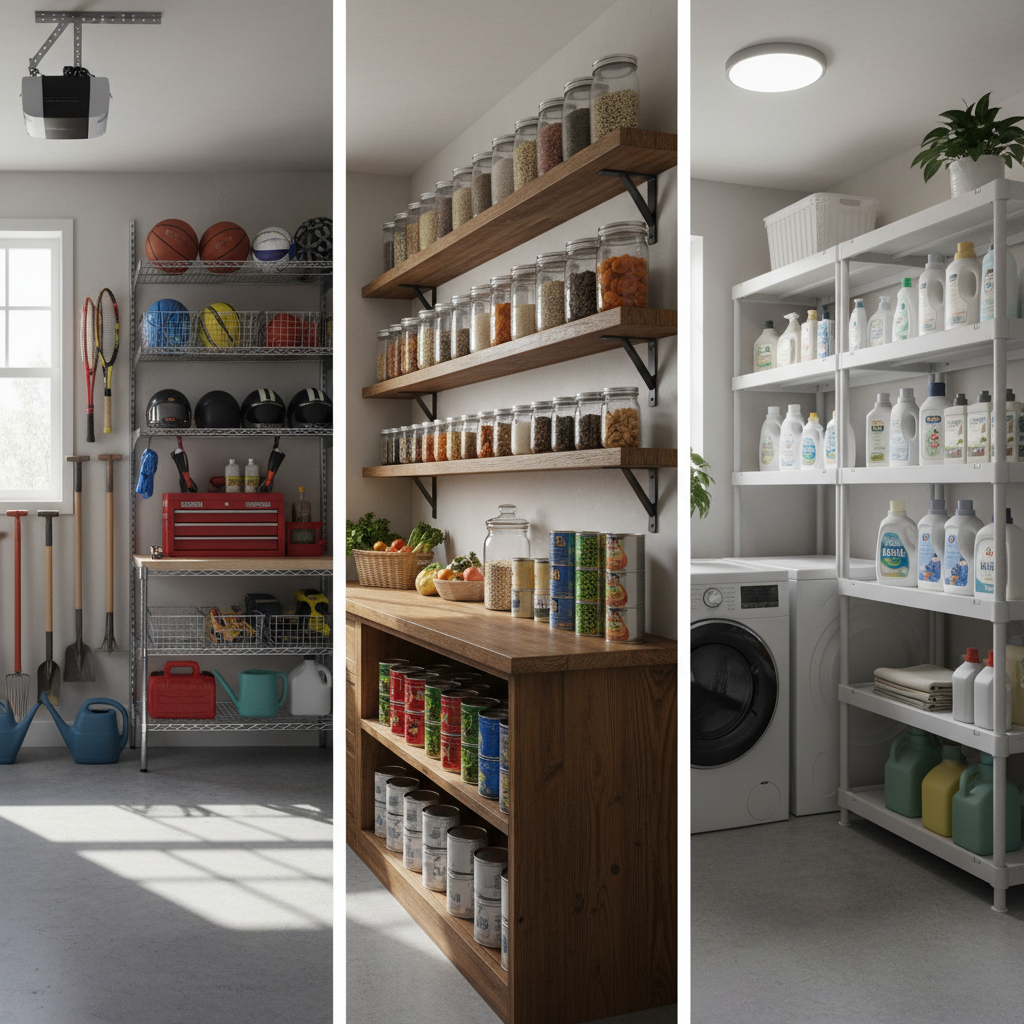
Garages typically require heavy-duty shelving that can withstand bulky items. Steel or metal wire shelves are ideal due to their strength and corrosion resistance. In pantries, adjustable wire or bamboo shelves are advantageous for organizing food items while maintaining optimal conditions, whereas laundry rooms benefit from aesthetically pleasing and durable materials. Considering installation and long-term maintenance helps ensure your storage solution remains effective in the face of moisture and other environmental factors.
Types of Storage Shelves
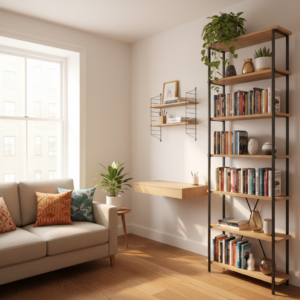
Understanding the various shelf types can guide you towards the best fit for your specific needs. Wall-mounted shelves are excellent for saving floor space, particularly in smaller garages or pantries, but installation might require more effort than freestanding options. Freestanding shelves offer flexibility and ease of rearrangement, making them suitable for diverse household areas.
Adjustable shelves provide customization, allowing you to modify heights based on your items, which is beneficial in maximizing small spaces. Specialty units, such as floating or corner shelves, help utilize otherwise wasted areas effectively. Each of these options serves different functions depending on your layout and storage needs.
Material Considerations
Choosing materials for your shelving impacts both functionality and aesthetics. Metal shelves offer robust support and are often finished to resist corrosion, ideal for environments prone to moisture. Conversely, wood shelves provide a warm, classic appearance but can struggle with humidity, making them less suitable for damp areas like garages.
Plastic shelves are lightweight and moisture-resistant, suitable for areas like bathrooms or pantries, while bamboo offers a sustainable alternative with moisture resistance. Each material matches distinct needs, so consider your environment before deciding.
Space-Specific Shelf Requirements
When selecting shelves for various spaces, consider factors unique to each area. Garage shelves should support heavy equipment while ensuring easy access. High-quality metal cabinets or freestanding units can accommodate heavy loads effectively. In pantries, shelves should accommodate diverse food items while maintaining low humidity to extend shelf life.
Laundry rooms benefit from appealing shelving that can still withstand moisture. Choosing the right materials and configurations for your specific space helps maintain organization and accessibility.
Installation and Maintenance
Proper installation and ongoing maintenance are crucial for shelf longevity. The complexity varies by material; wood and laminate are easier for DIY projects, while heavy-duty metal may need professional expertise. Secure mounting is vital to prevent sagging or collapse; ensuring shelves are anchored into studs provides stability.
Maintenance also depends on the material and environment. Moisture-prone areas need shelves with corrosion-resistant features to ensure durability. Wood shelves, on the other hand, may need periodic sealing to maintain their integrity. Understanding these requirements ensures your shelving remains safe and functional over time.
Organizing Strategies Using Shelves
Effective organization starts by assessing your storage needs and modifying your shelves accordingly. Categorizing items and utilizing bins or labels in pantries can streamline access and inventory management. In garages, the choice between wall-mounted or freestanding shelves allows for flexibility in managing space effectively.
Adjustable shelves enhance usability across any area, making it easy to reconfigure as storage needs change. A thoughtful approach to organization optimizes accessibility and keeps your spaces orderly.
Size and Weight Capacities
When choosing shelves, consider both size and weight capacities to ensure they meet your storage needs. Pantry shelves typically range from 8” to 13” deep to accommodate various food items, but adjusting depth based on the container sizes is crucial.
In garages, prioritize heavy-duty options that can withstand significant weight. Understanding and adjusting for the weight capacity of your shelving enhances both safety and functionality, particularly if you plan to store bulky equipment.
Accessories and Customization
Accessories can significantly enhance shelf functionality. In garages, items like hooks and rack systems help maximize vertical space and organize tools effectively. For pantries, incorporating organizers, bins, and labeling systems keeps everything accessible and tidy.
Cost and Budget Considerations
Your budget should guide your selection process. While wire shelving is often the most economical choice, solid wood or custom shelves offer a polished look for a higher price. Evaluate the long-term durability and maintenance needs of different materials to find the best fit for your budget.
Installation complexities can also influence overall costs; opting for shelf systems that allow for DIY installation can save labor expenses. Balancing your budget with durability and functionality will help you determine the best shelving solution for your needs.
Environmental Impact and Sustainability
Considering the environmental impact of your shelving choices is increasingly relevant. Opting for durable and sustainable materials minimizes waste and promotes resource conservation. Each material has its ecological footprint, making it essential to weigh durability against environmental consequences.
Choosing materials like durable steel can enhance longevity, while maintaining proper conditions for stored goods also contributes to sustainability. Aligning safety, efficiency, and environmental considerations ensures a holistic approach to your shelving choices.
The content is provided by Sierra Knightley, Home Upgrade News