Summary
Empowering Care: How SmartThings Supports Our Loved Ones is a Samsung initiative leveraging the SmartThings smart home platform to enhance caregiving through connected technology. By integrating smart devices, AI, and role-based features within the SmartThings app on Galaxy smartphones, the program enables caregivers to remotely monitor, assist, and maintain the well-being of older adults or those requiring care while respecting their autonomy and privacy. The service’s comprehensive tools include activity detection, location alerts, medication reminders, and health data integration, fostering safer and more independent living environments.
Notable for its user-centered design, SmartThings Family Care allows caregivers and care recipients to access tailored functionalities that facilitate communication, routine management, and emergency response. This initiative addresses the growing societal need for innovative solutions amid aging populations and dispersed families, offering peace of mind and streamlined caregiving regardless of physical distance. The platform’s integration with a wide range of smart devices, including Samsung appliances and robot vacuums, further extends its utility in supporting daily living and health management.
While the technology presents significant benefits, including energy efficiency and enhanced safety, challenges such as usability barriers, cost, social acceptance, and data privacy concerns remain critical considerations. Samsung implements rigorous security protocols to protect sensitive user information and provides customizable privacy controls to balance support with individual autonomy. These efforts aim to build trust and encourage broader adoption among caregivers and care recipients.
Looking ahead, SmartThings continues to evolve with plans to deepen healthcare integrations via the Internet of SmartThings in Healthcare (IOSTIH) concept, employing AI-driven analytics for real-time health insights. Alongside sustainability initiatives and ecosystem expansions, these advancements position SmartThings as a leading platform in smart caregiving and connected living solutions.
Overview of SmartThings
SmartThings is a comprehensive smart home platform that enables users to organize and control their connected devices efficiently. Through the SmartThings app, users can manage devices by room, view live streaming from cameras, set up and run routines, and explore a marketplace featuring nearly 200 compatible devices. A notable feature of the app is the integrated Smart Home Monitor, which provides a unified home monitoring solution for enhanced security and convenience.
One of the key initiatives within the SmartThings ecosystem is SmartThings Energy, which allows users to measure, manage, and reduce their energy consumption through connected Samsung appliances and other compatible devices. This service extends beyond simple energy tracking by partnering with utility providers and grid-service programs to help users lower energy costs, earn rewards, and contribute to reducing demand on the power grid. The goal of SmartThings Energy is to empower consumers with greater visibility and control over their energy use, ultimately supporting sustainability and reducing carbon footprints.
In addition to energy management, SmartThings integrates advanced AI technology to address the challenges of an aging society, aiming to improve the quality of life for users and their loved ones. This is exemplified by initiatives such as Family Care, which leverages smart technology to provide more intuitive and supportive care solutions for older adults and their families.
The Empowering Care Initiative
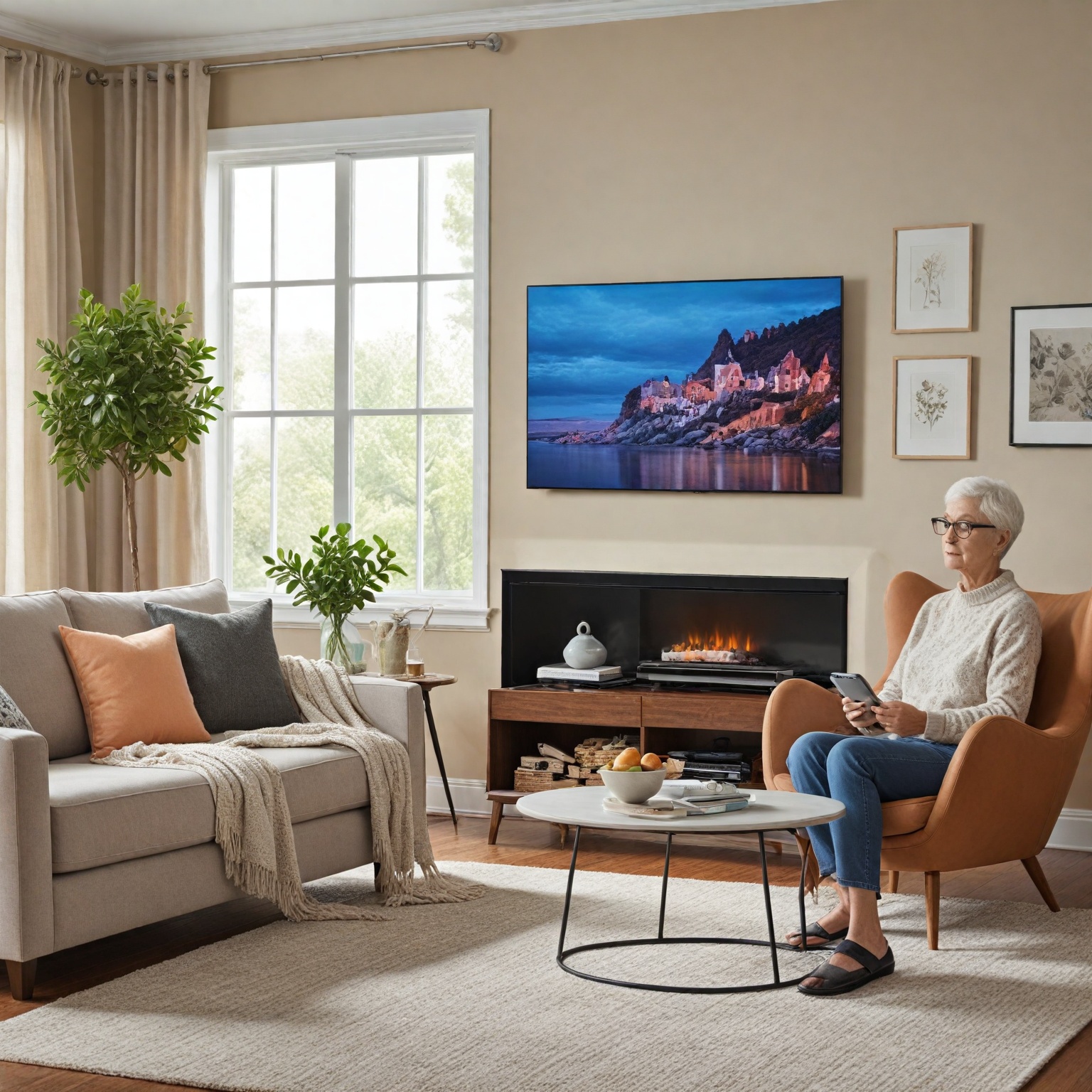
Samsung’s Empowering Care Initiative, embodied by the SmartThings Family Care service, is designed to enhance caregiving by leveraging connected technology to support both caregivers and care recipients. This initiative aims to bring peace of mind to caregivers while promoting autonomy and privacy for those receiving care through a suite of role-based features and real-time insights integrated within the SmartThings app on Galaxy smartphones.
SmartThings Family Care allows caregivers to monitor daily routines, track locations, receive alerts, and manage schedules efficiently. Care recipients maintain control over what information they share, preserving their independence while still benefiting from proactive support. The service organizes activities, locations, and schedules into intuitive tabs for faster access, and offers separate modes tailored to the needs of caregivers and care recipients, ensuring that each user accesses relevant tools and insights.
In addition to these caregiving functionalities, the initiative facilitates seamless family connection by enabling caregivers to invite loved ones using a single invitation link with guided onboarding, simplifying setup even for those unfamiliar with technology or living remotely. Integration with SmartThings-connected devices, including TVs and home appliances, extends the platform’s reach, providing notifications related to activity, medication, and appointments, which are particularly valuable for families living apart.
SmartThings Technologies Supporting Caregiving
SmartThings Family Care is an integrated service within the SmartThings app on Samsung Galaxy smartphones, designed to enhance caregiving by enabling remote monitoring and support for loved ones. It leverages Samsung’s connected living platform by linking smart home devices, TVs, and appliances to provide comprehensive and proactive care solutions.
One of the core features of SmartThings Family Care is advanced activity detection, which monitors home activities such as whether a TV or appliance has been turned on. Caregivers can customize inactivity detection intervals to receive alerts if a loved one has not been active within a set timeframe, providing peace of mind without requiring constant direct communication. Additionally, Samsung robot vacuums equipped with cameras can be remotely deployed to visually check on the care recipient, offering a novel layer of passive monitoring.
The service also offers location-based alerts, allowing caregivers to register important places such as hospitals, pharmacies, and cultural venues. Notifications are sent when the care recipient arrives at or leaves these locations, helping caregivers ensure their safety and stay connected even when they live apart. With the care recipient’s consent, caregivers can monitor real-time routes and visit histories, enhancing safety without compromising autonomy.
Medication and appointment reminders are another vital aspect of SmartThings Family Care. Caregivers can schedule reminders for medications, blood pressure or glucose checks, and medical appointments, which are then displayed on Galaxy smartphones or Samsung TVs. This feature helps ensure that essential health management tasks are not overlooked.
Integration with Samsung Health enables caregivers to track additional health metrics such as wake-up times, sleep patterns, and step counts, supporting a more holistic understanding of the care recipient’s well-being. This integration facilitates a proactive approach to health management while respecting privacy by allowing care recipients to choose what information to share.
Beyond health and safety, SmartThings Family Care supports social connection by enabling shared reminders for special moments like family gatherings or routine check-ins. This helps maintain emotional ties and supports the mental well-being of both caregivers and care recipients.
SmartThings’ use of connected devices also extends to automations that improve daily living, such as activating air purifiers when outdoor air quality drops or turning off induction stoves left on unintentionally. These automations contribute to safer and more efficient home environments, particularly benefiting elderly individuals aging in place.
Caregiving Support and Remote Health Monitoring
SmartThings offers a comprehensive caregiving support system designed to help caregivers monitor and assist their loved ones remotely through an integrated suite of features. The SmartThings Family Care service, accessible via the SmartThings app on Galaxy smartphones, enables caregivers to track important health and daily activity data such as wake-up times, sleep patterns, and step counts by integrating with Samsung Health. This seamless integration provides caregivers with a holistic view of the care recipient’s well-being while respecting their privacy and autonomy by allowing them to control what information is shared.
The platform also enhances home management by organizing and controlling connected devices by room, enabling caregivers to set up routines and receive real-time notifications through features like Smart Home Monitor, an integrated home monitoring solution. Location-based alerts further allow caregivers to stay connected with their loved ones’ whereabouts, providing reassurance through routine monitoring and location tracking while supporting autonomy.
Automation capabilities empower caregivers to improve daily life and safety; for example, by scheduling appliance shutdowns to conserve energy when the home is empty or activating air purifiers in response to poor outdoor air quality. These smart automations not only facilitate energy efficiency but also contribute to a healthier living environment for care recipients.
Additionally, SmartThings supports medical alert functionalities that act as safety nets, offering emergency assistance via wearable buttons, fall detection sensors, or voice commands, which connect users to 24/7 monitoring centers staffed by trained professionals. This integration of remote health monitoring and emergency response within the SmartThings ecosystem provides caregivers with peace of mind and the ability to respond promptly to urgent situations.
Data Privacy and Security Measures
Samsung Electronics prioritizes user privacy and implements comprehensive measures to protect personal information collected through SmartThings services. The SmartThings platform gathers various types of data, including usage information related to SmartThings Family Care features such as medication schedules, medical visits, step counts, and symptoms. With explicit consent from care recipients, additional data such as device geolocation, usage details, and activity logs may also be shared with caregivers when utilizing place notifications, thus maintaining a balance between support and autonomy.
To safeguard sensitive data, SmartThings enforces stringent security requirements for devices connected to its cloud. These requirements include secure storage of data both in software and hardware-backed environments, ensuring the confidentiality and integrity of information from unauthorized access. Cryptographic keys are encrypted and stored securely, and each device is uniquely identified to prevent impersonation. Furthermore, mutual authentication between devices and the SmartThings cloud is mandated through certificate-based protocols. Local device ports, such as USB, serial, and JTAG, are either disabled or adequately protected against unauthorized use to mitigate security risks.
Data retention policies are aligned with legal and contractual obligations, with data maintained for as long as necessary to provide services. Information sharing with third parties occurs only with the user’s explicit consent or at their direction, reinforcing user control over personal data. Additionally, SmartThings empowers consumers by allowing them to customize their experiences fully, including selecting which devices participate and how they respond during events such as demand response (DR), thus reinforcing user autonomy and privacy.
Real-World Applications and Case Studies
SmartThings technology has been leveraged in various real-world contexts to support caregiving and enhance the independence and well-being of older adults and patients. One prominent application is the integration of SmartThings Family Care, which offers tailored modes for both caregivers and care recipients. This platform enables caregivers to monitor daily routines, receive timely alerts, track locations, and manage schedules remotely, while care recipients retain control over what personal information is shared, thus maintaining autonomy and privacy. The ease of setup, including single invitation links with guided onboarding, facilitates connectivity among family members regardless of their technical expertise or geographic location.
Beyond remote monitoring, SmartThings supports passive health monitoring systems that do not require active user interaction, an advantage particularly relevant for older adults who may face challenges with complex technology. These systems can track vital signs, cognitive functions, and general health indicators, thereby providing critical support during the aging process and enabling compensatory rehabilitation to sustain independence in daily activities. However, challenges such as limited availability, high costs, and technical issues remain barriers to widespread adoption.
In a broader healthcare context, GE Healthcare’s Edison Platform exemplifies how aggregated healthcare data—including genomics, electronic medical records, imaging, and diagnostics—can be harnessed via artificial intelligence to deliver precision health services throughout a patient’s lifecycle, from diagnosis to monitoring. This approach aligns with the vision of the Internet of SmartThings in Healthcare (IOSTIH), which emphasizes the combination of smart devices in healthcare to provide comprehensive, data-driven support.
Case studies from European countries illustrate the positive impact of home care robots and related assistive technologies in socially supporting elderly individuals, highlighting improvements in independence and reduced caregiving demands. Nevertheless, user acceptance varies, influenced by individual preferences for autonomy versus receiving care, concerns about obtrusiveness, usability, social acceptance, costs, and potential effects on personal relationships.
Benefits of Using SmartThings for Caregiving
SmartThings offers a comprehensive caregiving solution that enhances both the caregiver’s and care recipient’s quality of life by providing a more personalized and proactive approach to health management. Integrated into the SmartThings app on Galaxy smartphones and connected devices, the platform allows caregivers to monitor routines, manage medication schedules, track locations, and coordinate appointments, all while enabling care recipients to maintain autonomy by choosing what information to share.
One of the key benefits of SmartThings is its role-based design, which ensures that caregivers and care recipients have access to tailored tools and insights suited to their needs. This design supports independent living by allowing older adults or those with chronic conditions to self-manage aspects of their health while still receiving timely support and assistance when needed. Real-time alerts notify caregivers of any deviations from normal routines or potential safety concerns, such as falls or wandering, providing peace of mind and reducing the need for constant physical supervision.
Moreover, SmartThings Family Care’s global availability and integration with IoT-enabled household devices enable continuous monitoring and regulation of residents’ movements and habits. This connectivity fosters a safer environment that adapts to individual needs, supporting healthier lifestyles and promoting independence. The system also helps ease the caregiving experience by streamlining daily routines and reducing stress through timely communication and coordination features accessible from anywhere via the SmartThings app.
Despite some challenges common to smart home health technologies—such as concerns about usability, obtrusiveness, and social acceptance—SmartThings addresses these by offering user-friendly interfaces and privacy controls that empower users to control data sharing. This balance enhances acceptance and fosters trust between caregivers and care recipients. Overall, SmartThings provides a meaningful, efficient, and supportive toolset that alleviates caregiver burden while respecting the autonomy and dignity of those receiving care.
Challenges and Limitations
Smart home health technologies (SHHTs), including platforms like SmartThings, offer significant potential in supporting caregivers and older adults by enabling continuous monitoring, generating health-related reminders, and providing enhanced communication channels. However, several challenges and limitations hinder their widespread adoption and optimal use.
One major challenge is the obtrusiveness and usability issues associated with these technologies. Users often encounter technical problems, such as device malfunctions or difficulties in setup, which can diminish the user experience and limit the technology’s effectiveness. Additionally, the need for expert setup, user preference customization, and ongoing technical support further complicate their use, especially for older adults who may lack technical proficiency.
Cost is another significant barrier. Many SHHTs, including passive monitoring systems that do not require active user interaction, remain expensive and are not widely available across all countries. Their price, combined with the need for continuous add-on services, restricts accessibility for many families.
Social acceptance also plays a crucial role in the adoption of these technologies. There are concerns and regrets related to the potential loss of social connectedness, as some older adults fear that technology might replace the care and attention traditionally provided by loved ones. This emotional aspect can limit acceptance and use of SHHTs despite their functional benefits. Interestingly, family caregivers themselves generally do not believe that technology would weaken their commitment but rather see it as a supplementary aid.
Privacy and security represent additional challenges. Platforms such as SmartThings must comply with strict requirements for secure data storage, device authentication, and protection against unauthorized access. Ensuring the confidentiality and integrity of sensitive personal and health data requires robust hardware-backed encryption, mutual authentication, and secure management of device ports. These security requirements add complexity to device design and integration, which can affect deployment and user trust.
Future Developments and Innovations
SmartThings continues to evolve its platform with a strong focus on enhancing caregiving through advanced technology and expanded integrations. A key future development is the creation of an Internet of SmartThings in Healthcare (IOSTIH), which aims to collect continuous health data from wearables, sensors, and medical devices. This data will be processed by AI algorithms in real-time to generate valuable health insights, improving both monitoring and decision-making for caregivers and care recipients alike.
In addition to health data integration, SmartThings is expanding role-based features that cater separately to caregivers and care recipients, ensuring tailored access to tools and insights for each user. These innovations include real-time alerts and deeper health integrations, designed to make caregiving more manageable and effective while providing peace of mind through remote monitoring capabilities available via the SmartThings app and Galaxy phones.
Another significant advancement
The content is provided by Blake Sterling, Home Upgrade News