Summary
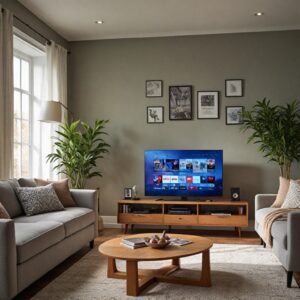
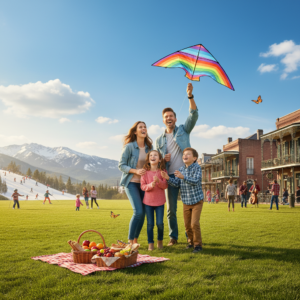
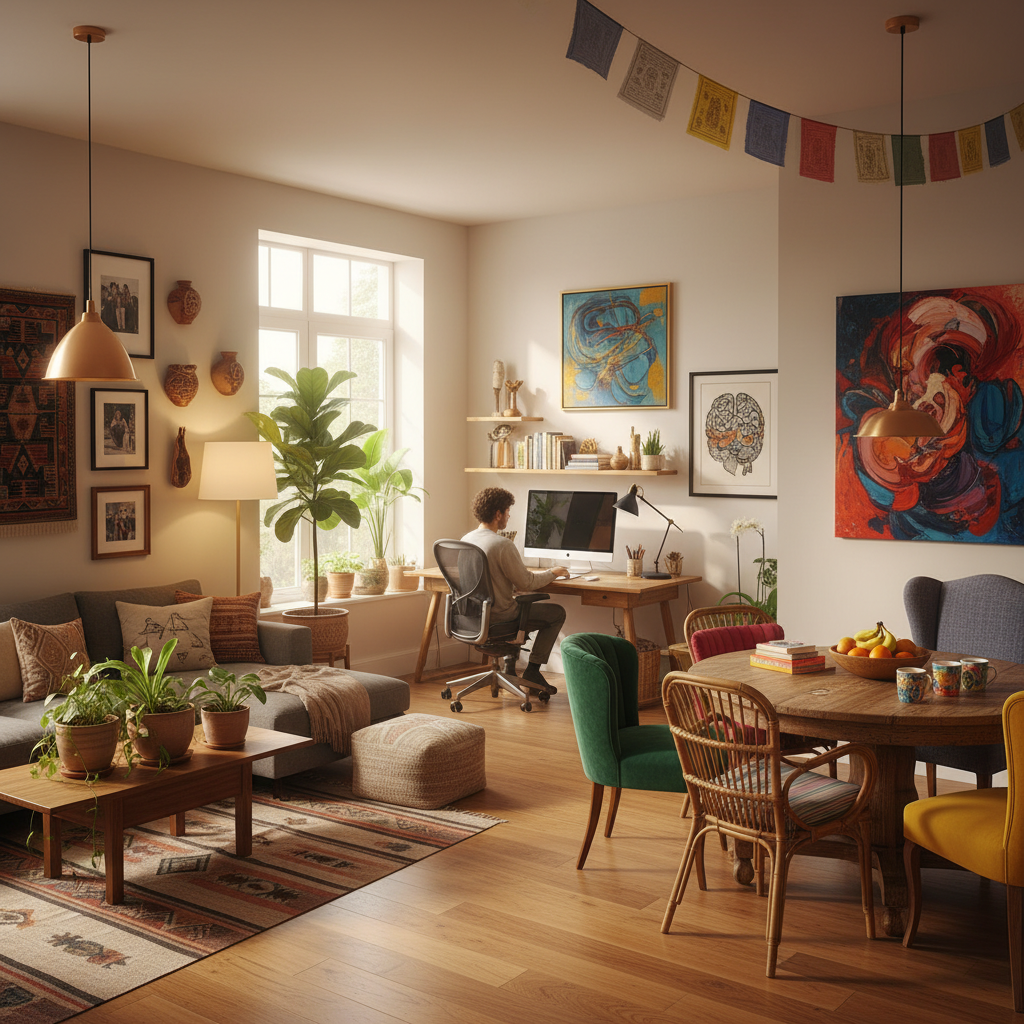
One, Two, or Three: Is It Time to Elevate Your Space explores how thoughtful spatial design can enhance human experience and cultural expression. By applying principles like visual hierarchy and the tripartite concept of “first,” “second,” and “third” spaces—home, work, and social environments—designers can create spaces that resonate on a psychological and emotional level. This approach not only transforms environments but nurtures connections that reflect personal and communal identities while honoring cultural roots.
Concept and Meaning
Space in design transcends mere physical dimensions; it shapes flow, purpose, and emotional response. At its core, space is the foundation upon which design elements are placed—without appropriate spatial considerations, a room can feel constrained. Understanding how physical and social dimensions interlink allows designers to create experiences that enhance interaction and engagement.
Origin and Usage
The principle of grouping design elements in threes—or “omne trium perfectum”—suggests that sets of three create visual appeal and completeness. Historical examples, such as ancient Greek agoras, demonstrate the importance of spatial arrangements in fostering community interaction. Modern design continues this tradition by integrating cultural insights and historical context into structured environments here and now.
Design Principles and Strategies
Fundamental design principles guide the creation of cohesive and functional spaces. Recent trends focus on emotional connections through tactile furniture and layers of textures, enhancing the overall inhabitant experience. Effective color selection offers a versatile canvas that allows for adaptability over time, while budget-friendly strategies like refurbishing and mixing styles can maximize visual impact.
Practical Applications and Examples
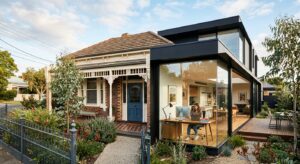
Small changes—like updating fixtures or simplifying layouts—can significantly elevate a space without overwhelming budgets or resources. Utilizing color palettes based on the rule of threes allows for cohesive aesthetics. Sustainable choices, such as reclaimed materials, contribute both texture and environmental responsibility to modern design. Furthermore, architectural examples, like adaptive reuse projects, illustrate practical applications of innovative structures.
Cultural Perspectives on Elevating Spaces
Deep engagement with cultural traditions enriches space design. Recognizing how diverse customs shape spatial organization and social interactions results in authentic and respectful environments. Genuine cultural appreciation emerges from thorough research and community engagement, creating spaces that resonate with individual and collective identities.
Influence on Modern Architecture and Interior Design
Modern architecture reflects a synthesis of cultural heritage and contemporary principles, with a focus on functionality and emotional engagement. Designers incorporate cultural narratives into their work, ensuring spaces honor histories and social contexts while prioritizing user experience. The interplay of location identity enhances community connection and belonging.
Design Elements Derived from Traditional Elevation Practices
Architectural elevations serve not just as technical documents but as artistic expressions that convey the harmony of scale, proportion, and materials. Focusing on human comfort remains crucial, balancing grand designs with accessible details. Using materials that reflect cultural and sustainability values enhances the storytelling aspect of design.
Reception and Impact
The campaign’s focus on creating inclusive spaces has led to significant positive engagement and social interaction. By utilizing design storytelling to connect users with their environments, the campaign fosters a sense of belonging while emphasizing social equity and shared experiences.
Related Concepts and Works
Interior design transcends aesthetics by integrating safety, functionality, and cultural narratives. Principles like rhythm and balance guide the creation of inviting environments, while honoring diverse craftsmanship allows for a rich tapestry of experiences. Concepts like the “Third Space” continue to challenge traditional definitions of social environments, inviting deeper reflection on space use and interaction.
The content is provided by Jordan Fields, Home Upgrade News