Summary
Transform Your Home with 5 Simple Upgrades That Boost Its Value is a practical guide focused on cost-effective home improvements that enhance property value, comfort, and market appeal. In an evolving real estate market, simple upgrades—ranging from garage door replacements to energy efficiency enhancements—offer homeowners and investors strategic opportunities to increase their home’s resale price while improving everyday living conditions. By prioritizing projects with strong returns on investment (ROI), such as exterior maintenance and functional space optimization, the guide emphasizes balancing aesthetic appeal with foundational infrastructure improvements.
The guide highlights five key upgrades that consistently deliver high value: replacing garage doors, improving curb appeal through exterior maintenance, undertaking cost-effective interior improvements, investing in energy-efficient systems, and adding or optimizing functional living spaces. Each upgrade is presented with considerations on cost, ROI, and buyer preferences, illustrating how targeted renovations can maximize both financial and lifestyle benefits. For example, garage door replacement can recoup approximately 95% of its cost at resale, while energy-efficient improvements increasingly attract environmentally conscious buyers.
Recognizing regional market variations and buyer demands, the guide advises homeowners to align upgrades with local real estate trends and consult professionals to ensure improvements meet market expectations. It also cautions against over-investing or making changes that may reduce value—such as converting garages into living spaces—which might not resonate with typical buyers. Additionally, the guide explores appraisal methods, including sales comparison and cost approaches, to help homeowners understand how renovations influence property valuation.
Overall, the article underscores the importance of strategic, well-planned home upgrades that enhance both curb appeal and functional efficiency. By focusing on affordable yet impactful improvements, homeowners can increase their property’s market value while improving comfort and sustainability, positioning their homes competitively in today’s real estate landscape.
Importance of Simple Home Upgrades in Increasing Property Value
Simple home upgrades play a crucial role in enhancing the overall value of a property. When executed properly, standard exterior and interior improvements can significantly increase curb appeal, improve the functionality of the home, and reduce ongoing energy costs, all of which are attractive features to potential buyers. These upgrades not only make a house more appealing aesthetically but also contribute to its operational efficiency and comfort.
Maintaining and updating key home systems such as roofing, heating, cooling, and plumbing is essential for preserving and boosting property value. Neglecting these critical components can lead to major issues that detract from the home’s worth. Many buyers prioritize homes that have these foundational systems upgraded, viewing them as indicators of a well-maintained and modernized residence. This highlights the importance of selecting upgrades that address both cosmetic appeal and core infrastructure.
In addition to traditional improvements, recent shifts in lifestyle have made features like home offices and enhanced outdoor spaces particularly desirable. Renovations that reflect these contemporary demands tend to yield higher returns on investment. Homeowners should consider whether an upgrade adds daily convenience or aesthetic joy, as these factors often correlate with the value buyers are willing to pay. Aligning renovation choices with local market trends and consulting experienced real estate professionals can help ensure upgrades meet current buyer preferences.
Despite the benefits, homeowners and investors must be cautious when selecting projects, as value gains depend on buyer demand and how well additions integrate with the existing space. Tools such as home design software can assist in planning renovations that maximize livability and resale value. For investors remodeling rental properties, well-chosen improvements can increase both sale prices and rental income, enhancing overall return on investment.
Overview of Five Simple Upgrades That Boost Home Value and Comfort
Many standard exterior improvements, when executed properly, can significantly enhance both the value and comfort of a home. These upgrades typically improve functionality, increase curb appeal, and reduce energy costs, making them attractive investments for homeowners. Selecting the right improvements involves considering their return on investment (ROI), ensuring that chosen projects yield the greatest financial benefit upon resale.
A curated list of the best exterior upgrades ranks these improvements starting from those with the highest ROI, guiding homeowners to make informed decisions. By implementing these five simple upgrades, homeowners can refresh their property’s appearance while potentially increasing market value and overall comfort.
Upgrade 1: Garage Door Replacement
Replacing an outdated or worn garage door is one of the most effective home improvements for increasing property value, offering an impressive ROI of over 100% in some cases. On average, a new garage door can add approximately $8,900 to a home’s resale value while costing around $3,700 to install, resulting in a strong value-to-cost ratio with about 95% of the investment recouped at sale. This makes garage door replacement both affordable and a top priority for homeowners looking to maximize market appeal.
Curb appeal plays a critical role in attracting potential buyers, with 99% of participants in a National Association of Realtors survey confirming its importance. An upgraded garage door significantly enhances exterior appearance, making a home more inviting. The average cost for a new garage door can vary, with prices around $1,120 depending on style and materials.
Beyond aesthetics, energy efficiency is a key consideration. Modern insulated doors, especially those with polyurethane foam insulation, provide excellent thermal resistance with R-values reaching up to 11. This insulation helps maintain stable indoor temperatures and reduce energy bills. Polyurethane-insulated steel doors combine durability with superior energy efficiency, outperforming other insulation types like polystyrene-sandwiched models.
With growing buyer interest in eco-friendly and energy-saving features, upgrading to an insulated, energy-efficient garage door can increase sustainability and appeal to environmentally conscious purchasers. These improvements also reduce noise and enhance home comfort.
Upgrade 2: Enhancing Curb Appeal Through Exterior Maintenance
Enhancing curb appeal is one of the most effective ways to increase a home’s value and attractiveness to potential buyers. Simple and affordable exterior maintenance tasks can create a polished, welcoming appearance that sets a positive first impression.
Painting or repainting the exterior and trim is a straightforward improvement. A fresh coat of paint, typically costing around $35 per gallon, can dramatically refresh the home’s look and add timeless appeal, especially when using neutral colors attractive to a broad range of buyers. Complementary outdoor decor such as birdbaths, sculptures, or water features can further elevate aesthetics and create a relaxing environment.
Routine cleaning also plays a significant role. Pressure washing exterior walls, driveways, sidewalks, patios, and decks removes dirt, mold, and grime, revitalizing appearance. This service generally costs between $100 and $360 but can make a noticeable difference. For urban properties, adding functional upgrades like a concrete parking pad (around $1,200) enhances both practicality and resale value.
Replacing smaller elements like house numbers is another inexpensive yet impactful improvement. New or DIY house numbers that complement the exterior style contribute to a finished and cared-for look.
Upgrade 3: Cost-Effective Interior Improvements
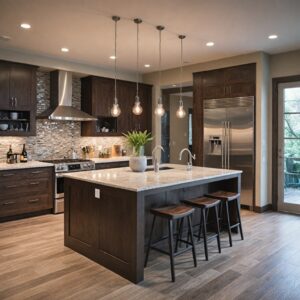
Cost-effective interior improvements are practical ways to boost home value without extensive renovations. Mid-range upgrades appealing to a broad range of buyers can deliver significant returns while keeping investment reasonable. Simple projects like painting walls or cabinets, updating fixtures, and improving lighting can refresh key spaces such as kitchens and bathrooms, which heavily influence buyer interest and resale value.
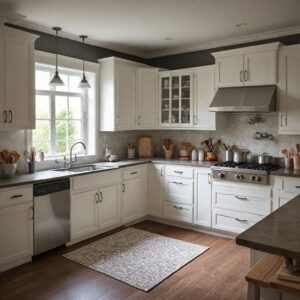
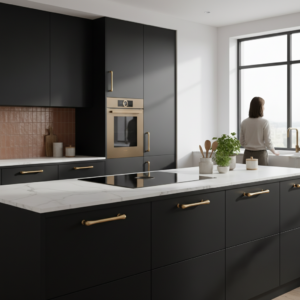
Repainting kitchen cabinets is a low-cost DIY project that can dramatically enhance appearance. It typically involves minimal materials but can increase sale price by thousands. Refinishing or refacing cabinets and adding new hardware modernizes the look without high expense. Bathroom remodels including new fixtures, fresh paint, and re-grouting tubs can recoup up to 93.5% of the investment, offering one of the highest returns.
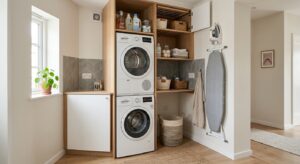
Converting underutilized spaces such as basements or attics into functional living areas can add valuable square footage and appeal. Finishing a basement, for example, can cost around $57,500 but yield an 86% ROI by increasing livable space without expanding the footprint. These versatile upgrades help buyers envision personalizing the home, increasing marketability.
It is important to select interior projects fitting the home’s layout and target buyer market. Over-investing in high-end materials may not translate to higher resale value unless the home is positioned in a luxury segment. Focusing on repairs and improvements that enhance functionality and visual appeal maximizes return while avoiding costly overcapitalization.
Upgrade 4: Energy Efficiency Improvements
Energy efficiency improvements have become significant in increasing resale value, as more buyers prioritize green features and cost-saving upgrades. Upgrading to energy-efficient options lowers utility bills and enhances sustainability, making the property attractive to buyers.
Key areas include HVAC systems, windows, and water fixtures. HVAC systems represent a major component of energy use and utility costs. Average replacement can range from $7,500 to over $17,000, with multi-zone systems appealing for their energy-saving potential. Smart thermostats integrated with home automation reduce wasted energy and increase convenience.
Windows are critical for energy efficiency. Replacing drafty, single-pane windows with Energy Star-rated models significantly reduces energy costs and may qualify homeowners for green energy tax credits. Although window replacement might not dramatically increase asking price, neglecting it can decrease value.
Water-saving fixtures like low-flow toilets contribute to resource efficiency, appealing to environmentally conscious buyers. Eco-friendly building materials, such as insulated garage doors made with recycled components, also improve energy consumption and resale appeal.
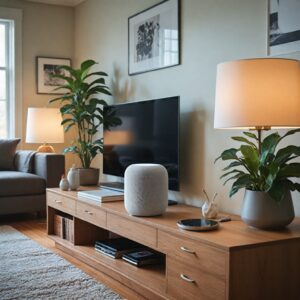
Smart home technology is increasingly important. Buyers, especially millennials, seek homes equipped with smart devices for remote energy monitoring and control, including lighting, security cameras, and thermostats. Integrating these technologies with existing security systems can further boost desirability.
Upgrade 5: Adding or Optimizing Functional Living Space
Adding or optimizing functional living spaces effectively increases value and appeal. Instead of expanding the footprint, renovating areas like attics and basements into versatile spaces creates flexible environments attractive to a broad range of buyers.
Converting garages into living areas is generally discouraged, as most buyers prioritize functional garages. Such conversions often do not increase value and may reduce appeal. Instead, focus on improving or upgrading existing rooms to maximize usability.
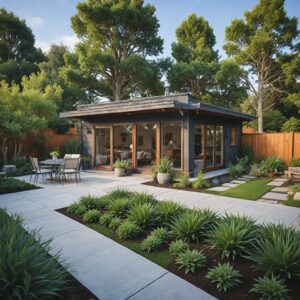
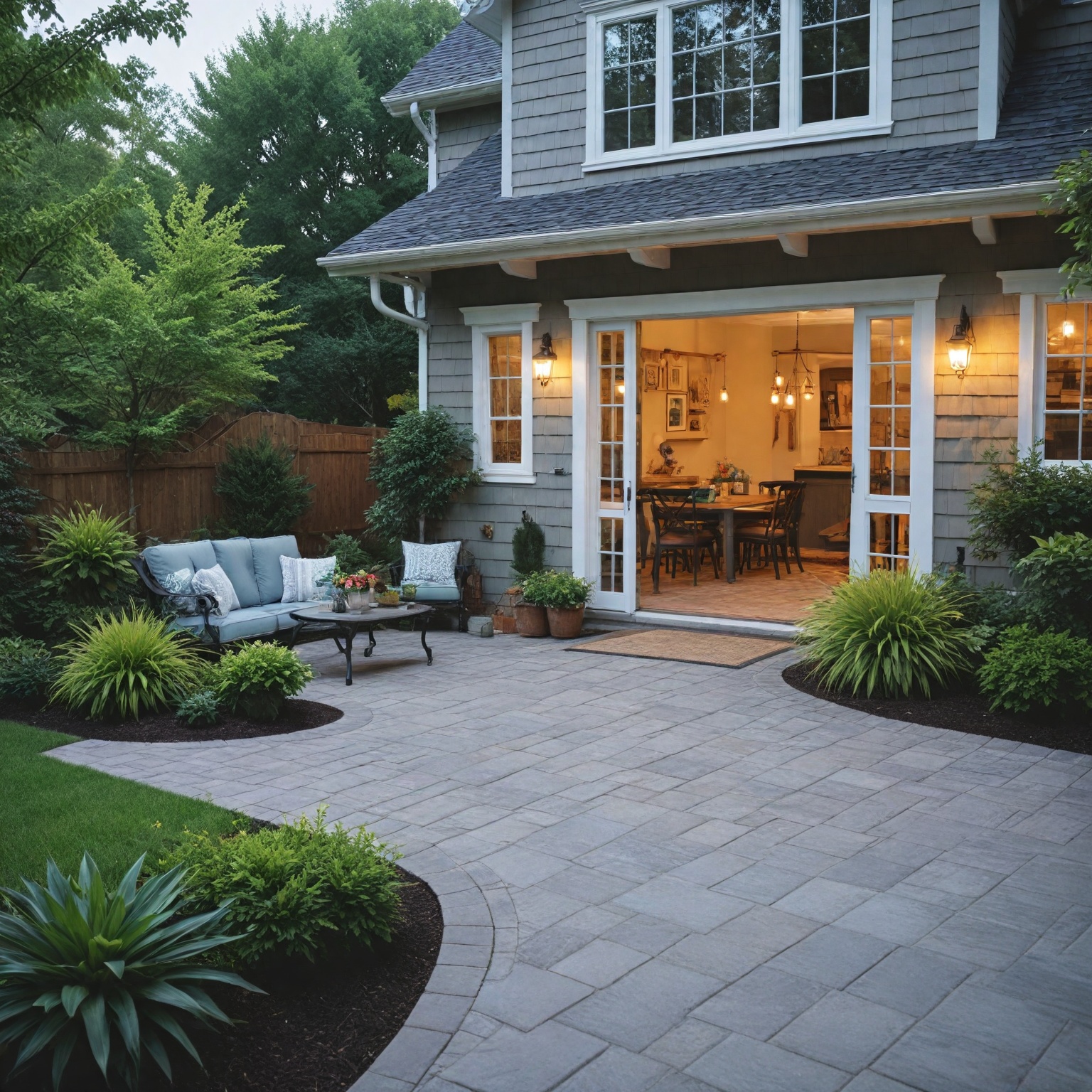
Outdoor living spaces such as decks and patios are popular upgrades extending usable areas and enhancing enjoyment, especially in warmer climates. Well-designed decks can provide an average ROI around 89%, depending on materials and design. Comfortable outdoor or transitional spaces also contribute to curb appeal and offer attractive places to relax and entertain.
Financial Considerations of Home Upgrades
Understanding the financial implications of home upgrades is essential to maximize ROI and avoid overspending. ROI depends on local market conditions, project scope, and quality of work. Smaller, well-targeted updates often yield better financial returns than extensive overhauls, especially if aligned with buyer preferences and neighborhood standards.
Location critically determines how much value an upgrade adds. Market conditions influence buyer willingness to pay, and broadly appealing projects tend to retain value effectively. According to Remodeling Magazine’s 2020 Cost vs. Value Report, nine of the top ten remodeling projects with highest value retention focus on exterior upgrades, highlighting their importance.
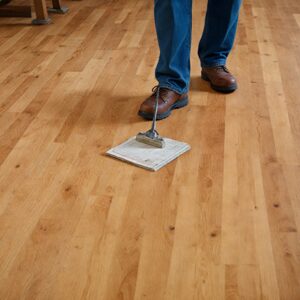
Homeowners should avoid upgrades that exceed the value of surrounding properties. Investing in quality mid-range improvements such as updated appliances and flooring is generally preferable to high-end upgrades unless the home is in the luxury segment. Modifications like garage conversions often do not increase value since garages are typically desired.
Financing options include home equity loans, such as those offered by Seattle Credit Union, which provide competitive rates and flexible terms with fewer fees than other lenders. Personal loans may also be viable, offering lower interest rates than credit cards and flexible use of funds.
In valuation, appraisals commonly use the cost approach or sales comparison approach. The cost approach calculates replacement cost minus depreciation, focusing on insurable value separate from land. The sales comparison approach compares similar properties to provide a market-based value estimate considering recent sales and income potential. Understanding these methods helps homeowners make informed decisions and avoid overpaying for upgrades that do not effectively enhance value.
Maintaining and improving key components like roofing, heating, cooling, and plumbing prevents costly future issues and preserves property value over time. By selecting upgrades with strong ROI and aligning with market trends and buyer preferences, homeowners can enhance appeal and financial worth.
Appraisal and Valuation Methods for Home Upgrades
Understanding how appraisal and valuation methods assess home improvements’ impact on market value is essential. Different approaches estimate worth with specific applications and limitations.
The sales comparison approach compares the subject property with similar recently sold homes nearby. It provides a market-based estimate but can be challenging when unique features require subjective adjustments, leading to inconsistencies.
The cost approach estimates value based on the expense to replace or reproduce the structure minus depreciation. Useful when comparable sales data are scarce, it considers material costs and site improvements. Historic or specialized homes may have higher replacement costs due to specialized materials and craftsmanship.
The income approach evaluates value based on income generation, considering present value of future cash flows. More common for rental or investment properties, it offers insight into financial benefits of upgrades.
Obtaining a professional appraisal before renovations can guide homeowners by highlighting features desired by local buyers, ensuring investments enhance living convenience and resale appeal. Consulting local real estate experts also helps align improvements with market trends, maximizing ROI.
Not all upgrades yield equal value. Mid-range quality improvements appealing to broad audiences typically deliver better resale value than high-end finishes. Garage conversions may increase usable area but often do not add market value since buyers prioritize garages.
Influence of Local Market Conditions and Regional Preferences
Local market conditions and regional preferences critically affect the value added by home improvements. Rural areas often have fewer comparable properties and smaller buyer pools, complicating valuation. Urban markets with active buyers and sellers influence demand for upgrades differently.
Current market demand, including active buyers and prevailing trends, significantly impacts ROI effectiveness. Renovations such as kitchen and bathroom remodels, energy-efficient upgrades, and enhanced outdoor living spaces usually offer higher returns but vary by neighborhood and region. Homeowners must consider how upgrades align with local buyer expectations.
Accessibility and curb appeal influenced by regional factors affect desirability and appraisal values. Simple exterior improvements like landscaping and fresh paint can substantially increase curb appeal, especially when cost-effective. Energy-efficient improvements are increasingly popular, with buyers often willing to pay a premium for lower utility costs, adding several thousand dollars to value.
Understanding and adapting to local market dynamics, neighborhood trends, buyer demographics, and economic conditions is essential for maximizing property value through targeted improvements.
Tips for Homeowners and Investors
Homeowners and investors should weigh potential value added against costs. Considering ROI and local market fit is essential. Consulting real estate guides and professionals provides insights on projects likely to pay off, especially among equally useful upgrades.
Avoid over-improving beyond neighborhood standards, which can deter buyers and reduce returns. Quality mid-range appliances, flooring, and broadly appealing upgrades often outperform high-end features unless the home is luxury market. Garage conversions may add space but typically do not increase resale value since garages are valued by buyers.
Exterior improvements frequently add significant value by enhancing curb appeal, functionality, and energy efficiency. Simple, affordable upgrades like landscaping, maintenance, and painting substantially impact appearance and desirability. Remodeling Magazine’s 2020 report confirms many top value-retaining projects focus on the exterior.
Modern technological enhancements shape real estate trends. Features improving energy efficiency and convenience—smart thermostats, automated lighting, integrated security—are increasingly in demand. Incorporating smart home technology boosts value and lifestyle quality, attracting buyers and investors.
Leveraging the cost approach in valuation helps make data-driven decisions by accurately assessing
The content is provided by Sierra Knightley, Home Upgrade News