Summary
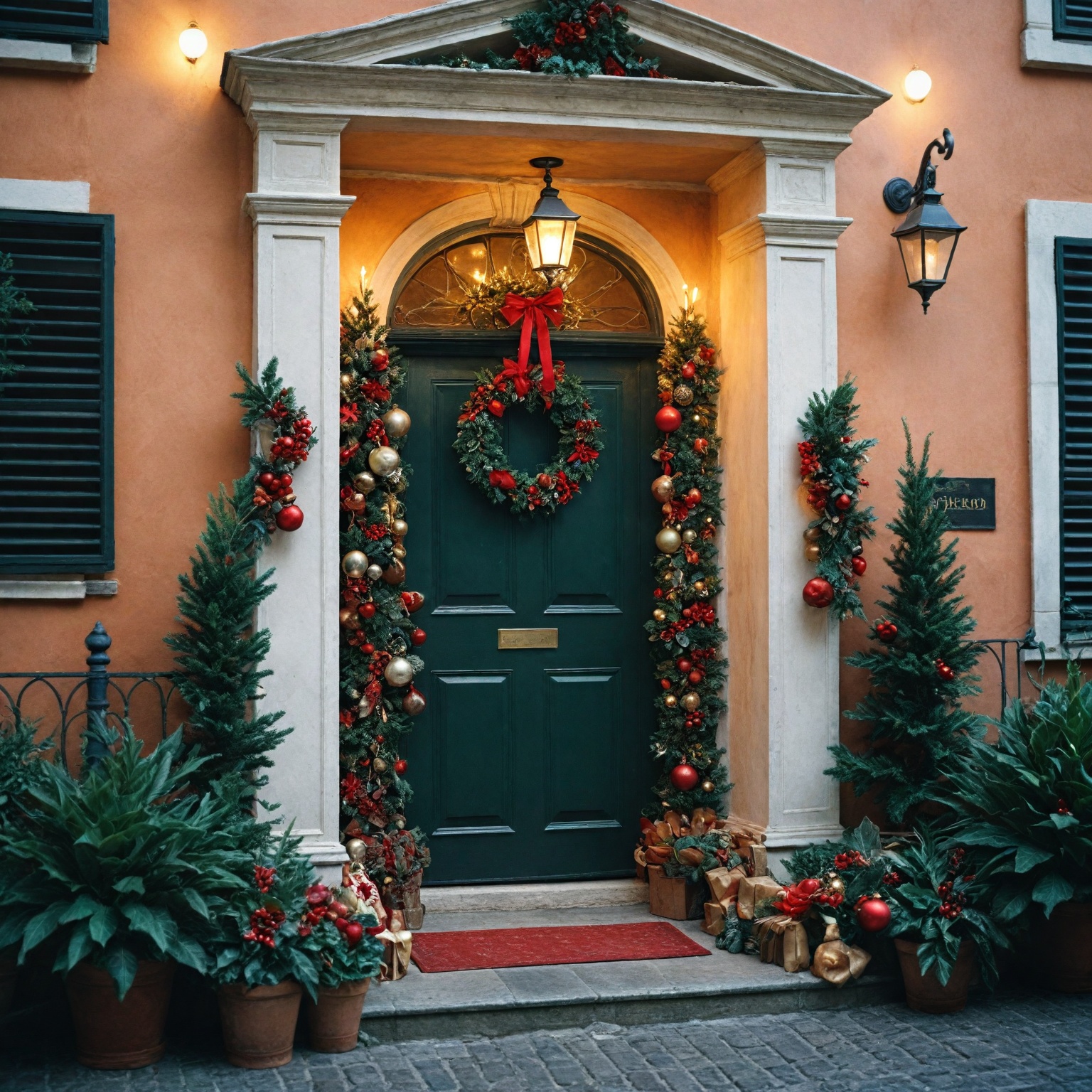
Brighten Your Christmas Spirit with Festive Decorations: Unveiling the Magic of Holiday Lights explores the rich history, cultural significance, and evolving artistry of Christmas decorations, focusing especially on the transformative role of holiday lights. Rooted in ancient winter solstice traditions that used evergreens as symbols of life and renewal, Christmas decorations have developed over centuries into a diverse array of ornamental practices, ranging from traditional nativity scenes and symbolic greenery to elaborate lighting displays that illuminate homes and public spaces worldwide. This article highlights how these decorations create the enchanting atmosphere associated with the Christmas season, bridging personal, communal, and cultural expressions of joy and hope.
Central to the festive tradition is the Christmas tree, a custom originating in Renaissance Germany and popularized globally by immigrant communities and evolving technological innovations. The introduction of electric Christmas lights in the early 20th century revolutionized holiday décor, enabling safer, more vibrant, and increasingly sophisticated displays that have become integral to modern celebrations. Advances in lighting technology, including the widespread adoption of LED lights and smart controls, have enhanced energy efficiency and creativity, allowing individuals and communities to create dazzling spectacles while addressing environmental concerns.
Beyond their aesthetic appeal, Christmas decorations embody deep symbolism reflecting Christian narratives and pre-Christian customs, with elements such as nativity scenes, holly, mistletoe, and poinsettias carrying layered meanings that connect contemporary celebrations to historical and spiritual roots. Regional variations and cultural adaptations further enrich the tradition, illustrating how festive decorations serve as a canvas for local identity and seasonal expression across the globe. Moreover, holiday lights have played a notable social role, fostering community cohesion, symbolizing hope during challenging times, and occasionally serving as focal points for political and social activism.
The significance of festive decorations extends into economic and environmental realms, with holiday lighting representing a major seasonal industry and consumer activity while simultaneously prompting efforts toward sustainable practices. The balance between preserving tradition and embracing innovation underscores the enduring appeal and evolving nature of Christmas decorations. This article provides a comprehensive overview of the multifaceted world of holiday décor, celebrating its capacity to brighten the Christmas spirit while reflecting broader cultural, technological, and social dynamics.
History of Holiday Decorations
The tradition of holiday decorations, particularly Christmas trees and lights, has deep historical roots that trace back to ancient and pre-Christian cultures in Europe. The use of evergreens such as fir branches, berries, fruits, and nuts during mid-winter solstice celebrations symbolized the promise of spring and the continuity of life during the harsh winter months. This symbolic use of evergreens can be found in ancient Egypt and Rome, highlighting a longstanding human connection to nature during winter festivities.
The specific custom of erecting decorated trees during the Christmas season originated in Renaissance-era Northern Germany and Livonia. Early evidence points to guildhalls decorated with sweets for apprentices and children as some of the first recorded instances of Christmas trees being adorned for the holiday. This tradition eventually moved from public guild settings into private homes, where German immigrants in America helped popularize the practice. The decorated tree became a source of comfort and joy, resonating with other Americans who embraced the symbolism and warmth of the season.
Christmas decorations have always served not only personal and familial purposes but also public and social ones. Wealthy urbanites in Victorian times and modern families alike have used festive displays to capture attention and showcase the latest trends and technologies in holiday lighting. The earliest form of holiday illumination involved candles attached to trees with wax or pins, a practice that originated in 17th-century Germany and spread throughout Eastern Europe over the following centuries.
The advent of electric Christmas lights marked a significant technological advancement in holiday decorations. Although Thomas Edison patented the light bulb in 1880, widespread electrification came later. Edward Johnson, vice-president of Edison’s Electric Light Company, is credited with the idea of stringing colored lights around Christmas trees, expanding the decorative potential beyond candles. By 1903, the American Eveready Company introduced the first pre-wired, socket-ready strings of holiday lights, and over the next several decades, innovations such as blinking lights, sound effects, and shunts to bypass burnt-out bulbs transformed holiday lighting into a sophisticated and reliable tradition.
The popularity of elaborate lighting displays increased dramatically in the late 20th century. In the United States, the first outdoor public electric Christmas display was organized on Christmas Tree Lane in Altadena, California. Meanwhile, in countries like Australia and New Zealand, Christmas lights were quickly adopted for ambient lighting on verandas during summer evenings, reflecting regional adaptations of the tradition. Today, festive lighting adorns public squares, street trees, lampposts, and iconic landmarks such as the Eiffel Tower and the Sydney Opera House, illustrating the widespread cultural embrace and evolving artistry of holiday decorations.
Types of Festive Decorations
Christmas decorations encompass a wide variety of items and plants that contribute to the festive atmosphere of the holiday season. These decorations often hold both aesthetic appeal and symbolic significance, reflecting centuries of tradition and cultural evolution.
Traditional Ornaments and Figures
Common Christmas decorations include angels, bells, candy canes, doves, holly, poinsettias, the Star of Bethlehem, wreaths, and nativity scenes, all of which celebrate the Nativity of Jesus and the broader Christmastide season. Figurines such as nutcrackers and snow globes are also popular. Historically, figurines were primarily carved from wood, but modern versions now come in materials like ceramic, crystal, and plastic. Nativity scenes are especially significant, often including animals, shepherds, angels, and village settings, and have been widely embraced across Christian denominations since the Middle Ages.
Christmas Trees and Greenery
The Christmas tree is a central symbol of the holiday, with origins tracing back to ancient pre-Christian traditions involving evergreens as reminders of life and renewal during winter. Early decorations included natural elements like fir branches, berries, fruits, and nuts, while modern trees are adorned with glass orbs, tassels, and lights. Wreaths made from evergreen branches, holly, or other materials are also common, serving as a seasonal staple worldwide. The Advent wreath, featuring four candles, holds particular importance in Christian observance of the weeks leading to Christmas.
Evergreen plants such as mistletoe, holly, ivy, laurel, and poinsettias are integral to holiday decor and often carry symbolic meanings rooted in both pagan and Christian traditions. For instance, mistletoe symbolizes vitality and fertility due to its winter blooming and has origins in Celtic Druid beliefs, while poinsettias are linked to Mexican legend and have become widely recognized Christmas plants.
Edible and Handcrafted Decorations
Gingerbread houses represent a festive, edible decoration that adds charm and warmth to holiday displays. These intricately crafted houses with glazed “cookie” walls and sugar icing trim can form villages on tables or countertops, often illuminated by tea candles or string lights for added glow.
Holiday Lighting
Lights play a crucial role in Christmas decorations, ranging from indoor tree lights to expansive outdoor displays on trees, lampposts, buildings, and public landmarks. The use of electric Christmas lights dates back to early 20th-century public displays, with widespread household adoption becoming common by the mid-20th century. Technological advancements have led to the popularity of LED lights, which are energy-efficient and durable, as well as fiber optic lighting incorporated into artificial decorations.
Together, these diverse types of decorations—ranging from natural greenery and symbolic figurines to elaborate light displays—create the magical ambiance that defines the Christmas season.
Symbolism and Cultural Significance
The use of festive decorations during the Christmas season carries rich symbolism and deep cultural significance that transcends mere ornamentation. Central to many holiday displays is the nativity scene, which encapsulates the essence of Christmas by depicting the birth of Christ. This powerful symbol has inspired countless works of art, such as Botticelli’s Mystic Nativity and Bach’s Christmas Oratorio, underscoring its enduring appeal across cultures and centuries. For Moravian Christians, the nativity scene is a heartfelt celebration of Christ’s birth, symbolizing the welcome of the Son of God into the home and the heart during the Christmas season. Over time, nativity scenes have evolved to include figures like animals, shepherds, and angels, as well as elaborate settings reflecting village life, further enhancing their cultural resonance throughout Europe and beyond.
Beyond Christian symbolism, many popular Christmas decorations have roots in pre-Christian, pagan customs. Plants such as mistletoe, holly, ivy, laurel, and poinsettia, often used in Christmas décor, originated from ancient rituals and were later adapted and “baptized” into Christian traditions as missionaries evangelized pagan peoples. The evergreen wreath, for example, widely recognized in Christian Advent celebrations with its four candles marking the weeks before Christmas, also holds broader appeal as a seasonal decoration embraced by people of various faiths due to its simple and timeless beauty.
The tradition of decorating evergreen trees during the winter season also reflects a blend of cultural influences. Originating in Northern Germany and Livonia, decorated trees were initially used in Renaissance-era guilds as festive symbols to bring communities together during the dark months. Evergreen trees were historically seen as symbols of everlasting life and protection, with ancient Druids and Vikings incorporating them in their own seasonal rites. Germany is credited with shaping the modern Christmas tree tradition by the 16th century, a custom that later spread to America through German Moravian settlers who practiced “putzing,” the art of decorating with ornaments, fruits, and eventually lights.
Holiday lights themselves have evolved from simple sources like candles to intricate electric displays that blend functionality with artistic expression. Modern lighting designs often serve as bold, creative statements that transform spaces, enriching the festive atmosphere and fostering community spirit. Whether traditional or contemporary, holiday decorations continue to unite people, celebrate cultural heritage, and evoke the timeless themes of hope, joy, and unity during the Christmas season.
Regional and Cultural Variations in Christmas Decorations
Christmas decorations vary widely across regions and cultures, reflecting diverse traditions, native flora, and historical influences. In Europe, the custom of erecting decorated trees during the winter season can be traced back to Renaissance-era guilds in Northern Germany and Livonia, where guildhalls displayed trees adorned with sweets for apprentices and children. Germany, in particular, is credited with popularizing the Christmas tree tradition by the 16th century, evolving from symbolic uses of evergreens that date back to ancient Egypt, Rome, and Celtic and Norse practices.
Outside Europe, Christmas trees and decorations incorporate a variety of native plants. In Caribbean nations, for instance, the inkberry (Ilex glabra) is commonly used, while some countries favor species of juniper, related to plants used in gin production. Unique specimens even include trees from festive-sounding locations such as Christmas Island or those collected on Christmas Day itself, illustrating the evolving nature of holiday customs worldwide.
Decorating styles also reflect regional preferences and cultural aesthetics. Popular themes include traditional rustic decor, modern minimalistic approaches, and festive Nordic designs. The use of Christmas markets in Europe, with origins in the late Middle Ages, highlights the integration of decorations with local crafts and seasonal foods like mince pies, Christmas pudding, gingerbread cookies, and panettone, emphasizing community togetherness.
In the United States, German Moravians introduced the practice of decorating evergreen trees, known as “putzing,” which involved adorning trees with ornaments, fruits, and eventually lights. The tradition of lighting Christmas trees originated in Germany during the 17th century, beginning with candles attached by wax or pins, symbolizing warmth and hope during the winter season. This practice spread throughout Eastern Europe and later globally.
Public Christmas trees, such as the famous Rockefeller Center tree in New York, reflect broader cultural adoption and transformation of Christmas decoration customs, with figures like Queen Victoria playing a significant role in popularizing these traditions internationally. Meanwhile, environmental and technological concerns are prompting modern adaptations, including eco-friendly lighting innovations aimed at reducing the holiday season’s environmental footprint.
Technological Advances in Holiday Lighting
Holiday lighting has undergone significant technological transformations over the decades, enhancing both the aesthetic appeal and energy efficiency of festive decorations. One of the earliest major shifts occurred in the 1970s and 1980s with the introduction of miniature lights. These smaller, more energy-efficient bulbs allowed decorators to achieve greater detail and intensity in their displays compared to traditional large bulbs.
The late 1990s marked another breakthrough with the advent of light-emitting diode (LED) lights. LEDs brought durable, energy-saving benefits and have quickly become a popular choice due to their low power consumption and long lifespan. According to the U.S. Department of Energy, LEDs use up to 90 percent less energy and last 25 times longer than incandescent bulbs, making them both environmentally and economically advantageous. Despite their higher initial cost, LEDs offer diverse colors and flashing patterns, allowing for more personalized and dynamic decorations. Their lightweight design and modern connection systems also simplify installation, contrasting with the more fragile incandescent bulbs.
The evolution of holiday lighting technology also includes improved reliability features such as shunts that allow the current to bypass a burnt-out bulb, preventing the entire strand from going dark—a frustrating issue with older incandescent sets. Moreover, the integration of smart technology has introduced app-controlled and Wi-Fi-enabled lights. These systems enable remote control and synchronization with smart home devices, allowing users to set schedules, cycle through lighting modes, and create complex displays with ease. Although some advanced features like in-app camera mapping can experience occasional glitches, these innovations continue to improve user experience.
Beyond simple strands, modern holiday lighting encompasses elaborate animated displays featuring illuminated animatronics and statues, elevating the festive atmosphere in public and private spaces alike. Professional services now offer customized designs using high-quality, outdoor-rated LED lights, enabling spectacular installations that can be tailored to any theme or scale.
Furthermore, there is a growing emphasis on sustainability within the holiday lighting industry. Many homeowners and designers are adopting eco-friendly lighting options and energy-efficient technologies to reduce their environmental footprint without sacrificing the magic of the season. This blend of innovation and tradition ensures that holiday lighting continues to evolve, brightening celebrations while addressing contemporary energy and environmental concerns.
Social and Community Impact
Christmas lights and festive decorations have long played a significant role in fostering community spirit and social cohesion during the holiday season. The tradition of illuminating public spaces such as towering Christmas trees in town squares, street trees, lampposts, and iconic buildings like town halls and tourist landmarks contributes to a shared festive experience that brings people together. In many communities, decorating efforts transform into collective celebrations, where neighbors collaborate to adorn entire streets or neighborhoods, enhancing a sense of pride and unity among residents.
The popularity of Christmas lights as symbols of hope and unity can be traced back to periods of national hardship. During the Great Depression and the World Wars, the Christmas tree and its lights served as comforting emblems of peace and optimism for many Americans, reflecting the human desire to find solace and togetherness through tradition in times of crisis. Similarly, public Christmas trees, such as the renowned Rockefeller Center tree, emerged as focal points of communal identity and festive joy.
However, the social impact of Christmas decorations has not been without controversy. In 1963, the Black Christmas boycott in Greenville, North Carolina, used the refusal to light Christmas displays as a powerful protest against racial segregation in employment during the holiday sales season. This boycott highlighted how Christmas lights could serve as both symbols of celebration and instruments of social and political expression.
Moreover, the rise of eco-friendly holiday lighting innovations reflects contemporary community concerns about environmental sustainability. Increasingly, homeowners and municipalities are adopting energy-efficient and environmentally responsible lighting options to reduce the ecological footprint of festive decorations, merging the joy of holiday displays with broader technological and environmental awareness.
Environmental Considerations
In recent years, there has been a growing emphasis on adopting eco-friendly holiday lighting options to reduce environmental impact and energy consumption during the festive season. Traditional incandescent lights, while offering a warm and alluring ambiance, consume significantly more energy and have shorter lifespans compared to modern alternatives. According to the U.S. Department of Energy,
Economic Impact
Holiday lighting represents a significant economic force in the United States, with approximately 150 million light sets sold annually. These lights decorate around 80 million homes each year and collectively consume about 6 percent of the nation’s electrical load every December. This substantial market drives considerable retail activity during the festive season, as both consumers and retailers capitalize on the demand for decorative lighting.
The production and sale of holiday lights have evolved alongside advances in technology and materials. Innovations such as plastic and aluminum enabled mass production in the mid-20th century, making decorative lighting more affordable and widespread. More recently, cutting-edge developments like app-controlled lighting systems and computer-controlled RGB lights have transformed the market by offering customizable, energy-efficient, and sophisticated displays that appeal to modern consumers.
This technological progression not only fuels consumer interest but also stimulates support services and after-sales care, especially for complex lighting products. For instance, companies like Twinkly provide robust customer support to manage their advanced lighting systems, indicating a growing sector of technical assistance tied to holiday decorations.
Furthermore, holiday lighting fosters community engagement and competition, which can indirectly impact local economies. Town councils and neighborhoods often organize contests and cooperative decoration efforts, encouraging spending on festive displays and enhancing tourism at popular decorated landmarks. These activities contribute to local business revenue and promote seasonal economic vitality.
Decorating Practices and Safety
When decorating for the holiday season, a wide variety of lighting options are available to create festive displays, ranging from vintage-style lights and traditional string lights to modern multicolor LEDs with programmable modes. These choices allow for personalization, whether aiming for a simple, classic look or a bold, vibrant spectacle. Many homeowners also incorporate pre-lit decorations, such as artificial wreaths adorned with pine cones and berry clusters, or hand-crafted items like gingerbread houses illuminated by tea candles or string lights to add a warm, inviting glow.
Installation methods have evolved with technological advances. LED lights, for example, tend to be lighter and often come with connection systems that simplify setup compared to incandescent bulbs, which require more delicate handling due to their fragility. Professional services can assist with designing, installing, maintaining, and removing holiday light displays, providing convenience and ensuring high-quality, durable outdoor lighting installations.
Despite the joy that holiday decorating brings, safety considerations are essential. Improperly connecting multiple strands of lights, overusing extension cords, or unsafe ladder practices during installation can pose hazards. Additionally, materials used in holiday decorations vary widely—from traditional wood carvings and paper to glass and metal—which may require different handling and care to maintain both safety and aesthetic appeal.
The content is provided by Sierra Knightley, Home Upgrade News