
Summary
How Savvy Homeowners Are Prepping with Smart Devices Ahead of the Next Major Outage explores the growing trend among homeowners to integrate advanced smart technologies and backup power solutions as part of their emergency preparedness strategies. With power outages becoming more frequent and severe due to factors like extreme weather, aging infrastructure, and increasing energy demands, individuals are turning to innovative devices to safeguard their homes, maintain essential services, and ensure safety during blackouts. This proactive approach reflects a broader shift toward combining modern technology with traditional emergency planning to enhance residential resilience.
Key smart devices used in outage preparedness include high-resolution security cameras with AI motion detection, smart thermostats integrated with battery backup systems, and solar-powered generators that provide sustainable, clean energy during disruptions. Homeowners also deploy power outage detection and alert systems that notify them instantly of interruptions, enabling swift responses to protect valuable assets and maintain communication. These tools, when integrated with uninterruptible power supplies (UPS) and comprehensive family emergency plans, create multi-layered protection that addresses both safety and convenience needs during outages.
Despite the benefits, significant challenges persist. Many smart devices depend on continuous power and internet connectivity, which can be compromised during outages, limiting their functionality. The cost of implementing whole-home backup systems and smart infrastructure remains substantial, posing barriers for some homeowners. Additionally, experts emphasize that technology alone cannot replace traditional preparedness measures, underscoring the importance of physical emergency kits, secure document storage, and clear family communication plans.
This article also discusses the economic rationale for investing in smart outage preparedness, highlighting studies that show mitigation efforts can yield considerable savings by preventing loss and damage. It addresses emerging technologies—such as solar battery systems and dedicated emergency communication devices—and examines how homeowners coordinate their efforts within broader utility and governmental frameworks to enhance community-wide resilience ahead of future major outages.
Background
Power outages, defined as unexpected interruptions in electrical power supply, are becoming increasingly common due to factors such as extreme weather events, aging infrastructure, and rising energy demand. These disruptions pose significant challenges for homeowners, who are now seeking effective ways to maintain safety and energy independence during blackouts.
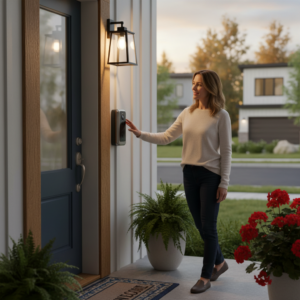
In response to these challenges, many savvy homeowners are integrating smart technology into their preparations. Outdoor security cameras, such as the Aqara Camera Hub G5 Pro, provide high-resolution video, color night vision, and AI-powered motion detection, allowing users to monitor their homes remotely via smartphone before even entering the front door. Additionally, emergency backup power solutions, including solar panels and solar generators, are gaining popularity not only for their ability to provide electricity during outages but also for harnessing sustainable energy and reducing long-term costs. Systems like the EcoFlow DELTA Pro smart home ecosystem store energy continuously, minimizing reliance on the electrical grid.
Moreover, the use of power outage monitoring devices is regarded as a practical tool to quickly identify and respond to power disruptions. Such devices can alert homeowners immediately when an outage occurs, enabling timely communication with utility providers and mitigating risks associated with unknown power losses. Alongside technological solutions, comprehensive family emergency plans and financial preparedness—such as reviewing insurance policies to cover natural disasters prevalent in the area—are critical components of a resilient home strategy. By combining modern smart devices with thoughtful planning, homeowners can better safeguard their families and assets against the increasing frequency of power outages.
Categories of Smart Devices for Outage Preparedness
Smart homeowners utilize a variety of smart devices to prepare for power outages, ensuring safety, convenience, and continuity of essential home functions. These devices generally fall into several categories based on their purpose and operational capabilities during outages.
Smart Thermostats and Climate Control Devices
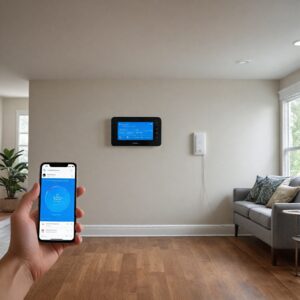
Smart thermostats are popular for managing home heating and cooling efficiently. While many rely on internet connectivity for remote control, some models continue functioning locally during an internet outage, allowing manual adjustments directly on the device. However, smart air conditioners and dehumidifiers often do not operate during blackouts, limiting their usefulness without power. Integration of smart thermostats with solar generators and home battery backup systems can enhance their reliability by providing alternative power sources during extended outages.
Security and Surveillance Systems
Security devices such as smart locks, video doorbells, and outdoor cameras are crucial for protecting homes during outages. Many smart locks and garage doors maintain limited functionality when power is lost, though full remote control typically requires an active internet connection. To keep surveillance cameras and routers operational during power interruptions, homeowners often connect them to uninterruptible power supplies (UPS) or battery backup systems. Maintaining continuous network connectivity is critical, as routers serve as the central hub for many smart home devices.
Backup Power and Monitoring Devices
Battery backup systems, including whole-home solutions and portable power stations, provide critical support during extended power failures. Systems like the EcoFlow DELTA Pro and Anker F3800 Plus can act as UPS devices, automatically switching to battery power to keep essential devices online without interruption. Solar generators are increasingly integrated with smart home systems to provide clean, sustainable backup power and enable remote energy management. These solutions allow homeowners to maintain vital functions such as refrigeration, security, and communication during outages.
Power Outage Detection and Alert Systems
Early detection and notification of power interruptions help homeowners respond swiftly to potential issues. Devices such as smart plugs with power monitoring capabilities and specialized outage alarms like iSocket or Hendun Power Failure Alarms can send alerts via text, phone call, or app notifications when a power loss occurs. These systems are valuable for protecting sensitive equipment, preserving food storage, and monitoring critical operations remotely, including in agricultural settings. Alerts can be configured to use more resilient communication methods like SMS to ensure message delivery even during network disruptions.
Smart Lighting and Appliance Control
Although smart lighting generally does not function during outages, some homeowners incorporate smart energy monitoring and control devices to optimize usage and prepare for power restoration. Smart outlets and energy management systems enable remote control and automation of appliances, improving energy efficiency and allowing better coordination with backup power resources.
By combining these categories of smart devices, savvy homeowners create layered, resilient strategies to minimize the impact of power outages on their daily lives and maintain safety and comfort until normal power is restored.
Integration of Smart Devices into Emergency Preparedness Plans
Smart devices are increasingly becoming integral components of comprehensive emergency preparedness strategies for homeowners. These technologies, when combined with traditional disaster readiness measures, enhance the ability to respond effectively during power outages, natural disasters, and other critical situations.
Dedicated emergency communication devices designed for instant connection with 911 services provide reliable and prompt assistance during emergencies. While devices like the Google Home Mini are useful for everyday communication and contacting trusted individuals, specialized emergency response devices ensure efficient communication with emergency services when every second counts. Utilizing both types of devices can create a more robust preparedness plan, improving safety and peace of mind.
In addition to communication tools, smart home battery backup systems play a crucial role in maintaining essential functions during extended power outages. These systems, which store energy in large batteries, can keep an average household powered for a day to a week, depending on the equipment used. Integrating these backups with smart management capabilities ensures critical systems remain operational, significantly mitigating the impacts of blackouts.
Portable power stations also provide flexibility by allowing homeowners to carry backup power to various locations, ensuring continuous charging of electronics and appliances during evacuations or off-grid situations. Monitoring devices like the iSocket power loss monitor further enhance preparedness by providing timely alerts about power interruptions. These alerts help protect perishable goods, sensitive equipment, and security systems from damage, enabling swift response to power failures.
Home security systems, particularly those that connect via traditional phone lines or cellular radio, maintain communication capabilities during outages. Cellular radio-based systems are especially resilient, as they rely on a network of transmitters covering small geographic areas, ensuring that monitoring centers stay connected even without local power.
Successful integration of smart devices into emergency plans requires intentional preparation beyond just acquiring technology. Homeowners are encouraged to develop a comprehensive strategy that includes safeguarding important documents in waterproof and fireproof cases, preparing go-bags stocked with essentials, and enrolling in local emergency alert services. Combining these practical steps with smart home technology transforms devices into effective tools within an overall family disaster plan.
Furthermore, power continuity for critical smart home infrastructure, such as network switches and home servers, can be maintained using uninterruptible power supplies (UPS). This ensures that key components of the smart home ecosystem remain functional during outages, preserving connectivity and control over other smart devices.
Finally, keeping emergency kits updated and incorporating the latest smart emergency technology can provide additional layers of protection. Devices that help maintain warmth, hydration, and power supply are recommended to round out a modern homeowner’s preparedness arsenal. Altogether, the thoughtful integration of smart devices into emergency preparedness plans significantly enhances resilience and response capabilities ahead of major outages.
Homeowner Motivations and Concerns
Homeowners are increasingly motivated to prepare for power outages by leveraging smart devices and backup systems to enhance safety, security, and financial resilience. A primary concern is protecting the home and family during emergencies, which includes having a well-thought-out family emergency plan supported by modern technology to create a safer and more resilient living environment. The unpredictability and growing frequency of outages drive the need for reliable emergency backup power solutions, such as uninterruptible power supplies (UPS) or portable power stations, to keep essential security equipment and smart home devices operational.
Financial preparedness is another significant motivation. Homeowners recognize the importance of reviewing insurance policies to ensure coverage against natural disasters and the potential financial losses caused by outages. Investing in resilience measures, including home battery systems and backup power, is seen as a smart financial move that can prevent severe losses. Studies show that every dollar invested in mitigation can save several dollars in avoided future losses, underscoring the economic benefits of preparedness.
Security concerns during power interruptions also drive preparation efforts. Although many smart home products offer convenience and remote control via smartphones or tablets, their dependence on continuous power and internet connectivity poses risks. A power outage can disable smart locks, thermostats, and other automated systems, potentially compromising home security. Traditional home security systems, however, often remain functional due to reliance on phone lines rather than internet connectivity, providing some reassurance during outages.
Additionally, homeowners seek to protect sensitive and valuable electronic equipment, such as high-end gaming PCs and entertainment systems, which require clean, stable power that only quality UPS units can provide. Maintaining communication and control over smart devices during outages is critical, as losing Wi-Fi disables security cameras, smart speakers, and remote access to locks and appliances.
Emerging smart technologies further motivate homeowners to prepare proactively rather than reactively. Devices like power loss monitors can alert residents immediately when outages occur, helping to prevent costly damage by monitoring and managing critical appliances remotely. This level of control and early warning is appealing for maintaining safety and minimizing disruption during outages.
Common Challenges and Limitations
One significant challenge in preparing smart homes for outages is the reliance on continuous power and internet connectivity. Many smart home devices depend on cloud services and internet access to function properly, which means that during power or internet outages, some devices may cease to operate altogether. Although certain devices can communicate locally within a home network and continue functioning without internet, this capability is not universal, limiting the overall resilience of smart systems.
Another limitation concerns the infrastructure changes required for smart home integration. For example, smart outlets often necessitate replacing existing power outlets, which can be costly and labor-intensive for homeowners. Additionally, installing luxury hardwired smart systems involves significant expenses—potentially tens of thousands of dollars—and requires space for network hardware such as Ethernet cables, further complicating upgrades for some households.
Battery backup solutions offer a way to mitigate power disruptions, but they come with their own constraints. The duration of backup power provided by solar batteries varies widely, typically lasting between six and 24 hours depending on battery capacity and household energy usage. While whole-home backup systems can extend this to several days, they represent a substantial investment, often ranging from $6,000 to $15,000 or more. Portable power stations provide an alternative for smaller-scale backup needs but may not support an entire home’s energy demands.
Moreover, smart home technology alone cannot replace comprehensive emergency preparedness. Experts emphasize that smart devices should serve as tools within a broader preparedness strategy, which includes physical measures such as keeping important documents secure, maintaining emergency kits, and having contingency plans for evacuation. Dedicated emergency response devices designed for instant communication with emergency services can also enhance readiness beyond the capabilities of typical smart home systems.
Finally, frequent outages caused by environmental factors—such as downed powerlines near trees—pose ongoing challenges to maintaining connectivity and power for smart homes, especially in regions prone to extended disruptions. These realities highlight the importance of combining smart technology with traditional preparedness measures to ensure resilience in the face of major outages.
Typical Cost Ranges and Economic Considerations
Investing in backup power solutions, such as whole home generators, represents a significant but valuable expense for homeowners preparing for major outages. The average cost of installing a whole home generator typically ranges from $6,000 to $15,000. This variation depends on factors including the price of the equipment and the labor involved in installation. These generators provide a reliable source of electricity during power outages, offering homeowners comfort and security that are difficult to quantify in monetary terms.
Smaller portable generators, while more affordable, generally range from $2,000 to $7,000. However, large portable generators capable of powering an entire home may start as low as $800. These units tend to be large, requiring dedicated outdoor space such as a level concrete pad, similar to that used for central air conditioning units.
Beyond the upfront costs, investing in backup power and resilience measures is increasingly recognized as financially prudent. Preparedness measures not only mitigate the inconvenience of outages but also protect against significant financial losses and safety risks. Studies, such as the 2019 NIBS Mitigation Saves Study, demonstrate that every dollar invested in resilience can yield up to thirteen dollars in avoided future losses, with national averages ranging from four to eleven dollars saved per dollar spent. This underscores the economic rationale for homeowners to invest in smart upgrades and backup systems as part of their emergency preparedness strategy.
Furthermore, modern technologies, including home battery systems, can contribute to daily energy savings in addition to providing outage protection. These systems enhance overall home resilience, helping maintain safety, security, and financial stability even during prolonged power interruptions.
Device Communication and Interoperability
Smart home devices rely on various communication protocols to ensure seamless interaction and rapid response, particularly during emergencies. A notable protocol is X10, which enables devices to communicate over electrical lines within a home network. This local control capability allows for direct device-to-device communication without dependence on cloud servers, resulting in faster response times and continued operation even during internet outages. However, X10 faces limitations due to the electrical line environment being prone to noise and interference from other powered devices, which can cause misinterpretation or failure to receive commands.
Beyond X10, modern smart home systems increasingly emphasize protocols and architectures that support interoperability and reliability. Integrating dedicated emergency response devices designed for instant communication with 911 services enhances overall emergency preparedness by providing swift and dependable assistance in critical situations alongside general smart home setups.
Interoperability also extends to power management and monitoring, where devices like smart outlets or panels communicate status information to central home automation platforms. For example, using smart outlets combined with home automation software such as Home Assistant enables real-time power usage monitoring and alerts during outages or irregularities, improving awareness and response capability. Additionally, integrating cellular-based solutions or smart electric meters with utility alerts helps homeowners stay informed about power disruptions even when conventional communication channels fail.
Case Studies and Usage Examples
Many homeowners are adopting smart devices and backup power solutions to enhance their preparedness for major power outages. For instance, installing home standby generators has
Emerging Technologies and Innovations
Smart home technology is rapidly evolving, incorporating advanced features designed to enhance convenience, safety, and energy resilience for homeowners. Among the most notable innovations are intuitive automation systems and discreet design upgrades that simplify everyday living and elevate luxury home standards. These advancements also emphasize inclusivity, with a focus on making smart devices accessible and beneficial to users of all ages, particularly older adults, thereby promoting independence and safety within the home environment.
One key area of development is backup power solutions, which are becoming more sophisticated and integrated with smart home systems. Modern power stations, such as the EcoFlow Delta 3 Plus and Anker F3800 Plus, offer uninterruptible power supply (UPS) capabilities. These devices seamlessly switch from grid power to battery power during outages, ensuring continuous operation of critical appliances and electronics. Furthermore, whole-home battery backup systems now enable households to endure extended power outages, providing energy for an average home from one day up to a week depending on capacity.
Solar generators are gaining traction due to their compatibility with smart home technologies and preparedness devices. This integration allows users to remotely monitor and optimize energy consumption, enhancing efficiency and resilience during power disruptions. Complementing this, portable generators remain a practical entry point for home energy preparedness, available in various sizes to power essential circuits, though they require manual operation and typically run on gasoline.
Emergency preparedness also extends to specialized communication devices that enable instant contact with 911 services, adding an additional layer of safety during critical situations. Smart home setups increasingly incorporate such emergency response devices alongside power backup systems to improve overall readiness.
Monitoring and alert technologies play a crucial role in outage preparedness. Devices like iSocket provide real-time notifications of power failures, helping protect food storage, sensitive equipment, and surveillance systems by allowing remote management during outages. Similarly, multi-sensor smart devices, such as the MySpool P5, alert homeowners not only to power outages but also to internet disruptions, sending updates when connectivity is restored. Additionally, many utility companies support consumer notifications for outages, often integrated with smart meters, enabling timely awareness of service interruptions.
Despite these advancements, some challenges persist, particularly regarding energy storage. Standalone solar panel systems often lack integrated storage, resulting in unused excess energy during sunny periods and leaving homes vulnerable during cloudy weather or nighttime. To address this, homeowners are increasingly installing solar batteries alongside their panels, which allow for energy “islanding”—temporarily running critical devices off-grid using stored renewable energy during outages. This strategy not only ensures continuous power but also contributes to reducing utility costs through net metering programs that sell surplus energy back to the grid.
Together, these emerging technologies and innovations reflect a comprehensive approach to home energy preparedness, combining smart automation, reliable backup power, and proactive monitoring to create resilient living environments capable of withstanding major outages.
Coordination with Broader Emergency and Utility Frameworks
Effective preparation for major power outages extends beyond individual households and involves coordination among various government agencies, utility companies, and emergency response organizations. The Department of Energy (DOE), with support from relevant state and federal regulatory agencies, collaborates closely with utilities to analyze previous large-area, long-duration outages. This cooperation aims to identify common challenges and best practices for system restoration, which can then be shared broadly across the electricity industry to improve resilience.
For significant incidents requiring federal involvement, the National Response Framework (NRF) establishes the organizational structure for coordinated response efforts. Under the NRF, the Federal Emergency Management Agency (FEMA) manages federal resources, while the DOE serves as the lead agency for the energy sector. During such events, the DOE staffs local and headquarters operations centers to coordinate federal actions that expedite electricity system restoration. This coordination involves close collaboration with electricity organizations and other emergency responders to ensure a unified approach to outage management and recovery.
Furthermore, ongoing initiatives such as the Electricity Subsector Coordinating Council provide an effective platform for expanded coordination and sharing of best practices within the electricity sector. These frameworks not only enhance the technical response to outages but also support utilities and emergency agencies in improving preparedness and recovery strategies.
This integrated approach underscores the importance of a multi-layered emergency preparedness system, where individual homeowner efforts to equip their residences with smart devices and backup power solutions complement the broader utility and governmental response frameworks. Together, these efforts contribute to a more resilient power infrastructure and community readiness ahead of the next major outage.
The content is provided by Harper Eastwood, Home Upgrade News