Summary
The Palm Springs aesthetic is a distinctive design style rooted in mid-century modern architecture and Desert Modernism, which flourished in Palm Springs, California, during the 1950s and 1960s. Characterized by clean lines, open floor plans, extensive use of glass, and a seamless integration of indoor and outdoor living, this aesthetic reflects a lifestyle attuned to the desert environment’s unique climate and landscape. Drawing inspiration from the Bauhaus movement and shaped by visionary architects such as Richard Neutra, Albert Frey, and William Krisel, the Palm Springs aesthetic combines functional minimalism with organic textures and vibrant color palettes, creating spaces that are both elegant and inviting.
The style gained prominence through its association with Hollywood celebrities and the post-World War II leisure culture, which fostered a demand for innovative, modern homes that emphasized ease, glamour, and connection to nature. Neighborhoods like Little Tuscany and Racquet Club Estates became epicenters of this design ethos, showcasing iconic residences that blend architectural innovation with desert pragmatism. Today, Palm Springs’ mid-century modern heritage remains culturally significant, celebrated annually during events such as Modernism Week, which attracts global attention and advocates for preservation and sustainable modern living.
Contemporary interpretations of the Palm Springs aesthetic continue to evolve, balancing respect for historical design principles with modern materials and technologies. These adaptations maintain the hallmark features of the style—such as natural materials, indoor-outdoor fluidity, and bold accents—while addressing current lifestyle needs and environmental concerns. The aesthetic’s influence extends far beyond Palm Springs itself, inspiring residential and interior design trends worldwide and reinforcing its status as an enduring symbol of mid-century modern elegance.
However, the Palm Springs aesthetic is not without controversy. Critics have raised concerns regarding the preservation challenges posed by modernization and luxury developments, the environmental impact of desert construction, and debates over stylistic authenticity amid evolving tastes. Despite these tensions, the Palm Springs aesthetic remains a vibrant and influential design movement, emblematic of a unique cultural moment and an ongoing dialogue between tradition and innovation.
Historical Origins and Development
Mid-century modern design emerged prominently in the 1950s and 1960s, particularly in Palm Springs, during a period marked by post-World War II prosperity and optimism. This era saw increased accessibility to second homes, fostering a demand for new architectural and design styles that reflected contemporary lifestyles and aspirations. Although widely regarded as an American-born movement, mid-century modern design drew heavily from the principles of the German Bauhaus school, founded in 1919 by Walter Gropius. Bauhaus philosophy emphasized unadorned, functional design by eliminating superfluous ornamentation and integrating contemporary industrial materials and building techniques.
Palm Springs became a focal point for this design movement, attracting notable architects such as Richard Neutra, Albert Frey, E. Stewart Williams, William Krisel, Donald Wexler, and others who helped define the region’s architectural identity. These architects not only designed distinctive private residences but also collaborated on large housing developments, merging modern aesthetics with tract housing projects and thus democratizing modernist ideals for broader communities. For example, William Krisel, trained in architecture and landscape design, contributed extensively to tract developments that incorporated innovative modernist features.
Among these architects, Albert Frey stands out as a founder of the Desert Modern style. His iconic Frey House II, completed in 1964, was sited at the highest elevation in Palm Springs at the time and built with an intent to minimize environmental impact. The home featured steel framing, ribbed aluminum, and expansive glass walls, with unique design elements such as a carport roof that doubles as a swimming pool deck. Similarly, Richard Neutra’s Kaufmann Residence (1946) exemplified mid-century ideals through its use of glass, steel, and stone, creating open, light-filled spaces that connected indoor and outdoor living.
Hollywood celebrities also embraced the Palm Springs aesthetic, further popularizing the style. Architect E. Stewart Williams designed Frank Sinatra’s 4,500-square-foot Twin Palms estate in 1947, featuring low rectangular wings, flat roofs, and massive sliding glass doors that became emblematic of mid-century Hollywood glamour. This confluence of architectural innovation, celebrity patronage, and a growing appreciation for clean, functional design solidified Palm Springs as a major destination for mid-century modern architecture.
The enduring legacy of this period continues to shape the city’s cultural and architectural landscape. Preservation efforts and public interest maintain the prominence of these mid-century modern structures as cultural landmarks, highlighting their influence well into the 21st century. Far from being a historical relic, Palm Springs’ mid-century modern aesthetic remains vibrant, celebrated for its integration of organic textures, functionalism, and timeless style.
Cultural and Social Context
The Palm Springs aesthetic, particularly Desert Modernism, emerged as more than just an architectural style; it was a lifestyle deeply intertwined with the cultural and social milieu of the mid-20th century Coachella Valley. This desert community attracted seasonal residents such as actors, politicians, and business professionals seeking leisure, fresh air, and respite from urban life, creating fertile ground for innovative architectural experimentation. The relaxed and informal spirit of Palm Springs encouraged a break from traditional design conventions, fostering a unique blend of modernism tailored to the desert environment.
Post-World War II prosperity and optimism further shaped the social context, enabling a burgeoning “leisure class” composed of middle and upper-class citizens who embraced the glamour and ease of Palm Springs living. Technological advancements, including the widespread adoption of air conditioning and the popularity of leisure activities like golf, cemented Palm Springs’ reputation as a seasonal getaway for affluent individuals and Hollywood celebrities. This climate of affluence and forward-thinking optimism directly influenced the architectural style, characterized by the use of glass, clean lines, organic textures, and an integration of indoor and outdoor spaces that echoed the natural beauty and warmth of the desert landscape.
Moreover, Palm Springs became a cultural hub where mid-century modern architecture flourished as both a reflection and catalyst of the era’s social dynamics. Iconic neighborhoods like the Racquet Club Estates, featuring homes by renowned architects and developers such as Donald Wexler and Palmer & Krisel, stand as testaments to this vibrant cultural moment. The city’s architecture not only encapsulates bold design philosophies but also embodies the stories and memories of a community that celebrated innovation, leisure, and the distinct Palm Springs lifestyle.
Architectural Characteristics
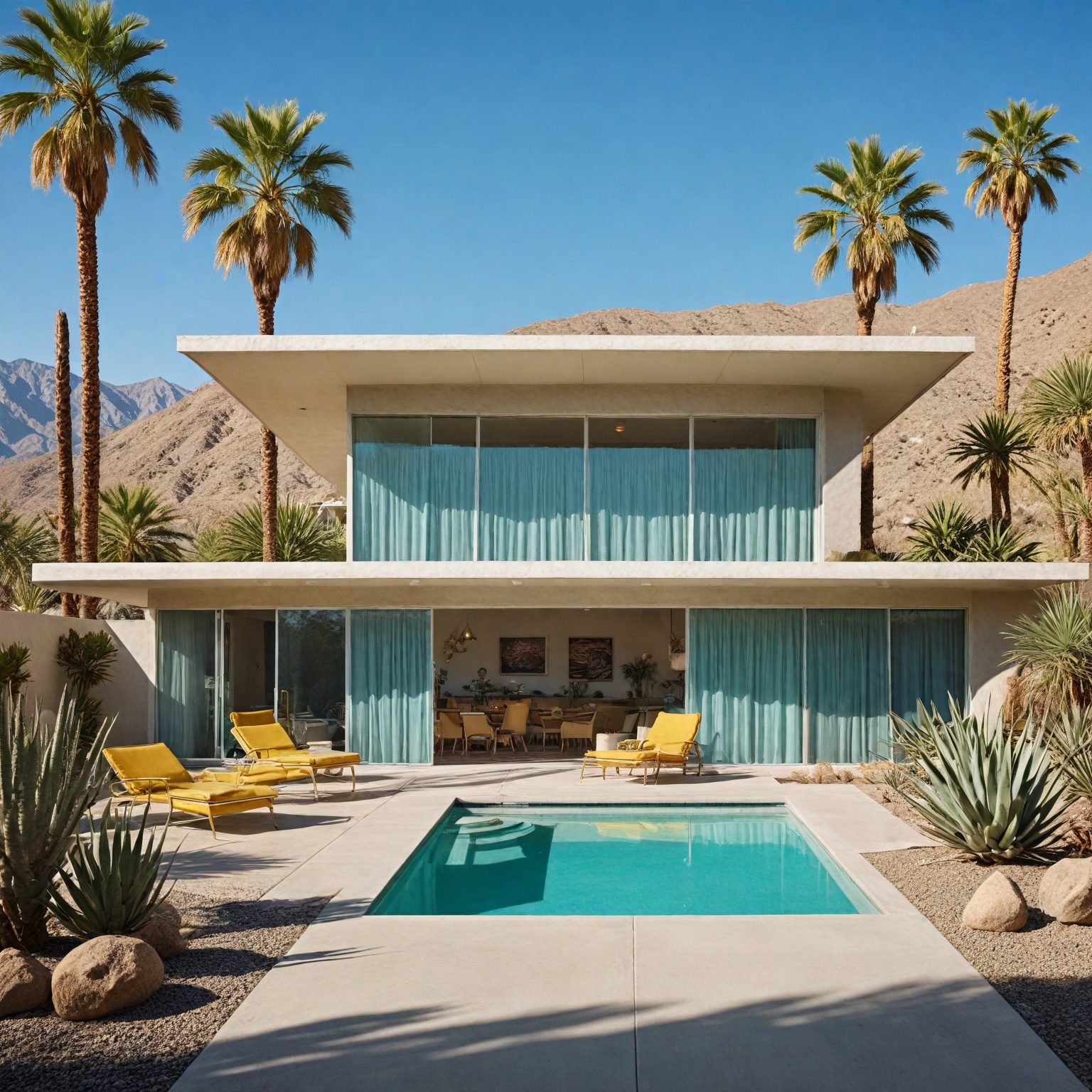
Palm Springs is renowned for its distinctive mid-century modern architecture, which has become emblematic of the city’s cultural and aesthetic identity. This architectural style, often referred to as Desert Modernism, emerged in the mid-20th century as a response to the unique desert environment and the year-round warm climate of the Coachella Valley. It is characterized by clean lines, open floor plans, and a seamless integration of indoor and outdoor living spaces, promoting a relaxed and informal lifestyle.
A hallmark of Palm Springs architecture is the use of natural and manufactured materials such as wood, stone, glass, and steel. These materials help blur the boundaries between the built environment and the natural landscape, creating harmony with the desert surroundings. Architects embraced innovative construction techniques and post-war technologies, employing inventive materials to adapt to the climate while achieving bold modern statements.
Iconic design elements include butterfly rooflines, cantilevered roofs, clerestory windows, brise-soleil screens, and shadow block walls. These features not only provide aesthetic appeal but also functional benefits, such as shading and ventilation suited for the desert heat. One particularly notable element is the use of concrete screen blocks, also known as breeze blocks or ornamental blocks, which serve as permeable walls filtering sunlight and wind while offering privacy. These blocks, popularized by architects like William Krisel and used extensively by developers such as the Alexander Company, form geometric patterns that enhance both function and decoration.
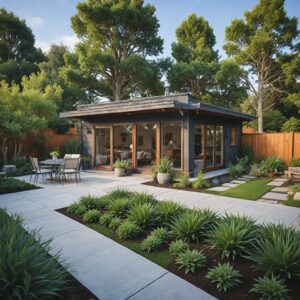
Mid-century modern homes in Palm Springs are primarily single-story with low-pitched roofs and expansive glass walls, designed to maximize natural light and foster an indoor-outdoor connection. Open atriums, sometimes lined with volcanic stone, and pyramidal roofs inspired by ancient architectural motifs can be found in notable properties, exemplifying the blend of modern innovation and artistic influence.
The architectural style also reflects the lifestyle of its original clientele, which ranged from Hollywood celebrities like Elvis Presley and Frank Sinatra to middle-class suburban families. While many homes were custom-designed by prominent architects, tract developments offered opportunities for experimentation and dissemination of modernist ideas to a broader audience.
Interior Design Elements
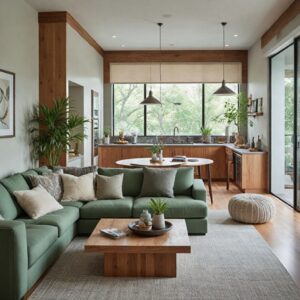
The Palm Springs interior design aesthetic is characterized by a harmonious blend of mid-century modern architecture, natural materials, and a vibrant, playful color palette. Central to this style is the use of organic textures such as wood, stone, and leather, which introduce warmth and an inviting tactile quality to interiors. These natural elements provide a counterbalance to the sleek, minimalist lines typical of mid-century modern design, creating spaces that feel both striking and comfortable.
Color plays a pivotal role in defining the Palm Springs aesthetic. The palette draws inspiration from the surrounding desert environment, featuring sandy beiges, sunny yellows, sky blues, and vibrant oranges. Accent colors are often bold and vivid, including splashes of turquoise, pink, lime green, and red. This dynamic use of color injects energy and personality into interiors while maintaining balance by pairing bright hues with neutral tones such as white, beige, and grey to avoid overwhelming the space.
Furnishings in Palm Springs interiors are not merely functional but serve as artistic statements that complement the overall design narrative. Iconic mid-century modern pieces, including chairs and tables from designers or brands like Ethnicraft and Brownstone Furniture, are frequently incorporated. Lighting fixtures—such as Sputnik chandeliers, tripod lamps, and sunburst mirrors—act as focal points that add a touch of glamour and sophistication to rooms.
Textural variety is achieved through the careful layering of textiles, including throws, rugs, and cushions, which contribute both warmth and visual interest. Natural-fiber rugs and rattan seating further emphasize the organic feel, while indoor plants blur the boundaries between indoor and outdoor spaces, enhancing the tranquil atmosphere.
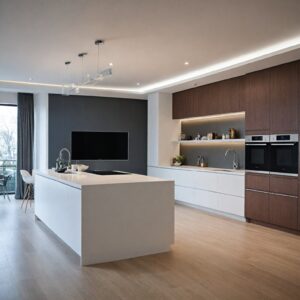
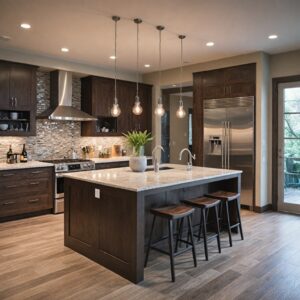
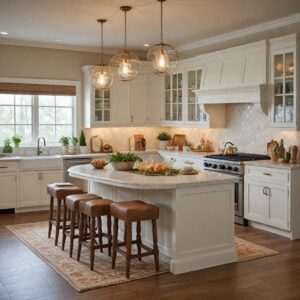
The design often embraces open-plan layouts that facilitate an easy flow between rooms such as kitchens and dining areas, reinforcing the relaxed yet elegant vibe. Unique accessories and geometric patterns—featured in wall coverings, rugs, and artwork—add distinctive character and reinforce the retro-modern fusion that defines Palm Springs style.
Incorporating the Aesthetic in Contemporary Homes
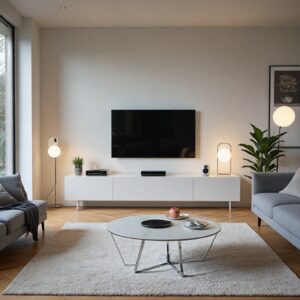
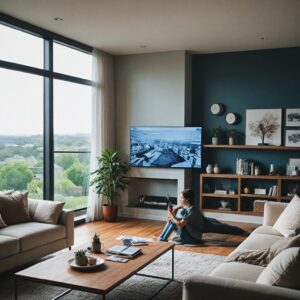
Bringing the iconic Palm Springs aesthetic into contemporary homes involves a careful balance of mid-century modern elements, vibrant colors, and a seamless blend of indoor and outdoor living spaces. Central to this style is the use of a neutral base palette—typically whites, beiges, or light grays—that sets a calm backdrop for brighter accents and furnishings. This foundational choice allows for pops of color through decorative accessories, textiles, and statement furniture pieces, adding energy and visual interest without overwhelming the space.
Furniture plays a crucial role in achieving the Palm Springs look. Opting for mid-century modern pieces characterized by straightforward, sleek lines and organic shapes fosters a clean, uncluttered environment that feels both timeless and functional. Iconic designs such as the Tulip-style table and chairs from brands like Ethnicraft or Community embody this aesthetic, complemented by accessories like Sputnik chandeliers, sunburst mirrors, and tripod or arc lamps that serve as focal points and add a touch of glamour and sophistication.
Material selection emphasizes natural and durable elements such as wood, stone, steel, and glass, which not only contribute warmth and texture but also support the desert-modern ethos of blending the indoors with the outdoors. Breezeblocks and brise-soleil screens are architectural features that help mitigate harsh sunlight while reinforcing the style’s distinct geometric lines and shadow play. Incorporating these elements can make contemporary homes more livable and responsive to their environment.
Indoor plants and greenery are integral to the aesthetic, fostering a tranquil atmosphere and a connection to nature that complements the open-plan layouts commonly found in Palm Springs–inspired interiors. This biophilic touch also enhances the fluidity between indoor and outdoor areas, a hallmark of the style that promotes relaxed, airy living.
When designing living rooms, kitchens, and dining areas, it is essential to maintain an open and uncluttered layout that maximizes natural light and encourages an easy flow between spaces. Avoid overcrowding with excessive furniture or muted color palettes, as these can detract from the vibrancy and spaciousness emblematic of Palm Springs chic. Instead, focus on selecting a few timeless, statement pieces and integrating eclectic elements that add personality without sacrificing simplicity.
Contemporary Evolution and Trends
The Palm Springs aesthetic, deeply rooted in mid-century modernism, continues to evolve while maintaining its iconic principles of simplicity, functionality, and organic integration. Although mid-century modern design originated in the 1950s and 1960s, particularly influenced by the Bauhaus school’s emphasis on unadorned, pure design, it remains a dominant and vibrant style well into the 21st century. Contemporary interpretations blend this heritage with fresh elements, creating spaces that are both timeless and relevant.
One prominent trend is the continued use of traditional materials like wood, alongside innovative choices such as vinyl, plywood, metal, glass, Lucite, and Plexiglass. This juxtaposition enriches the visual and tactile experience within interiors, while bold and neutral colors ensure each home stands out with striking individuality. The integration of various textile textures through throws, rugs, and cushions introduces warmth and visual intrigue, adding a layer of relaxed opulence and retro allure to the modern Palm Springs look.
Architecturally, contemporary Palm Springs homes emphasize single-story, low-pitched structures featuring extensive use of glass and steel to promote indoor-outdoor living, a hallmark of the desert modernism substyle. Clean, geometric landscaping with minimalist elements like rocks and sand complements these designs, creating cohesive environments that highlight both the natural desert setting and the architectural form. The use of natural materials such as wood and stone continues to blur the boundary between man-made structures and the surrounding landscape, underscoring a “less is more” philosophy.
Furniture and décor remain integral, with pieces that serve as both functional objects and artistic statements. Iconic mid-century lighting fixtures like Sputnik chandeliers and sunburst mirrors add glamour and sophistication, acting as focal points within open, uncluttered spaces that prioritize sleek lines and simplicity. This careful curation of interiors upholds the style’s reputation for blending aesthetics with livability.
Community events like Modernism Week celebrate this enduring legacy by fostering education, preservation, and sustainable modern living. Drawing over 120,000 attendees annually, the festival showcases mid-century modern architecture, design, art, and culture through home tours, lectures, films, and exhibitions, reflecting the ongoing relevance and appreciation of the Palm Springs style worldwide.
In sum, the contemporary evolution of the Palm Springs aesthetic honors its mid-century roots while embracing innovation and sustainability, ensuring its place as a timeless and influential design movement well beyond its origins.
Notable Neighborhoods and Architectural Districts
Palm Springs is renowned for its distinctive neighborhoods and architectural districts that showcase a rich variety of styles, particularly emphasizing mid-century modern and Mediterranean influences. Among the most prominent areas featuring contemporary and mid-century modern homes are Canyon Corridor, Little Tuscany, and Old Las Palmas, where the Mediterranean design aesthetic is especially noticeable. These neighborhoods often incorporate materials such as wood, stone, and glass in their construction, creating a harmonious blend of natural elements with sleek modern forms.
Little Tuscany, situated on the hillsides of northwest Palm Springs, is named for its rugged terrain and winding streets reminiscent of Italy’s Tuscany. Developed during the 1930s, this area is well known for its Spanish-influenced and mid-century modern homes designed by notable architects like Richard Neutra, Albert Frey, and E. Stewart Williams. Many of these residences are thoughtfully integrated into the desert landscape, enhancing the region’s organic and minimalist appeal. Albert Frey’s private residential complex, Villa
Influence Beyond Palm Springs
The distinctive Palm Springs aesthetic, rooted in midcentury modern design and Desert Modernism, has had a profound influence that extends well beyond the city’s sun-drenched desert limits. Celebrated for its iconic homes, characterized by clean lines, extensive use of glass, and seamless integration of indoor and outdoor spaces, the style has inspired interior design projects around the world. The unique blend of sleek modernism with organic textures and glamorous accents has made Palm Springs a global touchstone for contemporary design enthusiasts.
Furniture and lighting play a crucial role in conveying the Palm Springs style internationally. Iconic pieces such as the Viggo Chair and Ebonwood Accent Chair, alongside accessories like Sputnik chandeliers and sunburst mirrors, have become synonymous with the look, functioning not only as practical items but also as works of art that elevate interior spaces. This fusion of artistry and functionality reflects the lifestyle ethos of Palm Springs, where simple elegance and informality are paramount, and where design responds directly to the demands of desert living.
Moreover, the cultural and architectural significance of Palm Springs is celebrated annually during Modernism Week, one of the largest gatherings dedicated to midcentury modern design worldwide. Attracting over 120,000 attendees and featuring hundreds of events, the festival fosters global appreciation and education around the movement, promoting preservation and sustainable modern living. The city’s extensive concentration of preserved mid-century modern architecture serves as both a living museum and a continuing source of inspiration for architects, designers, and enthusiasts globally.
In sum, the Palm Springs aesthetic continues to influence contemporary design far beyond its geographic origins, shaping tastes and trends through its unique marriage of modernist principles, desert pragmatism, and glamorous detail.
Real Estate and Market Influence
Palm Springs has long been a magnet for enthusiasts of Mid-Century Modern architecture, attracting buyers who recognize both the cultural significance and financial potential of these iconic homes. Several young architectural aficionados initially purchased modern homes at modest prices, their passion fueling a market that has since seen lucrative returns. This enthusiasm has cemented Palm Springs as one of the premier global destinations for experiencing Mid-Century Modern design firsthand.
Development companies like the Alexander Company played a pivotal role in shaping the local real estate landscape by creating large tracts of housing centered on the modern aesthetic. These developers engaged emerging modern architects, such as Palmer and Krisel, to craft residences that embodied a fresh vision of modern living. While mass-produced housing was generally undervalued within the architectural community at the time, these architects leveraged such projects as experimental grounds for innovative ideas that have become defining features of the region’s style.
The market’s appeal has recently been highlighted by high-profile transactions, including billionaire investor Ron Burkle’s acquisition of iconic Palm Springs properties. Burkle’s portfolio includes the historic Willows Palm Springs Inn and the renowned French restaurant Le Vallauris, which underwent a careful renovation before reopening. Such purchases underscore the ongoing desirability and prestige attached to Palm Springs’ mid-century landmarks.
A notable example of the city’s architectural legacy is the small collection of steel homes originally planned by architect Donald Wexler. Intended as a full neighborhood, only seven were constructed due to soaring material costs, yet these homes have since been designated historical sites. Their design thoughtfully addressed the region’s intense summer heat, incorporating features like open but covered garages to protect vehicles from overheating and exposure.
Architecturally, Palm Springs homes emphasize bold modern materials—glass, steel, and breezeblocks—that not only make a strong visual statement but also enhance livability. Most are single-story with low-pitched roofs, designed to promote an indoor-outdoor lifestyle that harmonizes with the desert environment. These characteristics continue to drive demand among buyers seeking both aesthetic appeal and functional design, maintaining Palm Springs’ status as a dynamic real estate market grounded in its mid-century modern heritage.
Criticisms and Controversies
While the Palm Springs aesthetic, particularly its mid-century modern and Desert Modernism styles, is widely celebrated for its clean lines, organic forms, and seamless integration with the desert environment, it has not been without criticism and controversy. One point of contention arises from the perception that the style, especially in new constructions, caters primarily to second-home owners who often embrace more flamboyant or daring designs that diverge from their typically conservative primary residences. This dynamic has led some critics to argue that such developments may prioritize style over substance, reflecting transient tastes rather than lasting architectural integrity.
Additionally, the emphasis on bold colors and striking design elements, such as brightly painted front doors, can provoke mixed reactions. While these choices serve as personal statements reflecting the homeowner’s style, they sometimes clash with broader neighborhood aesthetics or historic preservation efforts, raising questions about cohesion and authenticity within established communities.
Another controversy relates to the preservation and sustainability of the Palm Springs architectural heritage. Despite events like Modernism Week fostering education and conservation, the surge in popularity and real estate development poses challenges to maintaining the original character of these mid-century modern homes. The influx of wealth and the involvement of high-profile architects have resulted in renovations and new builds that occasionally stray from traditional design principles, sparking debate about modernization versus preservation.
Lastly, the Desert Modernism style, while lauded for its innovative use of materials and adaptation to the desert climate, has faced scrutiny regarding environmental impact. Critics argue that despite its apparent harmony with the natural surroundings, some constructions may contribute to resource strain in the fragile desert ecosystem, highlighting the tension between architectural ambition and ecological responsibility.
The content is provided by Jordan Fields, Home Upgrade News