Summary
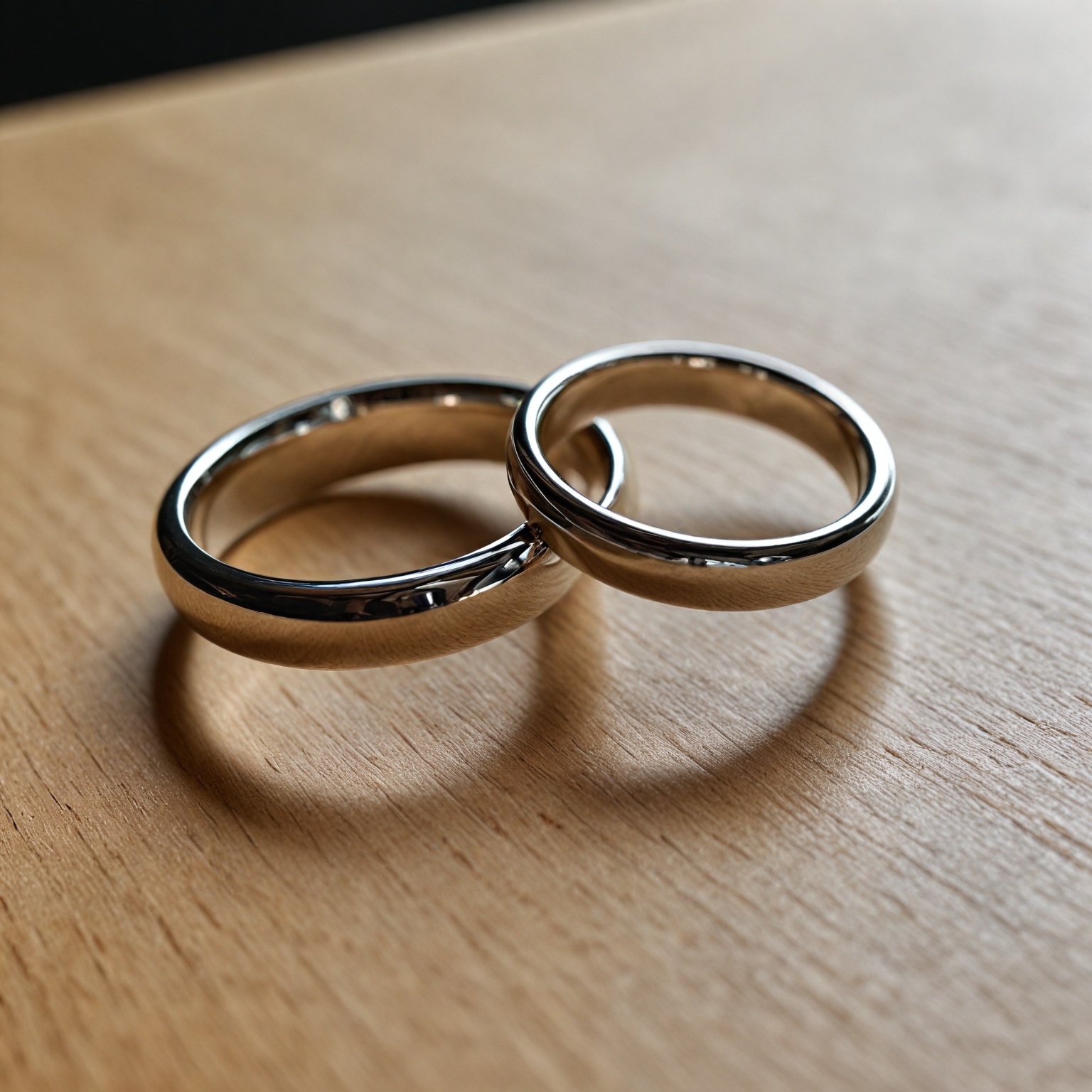
The Apple Smart Ring is a rumored wearable device currently in development by Apple Inc., designed to offer a sleek, minimalist, and discreet alternative to the Apple Watch. Unlike the wrist-worn Apple Watch, the Smart Ring aims to condense health monitoring, gesture control, and device interaction technologies into a compact ring form factor that can be worn comfortably and unobtrusively on the finger. It is expected to integrate closely with Apple’s ecosystem, supporting inputs such as finger presses, hand gestures, voice commands, and gaze detection to control multiple Apple devices including iPhones, iPads, MacBooks, and the Apple Vision Pro headset.
The device is anticipated to feature a durable construction using premium materials such as titanium or stainless steel, along with an array of sensors including photoplethysmogram (PPG) for heart rate monitoring, skin temperature sensors, accelerometers, gyroscopes, and force sensors. These components are expected to enable comprehensive health and fitness tracking, gesture recognition, and haptic feedback via the Taptic Engine, while maintaining extended battery life that could surpass that of the Apple Watch. Software-wise, the Smart Ring is likely to run a streamlined operating system related to watchOS, offering familiar interfaces and seamless integration with Apple’s health and fitness platforms.
Despite significant anticipation and speculation about a potential launch around 2025, the Smart Ring’s development status remains uncertain. Reports indicate possible delays or pauses in the project, with some analysts doubting its imminent release due to concerns about product overlap with the Apple Watch and challenges related to the device’s small form factor. Industry experts remain cautiously optimistic about the ring’s potential to complement existing wearables by providing a subtle and stylish option for continuous health monitoring and intuitive device control.
The Apple Smart Ring represents a notable evolution in wearable technology, seeking to redefine user interaction through a combination of advanced sensors, gesture inputs, and deep ecosystem integration in a form factor that prioritizes discretion and convenience. If released, it could influence the future direction of wearable devices by offering an alternative to bulkier smartwatches and expanding the possibilities of seamless digital engagement.
Background
The concept of an Apple smart ring has been under development for several years, with Apple consistently filing patents related to smart ring technology. Industry insiders have indicated that advanced development for commercialization appears to be imminent, suggesting that Apple is making considerable progress on this wearable device. Unlike the Apple Watch, which integrates a wide array of sensors and computing power into a wrist-worn form, the Apple Ring aims to condense similar capabilities into a much smaller, ring-shaped device. Apple’s potential smart ring is expected to embody a minimalist and discreet design that blends fashion with functionality, making it suitable for both casual and formal settings. Durability and comfort are key priorities, with the device likely constructed from strong, scratch-resistant materials to withstand daily wear. This approach aligns with Apple’s history of producing wearables that combine advanced technology with user comfort and style.
The smart ring is anticipated to serve not only as a health tracker but also as a central hub for user input across Apple’s ecosystem of devices. It may facilitate various types of inputs such as hand gestures, touch, force, voice, pointing, and gaze detection, enabling seamless interaction with other Apple products. Integration with Apple’s platforms—including iOS, iPadOS, macOS, tvOS, visionOS, and watchOS—would provide developers with extensive opportunities to create intuitive, multifaceted experiences.
Despite considerable anticipation and rumors suggesting a possible launch in 2025, reports indicate that development may be on pause or delayed, potentially pushing the release to 2026 or beyond. The absence of new information in early 2025 has led to speculation about whether the project might be postponed indefinitely or even canceled. The iPhone 17 event in late 2025 is currently seen as the final opportunity for an official reveal before the project is considered abandoned.
Design and Build
Apple’s upcoming smart ring is expected to feature a minimalist and discreet design that seamlessly blends fashion with functionality. Drawing inspiration from existing smart rings like the Oura Ring Gen 4 and Samsung Galaxy Ring, Apple aims to create a wearable that complements any outfit, whether casual or formal, without compromising on style. The ring’s lightweight and sleek form factor make it practical for everyday use, allowing users to often forget they are even wearing it.
Durability is a key consideration in the ring’s design, with Apple likely to use strong, scratch-resistant materials such as stainless steel or titanium to ensure the device withstands daily wear and tear while maintaining a stylish appearance. The company’s patent filings describe a ring equipped with force sensors capable of detecting finger presses and transmitting this input to connected devices like VR/AR headsets, highlighting the integration of advanced technology within a refined, compact form.
Hardware Components and Sensors
The rumored Apple Smart Ring is expected to feature a compact yet sophisticated array of hardware components and sensors designed to deliver comprehensive health tracking and seamless device interaction. Constructed from titanium and weighing approximately between 2.3 and 3.0 grams, the ring will incorporate a photoplethysmogram (PPG) sensor to monitor blood volume changes, enabling accurate heart rate detection. Additionally, it will include a skin temperature sensor and an accelerometer, all of which collectively support automatic workout detection and continuous health data gathering.
Beyond health monitoring, the ring is anticipated to embed force sensors capable of detecting finger presses with varying exertion levels, potentially allowing interaction with virtual and augmented reality headsets as well as other Apple devices. This sensor suite is expected to include an accelerometer and gyroscope, facilitating gesture recognition and even handwriting input by tracking finger movements. The integration of PPG with other sensing methods, such as scanning microring imaging (SMI), may further enhance the accuracy of physiological measurements.
Equipped with ultra-wideband technology, possibly via the U1 chip, the Smart Ring could identify the device a user intends to control by pointing gestures, enabling intuitive interaction with iPhones, iPads, MacBooks, and the Apple Vision Pro. This would allow users to perform tasks like swiping through web pages, answering or declining calls, and controlling music playback through subtle finger movements and customizable gesture commands. Furthermore, the inclusion of the Taptic Engine is expected to provide haptic feedback, while inductive charging would offer a convenient power solution.
Despite the rich sensor array, data transmission will likely rely on Bluetooth or similar wireless methods, which may result in less immediate syncing compared to the Apple Watch’s real-time data flow. Nonetheless, the Smart Ring aims to integrate tightly within Apple’s ecosystem, combining health tracking, gesture control, and device connectivity in a sleek, discreet form factor.
Software and User Interface
Apple’s upcoming Smart Ring is expected to run on a streamlined operating system closely related to watchOS, which itself is a pared-down version of iOS. This choice leverages the familiarity and efficiency of existing Apple platforms, enabling seamless integration within the broader Apple ecosystem. The ring’s software will likely support health and fitness APIs, widgets in the Smart Stack, and Live Activities, elevating user content by presenting relevant information precisely when it is needed.
The user interface is designed to be both discreet and highly interactive. The ring is anticipated to utilize haptic feedback through the Taptic Engine, providing subtle notifications and alerts directly to the user’s finger without disturbing others, similar to how the Apple Watch operates. Gesture recognition enabled by embedded accelerometers and gyroscopes will allow users to control multiple Apple devices through intuitive finger movements such as swiping, flicking, and pointing in the air. This could include tasks like navigating web pages, managing calls, controlling music playback, and interacting with Apple’s augmented and virtual reality environments, including the Vision Pro.
Moreover, the Smart Ring’s interface might extend beyond simple device control. Advanced contextual awareness could be achieved via an integrated microphone capable of detecting environmental sounds and voices, allowing the ring to infer the user’s current context and tailor its functionality accordingly. This level of intelligence, combined with the potential to store spatial maps of environments—like kitchen layouts with appliance locations—could enable highly personalized and situational interactions across the user’s connected devices.
Visually, the ring’s interface is expected to feature symbolic iconography similar to that depicted in Apple’s patent filings, offering a minimalist yet effective touchscreen experience on a very small display. Overall, the Smart Ring aims to provide a unified, intuitive, and seamless user experience that enhances how users interact with their Apple devices and digital content throughout their daily lives.
Functionality and Features
Apple’s upcoming Smart Ring is poised to offer a compact and discreet alternative to the Apple Watch, featuring an array of sensors and capabilities designed for health monitoring, device control, and seamless integration within the Apple ecosystem. The ring is expected to be made from premium materials such as titanium and weigh between 2.3 and 3.0 grams, ensuring both durability and comfort for all-day wear.
Health and fitness tracking will be a core component, with embedded sensors including a photoplethysmogram (PPG) for heart rate monitoring, a skin temperature sensor, and an accelerometer to detect movement and activity automatically. These sensors work in concert to provide insights into workouts, sleep patterns, and other health metrics, offering functionality similar to that of the Apple Watch but in a much smaller form factor. Users might also benefit from cycle insights and temperature sensing, extending Apple Health features without the need to wear a larger device.
Beyond health monitoring, the Smart Ring will leverage gesture recognition technology to enable intuitive control of multiple Apple devices. Users could perform specific finger movements to navigate interfaces, adjust volume, scroll through content, or control media playback on iPhones, iPads, MacBooks, and even the Apple Vision Pro headset. For instance, swiping through web pages or answering calls with subtle hand motions could become a seamless experience. The ring’s sensors and visual markers may also enhance hand-tracking capabilities in augmented reality environments, potentially acting as a joystick for VR gaming or providing haptic feedback to enrich interactions with the Vision Pro.
The ring is expected to support device continuity features, allowing users to point and gesture at various connected devices to control them remotely. It may include inductive charging, Force Touch input, and the Taptic Engine for haptic notifications, enabling discrete alerts and tactile feedback similar to those found on the Apple Watch. Notification management is likely customizable, with the ability to create different profiles to control when and how users receive alerts, catering to different contexts such as work or emergency situations.
Additionally, the Smart Ring could incorporate environmental awareness through a built-in microphone that detects voices and sounds to infer the context in which the ring is being used, potentially adapting its functions accordingly. It might also store spatial information, such as kitchen maps with appliance locations, to streamline smart home interactions.
Running on watchOS or a similarly optimized version of iOS, the Smart Ring will integrate tightly with Apple’s ecosystem, providing access to health and fitness APIs, widgets, and Live Activities to keep users informed and engaged without the bulk of a wrist-worn device. This approach aligns with Apple’s history of wearable success, combining advanced technology with user-friendly design to deliver a product that is both functional and desirable.
Battery and Connectivity
Apple’s upcoming smart ring is expected to offer a battery life that surpasses that of the Apple Watch, which typically requires daily charging. While most existing smart rings last several days to up to a week on a single charge, the rumored Apple Ring may extend this duration even further, enhancing convenience for users who prefer less frequent charging. Comparable devices like the Gen 2 RingConn model already deliver an impressive 10 to 12 days of battery life per charge, demonstrating what is achievable within the smart ring category.
In terms of connectivity, smart rings generally rely on Bluetooth or similar wireless protocols to sync health and activity data with nearby smartphones. However, unlike the Apple Watch, which can transmit data to the iPhone in real-time, smart rings often face limitations in continuous data syncing due to power constraints and smaller antenna sizes. This trade-off is largely influenced by the compact form factor of smart rings, which restricts the size and number of components that can be integrated, including batteries and communication modules.
Despite these challenges, the Apple Ring is anticipated to work seamlessly with other Apple devices, potentially complementing the Apple Watch and iPhone by offering additional health tracking and subtle notifications while conserving battery life. Such integration could leverage the device’s energy efficiency to provide continuous monitoring without frequent recharging, positioning the Apple Ring as a sleek and discreet alternative for users seeking extended wearability and connectivity.
Market Position and Comparison
Apple’s anticipated smart ring is positioned to enter a competitive yet niche market dominated by a few key players, most notably the Oura Ring and Samsung’s Galaxy Ring. The Oura Ring, launched in 2015, has established itself as a prominent wearable by combining health tracking sensors with an elegant jewelry-like design, setting a high standard for discreet smart rings. Samsung’s Galaxy Ring similarly integrates health monitoring with gesture controls and Find My Device capabilities, presenting a feature set that may closely resemble the rumored Apple Ring.
Apple’s smart ring is expected to leverage the company’s expertise with the Apple Watch, potentially offering a comparable array of sensors including heart rate monitoring, accelerometers, gyroscopes, haptic feedback via the Taptic Engine, and even advanced inputs such as handwriting recognition and gesture control. However, this presents a unique challenge: the smaller form factor limits the technologies that can be incorporated and reduces interaction options for users compared to the Apple Watch. Additionally, Apple must distinguish its product by identifying a unique selling point that sets the ring apart not only from competitors but also from its own existing product lineup, as the ring could cannibalize Apple Watch sales if not properly differentiated.
In terms of design philosophy, the Apple Ring is expected to emphasize a minimalist, stylish aesthetic that balances fashion and functionality, making it suitable for both casual and formal wear. Durability is anticipated to be a priority, with the use of premium, scratch-resistant materials such as stainless steel or titanium to ensure the device can withstand everyday wear. This focus on sleekness and practicality aligns with broader trends in wearable tech, where unobtrusiveness and comfort—qualities already praised in competitors like the Ultrahuman Ring Air and Galaxy Ring—are critical for user adoption.
While Apple is known for creating integrated ecosystems and seamless user experiences, the smart ring’s success will depend heavily on its ability to facilitate diverse input methods—including hand gestures, touch, voice, and gaze inputs—thereby enhancing the utility of companion devices beyond traditional health tracking. This approach could redefine how users interact with their connected devices, distinguishing the Apple Ring from existing smart rings that primarily focus on health metrics.
Ultimately, the Apple smart ring is poised to be a sleek and discreet alternative to the Apple Watch, targeting users seeking a less obtrusive wearable that still offers advanced functionality. Its success in the market will hinge on how effectively Apple can balance innovation, design, and integration within an already competitive landscape.
Development Status and Release
The development and release timeline of Apple’s rumored smart ring remain highly uncertain and subject to conflicting reports. Initial rumors suggested a potential launch in 2025, highlighting features such as health tracking, gesture controls, and seamless integration with the Apple ecosystem, with an expected price range between $300 and $500. Some sources even indicated that Apple had been consistently filing smart ring patents, and that advanced development for commercialization appeared imminent.
However, authoritative voices have cast doubt on these prospects. In October 2024, renowned Apple analyst Mark Gurman reported that Apple had no plans to release a smart ring, arguing that such a device would detract from the Apple Watch and potentially cannibalize its sales. According to Gurman, there have been no signs of in-house development, making a 2025 launch very unlikely. This stance was challenged shortly after by CSS Insight chief analyst Ben Wood, who suggested the possibility of a release in 2026.
Additional speculation from South Korean leaker yeux1122 supports the notion that
Reception and Future Outlook
The rumored Apple Ring has generated considerable anticipation as a sleek and discreet alternative to the Apple Watch, attracting attention from both tech enthusiasts and health tracking users. Early speculation suggests that the device will integrate deeply with the Apple ecosystem, offering features such as health monitoring, gesture controls, and seamless notifications while being worn unobtrusively on the finger.
Reception among potential users and industry observers has been cautiously optimistic. Wearable tech experts note that the Apple Ring could complement existing devices rather than replace them, as each offers distinct functionalities. For instance, users who combine the Apple Watch with other wearables like the Oura Ring have reported benefits from using multiple devices tailored to different activities and contexts. The Apple Ring’s capacity for continuous wear and discreet interaction could appeal to those seeking a less bulky or more subtle smart device.
Looking ahead, Apple is expected to announce the Smart Ring possibly during a major event such as the Worldwide Developers Conference (WWDC) or a fall product launch in 2025. Pricing rumors estimate a cost between $300 and $500, positioning it as a premium accessory within Apple’s product lineup. Industry experts predict that the ring will expand on health tracking features already successful on the Apple Watch, potentially including advanced sensors for biometric data and gesture-based controls that enhance user interaction without the need to access a screen.
Despite the excitement, questions remain about the specific functionalities and exact launch timeline for the Apple Ring. Apple’s inquiries to Apple Watch users hint at ongoing research to refine the device’s capabilities and ensure it meets user needs effectively. As wearable wellness technology continues to evolve, the Apple Ring is poised to be a significant player, potentially shaping the future of how users engage with their digital environments in a seamless and unobtrusive manner.
The content is provided by Blake Sterling, Home Upgrade News