
Summary
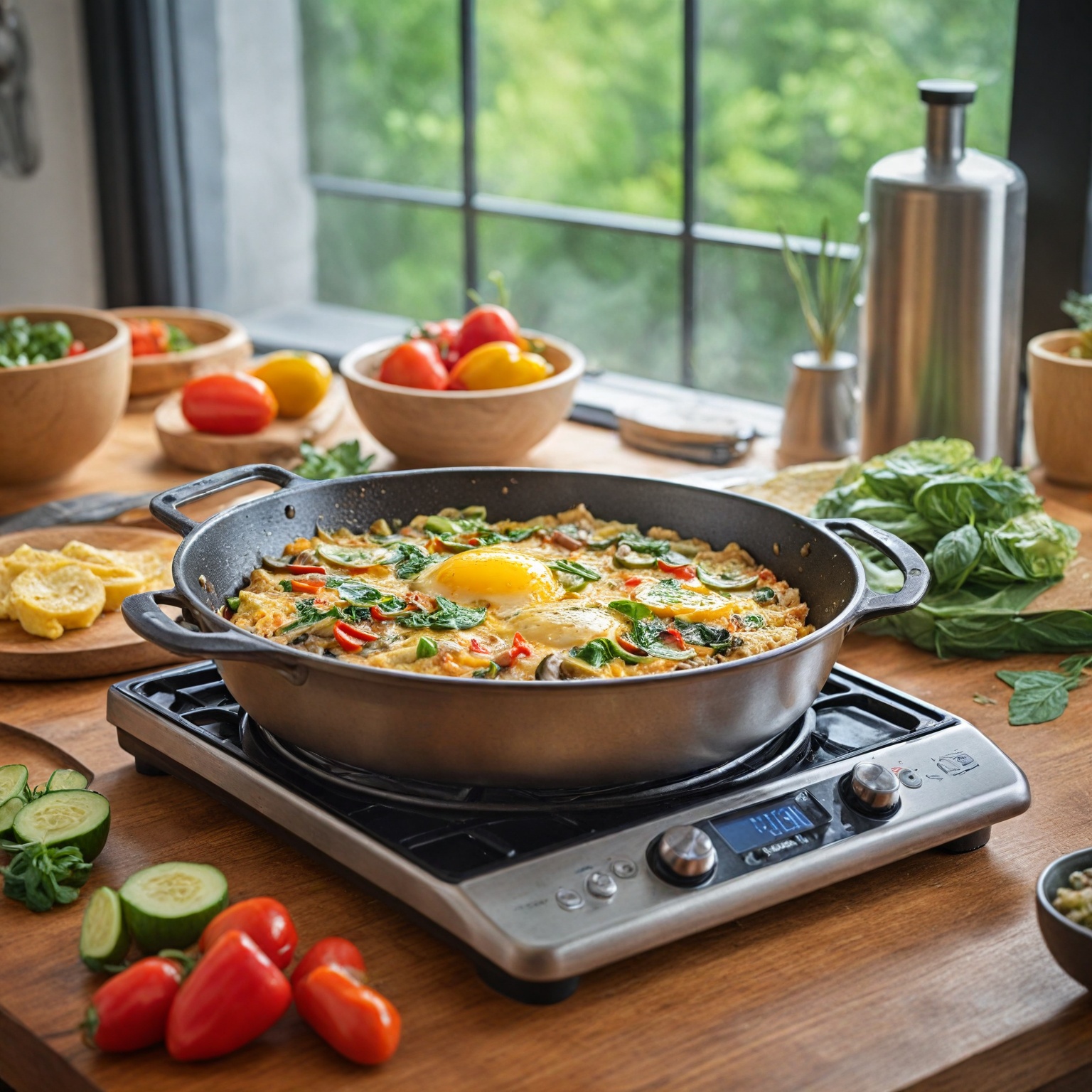
The veggie omelette roll is a versatile and nutritious egg-based dish that combines beaten eggs with a variety of sautéed vegetables and cheese, rolled or folded into a compact, flavorful meal. This preparation offers a creative twist on the traditional omelette, emphasizing fresh ingredients like bell peppers, mushrooms, spinach, and zucchini to enhance both texture and taste. Its adaptability makes it popular among vegetarians and those seeking a wholesome, protein-rich option suitable for any meal of the day.
Rooted in a culinary tradition that spans centuries and cultures, the omelette itself traces back to ancient Persia and evolved through French cuisine before gaining widespread popularity globally. The veggie omelette roll reflects this history while embracing modern preferences for plant-forward and customizable dishes. Cooking techniques often include sautéing vegetables to tender perfection, incorporating dairy or water into eggs for fluffiness, and using oven-safe skillets to finish cooking under a broiler, ensuring an even, non-runny texture without the need for flipping.
Beyond its flavor and nutrition, the veggie omelette roll is notable for its flexibility in preparation and serving styles. Variations range from simple stovetop folds to baked versions topped with sour cream, accommodating diverse dietary needs and culinary skills. Equipment choices like non-stick pans and specific spatulas help maintain the omelette’s structure, making the dish accessible for home cooks and professional chefs alike.
While generally celebrated for its wholesome ingredients and ease of preparation, discussions around the veggie omelette roll occasionally address challenges such as achieving the perfect fluffy texture and balancing moisture to prevent sogginess. Nonetheless, its enduring appeal lies in the harmonious blend of nutrition, flavor, and convenience, securing its place as a favored dish within the broad omelette family.
History and Origins
The omelette, a beloved egg dish enjoyed worldwide, has a rich and somewhat mysterious history that is difficult to trace definitively. The term “omelette” itself is of French origin, first officially appearing in the late 17th century in the cooking publication Cuisine Bourgeoisie, although an earlier form of the word, “alumete,” was used as early as the 14th century to describe a similar preparation. The evolution of the word reflects the deep roots the dish has in European culinary traditions.
Despite its strong association with French cuisine, the concept of beaten eggs cooked and often folded around various fillings is found globally, with many cultures claiming their own variations. For instance, omelettes are believed to have originated in ancient Persia, where a dish called kookoo sabzi—an herb-filled egg preparation—bears striking resemblance to the modern omelette. This suggests that the technique of cooking eggs with assorted ingredients has ancient and multicultural origins.
In the United States, the Western omelette (sometimes called the Denver omelette) is thought to have been influenced by Chinese immigrants who introduced dishes like Egg Foo Young, a savory omelette with vegetables and proteins. This culinary cross-pollination highlights how traditional egg dishes adapted and evolved within the multicultural context of the American West.
Throughout history, the omelette has embraced a wide variety of fillings and preparation styles, from the simple French version to more elaborate combinations featuring vegetables, meats, and cheeses. Variations include vegetarian-friendly versions filled with Mediterranean or other vegetables, which can be cooked in a pan and finished in the oven to achieve a golden crust. These diverse iterations demonstrate the omelette’s versatility and enduring popularity across different cuisines and dietary preferences.
Ingredients
A delicious veggie omelette roll can be made using a variety of fresh vegetables and cheeses, allowing for customization based on personal taste. Common vegetables include onions, bell peppers, mushrooms, spinach, zucchini, broccoli, carrots, Brussels sprouts, cauliflower, and fresh herbs. These vegetables are typically sautéed until tender before being added to the omelette, providing both flavor and texture.
The base of the omelette consists of eggs beaten together with milk, cream, sour cream, or even cottage cheese to create a fluffy texture. Adding a small amount of water—approximately one tablespoon per egg—can slow the cooking time and help the eggs become light and airy.
Butter or olive oil is used both for sautéing the vegetables and for cooking the omelette itself, enhancing richness and preventing sticking. When it comes to cheese, options such as Swiss, Gouda, Cheddar, Mozzarella, Feta, or Cheddar Jack are popular choices that complement the vegetable flavors well.
Seasoning generally includes salt and pepper, but can be adjusted according to preference. The combination of protein-rich eggs, nutrient-packed vegetables, and flavorful cheese makes this omelette a wholesome and versatile dish.
Equipment
To prepare a perfect veggie omelette roll, selecting the right equipment is essential. A cast iron skillet or any pan that is oven-safe is highly recommended, as it allows you to finish cooking the inside of the omelette under the broiler, ensuring it is not runny without the need to flip it. Using a non-stick pan with plenty of butter can also help prevent the omelette from sticking, especially if you opt for egg white-only versions.
Additionally, having a steamer or microwave can be useful if you plan to briefly heat the omelette roll before serving, similar to reheating methods used for other rolled dishes like spring rolls. A spatula suited for gentle folding rather than flipping will aid in maintaining the omelette’s texture and shape. Finally, a toaster may be handy if you wish to prepare toast to accompany your omelette, enhancing the meal experience.
Preparation
To prepare a delicious veggie omelette roll, start by whisking together the eggs with dairy or water to achieve a smooth mixture. It is recommended to add one tablespoon of water per egg to help create a fluffier texture and slow down cooking, allowing the egg proteins to foam up effectively. Season the mixture with salt and pepper to taste.
Next, sauté the chosen vegetables in butter or olive oil over medium heat until tender. Common vegetables include onions, bell peppers, mushrooms, and spinach, though the recipe is versatile enough to incorporate Brussels sprouts, cauliflower, carrots, broccoli, or Mediterranean-style vegetables. Cook the vegetables for about 4 to 5 minutes, adding spinach last to allow it to wilt properly. Once cooked, remove the veggies from the pan and set them aside.
Clean the skillet if necessary, then melt a tablespoon of butter over medium heat before pouring in the egg mixture. Allow the eggs to cook undisturbed for 1 to 3 minutes until the bottom begins to set. Gently lift the edges with a spatula and tilt the pan to let the uncooked eggs flow underneath, repeating this process until no liquid remains on top. When the eggs are almost cooked through, spread the sautéed vegetables over half of the omelette and add cheese if desired.
Finally, fold the omelette in half or into thirds and cook for an additional minute to ensure thorough cooking and melting of the cheese. Alternatively, the omelette can be finished under a grill or broiler to brown the top without flipping. For a baked variation, the omelette can be assembled with pre-cooked vegetables, topped with sour cream, and baked in a dish until golden brown. This method yields a versatile, flavorful veggie omelette roll ready in approximately 10 minutes.
Cooking Process
To prepare the veggie omelette roll, begin by heating olive oil or butter in a medium skillet over medium heat. Add chopped onions, bell peppers, mushrooms, and season with salt and pepper. Sauté the vegetables for about 3 to 5 minutes until they become tender, adding spinach during the last minute to allow it to wilt. Once cooked, transfer the vegetables to a bowl and set them aside.
Next, beat together eggs, milk, and seasoning such as salt and pepper in a separate bowl. Melt butter in the same skillet over medium heat, swirling it to coat the bottom evenly. Pour in the egg mixture and cook undisturbed until the edges begin to set and the bottom lightly browns, which usually takes about a minute. To ensure an even cook, gently tilt the pan to allow uncooked eggs to flow to the edges.
When the omelette is about three-quarters cooked, spoon the sautéed vegetables evenly over one half of the egg mixture. Carefully slide half of the omelette onto a plate and fold the other half over the top to create a roll or half-moon shape. Continue cooking the folded omelette in the pan for an additional minute, flipping it gently if desired, to ensure the inside is thoroughly cooked without overcooking the eggs.
Alternatively, for a hands-off approach, after sautéing the vegetables and removing them from the pan, pour the egg mixture into the skillet and place it under a grill or broiler. This method requires no flipping and cooks the omelette evenly from above.
For thicker omelettes, use a smaller skillet or increase the number of eggs and vegetables accordingly, but keep in mind that cooking times may vary. The omelette can be seasoned to taste and served immediately for the best flavor and texture.
Texture and Flavor Enhancement
Achieving the ideal texture in an omelette often depends on the fat content used in the recipe. Higher fat content, such as using full-fat dairy or cooking fats, contributes to a richer and creamier texture, though low-fat alternatives can be substituted if necessary without significantly compromising the final result. To enhance flavor and nutrition, adding ingredients like spinach and crumbled bacon during the final stages of cooking—particularly when adding cheese—can introduce a delightful savory complexity while also incorporating vegetables for a balanced meal.
The technique of cooking also plays a crucial role in texture and flavor. Using a smaller skillet can yield a thicker omelette, allowing for a heartier bite and better incorporation of fillings. Additionally, employing a cast iron skillet or an oven-safe pan enables finishing the omelette under a broiler, which helps to set the inside without leaving it runny, thereby improving overall mouthfeel and ease of folding without the need for flipping.
Rapidly stirring the egg mixture over medium-high heat while sliding the pan back and forth ensures the eggs spread evenly and begin to set uniformly. Allowing the bottom to brown slightly before folding adds a subtle crispness that enhances texture and flavor.
Avoiding common mistakes such as over-whipping the eggs is essential for maintaining a desirable omelette consistency. Excessive whipping can lead to a less cohesive structure and a loss of tenderness, detracting from the ideal fluffy yet delicate texture. By balancing the preparation techniques and ingredient choices, one can consistently produce an omelette that is both flavorful and texturally pleasing.
Variations
Omelettes have a rich history with diverse variations found worldwide, making it difficult to pinpoint their exact origin or inventor. The French term “omelette” first appeared in the mid-16th century, evolving from earlier forms such as “alumelle” and “alumete” used in the 14th century, and later variants like “aumelette” in the 17th and 18th centuries. This historical progression highlights the omelette’s longstanding culinary presence in French cuisine.
Globally, numerous unique omelette styles reflect local ingredients and tastes. Examples include Greek, Spanish, Japanese, and Indian omelettes, each offering distinct flavor profiles and preparation methods. The Western omelette, for instance, carries cultural significance and a storied history within American cuisine, characterized by ingredients such as ham, bell peppers, and onions.
When it comes to vegetarian adaptations, omelettes often incorporate a variety of sautéed vegetables like onions, mushrooms, red bell peppers, and spinach to enhance flavor and texture. Cheeses such as cheddar jack, mozzarella, or feta are commonly added to enrich the dish. Techniques to achieve a softer, creamier omelette include adding milk or grated cheese to the egg mixture or separating egg whites from yolks and seasoning the yolks with salt and Parmesan before cooking.
These variations demonstrate the omelette’s versatility, allowing cooks to customize ingredients and techniques to suit personal preferences and regional culinary traditions.
Nutritional Information
The veggie omelette roll is a nutritious meal packed with protein and vitamins primarily from eggs, which provide a strong start to the day. The inclusion of various vegetables such as zucchini, shaved Brussels sprouts, red onion, oyster mushrooms, garlic, green onion, red bell peppers, and spinach adds fiber, vitamins, and minerals, enhancing the overall nutrient profile of the dish.
The use of milk, cream, sour cream, or even cottage cheese in the egg mixture can contribute additional calcium and creaminess, while butter is used both for sautéing the vegetables and cooking the omelette, adding healthy fats and flavor. To increase the softness and richness of the omelette, grated cheese or Parmesan can be incorporated into the eggs, which also boosts the protein and calcium content.
Although precise nutritional values are not currently available, the dish’s nutrient content is estimated based on USDA Food Composition Database data and similar online nutrition calculators. The recipe is flexible, allowing substitutions or additions of other vegetables with similar preparation methods, which can slightly alter the nutritional content but generally maintain a healthy balance. Percent daily values are based on a 2,000 calorie diet.
For individuals following medically restrictive diets, it is recommended to consult with a healthcare provider or registered dietitian before preparing this recipe to ensure it meets personal nutritional needs.
Serving Suggestions
A veggie omelette roll can be enjoyed in a variety of ways to suit personal preferences and enhance the dining experience. One popular approach is to customize the filling by adding your favorite vegetables and cheeses, allowing you to create a personalized “perfect omelette” tailored to your taste. Commonly used vegetables include zucchini, shaved Brussels sprouts, red onion, oyster mushrooms, garlic, green onion, red bell peppers, and spinach. Even when cheese is omitted, the combination of fresh veggies can yield a delicious and satisfying result, especially when topped with salsa or other flavorful condiments.
To complement the omelette, it is often suggested to toast some bread as a side, providing a crunchy contrast and making the meal more complete. Additionally, the omelette pairs well with dips, especially in variations like the Japanese rolled omelette where pieces are served alongside flavorful sauces. Experimenting with different fillings and finishing touches, such as various cheeses or salsas, can further enhance the dish and keep it exciting over multiple preparations.
For ease of cooking and serving, using a non-stick skillet and a heat-resistant rubber spatula can help achieve a perfect flip without tearing the omelette, ensuring it maintains its shape and texture when presented on the plate. Whether enjoyed as a quick breakfast or a wholesome meal, the veggie omelette roll is versatile and adaptable to many culinary preferences and occasions.
Storage and Reheating
To maintain the freshness and flavor of your veggie omelette roll, it is best to store it in an airtight container in the refrigerator. When ready to serve, gently reheat by steaming briefly or microwaving on High for about 30 seconds to warm it without drying out the roll. Avoid overheating to preserve the omelette’s texture, as it will continue to cook slightly even after removal from heat during the initial cooking process.
If reheating in a skillet, warm the pan over medium-high heat before placing the omelette roll in it. This method helps to evenly heat the omelette while maintaining its moisture and preventing it from becoming tough. Careful reheating ensures that the omelette remains tender and flavorful, making it a convenient and delicious option for a quick meal.
The content is provided by Blake Sterling, Home Upgrade News