
Summary
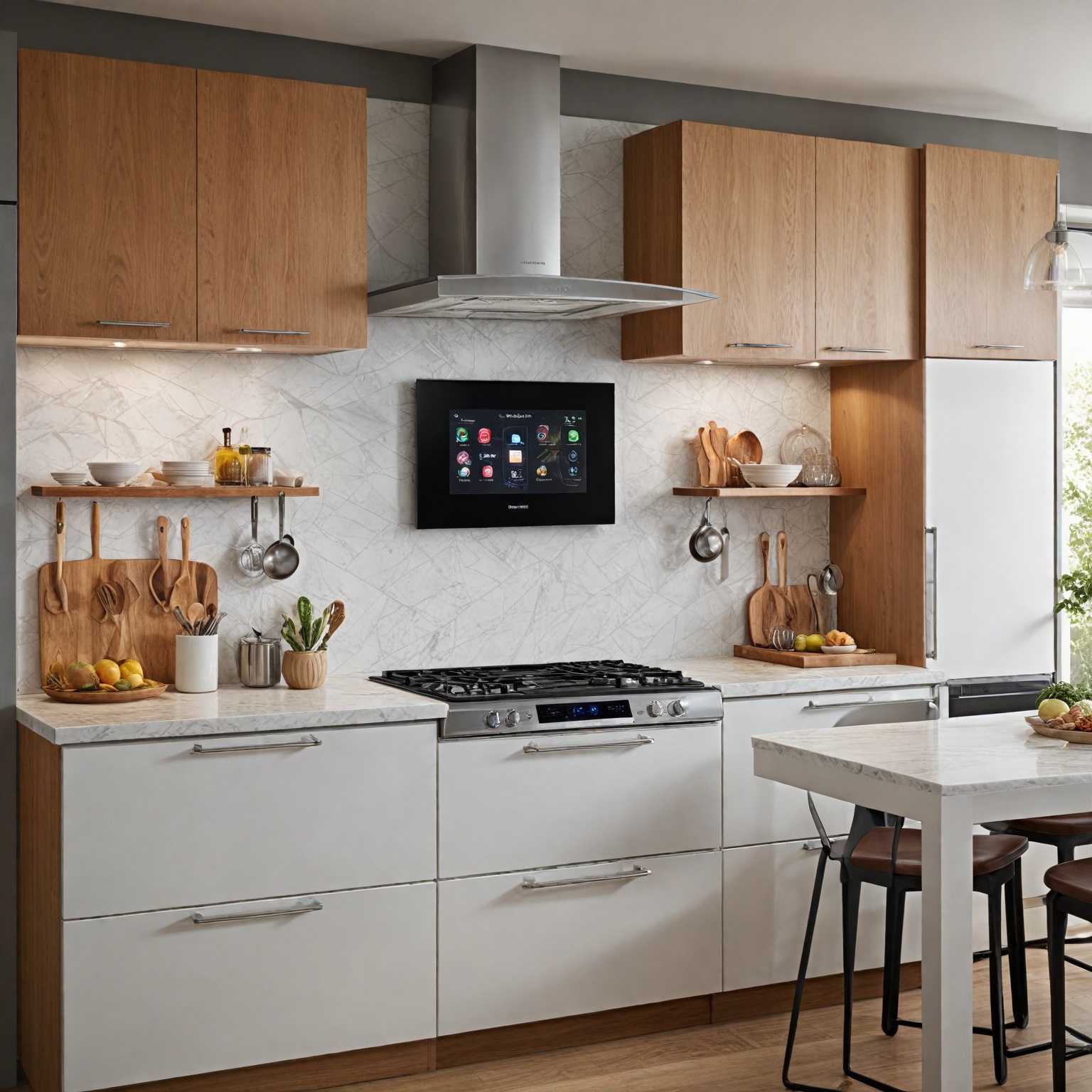
The Smart Home Kitchen Suite consolidates advanced appliances and technologies to minimize kitchen chaos for families, potentially reducing daily disruptions by up to 70%. Key features such as AI-driven food monitoring, in-oven cameras, and smart touchscreens improve accuracy and convenience. The suite’s ecosystem promotes energy efficiency and personalized experiences while integrating seamlessly with platforms like Amazon Alexa and Google Assistant. However, users must be cautious of privacy concerns, connectivity issues, and the complexities involved in system customization.
Smart Kitchen Suite Overview
This suite enhances the cooking experience with AI technology and user-friendly design. Features such as a smart touch screen, in-oven cameras, and precise food temperature detection allow for more accurate cooking and meal preparation. Intuitive automation and connectivity with apps enable remote monitoring and alerts, helping families streamline kitchen chaos and improve efficiency.
Key Appliances and Features
Central components include smart refrigerators with inventory tracking and cameras, which help manage food efficiently and minimize waste. Smart ovens adjust temperature and cooking times automatically, while intelligent dishwashers recommend optimal wash cycles. This suite also offers innovative storage solutions tailored for family workflows, creating a more organized cooking environment and enhancing accessibility.
System Architecture and Integration
The suite operates on a robust architecture that facilitates seamless communication among appliances. Central hubs manage device interactions, allowing for remote control through protocols like Wi-Fi and Zigbee. This integration supports compatibility with third-party services, further simplifying kitchen management and automating tasks for busy households.
Core Features and Usability
Smart kitchens prioritize convenience, safety, and energy efficiency. Remote control via apps and voice assistants allows users to manage appliances easily. Built-in safety mechanisms and continuous monitoring enhance user protection, while integration with existing technologies promotes seamless functioning within the kitchen ecosystem.
User Interface Evolution
Modern smart kitchens focus on user-friendly interfaces that adapt to individual needs. Voice and gesture controls simplify interactions, allowing hands-free operation. Advanced communication protocols enhance compatibility and personalization, with ongoing innovations aimed at improving user experiences across devices.
Optimizing Workflow for Families
Designing kitchen zones based on daily activities helps reduce chaos. Techniques like batch preparation streamline weeknight cooking and organization systems keep areas tidy. Smart appliances and custom storage solutions enhance both efficiency and accessibility for family members, making daily cooking tasks less stressful.
Security and Privacy Considerations
Security is crucial when integrating smart technology into kitchens. Users should ensure data encryption and manage privacy settings to maintain control over personal information. A secure home network is essential, highlighting the importance of robust passwords and regular firmware updates to protect against vulnerabilities.
Benefits and Impact on Daily Life
Smart kitchen suites significantly enhance convenience for busy families by simplifying meal preparation and kitchen organization. Innovative features boost safety and energy efficiency, reducing potential hazards while helping households manage their routines more effectively. This technology transforms kitchen dynamics, contributing to smoother daily operations.
User Insights and Experiences
Families report improved kitchen organization and communication from integrating smart technologies. Streamlining appliance management and food monitoring can optimize daily routines, balancing demands with efficient tech support. Safety features and practical alerts reassure users, maintaining safety and control even in busy or shared environments.
Market Trends and Innovations
The market for smart kitchen technologies is growing as families seek efficient solutions for their busy lifestyles. Businesses are increasingly developing innovative, interconnected appliances that offer cross-platform integration and cater to evolving consumer demands. Key players emphasize ease of use and advanced automation, enhancing the overall kitchen experience.
Technological Advancements
Innovations in smart kitchen appliances have significantly improved functionality and convenience. The ability to communicate with voice assistants streamlines operations, while energy-efficient designs contribute to sustainability. Future developments will further enhance compatibility and automation within kitchens, promoting healthier and more connected living environments.
Critiques and Limitations
Despite the advantages, smart kitchens face challenges like alert fatigue, which can diminish trust in technology. Connectivity issues may also complicate installation and usability, impacting user experience. Additionally, future advancements must stay adaptable to avoid rapid obsolescence as technology evolves.
Future Outlook
The future of smart kitchens lies in improving interoperability and enhancing user convenience through standardized protocols. As devices from various manufacturers become more integrated, kitchens will transform into cohesive ecosystems. Emphasis on security and personalized services will continue to shape smart technologies, addressing varied family needs and evolving consumer expectations.
The content is provided by Jordan Fields, Home Upgrade News