Summary
Transforming Tradition: A Stunning Minimalist Makeover of a Century-Old Family Duplex is a celebrated architectural renovation project that reimagines a 1930s duplex located in a historic Mid-South neighborhood known for its diverse early 20th-century residential styles. Retained within the same family for generations, this century-old property underwent an extensive minimalist transformation aimed at preserving its historic character while adapting the space for contemporary living. The project exemplifies a thoughtful balance between heritage conservation and modern design, showcasing how traditional architecture can be sensitively updated through minimalist principles.
The renovation involved a multidisciplinary team that carefully navigated structural challenges, permitting complexities, and the preservation of original materials such as exposed brick and wooden beams. Key interventions included reconfiguring interior layouts to enhance natural light and spatial flow, introducing modern finishes that complement historic features, and incorporating a sculptural staircase as a striking architectural centerpiece. This approach aligns with a broader architectural movement emphasizing “architectural empathy”—preserving the embedded energy of historic buildings through adaptive reuse rather than replacement.
Set within the architecturally rich Evergreen Historic District, the duplex’s makeover resonates with neighborhood efforts to maintain historic integrity while embracing sustainable, minimalist living. The project has garnered critical acclaim for its innovative design solutions and environmental consciousness, receiving attention from preservation experts and design media alike. Its success illustrates the potential of combining traditional craftsmanship with contemporary aesthetics to revitalize aging structures in historic urban contexts.
Despite challenges such as supply chain delays and regulatory hurdles, the project’s integrated design-build methodology and commitment to preserving authentic materials ensured a seamless execution. The renovation has since been recognized for meeting stringent historic preservation standards and qualifying for related financial incentives, underscoring its role as a benchmark in the field of heritage renovation and minimalist architecture.
Background
The duplex in question is a century-old family property originally built in the 1930s, situated within a historic neighborhood known for its architectural diversity that includes bungalows, foursquare buildings, and stately homes. Such neighborhoods reflect the transitions and evolution in residential architecture typical of the Mid-South region. Duplexes during this era were often constructed as an affordable yet practical housing option, providing spatial separation while fitting within the urban fabric of single-family neighborhoods. This form of multi-family housing gained popularity not only for its economic viability but also because homeownership was more difficult to attain at the time due to shorter mortgage terms and higher savings requirements.
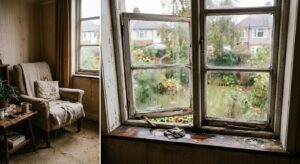
The property has remained within the same family for generations, originally acquired by the husband’s great grandmother who used it as an income property. It was later inherited by his grandmother and currently by his parents, who have taken on the task of restoring and renovating the duplex to preserve its legacy as a cherished family heirloom. Years of rental use had left the property in poor condition, necessitating a thoughtful renovation that both respects the historic character of the building and adapts it to modern living needs.
Architecturally, the duplex reflects traditional design elements common in early 20th-century homes, such as high ceilings and distinctive period features that contribute to its unique character. The renovation aimed to balance this heritage with minimalist principles, preserving important structural elements while incorporating contemporary aesthetics and technologies. This approach aligns with a broader trend of honoring historic architecture through sensitive modern interventions that create a dialogue between past and present styles.
Planning the Makeover
The planning phase of the makeover was critical in balancing respect for the century-old family duplex’s traditional architecture with the desire to create a minimalist and functional living space. A multidisciplinary team, including architects, craftsmen, project managers, and structural engineers, was assembled to ensure efficient coordination and timely execution of the renovation. This integrated approach allowed for streamlined decision-making and facilitated collaboration between design and construction professionals, minimizing misunderstandings and delays often encountered in traditional architect-builder relationships.
Key considerations during planning involved preserving the home’s historic character while introducing modern elements that enhanced light, space, and flow. For example, the design embraced strategies such as removing select interior walls and inserting new windows to amplify natural light and create an airy ambiance reminiscent of the original bungalow style. These interventions also helped blur the boundary between interior and exterior spaces, a hallmark of both the traditional design and the contemporary minimalist aesthetic.
The team prioritized the thoughtful selection of materials and finishes that honored the home’s legacy but aligned with a lighter color palette and clean lines to reflect the minimalist vision. Modular furniture and clever storage solutions were incorporated early in the design process to maximize functionality without compromising spatial simplicity.
Additionally, the planning stage involved carefully evaluating structural modifications, such as dormer conversions, which, though labor-intensive and costly, promised to expand headspace and usable floorspace, thereby adding long-term value and comfort. Legal compliance was rigorously addressed by the architects throughout the schematic design and construction document phases to avoid costly rework or code violations.
The Minimalist Transformation
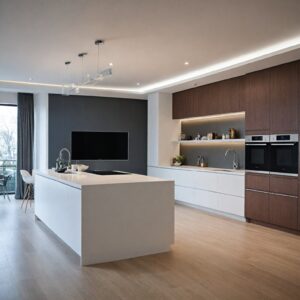
The transformation of the century-old family duplex into a minimalist masterpiece embodies a sophisticated approach that celebrates simplicity and tactility over ornate detail, adhering to the modern mantra of “less is more”. This renovation embraced the essence of minimalist design by paring down elements to their most basic forms while honoring the building’s original architectural significance. The minimalist aesthetic was carefully woven through every aspect of the remodel, from structural reconfigurations to material selections, creating a serene and refined living environment.
Key to the transformation was the thoughtful integration of spatial layout changes that enhanced both functionality and flow. For example, the original poorly organized bathrooms were reimagined, splitting a large, inefficient space into a smaller hall bath and an additional bedroom, reflecting the minimalist principle of purposeful use of space. The master suite layout was also reworked to accommodate a walk-in closet, optimizing the home’s spatial efficiency without compromising its clean, classic feel.
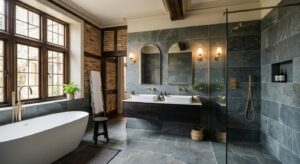
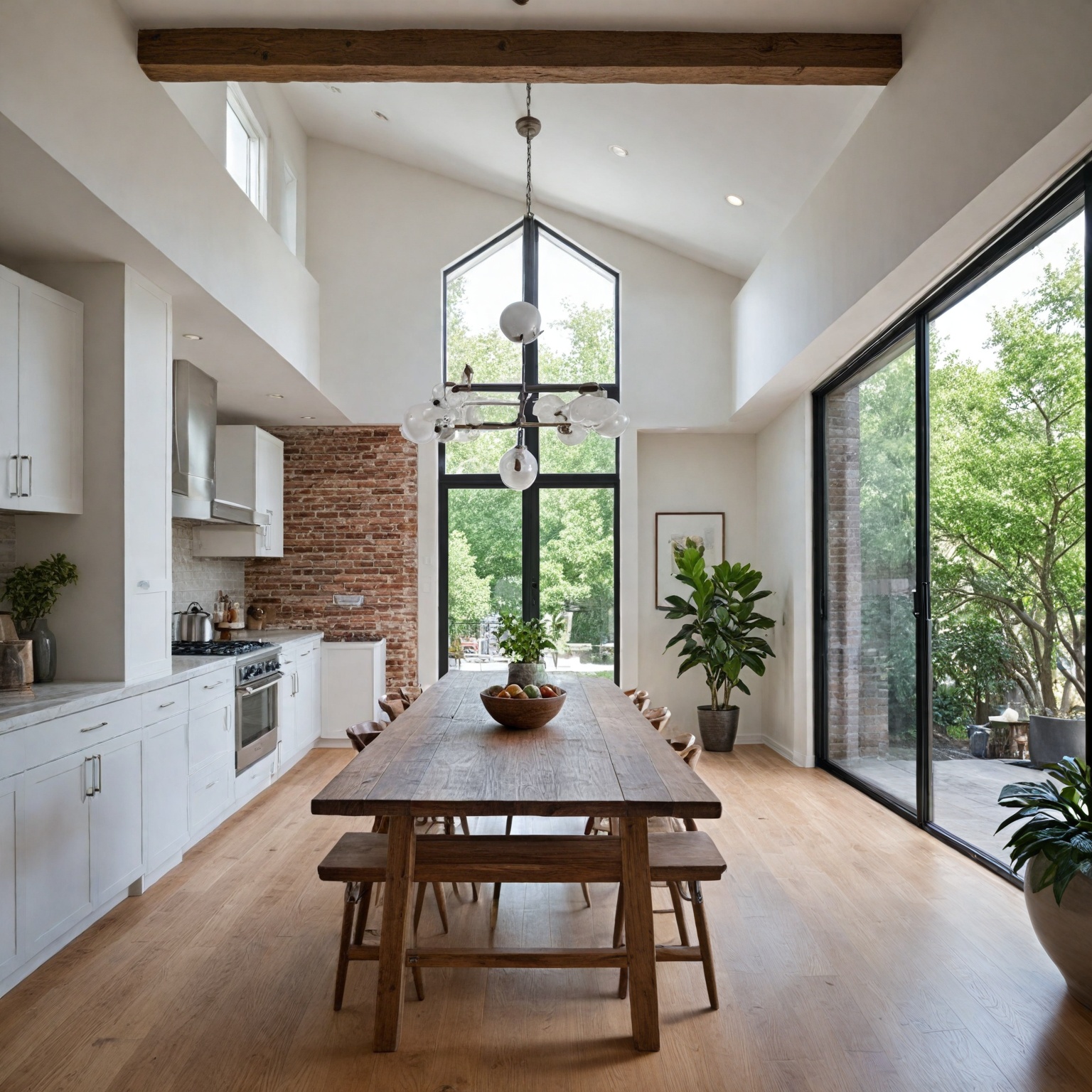
Material choices further reinforced the minimalist vision. The renovation preserved and restored original materials where possible—such as exposed brick walls and wooden beams—blending them seamlessly with modern finishes like porcelain tile sheets in the shower and brushed stainless steel cabinetry fronts. Small, carefully selected accents, including minimalistic metal embellishments and limited marble use in kitchen surfaces, contributed warmth and subtle opulence without disrupting the overall restrained aesthetic.
Architectural elements, particularly the sculptural staircase, became focal points of the design, serving both functional and artistic purposes. This winding staircase draws the eye upward, connecting the two floors with a statement piece that balances modern engineering with the building’s historical character. The spatial layout also favored curved and sinuous lines that softened the minimalist geometric forms, adding a sense of comfort and flow.
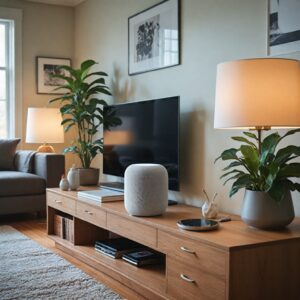
The minimalist transformation extended to interior furnishings, sourced exclusively from luxury consignment outlets to maintain an elegant yet understated look. Furniture selections adhered to the minimalist ethos, featuring clean lines and quality craftsmanship from notable brands, further reinforcing the balance between sophistication and comfort.
Challenges and Solutions
Renovating a century-old family duplex presented a unique set of challenges that tested the homeowners’ resilience and creativity. One of the primary obstacles was navigating unforeseen delays caused by permitting issues, supply chain disruptions, and various construction hiccups, all of which extended the project timeline and required considerable patience. The building’s age further complicated matters, as hidden nooks and crannies within the original structure demanded inventive solutions to preserve its integrity while accommodating modern needs. Planning was especially difficult due to the unpredictability of working within a structure over a hundred years old, where every crevice and corner posed potential surprises.
Balancing the renovation’s structural demands with aesthetic goals required a thoughtful approach. Structural renovations, while more complex than cosmetic updates, offered the potential to fundamentally transform the home’s character. This transformation entailed maintaining the building’s historic essence while integrating contemporary design and functionality, a delicate interplay between tradition and modernity. Achieving this balance also meant addressing compliance issues proactively, as responsibility for code adherence could become contentious when architectural oversight and construction execution overlap. Enhanced communication between design and construction teams was crucial, as integrated design-build firms typically facilitate smoother coordination, reducing misunderstandings that often arise when architects and builders operate separately.
The project embraced an ethos of “architectural empathy,” responding to the existing structure with precision rather than replacement, thus honoring the embedded energy of the building’s heritage and contributing to environmental sustainability. Preservation efforts included restoring original materials such as sandblasting painted-over brick walls to their original condition and repairing or repurposing historic wood, brick, and stone elements to maintain authenticity. This commitment not only conserved the building’s character but also opened opportunities for grants and financial incentives linked to historical renovation compliance.
Interaction with Neighborhood and Historical Context
The transformation of the century-old family duplex is deeply rooted in a respectful dialogue with its surrounding neighborhood and historical context. Situated within a community that values architectural heritage, the renovation exemplifies an approach that balances preservation with contemporary living. Similar to the Evergreen Historic District—renowned for its architectural diversity ranging from bungalows to stately homes—the project reflects a commitment to maintaining harmony between old and new structures, ensuring that the past is tastefully reinterpreted to accommodate present-day needs.
This ethos aligns with broader movements in historic neighborhoods such as Cape Charles, where town initiatives emphasize preserving rich architectural legacies while embracing revitalization. The adoption of historic preservation plans and guidelines underlines the importance of architectural empathy—listening to and working with existing structures rather than replacing them wholesale. In this light, the duplex renovation becomes part of a continuum that honors embedded energy and craftsmanship, fostering sustainability through adaptive reuse rather than demolition.
Moreover, the minimalist and ecological design principles guiding the renovation resonate with trends observed in urban settings like Montreal, where sustainable materials, natural light, and seamless urban integration are prioritized to meet modern residents’ lifestyles while respecting the building’s original character. This thoughtful balance not only enhances the building’s functional and aesthetic qualities but also contributes positively to the streetscape, much like how the addition of a well-designed porch in bungalow renovations creates transitional spaces that engage with the exterior environment and boost neighborhood appeal.
Impact and Reception
The renovation of the century-old family duplex has been widely recognized for its innovative blend of historic preservation and contemporary design, embodying a shift toward what is described as “architectural empathy.” This approach emphasizes a sensitive, surgical intervention in existing structures rather than wholesale replacement, allowing the project to honor the building’s original character while meeting modern needs. The careful preservation of elements such as exposed brick walls, original ceiling beams, and vintage refrigerated doors contributed to creating a modern haven that respects and celebrates the building’s rich history.
Critics and design professionals have praised the project as a creative opportunity that addresses urgent environmental concerns by valuing the embedded energy within historic buildings instead of discarding them. The sculptural staircase, noted as a masterpiece of engineering, serves as both a functional and artistic centerpiece that connects the duplex’s two floors, embodying the renovation’s balance between form and function.
The project also reflects broader trends in minimalist design and craftsmanship, aligning with the ethos of studios like Studio.noju, which challenge conventional design norms through experimentation with new materials and multi-disciplinary approaches to architecture and interior design. This philosophy resonates with contemporary efforts to elevate minimalist spaces with quality materials and thoughtful detailing, similar to the work of firms like James Corr Contemporary Homes.
Moreover, the project has been highlighted in notable design publications and media, such as Brownstoner’s weekly feature by Cara Greenberg, further cementing its status within the interior design and renovation community. The thoughtful management of functional aspects such as lighting throughout the duplex also illustrates a commitment to enhancing safety, efficiency, and occupant satisfaction, a challenge common to multi-family properties.
Set within the architecturally diverse Evergreen Historic District, the duplex renovation contributes to the ongoing dialogue about the value of historic neighborhoods and the role of adaptive reuse in preserving their unique character while accommodating contemporary lifestyles. Overall, the project stands as a compelling example of how tradition can be transformed through minimalist design, achieving both aesthetic impact and environmental responsibility.
Awards and Recognition
The project has been widely recognized for its exceptional blend of historic preservation and contemporary design. By adhering to Standard 5, which emphasizes the preservation of distinctive materials, features, and craftsmanship characteristic of the original property, the renovation successfully maintained the building’s historic authenticity while introducing minimalist elements. This careful balance has garnered attention from preservation communities and design professionals alike.
Additionally, the renovation’s compliance with historic renovation requirements made it eligible for various grant programs and financial incentives, highlighting its exemplary commitment to preserving original building materials such as wood, brick, and stone. The involvement of AD-approved builders and contractors across the United States further ensured a high-quality execution that respects both tradition and modern aesthetics.
These efforts have culminated in the project being celebrated as a modern masterpiece that honors its century-old origins while offering a fresh, minimalist living space.
The content is provided by Blake Sterling, Home Upgrade News