Summary
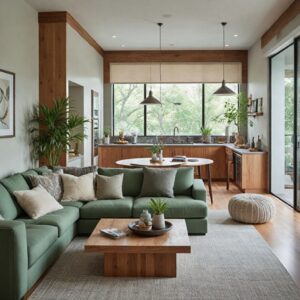
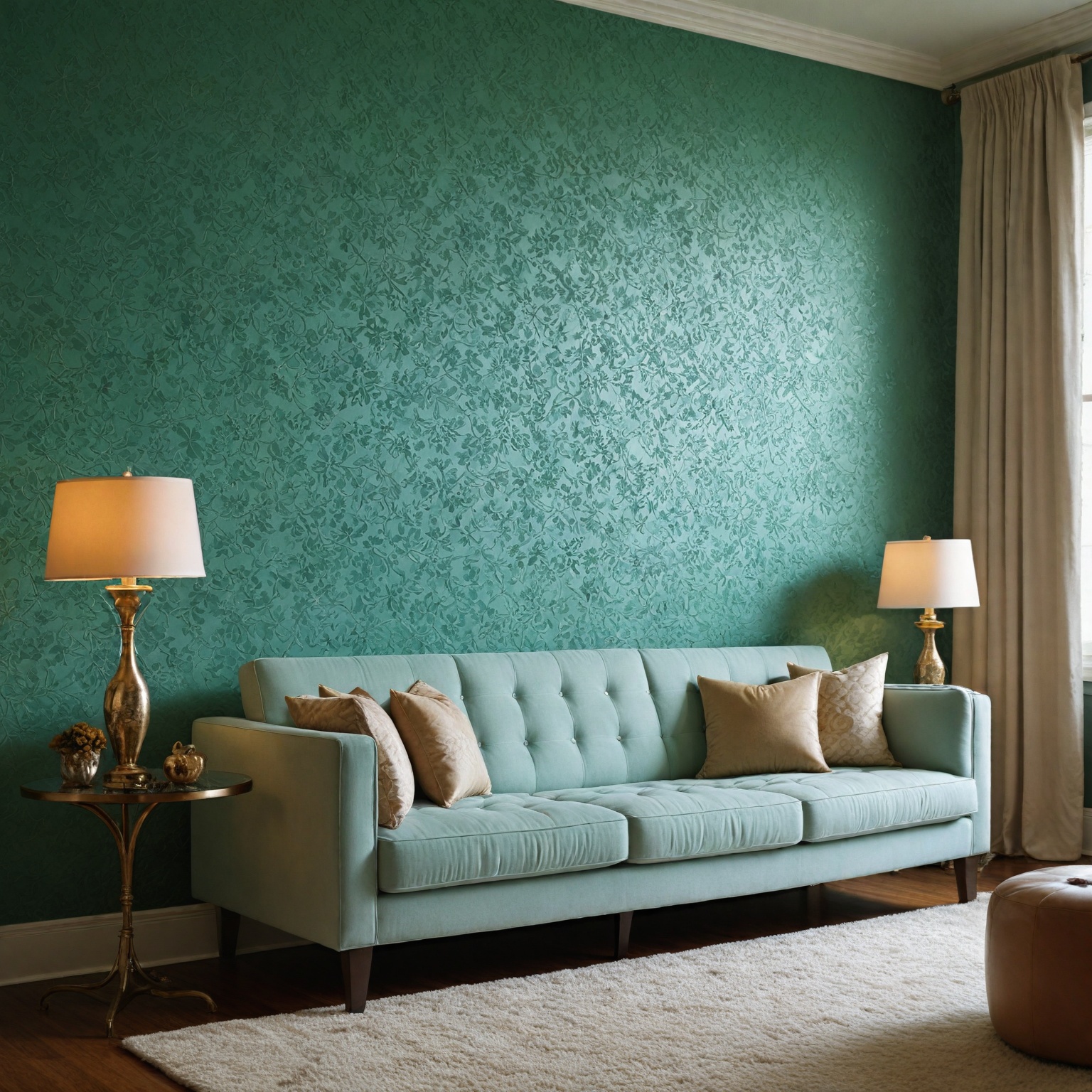
A feature wall, also known as a statement or accent wall, is an interior or exterior design element that highlights a specific wall within a room to create a focal point that draws immediate attention. This design technique has gained renewed popularity among homeowners, interior designers, and real estate marketers for its ability to transform a space through the use of contrasting colors, textures, and materials such as paint, wood paneling, stone, or pressed tin panels. By accentuating architectural features and introducing visual and tactile interest, feature walls enhance the overall ambiance and aesthetic appeal of residential and commercial properties.
Beyond their decorative function, feature walls play a significant role in real estate marketing. They are often leveraged to showcase unique architectural details that can increase a property’s perceived value and memorability in competitive housing markets. Realestate.com.au, a leading property listing platform, offers tools to elevate homes with standout features—including feature walls—through premium listing options that boost visibility and buyer engagement. Effective storytelling around these walls, combining design and psychological pricing strategies, helps create emotional connections with potential buyers, particularly in the luxury segment.
Designing a captivating feature wall involves careful planning of location, lighting, color, texture, and material choice to ensure harmony with the room’s function and décor. Materials range widely, from natural woods and brick to innovative fiber panels and textured finishes, each influencing the sensory experience and style of the space. Proper installation and surface preparation are essential for durability and finish quality, often requiring professional expertise to achieve optimal results.
While feature walls offer numerous aesthetic and market advantages, common pitfalls include repetitive or shallow design choices and mismatched materials that can detract from the intended impact. Integrating sustainable, cost-effective materials and considering buyer preferences—such as energy efficiency and maintenance—can help avoid these issues and maximize both the visual appeal and resale potential of properties featuring accent walls.
Definition and Purpose of Feature Walls
Feature walls, also known as statement walls, are interior design elements that highlight a specific wall or area within a room to create a focal point that draws immediate attention upon entry. These walls have experienced a resurgence in popularity among interior designers and DIY enthusiasts, who transform them into expressions of style using a variety of materials ranging from classic paint to modern fibre panels. The primary purpose of a feature wall is to enhance the visual interest and atmosphere of a space by introducing texture, color, or pattern that contrasts with the surrounding walls. This approach not only accentuates architectural features such as fireplaces, brickwork, or built-in shelving but also invites an emotional and sensory interaction with the environment, turning simple walls into storytelling canvases through the interplay of light and shadow.
In addition to aesthetic enhancement, feature walls play a functional role by complementing the room’s overall design. Factors such as room function, lighting conditions, and existing decor are integral to the planning process, ensuring that the chosen wall treatment harmonizes with and elevates the spatial experience. Architects and designers can manipulate elements like artificial and natural light, proportions, and materials to alter perceptions of space without structural changes, thereby maximizing the impact of the feature wall within the room.
Psychological and Market Impact
The psychological effect of pricing strategies in real estate plays a crucial role in attracting and influencing potential buyers. When a listing price is set, it serves as an anchor point against which buyers immediately compare every aspect of the property. A higher anchor price can project exclusivity and appeal to buyers seeking luxury features, while a lower anchor may attract bargain hunters but risk raising doubts about the home’s true value. The optimal strategy involves setting a price that aligns with both market conditions and the unique qualities of the property, making it feel aspirational yet attainable. This approach not only draws in the right audience but also exudes confidence, which is essential for successful selling. The psychology behind charm pricing—such as listing prices ending in “999”—leverages subtle consumer perceptions to increase interest and engagement from buyers.
In luxury real estate marketing, the impact of well-crafted content cannot be overstated. Professional writers skilled in articulating the exclusive lifestyle and comfort that a high-end property offers can create an emotional connection with affluent buyers. This refined storytelling balances showcasing the property’s powerful features without resorting to exaggeration, thereby maintaining credibility while appealing to the sophisticated expectations of wealthy clientele. Thus, content quality works hand in hand with pricing strategy to maximize the perceived value and desirability of the listing.
Market factors beyond individual property features also influence pricing decisions. For example, postcode affluence and overall sales volumes in the area can affect listing prices and advertising costs. Some real estate agents consider these broader market dynamics when determining price points, which can lead to variations in pricing strategies across different regions or periods. Regardless of the portal or platform used, ensuring the uploaded content meets quality standards is critical to eliciting strong responses from potential buyers, highlighting that both psychological and market factors must be integrated for effective real estate marketing.
Planning and Designing a Feature Wall
Creating a captivating feature wall involves careful consideration of several key factors to ensure it complements the room’s overall aesthetic and function. The first step in planning is to assess the room as a whole, taking note of which walls naturally draw attention, existing focal points, and built-in features. This holistic view helps determine the most impactful location for the feature wall, whether in an interior or exterior setting.
Lighting and room function also play vital roles in the design process. Natural and artificial light affect how colors and textures appear, influencing the wall’s mood and perceived space. Lighter shades tend to open up a room, making it feel larger and more airy, while darker tones can add intimacy and coziness by visually narrowing spaces or improving unbalanced proportions.
Color theory, including principles like the 60-30-10 rule, can guide the selection of hues. This rule suggests allocating 60% of a room’s palette to a dominant color, 30% to a secondary color, and 10% to an accent, often applied to feature walls to create balanced visual interest. Moreover, the arrangement of colors and textures can alter spatial perception—highlighting architectural features or changing the apparent height, width, or depth of a room.
Material selection is another crucial design element. From classic paint to high-tech fiber panels, wood paneling, stone, and textured finishes, materials contribute not only to visual impact but also tactile and acoustic experiences. Different surfaces evoke distinct styles and eras, with the interplay of finishes, colors, and textures shaping the room’s atmosphere. For example, wooden paneling adds warmth and timeless appeal, while textured or patterned surfaces can introduce depth and complexity.
In sum, successful feature wall design harmonizes color, texture, materiality, lighting, and spatial context. By thoughtfully integrating these elements, designers can create a statement wall that enhances the room’s character, draws attention to key architectural features, and evokes the desired emotional response.
Materials for Feature Walls
Feature walls serve as a focal point within a room, often highlighting architectural elements such as fireplaces, brickwork, or built-in shelving to create visual interest and depth. The choice of materials plays a crucial role in achieving the desired aesthetic and functionality, with options ranging from traditional to contemporary finishes.
Wood remains one of the most popular materials for wall paneling, lending a natural warmth and timeless appeal to interiors. Wood panels can add texture and depth, offering a contemporary yet enduring look that complements various design styles. Timber tongue and groove cladding, for instance, can be used both indoors and outdoors to create layered visual effects that engage light and shadow, enhancing the architectural features of a space. However, consideration must be given to the material’s response to environmental conditions; for example, unstained timber may fade over time when exposed externally.
Pressed tin panels provide an alternative textural solution, made from specially formulated aluminium that resists dents and marks. Available in a variety of designs such as clover, fish scale, and maple, these panels come unpainted and can be customized through painting or powder-coating to match individual color schemes. Their durability and distinctive embossed patterns make them a versatile option for creating unique, textural feature walls that stand out.
Laminate panels are another practical choice for feature walls, appreciated for their wide array of color options and protective PVC edging that offers impact resistance and durability. These panels are ideal for adding color and statement effects while maintaining ease of maintenance, making them suitable for busy household environments.
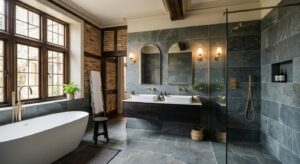
Natural materials like brick and stone continue to be favored for their robust, tactile qualities and ability to complement rustic or industrial interior themes. These materials not only contribute to the structural character of a home but also add a distinctive texture and interplay of light and shadow, which can enhance both indoor and outdoor living spaces.
For those seeking creative flexibility, textured finishes such as Venetian plaster or chalkboard paint can transform walls into artistic canvases. Venetian plaster, for example, adds a subtle sheen and depth that appeals to homebuyers looking for bespoke finishes, potentially increasing property value. Chalkboard paint, positioned strategically below picture rails or shelves, allows for customizable and interactive surfaces that can be easily maintained.
The visual and tactile qualities of materials are fundamental in shaping the mood and style of a room. Selecting finishes—matte, glossy, or aged—and employing patterns or motifs that interact with light can evoke specific emotions and highlight architectural periods. This careful manipulation of texture not only enhances aesthetic appeal but also contributes to the overall sensory experience of a space.
Ultimately, the diverse range of materials available for feature walls—from wood and pressed tin to brick, stone, laminates, and textured finishes—offers homeowners and designers numerous possibilities to craft walls that are both beautiful and practical, tailored to individual tastes and environmental considerations.
Installation and Preparation
Creating a captivating feature wall begins with proper preparation and careful installation to ensure durability and aesthetic appeal. For surfaces such as concrete, applying a preparatory coating is essential to achieve a professional finish. In high-moisture areas like bathrooms, kitchens, and outdoor spaces, using products like Dulux Precision Stain and Mould Blocker is highly recommended to prevent mold and moisture damage. In drier areas, Dulux 1Step Prep is suitable for preparing concrete surfaces before painting or applying other finishes.
When installing textured materials such as pressed tin panels, which are available in various designs like clover, fish scale, and maple, it is important to consider the material’s finish and method of attachment. Panels made from specially formulated aluminium or pressed tin are designed to resist dents and marks, and can be affixed directly onto existing walls to create unique visual effects. These panels often come unpainted, allowing for customization through painting or powder-coating to match desired color schemes.
In addition to metallic panels, using timber elements such as tongue and groove cladding or MDF boards can add sophistication and texture. Cutting and arranging millwork pieces artistically enhances the depth and character of the feature wall. Playing with layers and textures through paint techniques or material selection can also create a dynamic play of light and shadow, enriching both interior and exterior views.
It is also advisable to consult qualified professionals when working with natural materials or complex installations. For example, companies like P J Bros Natural Materials, led by certified artisans with extensive experience, can ensure high-quality application and finish. Considering the long-term durability, cost, and environmental impact of the chosen materials is crucial during the planning stage to achieve both aesthetic and functional success in your feature wall project.
Feature Wall Styles and Inspirations
Feature walls, also known as accent walls, are interior or exterior walls distinguished by a different color, shade, design, or material from the surrounding walls, creating a focal point within a space. This design element has experienced a resurgence in popularity, embraced by interior designers and DIY enthusiasts alike, as a means to inject personality and style into any room.
There is a wide variety of styles and materials to choose from when crafting a feature wall. Traditional wallpapers range from William Morris-inspired intricate patterns to geometric modernism and minimalistic designs, offering options that can reflect a homeowner’s unique aesthetic. Alongside wallpaper, high-tech fiber panels and classic paint remain popular, providing diverse textures and finishes to suit different interior themes.
Inspiration for feature walls often draws from established interior design styles. For example, the rustic bohemian style encourages the use of natural elements such as reclaimed wood, macramé wall hangings, and colorful rugs, creating a warm and tranquil atmosphere. This style, often combined with Scandinavian influences, brings together the simplicity and functionality of Nordic design with rustic charm, emphasizing clean lines, natural materials, and cozy textures. Scandinavian design, rooted in democratic ideals and functionalism, focuses on accessible yet stylish design solutions that have stood the test of time.
Texture plays a crucial role in the visual impact of a feature wall. Smooth textures like satin or silk reflect light and contribute to a bright, airy feel, which is characteristic of modern interiors. Conversely, rustic designs utilize light-absorbing materials such as wood, stone, and deep-textured fabrics to create a sense of warmth and depth. Visual texture can be enhanced by employing various finishes—matte, glossy, or aged—that interact with light to evoke different moods and architectural periods.
When selecting materials for a feature wall, wood paneling is a timeless choice that lends natural warmth and contemporary appeal. Combining reclaimed wood with industrial elements, especially in smaller cottages inspired by Nordic rural architecture, results in a unique blend of coziness and stylistic sophistication.
Ultimately, the creation of a captivating feature wall involves thoughtful consideration of the room’s function, lighting, and existing decor to ensure harmony and impact within the space. By exploring these diverse styles and material options, homeowners can craft a feature wall that truly reflects their personal taste while enhancing the ambiance of their home.
Color, Material, and Texture Selection by Interior Design Style
The selection of color, material, and texture plays a pivotal role in defining the character and atmosphere of a feature wall, and this choice often aligns with the overall interior design style being pursued. Different surfaces not only evoke particular styles and eras but also interact distinctively with light, sound, and touch, influencing the sensory experience within a space.
In modern design, smooth textures such as satin or silk are favored for their ability to reflect light, creating a brighter, lighter, and softer environment. These materials support the clean lines and open, airy feel characteristic of contemporary interiors. Conversely, rustic or natural design embraces light-absorbing materials like wood, stone, and deeply textured fabrics, lending warmth and tactile richness to a room.
Rustic industrial style, inspired by old factories and industrial spaces, is known for its edgy and urban aesthetic. This style prominently features raw and unfinished materials, including exposed brick walls, concrete floors, and metal accents, emphasizing functionality and a natural, gritty texture. The combination of these materials can create striking feature walls that become focal points through their rugged authenticity.
For a minimalist yet cozy ambiance, limewashed walls add an earthy and whimsical texture. Limewash’s crystalline structure refracts light subtly, enhancing visual interest without overwhelming a space. This finish is particularly effective as a neutral backdrop that complements both traditional and contemporary artworks.
Scandinavian design, often paired with rustic elements, utilizes a warm color palette with creamy, pink, and orangey hues to bounce natural daylight around the room, creating a soft glow. The inclusion of wooden and natural materials such as picture frames, plant pots, and rugs furthers a cozy and authentic feel. This blend of Scandinavian simplicity and rustic reclaimed wood or industrial features produces feature walls that radiate warmth and stylistic uniqueness, especially popular in rural and cottage settings.
Pressed tin panels represent a versatile option for creating textured feature walls. Made from specially formulated aluminum, these panels resist dents and marks and can be installed over existing walls. Available in various designs like clover, fish scale, and maple, they can be customized through painting or powder coating, adding a tactile metallic dimension to interior spaces.
Buyer Responses and Market Insights
In real estate, buyer perceptions are heavily influenced by the initial list price, a phenomenon explained by the psychological principle of anchoring. Buyers rely on the list price as a reference point to evaluate the value of a property, shaping their entire impression of the home. Setting an appropriate anchor is crucial: a higher price can suggest exclusivity and luxury, appealing to affluent buyers, while a lower price might attract bargain hunters but risk creating doubts about the property’s true worth. Therefore, crafting a price that balances market realities with the unique qualities of the home is essential to capture buyer interest effectively from the outset.
For properties priced below $250,000, marketing strategies often emphasize minimizing post-purchase costs to attract first-time buyers who are budget-conscious and looking to keep expenses manageable. This focus reflects the concerns of a significant segment of the market, highlighting the importance of addressing buyer priorities in property descriptions and pricing strategies.
Emotional engagement through storytelling and language also plays a pivotal role in influencing buyer responses. High-end buyers expect a narrative that conveys both comfort and exclusivity without exaggeration. Skillful storytelling fosters emotional connections, allowing potential buyers to envision themselves in the space and appreciate the property’s distinctive features.
Market dynamics further influence pricing decisions. Apart from postcode affluence, factors such as sales volumes and competition among agents can affect listing prices and advertising costs. Agents may invest substantial amounts in classified ads to position properties advantageously, while market data such as transaction histories and comparable sales provide essential benchmarks to inform pricing strategies.
Tools, Resources, and Professional Guidance
Creating a captivating feature wall involves utilizing a variety of tools and resources to ensure the design aligns with your vision and space requirements. Access to comprehensive real estate data, such as transaction histories, sales prices, and comparable properties, can provide valuable insights into market trends and add context to design decisions, especially when considering the resale value of a home.
For material selection and application, engaging with experienced professionals is highly recommended. For instance, P J Bros Natural Materials, led by Pedro Tome—a certified artisan with over 15 years of experience—offers expertise in natural material application, ensuring high-quality craftsmanship and durability. Such professional guidance can help in choosing appropriate materials that complement room function, lighting, and existing decor, which are critical considerations during the planning phase of a feature wall.
Architectural input can further enhance the design process by manipulating variables such as artificial and natural lighting, spatial proportions, and material choices to influence the occupants’ experience without altering structural dimensions. This holistic approach ensures the feature wall harmonizes with the overall interior environment.
Additionally, understanding the environmental impact and performance of various building materials through life cycle assessments and design guides can inform sustainable choices. Popular building materials in Australia include brick, stone, timber, and concrete, each offering distinct aesthetic and functional benefits. Selecting the right combination for frames, walls, floors, and finishes contributes to a cohesive and durable design.
Preparation is also key; surface-specific preparation techniques for wallpaper or paint application on surfaces such as plasterboard or timber panels ensure optimal adhesion and finish quality. Resources like PaintAccess provide expert advice and access to recommended products, making it easier for homeowners and professionals to achieve desired results.
Common Mistakes and How to Avoid Them
One common mistake when creating content is the repetition of specific words or phrases, which can make the text monotonous and less engaging. To avoid this, it is important to identify repetitive terms and replace them with synonyms or alternative expressions. Utilizing AI paraphrasing tools can help spot recurring themes and suggest varied ways to express ideas, thereby enriching the content’s appeal and maintaining reader interest.
Another frequent issue in content creation is the lack of depth and nuance. Generic or shallow content often fails to captivate readers, as it does not provide valuable insights or expert perspectives. Incorporating specialized knowledge and detailed information transforms basic content into a compelling narrative that resonates with the audience and adds authority to the subject matter.
When applying these principles to the real estate context, particularly in crafting feature walls, understanding the practical habits and concerns of potential homebuyers is crucial. For example, studies have shown that many first home buyers are actively adjusting their lifestyles to save money, such as cutting back on dining out (68%), reducing hobbies (68%), holidaying less (60%), and even limiting electricity use for heating and cooling (45%). Recognizing such behavioral trends can guide the choice of materials and designs that are both cost-effective and energy-efficient, helping avoid common pitfalls related to affordability and sustainability in home renovations.
The content is provided by Harper Eastwood, Home Upgrade News