Summary
Transform Your Sales: Jewelry Display Cases That Captivate Customers
Jewelry display cases are essential fixtures in retail environments, serving the dual purpose of securing valuable merchandise and enhancing its visual appeal to captivate customers. Effective display cases not only protect high-value items but also create luxurious presentations that draw shoppers’ attention, increase browsing time, and ultimately boost sales. By carefully balancing visibility, security, lighting, and aesthetic design, retailers can transform their displays into immersive experiences that highlight the craftsmanship and uniqueness of each piece.
The design and arrangement of jewelry cases profoundly influence customer behavior. Strategic placement—such as positioning high-margin items at the center—and the use of contrasting backgrounds and optimized lighting can increase product visibility and appeal, leading to sales growth of 15–20%. Additionally, integrating storytelling and themed displays helps forge emotional connections between customers and jewelry, making the shopping experience more engaging and memorable. Customizable lighting, adjustable shelving, and high-quality materials like tempered glass and premium wood contribute both to the display’s elegance and its functional security.
Security remains a critical concern in jewelry retail, necessitating display cases that combine sturdy construction with advanced locking mechanisms without compromising customer accessibility and engagement. Balancing protection with openness, and incorporating staff-assisted access alongside discreet surveillance, ensures a safe yet inviting shopping environment. However, challenges arise in maintaining this balance, as overly restrictive displays may deter customers while insufficient security risks inventory loss.
Looking forward, trends in jewelry display case design emphasize sustainability, customization, and technological integration. Retailers increasingly adopt eco-friendly materials and modular designs to align with environmental values and evolving consumer expectations. Advances in LED lighting and interactive digital elements enhance product presentation and customer interaction, while flexible layouts and regular stock rotation keep displays fresh and relevant. These innovations position jewelry display cases not merely as protective containers but as powerful sales tools that captivate customers and transform retail performance.
Importance of Effective Jewelry Display Cases
Jewelry display cases play a crucial role in showcasing high-value items by providing both security and an enhanced luxurious presentation. They help to create an inviting shopping environment that encourages customer engagement and increases the likelihood of purchase. Effective display cases use minimal glass to protect items while maintaining visibility, and often incorporate props to add context and suggest elegance, such as pairing a classic pearl necklace with an antique mirror.
The design and placement of display cases significantly influence customer behavior. For example, shoppers tend to focus on the center of a display, making it an ideal location for the most profitable pieces. Utilizing contrasting backgrounds, like black velvet for diamonds, can further highlight the jewelry and draw customer attention. Moreover, well-lit and organized displays have been shown to increase browsing time by up to 20%, which correlates with higher sales.
Lighting and color psychology are also vital components of an effective display. Optimized lighting can boost sales by 15-20% and significantly enhance customer engagement. Conversely, poor visibility results in a large percentage of shoppers—67%—leaving without making a purchase. Open layouts that allow customers to browse at their own pace, alongside tools like mirrors and magnifying glasses, further improve the shopping experience and increase purchase probability.
Given the significant investment that jewelry display cases represent, it is important to choose solutions that align with the store’s aesthetic and scale. For multi-location businesses, partnering with providers experienced in large-scale rollouts ensures consistency and quality across stores. Additionally, attention to customer feedback regarding display effectiveness can guide improvements and boost overall conversion rates.
Common Types of Jewelry Display Cases
Jewelry display cases come in a variety of styles and designs, each tailored to showcase pieces effectively while providing security and enhancing the visual appeal of the merchandise.
Pedestal Showcases
Pedestal showcases offer a modern and elegant alternative to traditional cases. Featuring a wider display cabinet mounted on a slim pedestal base, these cases create an eye-catching presentation with a sleek, glass-to-glass construction that provides an unobstructed 360-degree view of the jewelry, watches, or accessories inside. Their clean aesthetic makes them especially suitable for high-end boutiques and museums aiming to highlight luxury items.
Quarter Vision Cases
Quarter vision display cases are designed to present high-value watches and jewelry securely while maximizing visibility. These cases often include integrated LED illumination to spotlight merchandise and come with various access options such as sliding mirror doors or tilt-open tops. They are available in multiple configurations, including counters, cabinets, tables, and corner units, allowing retailers to create cohesive and upscale store layouts that reflect the value of their offerings.
Wall Cases and Towers
Wall-mounted cases optimize vertical sales space and are typically constructed with glass for a minimalist and timeless look. These cases may be used in combination with rotating towers designed for small items like earrings, which can be free-standing or countertop-sized. The glass construction allows easy browsing while deterring theft, though it requires careful maintenance due to its susceptibility to scratches and breakage.
Tall Glass Display Cases
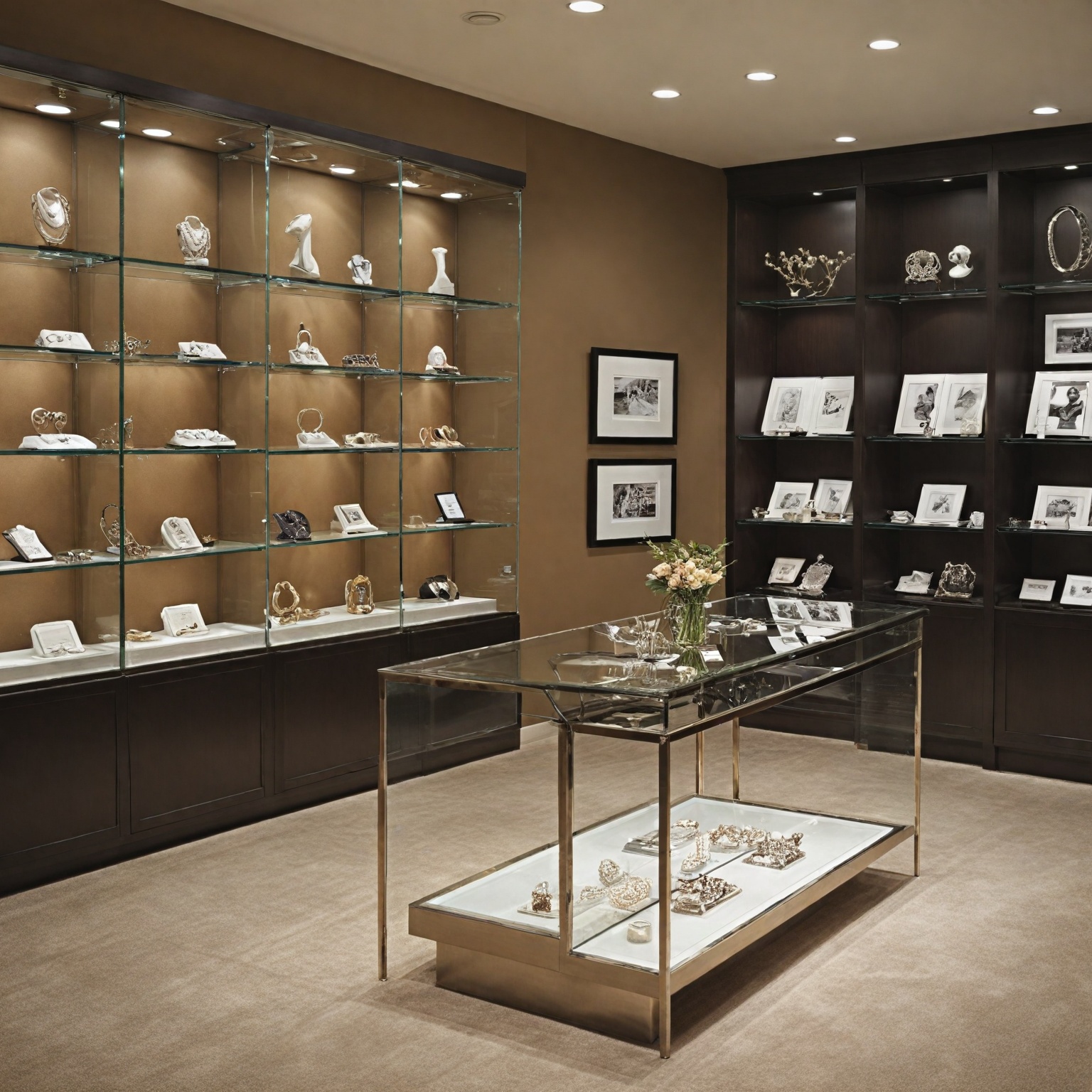
Tall, clear glass cases featuring multiple shelves allow for layered presentation of jewelry, helping to highlight pieces without distraction. Their transparent design and clean lines focus attention solely on the jewelry, making them ideal for stores wanting a minimalist yet effective display solution.
Vintage Display Cases
Vintage cases add charm and a sense of history to a jewelry store’s ambiance. Often crafted from wood with intricate detailing or classic glass and brass elements, these cases bring a nostalgic feel that can complement the story behind unique jewelry pieces. They serve both a functional and decorative role, appealing to customers drawn to traditional elegance.
Acrylic and Plastic Cases
Acrylic and plastic have become popular materials for display cases due to their durability, versatility, and lightweight nature. These materials facilitate the creation of sleek, modern designs that are easily customizable and often more portable, making them ideal for craft shows or temporary displays. The mid-20th century also marked the introduction of lighting within these cases, further enhancing presentation.
Specialty and Custom Displays
Some display cases incorporate adjustable shelves and customizable lighting options to enhance the overall aesthetic and functionality. Retailers often use premium display stands of varying heights within cases to add dimension and visual interest, focusing attention on centerpiece items such as wedding or birthstone collections. Custom elements like velvet backdrops with brand logos can also personalize the display, aligning it with the jewelry’s style and target audience.
By selecting the appropriate type or combination of display cases, retailers can effectively protect valuable items while creating an inviting and visually captivating shopping experience.
Key Design Features of Jewelry Display Cases
Jewelry display cases are designed not only to secure high-value items but also to enhance their aesthetic appeal, creating a luxurious and captivating presentation for customers. A critical element in their design is the use of materials that balance durability, elegance, and visibility. Glass remains the most popular choice due to its timeless transparency and ability to showcase jewelry clearly from multiple angles, though it is susceptible to scratching and breakage. Acrylic and plastic offer durable, lightweight alternatives that support sleek, modern designs and ease of customization. Wood, especially premium varieties like oak, cherry, birch, and teak, is frequently used for display counters, providing a refined and sturdy base that complements the overall décor.
Lighting is another vital feature in jewelry display cases. Integrated LED lighting, favored for its energy efficiency and low heat emission, enhances the sparkle and true colors of gemstones without damaging the pieces. High Color Rendering Index (CRI) LEDs are preferred because they reveal accurate colors, ensuring customers see the jewelry as it truly appears. Lighting placement must be carefully planned to avoid harsh shadows or glare; using multiple light sources such as LED strips on the top and sides, under-cabinet lighting, and subtle backlighting can create an inviting, dynamic display that draws attention to each item’s brilliance. Additionally, the intensity of in-case lighting should surpass that of the ambient store lighting to make jewelry stand out, with careful layering of light color temperatures to maintain visual harmony.
The arrangement and organization within the cases are equally important. Utilizing varying heights and angles, such as placing feature rings on small pedestals or using tiered displays, creates visual interest and elevates the perceived value of the items. Grouping similar jewelry types while allowing for textural and material variation helps maintain clarity and appeal. Strategic placement of signature or high-end pieces at eye level ensures they capture immediate attention. Moreover, making efficient use of vertical space through wall cases, towers, and rotating displays optimizes sales floor area while keeping items accessible and visible. Customized display materials like velvet backdrops featuring brand logos can add uniqueness and reinforce brand identity, especially when they align with the style and target audience of the jewelry.
Security features such as tempered safety glass and branded lock systems are often integrated into display cases to protect valuable inventory without compromising the shopping experience. Counter-style cases, cabinets, tables, and corner units can be combined to create cohesive store layouts that guide customers naturally through the merchandise, maximizing exposure and encouraging interaction.
Enhancing Customer Engagement Through Storytelling and Theming
A powerful way to captivate customers and enhance engagement in jewelry retail is through the use of storytelling and theming in display cases. Every piece of jewelry carries a unique story, and sharing these narratives helps create a deeper connection between the customer and the product. Articulating what makes the designs special, highlighting distinctive materials, and emphasizing meaningful sourcing all contribute to building a compelling brand story that resonates with buyers.
Theming displays around specific concepts or occasions can further evoke emotional responses and guide purchasing decisions. For example, curated collections such as wedding jewelry or birthstone pieces can be arranged to tell a cohesive story, adding context and significance to the items shown. Seasonal themes—like Valentine’s Day or Christmas—can be enhanced with matching decor, encouraging customers to envision the jewelry as part of their celebrations. This approach not only draws attention but also enriches the shopping experience by making it more memorable.
Incorporating storytelling and themed groupings also helps organize the display with natural flow and symmetry, leading shoppers intuitively from one piece to another. Using stands of varying heights and well-lit cases adds dimension and dynamism, ensuring premium pieces receive focal attention. Moreover, employing interactive digital elements such as touchscreens can provide detailed information about each item’s history, materials, and craftsmanship, fostering an informed and engaging customer experience.
Beyond aesthetics, storytelling and theming strengthen brand identity and professionalism, contributing to a polished shopping environment that reinforces customer trust and loyalty. When customers perceive jewelry not just as items but as expressions of emotion, accomplishment, or personal style, they are more likely to form attachments that lead to purchases. Ultimately, integrating storytelling and theming into jewelry displays transforms retail spaces into immersive environments that captivate and convert.
Security Features and Functional Design
Security is a critical consideration for jewelry retailers, given the high value and often delicate nature of their merchandise. A well-designed jewelry case provides peace of mind by safeguarding inventory against theft and damage, making it an essential investment for any business. While most cases come equipped with standard plunger or cylinder locks, high-value items call for more advanced locking mechanisms, such as pneumatic locks, which offer an enhanced layer of protection. Partnering with custom fixture providers allows retailers to specify locking systems tailored to their unique security requirements.
The structural integrity of the display case is equally important; flimsy locks or unstable frames not only compromise security but also diminish the perceived value of the jewelry on display. Fully enclosed cases with reliable locks are often preferred for maximum protection, although certain pieces may be suitably showcased in open shelving or tabletop displays where security demands are lower.
In addition to physical security features, functional design plays a key role in creating an engaging and secure shopping experience. Locking cases that enable staff-assisted access strike a balance between protecting valuable inventory and maintaining customer engagement. Positioning security cameras and discreet signage can reinforce safety measures and build customer trust, while always having staff nearby to assist or open cases adds a personalized, premium touch to the retail environment.
Innovative designs such as rotating jewelry displays offer both functionality and security by maximizing visibility and accessibility without overcrowding, all while occupying minimal space. These setups attract attention through motion while facilitating customer browsing in a controlled manner.
Lastly, the cohesion between display and packaging enhances both aesthetics and brand identity. Packaging materials should complement the display’s theme, for instance, using sustainable materials like recycled paper or fabric pouches to align with eco-friendly collections. This thoughtful integration reinforces the overall visual appeal and professionalism of the presentation.
Impact of Lighting and Display Features on Sales Performance
Optimized lighting in jewelry display cases plays a significant role in enhancing sales performance and customer engagement. Studies indicate that well-lit jewelry displays can boost sales by 15-20% and increase the time customers spend examining pieces by 1.5 times compared to poorly illuminated cases. Conversely, 67% of shoppers tend to leave without making a purchase when jewelry is not clearly visible, underscoring the critical importance of effective lighting.
Adjusting the angle and intensity of lighting further enhances the visual appeal of jewelry, emphasizing the brilliance and detail of each piece. LED lighting installations have been shown to increase purchase intent by an average of 10%, highlighting how the right lighting technology can influence consumer behavior. Beyond illumination, incorporating complementary display features such as mirrors, magnifying glasses, and open layouts allows customers to browse comfortably and at their own pace, fostering a more immersive shopping experience.
Strategic placement of jewelry within the display also affects sales outcomes. Customers naturally focus on the center of displays, so positioning the most profitable or eye-catching items in these areas can attract more attention and interest. Using contrasting backgrounds, such as black velvet for diamonds, enhances the visual contrast and makes the pieces stand out, which can increase browsing time by up to 20% and subsequently drive higher sales. Additionally, having a staff member nearby to assist customers adds a personalized touch that can further encourage purchases.
The psychological impact of a well-designed display extends beyond mere visibility. For example, a high-end necklace illuminated with soft lighting inside a pristine glass case communicates luxury and exclusivity, elevating the perceived value of the item and motivating higher spending. When executed thoughtfully, the display serves as a silent salesperson, captivating customers and converting casual browsers into buyers.
Practical Tips for Transforming Jewelry Display Cases
To create captivating jewelry displays that attract customers and boost sales, several practical strategies can be employed. First, emphasize quality through the presentation by using pristine display cases with clean lines and appropriate props that highlight each piece’s uniqueness. The choice of display case style is also important; options include counters, cabinets, tables, corner units, and shadow boxes, which can be arranged to create a cohesive and luxurious store layout that reflects the value of the merchandise.
Lighting plays a crucial role in enhancing jewelry displays. Integrated LED lighting and small LED spotlights or strip lights inside cases or above wall-mounted boards can bring out the sparkle of gemstones and metals, making the pieces more attractive to customers. It is important that in-case lighting complements the store’s ambient lighting to avoid harsh glare while ensuring the jewelry truly pops. Uniform lighting distribution within cases is essential, as poor lighting can wash out colors and diminish visual appeal.
Arranging jewelry effectively is another key element. Symmetrical layouts with a natural flow guide customers effortlessly from one piece to another, while grouping items into themed collections or stories can evoke emotion and provide context that encourages purchasing. Tailoring display techniques to the specific type of jewelry, such as using different methods for delicate necklaces versus stud earrings, prevents damage and highlights each piece’s best features.
Rotating jewelry storage is a useful option for maximizing visibility and saving space. This design allows customers easy access to the entire collection without overcrowding, and the movement draws attention, encouraging exploration. Regularly rotating stock to feature new arrivals prominently and move older pieces to secondary locations creates a sense of novelty and helps manage inventory effectively.
Additional tips include maintaining clean glass to ensure clear visibility
Case Studies and Industry Examples
In the retail jewelry industry, numerous case studies demonstrate the critical role that thoughtfully designed display cases play in enhancing customer engagement and driving sales. For example, retailers who have invested in customized display cases tailored to their store aesthetics and scale report higher customer attraction and product visibility. One notable practice involves aligning display case designs with the overall brand identity, which helps reinforce the store’s image while showcasing products effectively.
A multi-location jewelry business shared insights into partnering with display case manufacturers experienced in handling large-scale rollouts. Their collaboration ensured consistency and quality across all locations, which was essential in maintaining brand trust and customer satisfaction. This case highlights the importance of selecting a display partner capable of managing complex deployments without compromising design integrity.
Portable jewelry display cases have also become increasingly popular among retailers operating in open-air markets or pop-up events. These cases offer mobility while still providing an organized and attractive presentation of inventory, thereby broadening sales opportunities beyond traditional storefronts.
One detailed industry example involved a retailer implementing strategic lighting systems within their display cases. The enhanced illumination not only brought out the brilliance of diamonds and precious metals but also encouraged customers to spend more time browsing. Studies show that well-lit and organized displays can increase browsing time by 20%, which correlates strongly with improved sales figures.
Additionally, the use of contrasting backgrounds, such as black velvet for diamond displays, proved effective in making products stand out and capturing shopper attention. By experimenting with different layouts and materials, jewelers succeeded in creating inviting atmospheres that resonated well with their target demographics, driving higher engagement and purchase rates.
Together, these examples underscore the importance of detailed design considerations, from lighting and material textures to customer behavior insights, in crafting jewelry display cases that captivate customers and transform sales performance.
Challenges and Considerations in Jewelry Display Design
Designing an effective jewelry display involves navigating several challenges and carefully considering factors that impact both the presentation and security of the merchandise. One of the primary challenges is balancing accessibility with protection. Jewelry pieces are often small, valuable, and sometimes fragile, necessitating the use of secure display cases, such as locking showcases that allow staff-assisted access to maintain both engagement and safety. Ensuring that staff are always nearby to assist customers not only reinforces security but also adds a personalized, premium touch to the shopping experience.
Another important consideration is creating visually appealing arrangements that capture customer attention and enhance the perceived value of the jewelry. This includes utilizing a variety of display stands—such as T-bars for bracelets and busts for necklaces—to create clear focal points, along with strategically placing high-value items in prominent, well-lit areas to maximize impact. Maintaining cleanliness, avoiding overcrowding, and incorporating subtle lighting are additional factors that elevate the overall presentation and encourage customer interaction.
Sustainability is increasingly influencing jewelry display design, with retailers adopting eco-friendly materials and packaging that align with broader environmental values. Using recycled paper, fabric pouches, or other sustainable materials helps create a cohesive aesthetic that resonates with environmentally conscious consumers. Furthermore, display materials should reflect the style and target audience of the jewelry, balancing aesthetic appeal with practical concerns such as portability and durability—especially for artisans participating in craft shows or pop-up events.
Regularly rotating stock is another key consideration, as it keeps displays fresh and encourages customers to explore new arrivals while managing inventory effectively. Highlighting limited-time pieces can create urgency and drive sales, contributing to dynamic and engaging retail environments. Lastly, integrating security features such as discreet cameras and signage reassures customers and protects inventory without detracting from the overall shopping experience.
Future Trends in Jewelry Display Cases
Jewelry display cases in 2024 are evolving to combine functionality, aesthetics, and sustainability while enhancing the customer experience. One of the notable trends is the incorporation of eco-friendly materials and sustainable design practices, reflecting growing societal awareness of environmental issues. Display cases increasingly utilize recyclable and sustainable components without compromising durability or style.
Customization remains a key focus, with retailers working alongside fixture partners to create bespoke display solutions. These custom cases allow precise control over shape, size, finishes, and lighting, helping to reinforce brand identity and create immersive shopping environments. Flexibility is also emphasized, enabling easy adaptation of layouts, lighting angles, and product arrangements in response to customer behavior and inventory changes.
Lighting technology continues to advance, with LED strip lights, small track lights, and under-cabinet lighting used strategically to highlight jewelry pieces. Proper lighting design avoids excessive ambient illumination that can wash out gemstones, instead using accent lights to draw attention to key items while maintaining a cozy and inviting atmosphere. The balance between showcase lighting and ambient store lighting is critical, with the latter set slightly lower to enhance the jewelry’s appeal and reduce glare and shadows.
Material choices also reflect trends toward sleek, modern, and portable displays. Acrylic and metal trays, often combined with customized velvet backdrops featuring brand logos, provide both practicality and elegance. Such materials are favored for their durability, lightweight nature, and ability to be easily transported, particularly for craft shows or temporary events.
Finally, the continuous refinement of display strategies includes regularly rotating stock to maintain novelty and encourage exploration. Highlighting new arrivals and limited-time pieces creates urgency and drives sales, while maintaining clean glass and avoiding overcrowding elevates the overall retail presentation. These future-focused approaches ensure that jewelry display cases do more than showcase products—they create memorable and engaging customer experiences that align with contemporary retail demands.
The content is provided by Avery Redwood, Home Upgrade News