Summary
Transform Your Space: 6 Must-Have Summer Essentials for Your Renovation Plans is a comprehensive guide designed to help homeowners navigate the unique challenges and opportunities of summer renovation projects. Capitalizing on the season’s favorable weather and extended daylight, this resource outlines key strategies and tools to enhance both indoor and outdoor living spaces effectively. Its focus on detailed planning, bold design choices, and sustainable practices positions it as an essential reference for those aiming to improve their homes while maximizing comfort and energy efficiency.
The guide highlights six fundamental essentials crucial for successful summer renovations: thorough planning and patience to avoid costly mistakes; embracing vibrant and creative design elements to refresh interiors; optimizing cooling and comfort through thoughtful material and décor choices; expanding outdoor living with shade solutions and functional structures; incorporating eco-friendly and energy-efficient materials to reduce environmental impact; and enhancing natural ventilation to maintain indoor comfort without excessive reliance on mechanical cooling systems.
A notable aspect of these essentials is their integration of sustainability with practical design, reflecting growing homeowner and industry emphasis on green building materials and energy conservation. The guidance encourages using recycled and upcycled products, installing solar panels, and improving insulation, which together can reduce energy bills by up to 30% while contributing to environmental stewardship. Moreover, it addresses common summer renovation challenges such as managing heat, humidity, and ventilation, offering specialized techniques to mitigate these issues and protect both workers and building materials.
While the guide advocates for ambitious and stylish home transformations, it also stresses the importance of realistic expectations and adaptability amid potential delays or budget fluctuations. By combining creative vision with practical considerations and environmental awareness, homeowners can achieve renovations that enhance comfort, functionality, and property value throughout the summer and beyond.
Planning Your Summer Renovation
Planning a summer renovation requires careful consideration of multiple factors to ensure a smooth and successful project. First and foremost, setting realistic expectations for project timelines is crucial. Renovations can face delays due to weather conditions, local permitting processes, and unexpected complications, so having contingency plans in place is essential to managing these risks effectively. Early summer is often the best time to start larger-scale projects, allowing ample time for completion before seasonal changes or personal scheduling conflicts arise.
Budgeting is another key element of planning, as costs for materials and labor have risen significantly in recent years. Homeowners should prepare for expenses that may be higher than anticipated and make informed decisions about essential building materials to avoid budget overruns. Understanding your individual circumstances—such as availability, the scope of the renovation, and financial constraints—will help tailor the renovation timeline and scale to your needs.
In addition, integrating indoor and outdoor spaces has become a popular trend in summer renovations. Designing a seamless flow between these areas can expand living spaces and enhance functionality, making your home more enjoyable throughout the warmer months. Professional remodeling services can assist in optimizing your home layout, repurposing underutilized spaces, and ensuring that the renovation aligns with your lifestyle requirements.
By combining meticulous planning, realistic goal-setting, and thoughtful design, homeowners can better navigate the challenges of summer construction and achieve renovation outcomes that improve both comfort and value.
Popular Color Palettes and Materials for Summer Renovations
Summer renovations often emphasize bright, vibrant color palettes and the use of natural, breathable materials to create warm, inviting spaces that reflect the season’s energy. Popular color choices for summer interiors include light and vibrant hues such as whites, blues, yellows, and greens, along with pastels and coastal-inspired shades. These colors bring freshness and a summery feel to any room, especially when combined with floral, botanical, and nautical patterns.
In 2023, interior color trends highlight a blend of soft neutrals and vivid tones inspired by nature, ranging from warm clays to bold coral shades. White remains a timeless neutral backdrop with warm undertones that pair well with soft earth tones, allowing for versatility and personalization in summer décor. Designers recommend starting early with these palettes, ideally in late April or early May, to gradually transition the home environment in harmony with the changing season.
Materials play a crucial role in complementing these color schemes while ensuring comfort during hot weather. Natural fabrics like linen and cotton are favored for their breathability and lightweight qualities, with Egyptian cotton and rayon being especially popular due to their softness and moisture-wicking properties that help keep spaces and wardrobes cool and comfortable. In terms of construction and renovation materials, eco-friendly options such as wicker, rattan, bamboo, and light woods are widely used for their natural appeal and sustainability. These materials not only enhance the aesthetic but also align with growing environmental concerns, as builders increasingly turn to nature-based and recyclable materials like timber, clay, and hemp for greener projects.
Enhancing Natural Light and Indoor-Outdoor Flow
Maximizing natural light and creating a seamless connection between indoor and outdoor spaces are essential strategies for improving the ambiance, functionality, and energy efficiency of any renovation project. Integrating these elements can significantly enhance the perception of space and occupant well-being.
One effective way to link indoor and outdoor areas is through the addition of vertical elements such as pergolas or trellises. These structures not only define outdoor spaces more distinctly than terraces or decks alone but also provide welcome shade through their design or with the use of climbing plants. Moreover, they offer convenient opportunities to incorporate lighting and fabric drapes for both style and sun protection, thereby improving the home’s indoor-outdoor flow and usability during summer months.
Incorporating natural light deeper into interior spaces relies on thoughtful design, including open floor plans and the use of transparent partitions. These elements reduce the need for artificial lighting and create brighter, more inviting environments. The design process should involve simulations and studies to optimize daylight exposure, with particular attention to window selection based on their light transmission and solar factors. This approach not only accentuates architectural details but also contributes to occupant health and productivity, as surveys indicate that access to natural light improves workplace ambiance and reduces fatigue.
To fully benefit from natural ventilation alongside lighting, careful planning of window placement and external landscaping is vital. Avoiding obstructions such as dense bushes or fences near air intake points allows wind to flow more freely through the home, enhancing ventilation and cooling effects naturally. The strategic use of the stack effect—opening windows at different heights—further encourages airflow, contributing to a cost-effective and energy-efficient cooling method suitable for mild climates.
Additionally, shading devices are crucial to control glare and overheating while maintaining light quality. Adjustable awnings, horizontal louvres, shade cloths over pergolas, and external blinds all serve to moderate sunlight and heat gain, protecting interiors during the hottest months without sacrificing brightness. External shading elements like large trees and sail cloths can reduce heat transfer through windows by up to 90%, improving comfort and reducing reliance on mechanical cooling.
Finally, maintaining clean windows is a simple yet impactful measure to maximize the ingress of natural light, improving both the interior atmosphere and the home’s curb appeal. While window cleaning can be challenging, especially on upper floors, the benefits to indoor lighting and outdoor views are substantial.
By combining these strategies—thoughtful structural additions, optimized window design, natural ventilation, and appropriate shading—renovations can create harmonious, well-lit living spaces that blur the boundary between inside and outside, enhancing the overall living experience year-round.
Functional Features for Comfort and Usability
Incorporating functional features into summer renovation plans can significantly enhance both comfort and usability within the home. One essential aspect is optimizing natural ventilation, which, when designed strategically, provides an energy-efficient way to cool living spaces. Simply installing larger windows is insufficient; attention must be given to ensuring unobstructed airflow by avoiding dense vegetation or barriers near intake areas to promote effective air circulation. Mechanical ventilation systems—such as exhaust fans in bathrooms and range hoods in kitchens—are also necessary to maintain good indoor air quality by removing moisture and odors promptly.
Maximizing natural light is another functional feature that improves the ambiance and usability of interior spaces. Proper building orientation and thoughtful design can increase daylight exposure, which not only accentuates architectural elements but also positively impacts occupant well-being. For instance, surveys indicate that 73% of employees find natural light improves workspace atmosphere, whereas nearly half report fatigue due to insufficient natural lighting. Integrating daylight effectively can make rooms feel more vibrant and inviting throughout the summer months.
Rearranging furniture layouts is a simple yet impactful way to refresh living spaces without major renovations. A well-planned indoor flow enhances the functionality of a home by eliminating dead space and creating areas that better suit a family’s lifestyle and needs. Additionally, linking indoor and outdoor areas through design elements such as vertical structures or shaded terraces can expand usable living space while providing comfort. Vertical features not only define spaces more distinctly than decks alone but also offer opportunities for shade, lighting, and aesthetic fabric draping to improve usability during hot weather.
Essential Tools and Equipment for Summer Renovations
Summer renovation projects often require specialized tools and equipment to ensure efficiency and high-quality results. Having the right gear not only makes the tasks easier but also helps achieve professional outcomes, especially during the warmer months when many homeowners tackle DIY improvements.
One of the fundamental tools every renovator should own is a reliable ladder. A ladder appropriate for your ceiling height prevents unsafe practices such as climbing on furniture to paint or install fixtures. For cutting tasks, the reciprocating saw stands out as a versatile must-have tool. It can handle a variety of materials, including tubs and wood, making it indispensable for many renovation projects.
Power tools like drills and impact drivers are also essential investments despite being pricier than basic hand tools. A popular example is the DeWalt 20 Volt Drill and Impact Driver set, which offers the power and precision needed for many construction tasks. Additionally, preparing your work area with tools like pressure washers for cleaning and carpet cleaners for final detailing can significantly improve the renovation process.
Environmental control equipment is another important consideration during summer renovations. Utilizing dehumidifiers, heaters, and ventilators helps manage moisture levels on construction sites, preventing damage and accelerating drying times. Moreover, sealing air duct registers in the renovation zone and establishing an effective ventilation strategy prevents dust and pollutants from spreading throughout the home.
Building Materials and Finishes for Summer Challenges
Summer renovation projects bring unique challenges related to both material performance and environmental conditions. High temperatures and humidity levels can affect the durability and appearance of finishes, making the choice of building materials and paints critical for long-lasting results.
Paint finishes, for example, are particularly vulnerable during humid summer months. Water-loving compounds in paint can leach out through a process called surfactant leaching, resulting in blotches and streaks on walls, ceilings, and sidings. This phenomenon occurs when moisture facilitates the migration of surfactants—additives intended to improve paint application—through the paint surface, compromising the cure and appearance of the finish. Proper assessment of the local climate and adjusting paint selection accordingly can enhance the durability of both interior and exterior surfaces.
When selecting building materials, sustainability and energy efficiency are also important considerations, especially given the increased energy demands during summer. Clay brick, for instance, is an eco-friendly option that naturally regulates temperature by keeping homes cooler in summer and warmer in winter. It is fully recyclable and does not emit toxic chemicals upon disposal, aligning well with environmentally conscious renovation goals.
In addition to bricks, materials such as energy-efficient windows and durable lumber play essential roles in enhancing a home’s sustainability and comfort. Upgrading windows and doors during summer renovations not only improves aesthetics but also helps conserve energy by reducing heat gain. Choosing materials like wood, fiberglass, or steel ensures durability, security, and improved insulation.
Eco-friendly remodeling further extends to reusing and recycling construction materials wherever possible. Practices such as repurposing old items without modification or recycling materials into new products contribute to reducing environmental impact. For example, using reclaimed wood or recycled glass in renovation projects can help minimize waste and conserve resources.
Best Practices and Specialized Techniques for Summer Conditions
Summer renovation projects come with unique challenges that require careful planning and specialized techniques to ensure successful outcomes. One critical aspect is managing heat and humidity, which can affect both worker comfort and material performance. Effective dehumidification is essential on construction sites to prevent moisture damage. This can be achieved through the use of various types of dehumidifiers, heaters, and ventilation units that work together to remove excess humidity from the air and building materials. However, it is important to maintain proper air exchange during dehumidification, as poor ventilation can cause steam to migrate and be absorbed unevenly by walls and ceilings, potentially causing damage. Additionally, the use of gas heaters to dry walls may have unintended effects on moisture levels and should be carefully considered.
Ventilation strategies are also a key component of summer renovations. Before beginning work, particularly when dust or debris will be generated, air duct registers in the renovation area should be sealed using plastic coverings to prevent pollutant spread to other parts of the home. A well-planned ventilation approach helps remove contaminants and maintain healthier indoor air quality throughout the project. Moreover, natural ventilation can be an energy-efficient method to cool the building during renovation, though its effectiveness varies depending on the specific conditions and should be evaluated on a case-by-case basis.
Landscaping and timing of vegetation planting during summer present additional challenges, especially in regions like the Pacific Northwest where local jurisdictions have specific planting requirements. For example, the City of Portland provides resources and guidelines to help landowners and designers navigate these restrictions, which can impact renovation schedules and outdoor project phases.
To improve indoor comfort during hot weather, insulating foam can be used to seal gaps up to one inch in size, reducing air transfer and helping maintain cooler indoor temperatures. This technique not only enhances energy efficiency during summer but also contributes to warmer conditions in winter. Furthermore, employing advanced dehumidifiers, such as those utilizing semiconductor condensation technology, can quietly and effectively maintain humidity levels below 45%, thereby protecting both the structure and occupants from excess moisture.
Finally, it is crucial to approach summer renovation projects with careful planning rather than rushing, as hasty decisions can lead to frustrating experiences. Taking advantage of longer daylight hours and warmer weather requires balancing these benefits with the need to control heat, moisture, and air quality through the specialized techniques outlined above.
Six Must-Have Summer Essentials for Renovation Plans
Summer presents an ideal season for home renovations due to warm weather and increased daylight, which facilitate both indoor and outdoor projects. However, a successful renovation requires thoughtful preparation and the right essentials to ensure the process runs smoothly and the results are satisfying.
1. Detailed Planning and Patience
Rushing through the planning stage can lead to a stressful renovation experience. Taking time to carefully plan each step, from design to materials and scheduling, helps prevent overwhelm and costly mistakes during the build.
2. Creative and Bold Design Choices
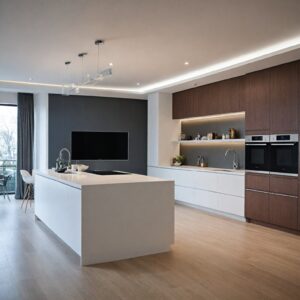
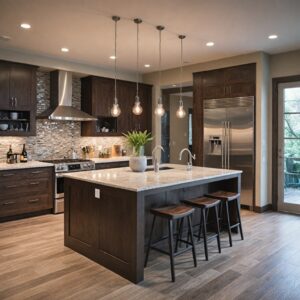
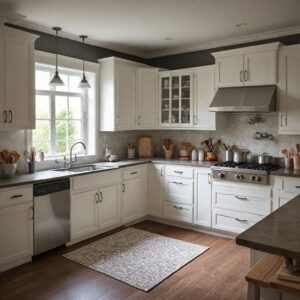
Summer renovations offer a chance to embrace vibrant color palettes and personality-filled design elements. Popular kitchen remodeling trends include bold colors, unique cabinetry profiles, and statement hardware that transform the space into a lively, inviting area suitable for both everyday use and entertaining. Considering the home as a complete color palette rather than isolated rooms helps maintain a harmonious and creative aesthetic.
3. Cooling and Comfortable Interiors
Refreshing bedrooms and living spaces for summer is essential to enhance comfort. Simple updates like swapping heavy bedding for lightweight linens, adding sheer curtains, and incorporating natural textures and plants can make interiors cooler and more inviting without a full renovation. These adjustments support restful sleep and relaxation during warmer months.
4. Outdoor Living and Shade Solutions
Maximizing outdoor spaces is a key summer renovation priority. Installing structures such as pergolas, retractable awnings, or umbrellas provides shade and extends usability during hot days. Adding vertical elements with climbing plants or fabric drapes can define and soften the outdoor area, improving
Eco-Friendly and Energy-Efficient Renovation Essentials
Sustainable renovations focus on reducing environmental impact by minimizing construction waste and enhancing the energy efficiency of homes. This approach often involves using recycled, upcycled, or green building materials, which not only conserve natural resources but also contribute to lowering energy consumption and costs. An eco-friendly home equipped with features like solar panels, double-glazed windows, and smart lighting systems can reduce energy bills by up to 30%.
A key strategy in energy-efficient renovations is the “fabric first” approach, which prioritizes improving the building’s structure to retain heat. This includes insulating walls and roofs to prevent heat loss, making the home airtight to avoid warm air escape, and implementing shading and ventilation techniques to offset solar heat gain during summer months. For example, on north-facing façades, wide eaves can block high-angle summer sun while allowing beneficial low-angle winter sunlight, thus improving seasonal energy performance.
Incorporating natural ventilation is another essential element. Properly designed ventilation uses wind and the stack effect to cool homes without relying on HVAC systems, which is especially effective in mild, dry climates with cool nights. Strategic placement of windows and landscaping to avoid airflow obstruction enhances this passive cooling method. However, caution is advised in humid climates where increased ventilation might lead to indoor air quality issues like mold.
Waste reduction during renovation is critical for sustainability. Sealing air ducts and planning ventilation during dusty construction phases prevent pollutant spread inside the home. Additionally, reusing and recycling common construction materials helps divert waste from landfills. Materials can be reclaimed (rescued without alteration), repurposed (used in new ways without transformation), or recycled (reprocessed into raw materials), all of which contribute to reducing the renovation’s ecological footprint.
Upcycling creative architectural solutions exemplify innovative sustainable practices. For instance, recycled food and beverage cartons have been transformed into environmentally friendly building materials by companies like The ReWall Company. Projects like the Zero Waste Bistro showcase interiors and products made entirely from upcycled materials, promoting sustainability throughout the design process.
Although some sustainable materials may be costlier or less familiar to builders, there is a growing trend toward nature-based alternatives such as timber, clay, and hemp. Manufacturers are increasingly greening their products to support eco-conscious construction. By integrating these materials and principles, homeowners can make their renovations environmentally responsible and showcase a commitment to combating climate change.
Together, these eco-friendly and energy-efficient essentials empower homeowners to transform their living spaces into healthier, more sustainable environments while reducing their carbon footprint and energy expenses. Scheduling consultations with green renovation experts can further tailor these strategies to individual projects and budgets.
The content is provided by Harper Eastwood, Home Upgrade News