Summary
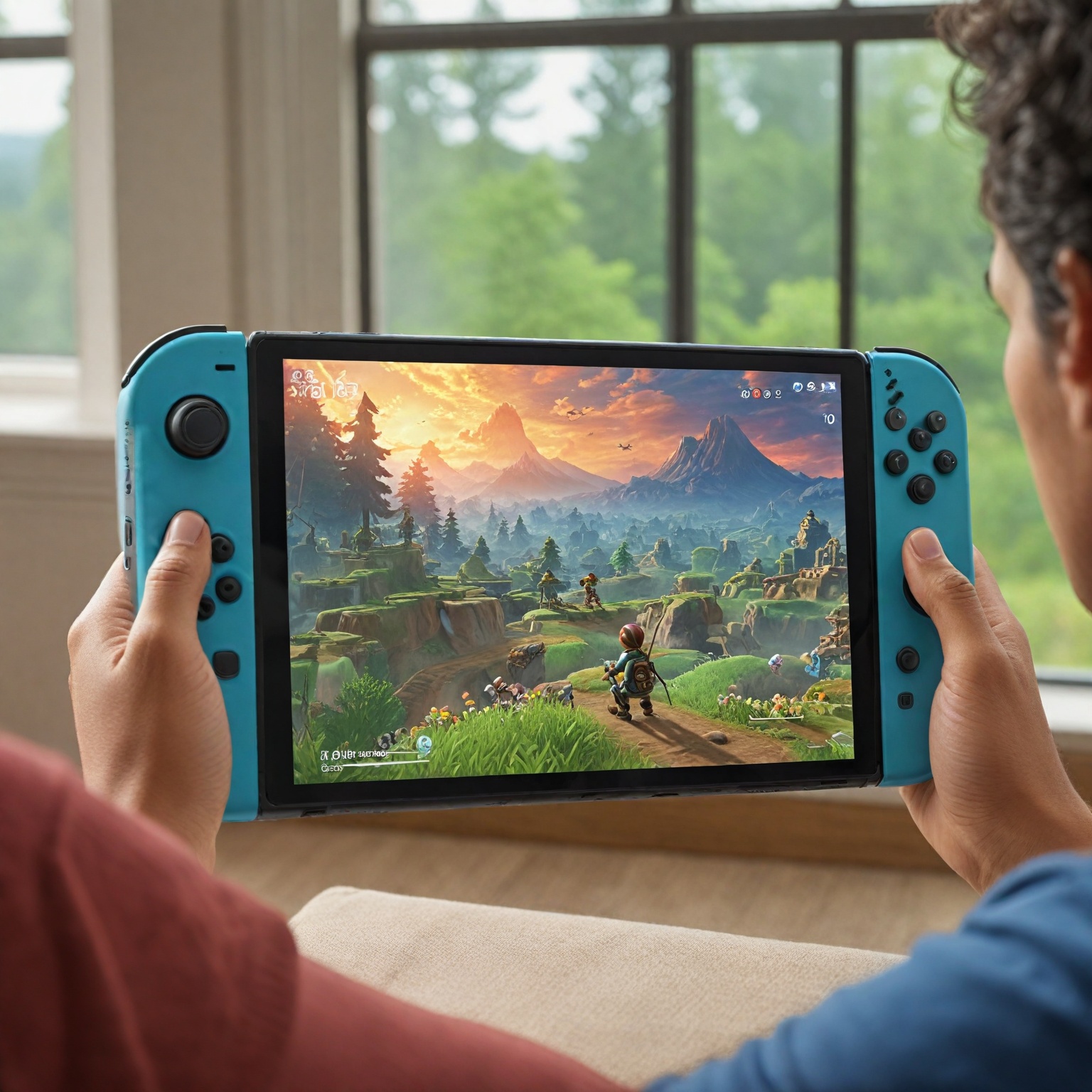
The Nintendo Switch 2 represents a major advancement in handheld gaming consoles, primarily highlighted by its upgraded display technology. Featuring a larger 7.9-inch LCD panel with full 1080p resolution, the Switch 2 doubles the pixel count of its predecessor, delivering sharper and more detailed visuals. The screen supports a refresh rate of up to 120Hz in handheld mode, allowing for smoother gameplay, and incorporates High Dynamic Range (HDR10) support to enhance contrast and color vibrancy, marking a notable improvement over the original Switch’s display capabilities.
Despite these advancements, the Switch 2’s display technology has generated mixed reactions. While it offers impressive color gamut coverage and variable refresh rate (VRR) support to reduce visual artifacts, the LCD panel’s peak brightness and response times have drawn criticism. The screen’s peak brightness ranges from approximately 330 to 450 nits, which is below the level typically required for effective HDR performance, and the absence of local dimming limits the ability to display deep blacks. Additionally, response times measured between 17 and 33 milliseconds can lead to motion blur during fast action scenes, somewhat diminishing the benefits of the high refresh rate.
Nintendo’s decision to utilize an advanced LCD panel rather than OLED technology, despite the latter’s known advantages in contrast and response times, reflects a strategic balance between performance, cost, and HDR compatibility. According to Nintendo’s technology leadership, recent improvements in LCD technology, including HDR support and enhanced color reproduction, justified this choice, even though some consumers and reviewers had expected an OLED upgrade. This approach positions the Switch 2 uniquely in the market, offering significant visual enhancements while maintaining affordability and compatibility with a broad range of external displays.
Overall, the Nintendo Switch 2’s display upgrade contributes substantially to the console’s improved gaming experience, providing higher resolution, smoother frame rates, and richer colors. However, the device’s limitations in brightness and response speed have sparked debate among users and critics, especially those seeking performance on par with dedicated gaming monitors. The evolving landscape of display technology and Nintendo’s choices will likely influence both consumer expectations and industry trends in portable gaming displays moving forward.
Display Technology Overview
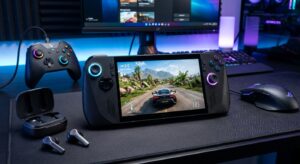
The Nintendo Switch 2 features a significant upgrade in display technology compared to its predecessor, boasting a larger 7.9-inch LCD screen with a full 1080p resolution. This effectively doubles the pixel count of the original Switch display, allowing for games to be enjoyed in higher resolution and greater detail. The screen supports a refresh rate of up to 120Hz in handheld mode, which is twice the refresh rate of the original console, enabling smoother gameplay experiences when supported by games.
A key feature of the Switch 2’s display is its support for High Dynamic Range (HDR10), a technology that enhances contrast and color definition by expanding the range between light and dark visuals. HDR aims to deliver brighter highlights and deeper shadows, contributing to a more vivid and immersive visual experience. However, despite HDR support, the Switch 2’s LCD panel has limitations in achieving true HDR performance. The screen’s peak brightness has been measured at approximately 330 to 450 nits, which falls short of the 600 nits or higher generally considered necessary for effective HDR display. Additionally, the absence of local dimming on the LCD panel prevents the screen from displaying deep blacks, further reducing HDR’s impact.
Another notable feature is the inclusion of variable refresh rate (VRR) technology. VRR allows the display to dynamically adjust its refresh rate to match the frame output of the console, ranging between approximately 30Hz and 120Hz. This synchronization helps reduce screen tearing, frame skips, and flickering, resulting in smoother visual output during gameplay.
Despite these advancements, some aspects of the Switch 2’s display performance reveal drawbacks. Response times, measured between 17.1 milliseconds (best case) and 33.3 milliseconds (worst case), are slower than the ideal sub-10 millisecond standard for gaming displays. This can lead to motion blur during fast-paced scenes, somewhat diminishing the benefits of the high refresh rate. Furthermore, while the larger screen and improved resolution enhance the visual experience, the brightness and response limitations indicate that the Switch 2’s display, while superior to the original Switch, does not yet match the performance of high-end dedicated gaming monitors.
Technical Specifications
The Nintendo Switch 2 utilizes an IPS panel with a larger and higher resolution screen, delivering a brighter and more vibrant visual experience. The display boasts a peak brightness of 303 cd/m² and a contrast ratio of 1309:1, accompanied by a brightness uniformity of 1.54%. Its color reproduction capabilities are impressive, covering 100% of the sRGB color space, 99.6% of DCI-P3, 97.9% of Adobe RGB, and 71.9% of Rec. 2020, which contributes to its wide color gamut and enhanced image vibrancy.
This display supports advanced features such as variable refresh rates and a 120Hz refresh rate, allowing for smoother gameplay and better performance. The Switch 2 can run at 120Hz at lower resolutions, while 4K output is capped at 60Hz, with most titles targeting 60fps. This flexibility enables users to prioritize either higher resolution or smoother frame rates based on their preferences.
Regarding HDR support, the Switch 2 now offers compatibility with HDR content in supported games when connected to a compatible display. However, unlike OLED technology, the backlight remains a regular LED, with no evidence of an OLED panel in use. The system also includes a custom Nvidia processor tailored for enhanced graphics and performance, though detailed specifications have not been fully disclosed.
Color output settings on the Switch 2 allow users to choose between full-range RGB (0-255) or limited-range RGB (16-235), enabling optimization for various TV color profiles and ensuring accurate color reproduction across different displays.
The display panel has received a “VESA Certified DisplayHDR” rating, indicating it meets the Video Electronics Standards Association’s quality and specification standards for HDR performance, with the certification number reflecting its peak brightness capabilities. Overall, the Switch 2’s display represents a substantial enhancement designed to elevate the gaming and viewing experience.
Hardware and Material Innovations
The Nintendo Switch 2 features significant advancements in its display technology, focusing on LCD rather than OLED. According to Tetsuya Sasaki, General Manager of Nintendo’s Technology Development Division, the decision to use an LCD panel was based on extensive evaluation of current LCD advancements and the desire to balance performance with cost and compatibility considerations. Although the OLED model of the previous Switch did not support HDR, the new Switch 2 incorporates HDR support with its LCD screen, enhancing visual contrast and color vibrancy.
Despite some expectations for an OLED display, the Switch 2’s LCD panel offers a bright and vivid viewing experience. While blacks are not as deep as on OLED screens, HDR implementation helps compensate by improving overall image quality. The display is also larger than its predecessor, making these visual improvements more noticeable across the screen. This trade-off has been generally well-received, with the LCD’s brightness and color gamut contributing to a more enjoyable user experience.
To optimize performance, the Switch 2 uses techniques such as overdrive, which applies a temporarily higher voltage to LCD pixels to accelerate color changes, thereby improving response times and reducing motion blur. This helps maintain smooth visuals during fast-paced gameplay, even though the native response times may be conservative to preserve battery life.
Further hardware enhancements include a higher resolution and a 120Hz variable refresh rate, which contribute to smoother and more responsive gameplay. The device’s ability to handle reflections better than its predecessor, combined with its wider color gamut and brightness, results in better subjective image quality, despite the LCD’s inherent contrast limitations. These improvements make games look more vibrant and fluid, particularly benefiting genres that rely on rapid motion and quick input response.
However, some criticisms have emerged regarding the LCD panel’s text clarity. A Chinese reviewer noted that the Switch 2 uses an IPS panel with a unique “special RGB” diode arrangement in a wave-like pattern, which can cause text to appear blurry, a problem reminiscent of certain OLED displays. The review was unable to fully test the display’s performance at the maximum 120Hz refresh rate, leaving some questions about potential response time issues at higher frame rates.
Comparison with Traditional TV and Gaming Displays
The Switch 2’s display marks a significant improvement over both traditional TVs and previous gaming displays, particularly in terms of resolution, refresh rate, and color performance. With a 7.9-inch screen featuring a 1080p resolution, it offers roughly double the pixel count compared to the original Nintendo Switch, making games appear sharper and more detailed. This enhanced resolution is complemented by a higher refresh rate of 120Hz, doubling the standard 60Hz seen on most TVs and gaming displays, which enables smoother gameplay and more responsive visual feedback.
In contrast to many modern televisions, which may prioritize broader features or smart capabilities, the Switch 2’s display is specifically optimized for gaming performance. It supports variable refresh rate (VRR) technology, allowing the screen to dynamically adjust its refresh rate between 30Hz and 120Hz to match the console’s frame output, thereby reducing frame skips and flickering that can disrupt gameplay. While many TVs currently cap at 60Hz for 4K content, the Switch 2 balances between resolution and frame rate, often favoring 120Hz at lower resolutions for better performance.
Color reproduction on the Switch 2 is also notable. Its IPS panel allegedly covers nearly 100% of the sRGB color space and a similarly high percentage of the DCI-P3 and Adobe RGB gamuts, delivering vibrant and accurate colors that enhance visual immersion. Compared to traditional TV panels, this means the Switch 2 can present richer and more consistent color performance, particularly beneficial for games that emphasize artistic detail and color fidelity.
Despite these advantages, the Switch 2’s display shares some limitations with traditional LCD TVs. It does not employ local dimming technology, which is critical for achieving deep blacks and high contrast in HDR content. Peak brightness measurements, ranging around 303 to 450 nits depending on the content, fall short of what is typically required for a true HDR experience, resulting in less pronounced contrast between light and dark areas. The constant black level rise and absence of local dimming mean that blacks can appear more like dark gray in darker scenes, similar to many standard LED-backlit TVs.
Connectivity and Accessories
The Nintendo Switch 2 introduces several enhancements in connectivity and accessory support compared to its predecessor. The new dock retains the primary bottom port for docking the hybrid console, similar to the original Switch. However, it also features an additional top USB-C port designed specifically for charging or connecting accessories such as the Nintendo Switch 2 Camera. Notably, this top USB-C port does not support video output and is off-centre, which means the console cannot be docked upside down.
One significant improvement is the inclusion of a wired Ethernet port on the dock, providing users with a more stable and reliable internet connection without the need for additional adapters. This addition is welcomed by those who prefer a consistent and high-speed network experience while gaming. The dock also comes equipped with a stronger 60W power supply and an Ultra High Speed HDMI cable to support enhanced video capabilities.
To connect the console to a display, users plug an HDMI cable into the dock’s middle HDMI port, then connect the other end to their TV or monitor. Additionally, some video features require the use of a USB-C camera accessory, which is not available in all countries and may have specific terms and requirements for online functionality.
Recommended External Displays for Optimal Performance
To fully harness the advanced display capabilities of the Nintendo Switch 2, selecting a compatible external display is essential. The Switch 2 supports resolutions up to 4K, HDR, variable refresh rates (VRR), and frame rates as high as 120 fps when connected to a suitable TV via its dedicated dock and Ultra High Speed HDMI cable. Therefore, choosing a TV that can accommodate these features will significantly enhance the gaming experience.
Many modern TVs, particularly high-end Samsung and LG models, support Full RGB color range and VRR, ensuring accurate color representation and smooth gameplay. Additionally, most recent televisions, even budget options, now include Auto Low Latency Mode (ALLM), which automatically switches the TV into game mode upon detecting the Switch 2 connection, minimizing input lag and enabling features such as 120Hz refresh rates in compatible titles like Mario Kart World.
When considering screen size, a 7.9-inch LCD display is standard on the handheld console itself, but external displays typically offer larger sizes with UHD or 1440p resolutions and 120Hz refresh rates, making them ideal for immersive gaming sessions at home. TVs with strong contrast and rich colors complement the Switch 2’s HDR capabilities, delivering vibrant and detailed visuals that align with the console’s performance-focused design.
To maximize these benefits, users should verify their TV’s specifications for Full RGB support, HDR compatibility, VRR, and ALLM functionality through manufacturer documentation or online resources. Investing in a well-equipped external display ensures the Switch 2’s superior display technology is fully utilized, providing a smoother, more vivid gaming experience.
Practical Implications for Users
The Nintendo Switch 2 introduces significant enhancements in processing power, speed, and graphics performance, resulting in smoother frame rates, sharper visuals, and faster loading times compared to its predecessor. These improvements not only enhance the gaming experience but also enable new gameplay possibilities. Select titles originally designed for the Nintendo Switch can leverage these upgrades to deliver better graphics and reduced load times on the Switch 2 system.
One notable aspect impacting user experience is the display response time of the Switch 2. Tests have shown a response time ranging from 17.1 milliseconds in optimal scenarios to 33.3 milliseconds in the worst case. While the device supports a 120Hz refresh rate, the relatively slow response time compared to many contemporary gaming displays means users may experience motion blur and less clarity during fast-moving scenes. For comparison, a display with a five times faster LCD response at 60Hz can produce crisper motion visuals with significantly reduced blur, highlighting an area where the Switch 2’s display technology could improve.
Another feature relevant to user experience is Variable Refresh Rate (VRR), which is increasingly common in modern TVs. VRR synchronizes the display refresh rate with the console’s frame output, eliminating visual artifacts such as stuttering or tearing and providing a smoother visual flow during gameplay. Users with VRR-compatible TVs will benefit from this technology when playing on the Switch 2, making the upgraded graphics and smoother frame rates more noticeable and enjoyable.
Consumer Reception and Critical Reviews
The Nintendo Switch 2’s display has elicited mixed reactions from both consumers and critics. Early impressions highlight that while the device features a 7.9-inch 1080p LCD screen with a 120Hz refresh rate, variable refresh rate support, and HDR10 capability, its overall performance does not fully meet expectations set by contemporary gaming displays.
Many users appreciate the improved resolution and smoother frame rates compared to the original Switch, noting vibrant colors and strong viewing angle stability that contribute to an enhanced visual experience. However, concerns have been raised regarding the response time of the Switch 2’s display, which is considered subpar relative to other gaming monitors, leading some to describe it as a limiting factor in fast-paced gameplay.
Professional reviewers specializing in gaming monitors have pointed out that the Switch 2’s lack of direct input and full signal control complicates comprehensive performance testing. Despite this, their limited analyses suggest that certain aspects of the display’s performance fall short of expectations, particularly when compared to dedicated gaming monitors.
In the broader consumer community, discussions reveal a degree of skepticism and disappointment, with some attributing critiques to subjective preferences while others echo genuine technical concerns about the display’s responsiveness. Overall, while the Switch 2’s screen offers noticeable upgrades in resolution and color quality, its performance in key areas such as response time may impact the viewing experience for competitive gamers and enthusiasts
Market Impact and Industry Adoption
The introduction of the Nintendo Switch 2, featuring significant advancements in display technology, has stirred considerable interest and debate within the consumer electronics market. Nintendo’s decision to continue utilizing LCD technology, despite the availability of OLED options, reflects a strategic choice influenced by recent developments in LCD performance and compatibility features. According to Tetsuya Sasaki, General Manager of Nintendo’s Technology Development Division, the company carefully evaluated current display technologies and concluded that enhanced LCD panels could meet their requirements while now supporting High Dynamic Range (HDR), a feature absent in the previous OLED version of the Nintendo Switch.
This move has important implications for both consumers and industry competitors. While some early analyses of the Switch 2’s display have been met with harsh criticism, particularly concerning expectations set by OLED displays, the device’s improved LCD technology aims to balance cost, performance, and compatibility. The adoption of advanced LCD panels with HDR support positions Nintendo uniquely in the market, potentially influencing other manufacturers to reconsider the value proposition of LCD versus OLED in gaming consoles and portable devices.
Moreover, the Switch 2’s display upgrade challenges the readiness of existing television technology among consumers. As Nintendo embraces HDR capabilities, the ecosystem of compatible TVs and monitors will become increasingly significant, driving demand for HDR-compliant displays. This dynamic encourages broader industry adoption of HDR standards and may accelerate the transition toward more sophisticated display technologies in home entertainment systems.
Future Developments and Potential Innovations
Nintendo’s ongoing advancements in display technology suggest that the Switch 2 will continue to prioritize improvements in visual performance while balancing cost and technical feasibility. Although the current Switch OLED model enhanced color fidelity and screen size, Nintendo has opted to retain LCD technology for the Switch 2 after careful consideration of available advancements in LCD panels. According to Tetsuya Sasaki, General Manager of Nintendo’s Technology Development Division, the decision to stick with LCD was influenced by recent improvements in LCD technology, including better support for HDR—an area where even the OLED Switch lacked compatibility.
Speculation about a Switch 2 OLED model remains strong, as OLED displays are known for superior pixel response times and deeper blacks, which could significantly enhance gaming visuals. However, some technical advantages of LCD, such as higher brightness, native 1080p resolution compared to the original Switch’s 720p, and higher refresh rates (potentially up to 120Hz), may have contributed to Nintendo’s preference for LCD in the next iteration. These attributes, combined with support for VRR (Variable Refresh Rate) and HDR, create a display that delivers vivid and bright images, mitigating some of the traditional weaknesses of LCD panels, like less accurate blacks.
Future innovations might see Nintendo further optimizing these technologies to offer a balance of performance and cost-efficiency. While an OLED upgrade remains a possibility, current trends indicate that Nintendo values the practical advantages of LCD for the Switch 2’s display. As display technology continues to evolve, it will be interesting to observe whether Nintendo integrates emerging advancements such as improved HDR standards, higher refresh rates, or novel panel technologies to enhance the user’s visual experience.
The content is provided by Harper Eastwood, Home Upgrade News