
Summary
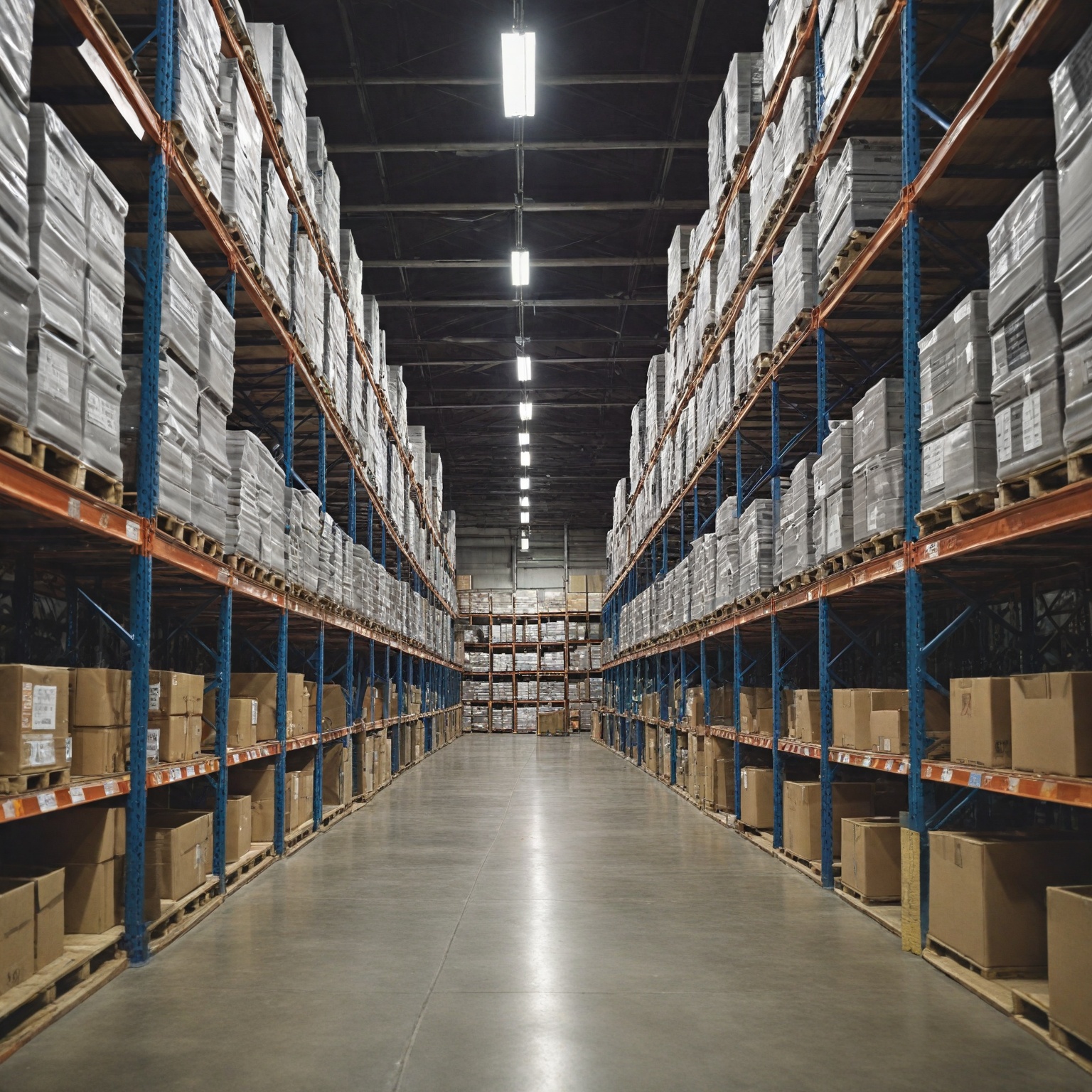
Heavy-duty shelving solutions are specialized storage systems engineered to support substantial weight loads, making them essential for organizing heavy, bulky, or voluminous items across industrial, commercial, and residential environments. Constructed primarily from robust materials such as steel, galvanized steel, and wrought iron, these shelving units combine durability, load-bearing strength, and resistance to environmental factors, addressing diverse storage challenges from warehouses and manufacturing plants to home garages and retail spaces. Their adaptability in design—including adjustable, boltless, mobile, and wire shelving configurations—allows users to optimize space utilization while maintaining ease of access and organization.
Notable for their ability to support loads ranging from several hundred to over 10,000 pounds per shelf, heavy-duty shelving solutions enhance storage capacity without compromising safety or stability. Compliance with industry safety standards from organizations such as OSHA, RMI, and ANSI is critical, as proper installation, load management, and regular maintenance help prevent accidents and structural failures in demanding settings. The incorporation of certified welding and modular design further ensures long-term performance and flexibility in dynamic operational environments.
Beyond their functional advantages, heavy-duty shelving systems contribute significantly to workplace safety and efficiency by facilitating organized, clutter-free spaces that optimize vertical storage and improve inventory management. However, improper installation or overloading can pose serious risks, emphasizing the need for professional guidance and adherence to prescribed load capacities and safety protocols. These factors underscore the importance of selecting and maintaining shelving solutions that balance strength, usability, and regulatory compliance.
Environmental considerations also play a growing role in the selection of heavy-duty shelving, as materials like steel and galvanized steel offer recyclability and extended lifespan, supporting sustainability goals within industries. In contrast, alternatives such as plastic shelving tend to have shorter lifecycles and greater environmental impact. By choosing durable, recyclable materials and following best maintenance practices, users can minimize waste and promote responsible storage infrastructure aligned with modern environmental standards.
Overview of Heavy-Duty Shelving Solutions
Heavy-duty shelving solutions are designed to provide robust storage capacity for medium to very high loads, making them ideal for industrial, commercial, and even residential applications requiring the organization of bulky or heavy items. These shelving systems are typically constructed from high-quality materials such as steel, galvanized steel, or wrought iron, all known for their strength, durability, and resistance to damage and environmental factors.
Steel is the most common material for heavy-duty shelving due to its exceptional load-bearing capacity and long-lasting performance in demanding environments such as warehouses and manufacturing plants. Heavy-gauge steel shelving can support weights ranging from approximately 1,100 lbs per shelf to upwards of 10,000 lbs for more reinforced units, catering to diverse storage needs. Galvanized steel shelving further enhances corrosion resistance by coating the steel with zinc, making it suitable for environments prone to moisture, humidity, or chemical exposure. Wrought iron is another metal option, valued for its combination of durability and aesthetic appeal, often chosen for custom storage cabinets and furniture.
Heavy-duty shelving solutions come in various styles and configurations to accommodate different spatial and organizational requirements. For instance, boltless shelving offers ease of assembly and rapid shelf adjustment, making it versatile for retail, warehouse, and stockroom settings. Mobile shelving systems, available in manual or mechanized forms, allow efficient use of floor space by providing seamless access to stored items, especially useful in large storage facilities. Wire shelving units enhance airflow and reduce dust accumulation, beneficial for products sensitive to environmental contaminants.
Adherence to safety standards and regulations is critical in the implementation of heavy-duty shelving. Shelving units must comply with guidelines established by organizations such as the Occupational Safety and Health Administration (OSHA), the Rack Manufacturers Institute (RMI), and the American National Standards Institute (ANSI) to minimize risks of workplace injuries and ensure safe load capacities. Proper installation, maintenance, and load management are essential components of maintaining compliance and creating a safe working environment.
Design and Engineering Features
Heavy-duty shelving units are engineered with a focus on strength, durability, and adaptability to meet diverse industrial and commercial storage needs. The choice of materials is paramount; steel is the predominant material used due to its exceptional load-bearing capacity, resilience, and resistance to environmental damage, outperforming alternatives like aluminium and plastic in terms of weight support and longevity. Steel shelving thickness varies depending on the intended load capacity and shelving height, ensuring each unit can withstand the specific demands of its application.
The structural integrity of these units is often enhanced through certified welding processes, such as those meeting ISO 3834 standards, which guarantee that welds provide the necessary strength and safety for heavy-duty use. Shelving designs typically feature adjustable shelves, allowing users to customize the spacing in increments (often around 50 mm) to accommodate items of varying sizes and optimize vertical space.
Load capacity is a critical engineering consideration, with many heavy-duty shelves designed to support weights ranging from several hundred pounds to over 1,000 kg per shelf level. Some advanced configurations, like high-bay storage racks, can reach heights of up to 20 meters and integrate with order picker machinery or raised walkways to facilitate access, maximizing storage density while maintaining operational efficiency.
Design elements also include features to improve functionality and safety, such as open wire shelving to enhance airflow and reduce dust accumulation, grid-patterned shelves for stability, and powder-coated finishes to resist corrosion and wear. Additionally, modularity and adjustability ensure that shelving systems can evolve with changing storage requirements, making them ideal for dynamic environments like warehouses and garages.
Proper installation and maintenance play vital roles in the performance and longevity of heavy-duty shelving. Adhering to manufacturer guidelines for assembly, including correct height-to-depth ratios and secure anchoring, is essential to prevent structural failure. Regular inspections further ensure ongoing safety and compliance with regulations, such as OSHA standards. Effective design and engineering thus combine material strength, certified construction methods, customizable configurations, and rigorous maintenance protocols to deliver reliable, high-performance heavy-duty shelving solutions.
Benefits of Heavy-Duty Shelving
Heavy-duty shelving offers numerous advantages that make it an ideal choice for both industrial and personal storage needs. One of the primary benefits is its high load-bearing capacity. Constructed from higher gauge steel or similarly durable materials, heavy-duty shelving can support substantial weights without compromising safety or stability, making it suitable for storing heavy equipment, tools, and bulk items.
In addition to strength, heavy-duty shelving maximizes space utilization. By allowing vertical storage solutions, such as tall racks or shelving units placed underneath mezzanines, these systems optimize available square footage in warehouses or storage areas. This vertical design approach frees up floor space while maintaining easy access to stored items, enhancing overall organization and efficiency.
Safety is another critical benefit of heavy-duty shelving. These units are designed and constructed following industry standards from organizations like OSHA, NSF, ISO, RMI, and ANSI, which ensure proper installation, maintenance, and load management. Using heavy-duty shelving reduces the risk of shelf collapse, tipping, or accidents caused by overloaded or unstable shelving, thereby fostering a safer working environment.
Finally, durability and long-term performance are significant advantages. Heavy-duty shelving materials such as steel resist wear and tear better than alternatives like plastic or tempered glass, providing a reliable and resilient storage solution over time. This durability, combined with safety and space efficiency, makes heavy-duty shelving an essential component for decluttering and organizing both industrial and personal spaces effectively.
Factors to Consider When Choosing Shelving
When selecting heavy-duty shelving solutions, several critical factors must be evaluated to ensure the system meets both operational needs and safety standards. The choice of shelving material is fundamental, as different materials offer varying levels of strength and durability tailored for specific environments and storage requirements.
Versatility and adaptability are also key considerations. Industrial shelving systems often feature adjustable designs that allow for easy reconfiguration to accommodate changing inventory sizes and quantities without compromising stability. This flexibility enhances space utilization and supports efficient inventory management across diverse industries.
Load capacity is paramount when choosing shelving. Heavy-duty shelves are engineered to support significant weights, often ranging from hundreds to several thousand pounds per shelf, depending on design and material. It is essential to verify that the shelving unit’s weight capacity aligns with the anticipated storage loads to prevent overloading and ensure safety.
Proper installation and ongoing maintenance cannot be overstated. Correct assembly following manufacturer guidelines, appropriate height-to-depth ratios, and regular inspections are vital to maintaining the structural integrity and longevity of shelving systems. Additionally, weight distribution should be managed carefully to avoid concentrated loads that could compromise shelf stability over time.
Different storage needs may call for varying shelving types. For instance, bulky machinery often requires robust pallet racking systems, while smaller tools and parts may be better suited to modular or boltless shelving that offers ease of adjustment and assembly.
Compliance with industry standards and safety regulations is essential. Shelving systems should adhere to guidelines established by organizations such as OSHA, RMI, and ANSI to ensure workplace safety and regulatory compliance. Certifications like ISO 3834, which confirm proper welding processes and structural integrity, provide additional assurance of build quality and durability, particularly for units handling heavy-duty materials.
Finally, engaging professional expertise during the selection and installation process is recommended. A trusted provider can assess facility layout, load demands, and operational goals to recommend and install shelving solutions that optimize performance, safety, and return on investment.
Popular Applications
Heavy-duty shelving solutions serve a wide variety of storage needs across both residential and commercial environments. In home settings, they are commonly used in garages, attics, and storage rooms to organize items such as seasonal decorations, tools, paint cans, and bulky supplies like bags of kitty litter or wood planks, helping to reclaim wasted wall and floor space efficiently. These shelving units support heavy bins and boxes, offering a durable and stable option for homeowners undertaking DIY organization projects aimed at enhancing both functionality and aesthetics.
In commercial and industrial contexts, heavy-duty shelving is essential for warehouses, distribution centers, and manufacturing facilities that require reliable, high-capacity storage systems capable of supporting hundreds to thousands of pounds per shelf. These environments benefit from customizable shelving that can accommodate evolving operational needs, including integration with automation technologies such as robotic retrieval systems, which ensure adaptability and scalability in fast-paced logistics operations. Lateral mobile shelving units, which slide side-to-side along heavy-duty tracks, provide a high-density storage solution that maximizes space utilization while maintaining easy access to stored items.
Additionally, heavy-duty shelving can be utilized to create functional media spaces and stylish room dividers in both office and retail settings, combining practical storage with aesthetic design. Whether storing heavy equipment, power tools, or inventory, these shelving solutions offer a versatile approach to decluttering and organizing diverse environments, from personal workshops to large-scale industrial facilities.
Installation and Maintenance
Proper installation and consistent maintenance are fundamental to ensuring the safety, durability, and effectiveness of heavy-duty shelving systems. Given the complexity of selecting and setting up shelving tailored to specific storage needs, professional expertise is highly recommended. A trusted provider typically assesses facility layout, load requirements, and operational goals to recommend the most suitable solution and guarantee compliance with industry safety standards such as those set by the Rack Manufacturers Institute (RMI).
During installation, it is crucial to follow manufacturer guidelines meticulously to ensure each component is correctly assembled. The height-to-depth ratio should be carefully considered, and heavy gauge steel materials are often preferred for their strength and reliability. Properly securing shelving units to walls or floors is essential, especially in environments that handle heavy or delicate items, such as healthcare facilities. Failure to do so can compromise structural integrity and pose safety hazards.
For residential or lighter-duty applications, metal standards and brackets offer a versatile and relatively easy installation method. Various bracket types—including floating, L-brackets, and heavy-duty brackets—cater to different load requirements and aesthetic preferences. Reinforcement with additional supports may be necessary when planning to store particularly heavy tools or equipment.
Maintenance is an ongoing process critical to preserving the integrity and performance of shelving systems. Regular inspections should be conducted at multiple intervals: daily visual checks for obvious damage, weekly and monthly detailed examinations for more subtle wear, and annual professional inspections by authorized third-party experts who can evaluate structural integrity and detect degradation. Maintenance routines include tightening bolts and fasteners to prevent looseness, verifying the levelness and stability of shelves, and checking for damaged beams or uprights.
Loading practices significantly influence shelf longevity and safety. Heavier items should always be placed on the bottom shelves to lower the center of gravity and reduce the risk of tipping. Overloading top shelves or exceeding specified weight limits can induce stress, causing buckling or collapse. Training staff on these best practices and safety protocols is vital to maintaining a safe and efficient work environment.
Additional safety measures, such as installing guardrails made from high-tensile steel, provide protection against collisions with machinery and reduce the risk of damage. These guards often feature designs that allow for easy installation and secure mounting to the floor, further enhancing overall system safety.
By integrating professional installation, strict adherence to safety standards, and a disciplined maintenance schedule, organizations can optimize the performance, safety, and lifespan of their heavy-duty shelving solutions while ensuring a productive and hazard-free environment.
Safety Considerations
Ensuring safety when using heavy-duty shelving solutions is critical to protect both personnel and inventory. Regular inspections are essential to maintain safe operations: daily visual checks help identify obvious damage or wear, while more thorough weekly and monthly inspections can detect serious issues. Additionally, professional inspections by authorized third-party experts should be conducted annually to assess the structural integrity of shelving units and determine if any degradation has occurred over time.
Proper loading practices are fundamental for stability. Heavier items must always be placed on the bottom shelves to lower the center of gravity, reducing the risk of tipping and potential collapses. This approach not only safeguards workers from falling objects but also preserves the structural integrity of the shelving system. Overloading upper shelves can impose undue stress, leading to buckling or failure. In environments such as healthcare storage, where equipment safety is paramount, adherence to these loading principles is especially important.
Adhering to specified weight capacities is a non-negotiable safety requirement. Heavy-duty shelving units are designed to support particular load limits, which vary based on design and materials. For example, certain configurations of M7 heavy-duty racking can support over 1,000 kg per level. Accurate measurement of load weights and proper securing of shelving units to walls or ceilings are crucial steps when storing heavy items like car parts or gardening equipment to prevent collapse.
Additional safety features, such as guardrails made from high-tensile steel with durable sleeves and floor mounting hardware, provide valuable protection against impacts from machinery and help prevent damage to shelving posts. In fast-paced industrial environments, comprehensive warehouse safety training equips employees to handle hazardous scenarios correctly and reinforces best practices, including not climbing on shelves or using them as ladders to avoid structural damage.
Comparison with Other Storage Solutions
Heavy-duty shelving solutions stand out for their durability, versatility, and capacity to handle substantial weight loads, making them ideal for industrial, commercial, and even residential use. Compared to other storage options, such as basic shelving or cabinetry, heavy-duty shelving is typically constructed from robust materials like steel, which ensures long-lasting performance and a modern aesthetic that complements various workspaces.
One significant advantage of heavy-duty shelving is its ability to support large weights safely. For instance, adjustable shelves often carry loads of up to 100 lbs. each, with base shelves designed to hold even more, sometimes up to 200 lbs.. This capacity exceeds that of many standard shelving units, making heavy-duty shelves suitable for storing tools, equipment,
Buying Guide
When selecting heavy-duty shelving solutions, several key factors must be considered to ensure optimal performance, safety, and value. First, understanding the weight capacity is crucial, as heavy-duty shelves are engineered to support significant loads, often ranging from hundreds to several thousand pounds per shelf depending on their design and materials. Utilizing tools like the “sagulator” can help calculate shelf sag and determine appropriate load limits, especially for freespan shelves such as bookcases.
Material choice plays a vital role in shelf durability and suitability. Steel is widely regarded as the best material for heavy-duty shelving due to its high load capacity, durability, and resistance to environmental factors, although it often requires a higher initial investment compared to wood or plastic options. Wooden shelves offer a balance between cost and customizability, making them suitable for smaller shops and residential use, while glass shelves provide a sleek appearance ideal for high-end retail displays. Plastic shelving is a lightweight and economical solution mainly for temporary or lightweight storage needs. The decision should align with the type of goods stored, operational scale, and desired aesthetics.
Proper support and hardware are equally important. Brackets are attached to vertical standards to extend horizontally and support shelves. Various types exist to match load requirements, with double-slotted, heavy-duty brackets generally recommended for most applications. Ensuring that shelving equipment complies with industry regulations and quality standards is essential. Manufacturers should provide official certifications demonstrating adherence to at least six key quality standards governing industrial shelving products.
Safety considerations cannot be overstated. Businesses must clearly mark weight guidelines and maximum shelf capacities on shelving units to inform loading personnel, preventing overloading and potential accidents. Engaging professional expertise during selection and installation helps tailor the shelving system to facility layout, load requirements, and operational goals, guaranteeing compliance with safety standards and optimizing performance. A durable and properly installed racking system minimizes maintenance costs and product damage while delivering a strong return on investment over time.
Tips for Decluttering Using Heavy-Duty Shelving
When using heavy-duty shelving to declutter your space, it is important to select shelving units that match the type and weight of items you intend to store. Opting for durable, heavy-duty shelving designed to support large tools, equipment, and supplies ensures safety and longevity of the storage solution. Overloading shelves can lead to collapse, spills, and injury, so adhering to manufacturer-recommended weight limits and evenly distributing loads according to uniform distributed load (UDL) principles is essential.
To maintain an organized and efficient shelving system, regularly declutter by grouping similar items together and utilizing bins or containers for smaller parts. Scheduled inspections and maintenance routines help identify signs of wear or damage early, reducing the risk of accidents and extending the lifespan of the shelving units. Training users on safe loading techniques and the importance of reporting potential issues fosters a safer working environment and promotes proper shelf use.
Ergonomics also play a vital role in decluttering effectively. Placing heavier items on lower shelves and lighter items higher up minimizes the effort required to retrieve products, decreasing the likelihood of workplace injuries and improving productivity. Additionally, choosing adaptable shelving systems, such as adjustable or modular designs, allows for flexibility in configuring shelf heights and accommodating changing inventory needs without compromising stability.
Maintaining a clean, clutter-free floor space around shelving units by keeping floors uncluttered, clean, and dry further prevents slips, falls, and accidents. Finally, investing in shelving solutions certified to industry standards guarantees quality and compliance, contributing to a safer and more organized storage environment.
Environmental Impact and Sustainability
The environmental impact and sustainability of heavy-duty shelving solutions largely depend on the materials used and their lifecycle. Steel, including stainless and galvanized variants, is commonly favored for industrial shelving due to its strength, durability, and resistance to corrosion, which extends the lifespan of shelving units and reduces the need for frequent replacement. Galvanized steel, coated with zinc, provides additional protection against rust and environmental damage, making it suitable for harsh conditions and outdoor use, thereby promoting longer-term utility and minimizing waste.
From a sustainability perspective, steel is highly recyclable, and many industrial shelving units incorporate recycled content or can be fully recycled at the end of their useful life. This recyclability helps reduce the demand for virgin raw materials and lowers the overall environmental footprint associated with manufacturing and disposal. Aluminum shelving, while lighter and corrosion-resistant, typically supports less weight but also offers recyclability benefits, contributing to sustainable storage solutions in environments where heavy load capacity is not critical.
In contrast, plastic shelving, though often less durable and prone to damage, generally has a lower load-bearing capacity and shorter lifespan, which can lead to more frequent replacements and increased waste generation. Tempered glass, while strong and durable for certain applications, has a more limited environmental profile due to the energy-intensive manufacturing process involved.
Industry standards and best practices emphasize not only safety and efficiency but also the promotion of sustainability through material choice and proper maintenance. Ensuring shelving units are used within their load capacities and maintained appropriately prevents premature failure and waste. Moreover, choosing corrosion-resistant metals for environments prone to moisture reduces the risk of degradation and the environmental cost of replacement.
Ultimately, selecting heavy-duty shelving solutions that balance durability, load capacity, and material recyclability can significantly mitigate environmental impacts while fostering sustainable organizational practices. This approach aligns with growing industry and regulatory trends that encourage minimizing resource consumption and promoting long-lasting, environmentally responsible storage infrastructure.
The content is provided by Sierra Knightley, Home Upgrade News