
Summary
Smart stain solutions constitute an emerging class of advanced cleaning products and technologies designed to deliver highly effective, targeted, and environmentally friendly stain removal for residential and commercial applications. These solutions integrate natural, non-toxic chemical formulations—such as plant-based oxides and enzymatic detergents—with cutting-edge technologies including ultrasonic cleaning, AI-powered devices, and IoT connectivity. By combining chemical innovation with digital automation, smart stain solutions offer improved cleaning efficacy, convenience, and sustainability compared to traditional stain removal methods.
A key feature of smart stain products is their tailored approach to diverse stain types, employing enzymatic cleaners for organic and protein-based stains and oxygen-based or acid-based formulations for pigment or rust removal. This specificity enhances stain removal performance while reducing the use of harsh chemicals, aligning with growing consumer demand for safer, eco-friendly cleaning alternatives. Additionally, smart devices such as robotic vacuums and app-controlled cleaning systems facilitate automated stain management, integrating seamlessly into modern smart home ecosystems.
The market for smart stain solutions has experienced significant growth, driven by consumer preferences for sustainable ingredients and technological convenience, with leading companies incorporating AI to optimize cleaning efficiency and fabric care. Despite these advances, challenges remain including interoperability issues among smart home platforms, high costs, energy consumption, and the need for standardized chemical safety and device compatibility.
Ongoing innovations and positive user feedback underscore the transformative potential of smart stain solutions to maintain immaculate surfaces efficiently and sustainably. As research and development continue, these solutions are poised to redefine stain removal by merging chemistry, technology, and environmental stewardship.
Overview of Smart Stain Solutions
Smart stain solutions represent a new generation of cleaning products designed to provide effective and environmentally friendly stain removal. These solutions typically combine finely ground, naturally occurring colored oxides with a water-based polymer or resin binder, allowing them to be sold in concentrated form and diluted with distilled water to adjust transparency and cleaning strength. The emphasis on natural and non-toxic ingredients ensures that many of these stain removers are free from harmful chemicals, appealing to users seeking safer household cleaning options.
An important aspect of smart stain solutions is their ability to address different types of stains by correctly identifying their origin. Organic stains, such as those from food, blood, sweat, or grass, require different treatment compared to inorganic stains like rust or ink. Protein-based stains, which can set with heat, including blood and dairy products, often necessitate the use of enzymatic cleaners for effective removal. This targeted approach enhances the overall efficacy of smart stain products.
In addition to their chemical formulation, smart stain solutions are increasingly integrated with advanced technologies aimed at improving cleaning performance and user experience. Innovations include ultrasonic cleaning, sophisticated solution formulations, miniaturized portable devices, and smart features such as app-controlled settings and automated cleaning cycles. These enhancements not only increase cleaning efficacy but also offer convenience and precision in stain management.
Types of Smart Stain Solutions
Smart stain solutions encompass a variety of formulations and technologies designed to effectively remove stains while minimizing environmental impact and enhancing ease of use. These solutions can be broadly categorized based on their active components and mechanisms of action.
Natural and Eco-Friendly Stains Removers
One prominent category of smart stain solutions includes natural, plant-based stain removers that are free from harsh chemicals. These products often combine finely ground naturally occurring colored oxides with water-based polymer or resin binders, forming concentrated formulas that can be diluted to increase transparency and ease of application. They are typically pH neutral, made from renewable ingredients, cruelty-free, and significantly reduce carbon dioxide emissions compared to conventional products. Additionally, consumers can create their own natural cleaning solutions from common household ingredients, promoting sustainability and safety.
Enzymatic Detergents and Cleaners
Enzymatic detergents represent a technologically advanced class of smart stain removers. These formulations utilize enzymes such as protease and amylase to specifically target organic and protein-based stains, breaking down complex molecules into smaller, more easily removed components. Enzyme-based products work effectively at lower dosages and shorter wash cycles, providing superior stain removal while preserving fabric quality and enabling energy savings. This makes enzymatic detergents particularly suitable for delicate fabrics and cold water washing. Studies demonstrate that combinations of enzymes with detergents can achieve stain removal efficiencies as high as 90%, outperforming detergent-only treatments. Specialized enzyme spot and stain removers also target stubborn grease, oil, dirt, and food stains on carpets and upholstery by penetrating and dissolving residues effectively, serving as potent pre-treatment solutions before full cleaning cycles.
Oxygen-Based Cleaners
Oxygen-based stain removers utilize reactive oxygen species, similar to hydrogen peroxide, to lift and break down stains through bubbling chemical reactions. These cleaners are especially effective against dye-based, tannic, and highly pigmented stains such as tea, wine, coffee, turmeric, and beta-carotene. Non-chlorine oxygen bleaches, like sodium percarbonate, are preferred for their gentler action on fabrics compared to chlorine bleaches, making them a staple in many household stain removal products such as OxiClean.
Acid-Based Rust Removers
For rust stains, specialized acidic formulations have been employed historically, including phosphoric acid and hydrofluoric acid-based products. These acids dissolve iron oxide compounds but have been restricted or removed from consumer markets due to toxicity concerns. Safer alternatives, such as oxalic acid and household white vinegar, are commonly used today for rust stain removal. It is crucial to rinse fabrics thoroughly after acid treatment to remove suspended iron-oxide particles that can be toxic.
Solvent-Based and Inert Solvent Cleaners
Certain stains require solvent action to dissolve or loosen the staining material. Inert solvents, like water, do not chemically react with stains but physically dissolve them. Other solvents, such as isopropyl alcohol, can be effective but must be used cautiously due to potential skin irritation and inhalation hazards. Proper identification of stain type is essential for choosing appropriate solvent-based treatments.
Integration with Smart Cleaning Technologies
The advent of smart cleaning devices incorporating sensors, AI, and IoT connectivity further enhances stain management by optimizing cleaning intensity, scheduling, and resource use. Devices such as smart mops and robotic vacuums with integrated mopping functions enable automated, efficient cleaning routines that help prevent stains from setting. These technologies complement smart stain solutions by maintaining immaculate surfaces with minimal user intervention.
Together, these types of smart stain solutions reflect the convergence of natural ingredients, enzymatic science, targeted chemical action, and digital innovation, enabling more effective, sustainable, and user-friendly stain removal for modern households.
Application Areas
Smart stain solutions have found diverse applications across both residential and commercial environments, revolutionizing cleaning practices with advanced technologies. In home settings, these solutions integrate seamlessly with smart home ecosystems such as Apple’s HomeKit, Google Home, and Amazon Alexa, enabling users to control cleaning devices through voice commands or centralized hubs for convenience and efficiency. Devices equipped with intuitive navigation systems and powerful suction capabilities ensure comprehensive coverage and thorough cleaning, while voice control enhances user experience by allowing activation from anywhere within the home.
Beyond individual households, smart cleaning technologies are increasingly adopted in commercial spaces including offices, hotels, and schools. These solutions handle large-scale cleaning tasks efficiently, thereby optimizing operational workflows and freeing staff to focus on other responsibilities. Innovations such as ultrasonic cleaning and advanced stain removal formulations also contribute to healthier environments by improving cleaning efficacy and reducing reliance on harsh chemicals, which is a growing consumer preference for safer and more environmentally friendly options.
Additionally, specialized smart devices like automated waste management bins demonstrate the expanding scope of smart home technologies by automating routine tasks through sensors and connectivity, although certain limitations such as cost and power requirements persist. Overall, the application of smart stain solutions continues to evolve, driven by technological advancements and user demand for effective, eco-friendly, and convenient cleaning methods.
Chemical and Technological Innovations
The landscape of stain removal and cleaning solutions is rapidly evolving due to significant chemical and technological innovations aimed at enhancing efficacy, sustainability, and user convenience. Consumers increasingly prefer alternatives that avoid harsh chemicals, opting instead for plant-based and enzyme-rich formulations that are both effective and environmentally friendly.
Chemical Innovations
Enzyme-based detergents represent a major breakthrough in chemical stain removal technology. These formulations utilize enzyme blends such as amylase and protease produced by microbes, which break down complex particles into simpler units that are easier to remove from fabrics and surfaces. Compared to traditional chemical surfactants, enzymes operate selectively and efficiently, enabling lower dosages, shorter wash cycles, and superior fabric care, including maintaining brightness and quality post-wash. Additionally, enzyme formulations provide notable benefits in cold water cleaning, energy savings, and comprehensive stain removal without relying on harsh chemicals, making them a greener and more sustainable choice.
Specialized enzyme spot and stain removers also target stubborn grease, oil, dirt, and food stains on carpets and upholstery by penetrating and dissolving residues effectively, serving as potent pre-treatment solutions before full cleaning cycles.
Technological Innovations
Technological advancements have complemented chemical progress by integrating cutting-edge features that improve cleaning efficiency and ease of use. Ultrasonic cleaning technologies, invested in by companies such as Ramsonsindia in 2023, enhance stain removal efficacy by employing high-frequency sound waves to dislodge dirt particles.
Smart cleaning devices equipped with sophisticated sensors, connectivity, and artificial intelligence (AI) are revolutionizing cleaning processes. These devices include robotic vacuums and other autonomous systems capable of navigating complex environments, detecting obstacles, and optimizing cleaning routes using AI and machine learning algorithms. Such systems often sync with mobile apps for remote control, scheduling, and adaptive cleaning, minimizing human intervention while maximizing performance.
Advanced sensor technologies further improve detection accuracy and operational reliability. Retro-reflective photoelectric sensors with coaxial optical design can detect transparent objects with minimal false positives by emitting and receiving polarized light along a narrow axis, suitable for hygienic and washdown environments. Additionally, motion sensors and pollutant detection sensors enable validation of cleaning effectiveness and prompt remediation when necessary.
AI integration extends beyond household cleaning to specialized applications such as automated car wash systems, where AI analyzes vehicle size, dirt levels, and weather conditions to adjust cleaning parameters dynamically, providing tailored and efficient services.
Emerging coatings like Indium Tin Oxide (ITO) and new fluorine-based anti-static and stain-resistant layers protect sensor surfaces from static charges and contaminants, enhancing sensor durability and performance in various environments.
Together, these chemical and technological innovations are shaping the future of smart stain solutions, offering consumers more effective, sustainable, and convenient methods to maintain immaculate surfaces.
Usage Patterns and Environmental Impact
Consumers are increasingly favoring stain removal products that are free from harsh chemicals, opting instead for formulations based on plant-derived and naturally renewable ingredients. This shift is driven by heightened awareness of the need for safer, more environmentally friendly cleaning options that are effective yet gentle on fabrics and ecosystems. Advanced stain removal technologies, such as enzyme-based detergents, have gained popularity due to their ability to efficiently break down stains while requiring lower dosages and shorter wash cycles, thus reducing water and energy consumption.
Typical usage patterns involve pretreating stains with enzyme-containing products or detergents, soaking garments for periods ranging from 30 minutes up to overnight depending on the severity and type of stain, and washing with the hottest safe water combined with additives like bleach when appropriate. Regular cleaning routines help prevent stain buildup and preserve fabric integrity, while more challenging stains or delicate materials may require professional cleaning assistance.
From an environmental perspective, conventional stain removers containing synthetic chemicals pose risks by contaminating water systems and soil, threatening aquatic life and soil fertility. Eco-friendly alternatives not only biodegrade more readily but also reduce the carbon footprint associated with cleaning products—some formulations claim CO2e reductions of up to 85% compared to traditional options. Furthermore, manufacturers are adopting sustainable packaging solutions such as recyclable sachets to minimize waste.
User Interfaces and Control Options
Smart stain solutions incorporate a variety of user interfaces and control options to enhance usability and adaptability across different devices. Handheld devices such as smartphones, tablets, and e-readers commonly utilize graphical user interfaces similar to those found on personal computers. However, smartphones and tablets often support additional interface types including sensor interfaces, which automatically adjust settings like screen brightness, and speech interfaces that allow voice commands to perform tasks such as placing calls or playing music. E-readers typically rely on menu interfaces due to their limited processing capabilities.
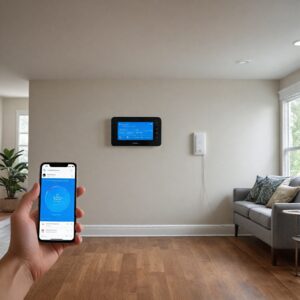
In the context of smart home devices, control options extend beyond direct manual adjustments to include automation and scheduling features. Devices should proactively notify users when automated actions or schedules will override manual settings to avoid confusion. Since device managers often act as intermediaries representing the needs of other household members, the interface design must accommodate scenarios where the user is not the primary decision-maker but rather a proxy or “translator” between household preferences and technical implementations.
Voice control integration is increasingly prevalent, providing intuitive navigation and activation from anywhere within the home. For instance, robotic vacuum cleaners feature integrated voice commands that simplify operation while maintaining effective autonomous cleaning through advanced mapping and obstacle avoidance technologies.
Smart home ecosystems present diverse options for controlling devices, each with distinct advantages and limitations. Amazon Alexa offers broad compatibility with many smart home products but may suffer from clunky interactions and lacks native smartphone support. Conversely, Apple HomeKit emphasizes robust security and privacy but is limited to Apple devices and a narrower product selection. Users often select ecosystems based on their existing device compatibility and security preferences.
Connectivity among smart devices varies, with proprietary networks requiring dedicated hubs or gateways and lacking direct integration with broader ecosystems. Nonetheless, proprietary devices such as smart sensors, locks, and appliances can often be linked to ecosystems like Google Nest or Apple HomeKit through specialized actions or skills, allowing for greater flexibility despite the absence of a unified smart home standard.
Compatibility and Interoperability Challenges
One of the primary challenges in creating a cohesive smart home environment is the compatibility and interoperability among various devices and ecosystems. Smart home products often rely on specific protocols and platforms to function correctly, and mismatches can lead to limited functionality or complete incompatibility. For instance, proprietary networks require dedicated hubs or gateways and do not inherently connect directly to broader ecosystems, which can hinder seamless integration.
Apple’s HomeKit ecosystem emphasizes robust security and privacy, employing end-to-end encryption and authentication processes to ensure that only authorized devices communicate with one another. When an Apple device sends instructions to a HomeKit product, it issues a challenge to confirm the device is HomeKit-approved before allowing interaction. However, this strict security model also means HomeKit is restricted to Apple devices and offers a comparatively limited product selection.
On the other hand, Amazon Alexa provides greater flexibility and supports a wide array of smart home devices, making it compatible with many different brands and products. Despite this, Alexa may lack native smartphone support and sometimes suffers from a less streamlined user experience, which can detract from overall usability. Users with mixed ecosystems often find themselves using Alexa as a bridge when certain devices are not compatible with their preferred platforms, as demonstrated by users who add Alexa devices to control products not yet supported by HomeKit.
The lack of universal standards and the coexistence of multiple protocols—each with distinct strengths and weaknesses—means there is no single best solution for all smart home users. Device managers often act as intermediaries, translating household needs into technical commands across different devices and platforms, which complicates the user experience further. Selecting the appropriate communication protocol is critical; poor choices can lead to reduced battery life, unstable connections, or inadequate signal range, undermining the reliability and efficiency of smart home devices.
Benefits of Smart Stain Solutions
Smart stain solutions offer a variety of benefits that enhance cleaning effectiveness while
Market Trends and Industry Insights
The stain removal market in 2023 is characterized by significant shifts towards powder formulations, with Powder Stan leading the sector by capturing 31.5% of the income share. This dominance reflects consumer preferences that increasingly favor plant-based, chemical-free ingredients, which are perceived as both effective and environmentally safe. Concurrently, technological innovations have become a major driving force, particularly the development of advanced stain removal formulations that offer enhanced cleaning efficacy.
Parallel to formulation trends, the global stain removing machines market is experiencing robust growth, projected to reach a market size of $2.5 billion by 2025 and maintaining an 8% compound annual growth rate (CAGR) through 2033. This growth is fueled by rising consumer awareness around hygiene and cleanliness, especially in developed countries with higher disposable incomes where demand for convenient cleaning solutions is strong. Innovation in this sector focuses on improving cleaning performance via ultrasonic cleaning technologies, advanced solution formulations, and enhanced user experience. Emerging features include portability through miniaturization and integration of smart capabilities such as app-controlled settings and automated cleaning cycles.
Leading industry players are at the forefront of integrating artificial intelligence and eco-friendly technologies into their products. Reckitt Benckiser, for example, has introduced an AI-powered fabric stain remover that optimizes enzyme use and energy consumption based on the specific stain type and fabric, increasing both efficiency and sustainability. Their Vanish technology is well-regarded for combining effective stain removal with fabric care. Similarly, Procter & Gamble caters to tech-savvy consumers by incorporating enzyme-based cleaning cycles and app connectivity into their smart stain removers, emphasizing convenience and performance.
User interaction with smart stain removal devices reveals nuanced decision-making dynamics. Often, device managers act as proxies or “translators” who execute cleaning actions on behalf of household members rather than making autonomous decisions. This behavior challenges typical user experience design assumptions, as everyday users prefer straightforward control methods such as on-device interfaces, voice commands, or central smart home hubs (e.g., Google Home) over manufacturer-specific applications. Such preferences highlight the importance of intuitive and accessible interfaces for basic functionalities like turning devices on and off.
Looking forward, the future of smart cleaning technologies is expected to feature advanced sensors for more precise dirt detection, optimized cleaning paths, and better integration with other smart home ecosystems and renewable energy sources. These innovations promise to accelerate cleaning processes while reducing environmental impact. Consumer reviews reinforce the value of these devices, often highlighting their effectiveness in reaching difficult areas and adapting to various surface types. Despite some challenges, embracing these advanced cleaning solutions represents a pivotal shift towards more efficient and sustainable home maintenance.
Challenges and Limitations
The integration of smart stain removal solutions into home environments faces several significant challenges and limitations. One major obstacle is the absence of a common platform that can seamlessly integrate traditional treatment methods with modern technologies. This lack of standardization hinders the development of effective and sustainable manufacturing and operational frameworks for smart cleaning systems.
Another challenge relates to the design and usability of smart devices. Many smart home cleaning products tend to be expensive, bulky, and limited in their applicability to certain types of clothing or stains. They often require constant internet connectivity and power supply, which can restrict their deployment and convenience for average consumers. Additionally, while advanced sensors and controllers improve the accuracy and efficiency of stain detection and removal, not all sensor types are created equal, and selecting appropriate sensors remains a complex issue in device design.
Energy efficiency is also a concern, especially for smart devices relying on Wi-Fi connectivity. While Wi-Fi provides ubiquitous coverage, devices such as video doorbells and security cameras demonstrate relatively poor power efficiency compared to other communication protocols. This inefficiency can affect the practicality and environmental footprint of smart cleaning systems that depend on continuous connectivity.
Furthermore, there is a critical need for consumer control and transparency regarding the chemicals used in stain removal products. Conventional stain removers often contain synthetic chemicals that can contaminate water systems and soil, adversely affecting aquatic life and environmental health. Consumers with sensitive skin or allergies require safer, non-toxic alternatives that are environmentally friendly. Although several companies now offer eco-friendly stain removers that break down naturally and minimize ecological impact, broader adoption and awareness remain limited.
Case Studies and Success Stories
Innovations in smart stain removal technologies have demonstrated significant improvements in cleaning efficacy and user satisfaction. For instance, the Tineco Carpet Cruiser outperformed competitors like the Bissell HydroSteam in tough stain removal tests, showcasing its advanced cleaning capabilities. However, the Bissell HydroSteam excelled in eliminating pet odors, particularly pet urine smell and dog dander, ranking a close second in tough stain removal while leading in odor elimination. This highlights how different products cater to varying consumer needs through targeted technological advancements.
Consumer feedback further underscores the effectiveness of these smart cleaning solutions. Many users appreciate the devices’ ability to reach difficult areas and adapt to multiple surfaces with ease, enhancing overall cleaning performance and convenience. Moreover, the integration of app-controlled settings and automated cleaning cycles offers customization and time-saving benefits, allowing users to tailor the cleaning process to their specific preferences and freeing up time for other activities.
The shift towards plant-based, chemical-free cleaning formulations has also been met with positive reception. Consumers increasingly prefer these eco-friendly alternatives that maintain fabric safety and environmental responsibility without compromising on stain removal effectiveness. Research into enzymatic stain removal and fabric-care best practices supports the development of these advanced formulations, contributing to their growing popularity and success in real-world applications.
Looking ahead, ongoing advancements in automation and artificial intelligence are expected to further enhance the capabilities of smart stain removal systems. While AI currently excels at repetitive cleaning tasks such as dusting and floor care, future developments in artificial general intelligence (AGI) hold the potential to revolutionize professional and domestic cleaning by addressing more complex challenges. This evolving landscape promises to expand the range and effectiveness of smart cleaning solutions, reinforcing their role in maintaining immaculate surfaces efficiently and sustainably.
The content is provided by Sierra Knightley, Home Upgrade News