
Summary
Breaking Barriers: A Chinese Woman’s Journey to Success in a Male-Dominated Industry explores the multifaceted challenges and achievements of women navigating traditionally male-dominated sectors in China. Rooted in deep-seated cultural norms and institutional barriers, Chinese women face persistent gender disparities shaped by Confucian values that prioritize men as breadwinners and women as caregivers. These societal expectations manifest in wage gaps, underrepresentation in leadership, occupational segregation, and workplace discrimination, despite progressive legislation aimed at promoting gender equality since the founding of the People’s Republic of China.
The article highlights the experiences of women professionals who, against this backdrop, pursue careers in emerging and traditionally male-centric industries such as technology and online dating platforms. It details how women like Mei He have leveraged educational opportunities and strategic navigation of workplace cultures to achieve professional growth, while confronting systemic obstacles including exclusion from executive networks, work-life balance pressures, and enduring gender biases. The narrative underscores the dynamic interplay between external structural constraints and internalized cultural expectations that shape women’s career trajectories in these fields.
Importantly, the article examines various strategies employed by women to overcome gender barriers, including building supportive networks, mobilizing resources, and negotiating familial and organizational demands. It also addresses ongoing challenges such as workplace cultures characterized by long hours and gendered social activities that reinforce male dominance, as well as the subtle perpetuation of the glass ceiling through stigmatization and limited sponsorship opportunities. These insights reveal the complex realities behind women’s resilience and adaptation within male-dominated professional environments.
Finally, the article situates these individual and collective efforts within broader societal and economic transformations. It considers the impact of women’s leadership on shifting gender norms, the evolution of inclusive organizational practices, and recognition efforts like the UN Women’s WEPs Awards that highlight corporate commitments to gender equality. The legacy section points to the continuing influence of academic research and international initiatives in fostering structural change, signaling ongoing progress toward gender equity in China’s industrial leadership.
Contextual Background
In China, women seeking career advancement in male-dominated industries face a complex interplay of cultural, social, and institutional barriers. Traditional gender roles rooted in Confucian values continue to influence expectations, where women are predominantly seen as family caregivers and men as breadwinners. This patriarchal structure shapes both family dynamics and workplace practices, often resulting in gendered divisions of labor and resource allocation that disadvantage women. Employers tend to prioritize male employment, sometimes justifying layoffs of female workers by citing their familial responsibilities, which reinforces women’s precarious position in the labor market.
The persistence of gender disparities is evident in wage inequality, occupational segregation, and underrepresentation in leadership roles. Female-dominated sectors often experience lower average incomes compared to male-dominated ones, a pattern linked to the concentration of women in lower-paying sales and service industries. Educational access for girls has improved, yet disparities in opportunities and resources remain in certain regions, further perpetuating inequality. Moreover, cultural norms rooted in historical expectations—such as the Ming dynasty’s dictum that women should remain ignorant to be virtuous—continue to influence attitudes toward women’s leadership and knowledge acquisition. These cultural pressures encourage women to adopt traditionally “feminine” leadership styles characterized by gentleness and reticence, conforming to gender norms even within professional contexts.
Despite these challenges, the Chinese government has enacted numerous laws and regulations aimed at protecting women’s labor rights and promoting equality. Since the founding of the People’s Republic of China in 1949, legislation has evolved to safeguard women’s political, economic, social, and cultural rights. Key policies include the Women’s Act of 1992 and the Labour Code of 1994, which provide legal frameworks to support equal employment opportunities and safeguard against discrimination. These laws have facilitated improved employment rates and re-employment opportunities for women, particularly in state-owned enterprises, through regulations on labor protection, maternity insurance, and the management of surplus workers. Nevertheless, the practical implementation of these laws requires ongoing supervision to ensure employers comply and women’s rights are effectively upheld.
In addition to institutional and legal factors, women in China’s male-dominated industries often contend with internalized risk aversion and hesitation to assert themselves in the workplace. Studies indicate that over 80% of respondents identify waiting to be well prepared before speaking or avoiding risk as significant barriers to advancement. This reticence can limit women’s willingness to pursue challenging assignments that would expand their skill sets and career trajectories. The combination of external structural constraints and internalized cultural expectations creates a unique context in which Chinese women navigate their professional journeys, balancing organizational, societal, familial, and personal forces to achieve success.
Early Life and Education
Traditional family structures played a significant role in shaping the early life of Chinese women, often centered around multi-generational households where paternal grandmothers held considerable authority. During the late 19th century, as China sought modernization, reformist intellectuals began advocating for gender equality and women’s rights, leading to the establishment of girls’ schools and feminist organizations aimed at abolishing practices such as foot binding. Despite these early movements, a woman’s status within the family remained closely tied to her ability to bear children, especially sons, who were considered the core of her emotional support and old-age security.
Growing up in this socio-cultural context, many young women faced increased pressure from family expectations to succeed academically and professionally, a dynamic intensified by contemporary concerns about education and career prospects in modern China. Family support often proved essential in navigating these pressures, particularly as women entered the workforce and needed assistance balancing work and domestic responsibilities. Such support was crucial in filling the gap left by traditional non-market labor roles, enabling women to pursue educational and professional goals.
Educational opportunities for women improved gradually, influenced by feminist discourse and public debate, yet social norms still emphasized appearance and economic status within personal relationships. Women were often mindful of how their looks could impact their social and professional advancement, while also considering economic factors in forming partnerships. At the same time, critical feminist perspectives challenging state authority or social stability remained marginalized within male-dominated academic and publishing circles, limiting broader recognition of women’s experiences and struggles during this period.
Career Beginnings in the High-Tech Online Dating Industry
The high-tech online dating industry in China has grown rapidly, shaped by unique social and demographic factors including the One-child Policy, rapid urbanization, and a widening gender imbalance. This environment provided both opportunities and challenges for women entering the workforce, particularly in male-dominated sectors such as technology and online matchmaking platforms.
Women like Mei He, who after completing her master’s degree in the United Kingdom, returned to Shanghai and began engaging with prominent dating platforms such as Baihe, exemplify the new generation of professionals entering this field. The industry’s expansion has been fueled by a strong demand for services that align with traditional Chinese cultural values, such as filial piety and parental expectations, which continue to influence dating and marriage practices.
Despite the industry’s growth, women in this sector often confront systemic barriers rooted in traditional gender roles and workplace culture. Historically, men have been favored in financial support roles and leadership positions, leaving women underrepresented in senior roles and facing persistent pay gaps. Moreover, the male-dominated nature of the tech industry creates networking and social challenges for women, who frequently find themselves excluded from informal social activities crucial for career advancement.
In response, women have had to adopt strategic approaches to navigate these challenges, balancing professional aspirations with gendered expectations. The workplace culture, often characterized by a work-centric and high-pressure atmosphere, exacerbates work-life conflicts, especially for women expected to manage family responsibilities alongside demanding careers. Nevertheless, women’s increasing political, social, and economic status is opening perceived opportunities, though competition with men and occupational uncertainties remain significant hurdles.
Professional Growth and Achievements
The professional growth of Chinese women in male-dominated industries is marked by resilience, strategic navigation, and an evolving landscape of opportunities. Many women have demonstrated that gender can be a strength rather than a barrier to success, challenging traditional norms and rewriting the rules of business. This shift is supported by an increasing number of companies initiating efforts to create parity and foster environments where women can thrive professionally.
Central to these achievements is the organizational culture within companies that provide comprehensive support for career advancement while balancing personal life. Employees often highlight the importance of workplace flexibility, freedom, and social support as critical factors contributing to their career satisfaction and work-life balance. This supportive environment helps women sustain both professional ambitions and family responsibilities.
Moreover, contemporary research on women leaders in traditionally male-dominated sectors, such as manufacturing and technology, emphasizes the importance of social and cultural capital in shaping career trajectories. Studies focusing on Vietnam’s industrial sectors reveal that despite persistent barriers, women are successfully navigating these fields by leveraging networks and institutional knowledge. Similarly, in China, localized cultural expectations and institutional arrangements filter the obstacles women face, resulting in unique pathways to career advancement distinct from Western frameworks like the glass ceiling.
In addition to overcoming systemic challenges, some female executives are embracing the concept of human thriving, which goes beyond mere survival in the workplace. Thriving women in leadership positions actively develop orientations and strategies that allow them to flourish both professionally and personally, particularly in sectors such as hospitality and tourism. This holistic approach to success highlights a growing recognition of the multidimensional nature of female leadership achievements.
Recognition of corporate responsibility also plays a role in fostering female success. For instance, companies that achieve top environmental, social, and ethical performance ratings demonstrate a commitment to inclusive and sustainable business practices, which can enhance employee advocacy and support diversity at the upper echelons.
Strategies and Approaches to Overcoming Gender Barriers
Women navigating careers in male-dominated industries in China employ a range of strategies and approaches to overcome entrenched gender barriers. A foundational step involves recognizing the common challenges women face, such as balancing family duties with work demands and confronting societal expectations that confine women’s roles to the domestic sphere. Approximately 83% of surveyed women reported family responsibilities as a significant obstacle to fully dedicating themselves to their careers, while over two-thirds indicated a lack of familial understanding of their professional ambitions. These cultural norms, deeply rooted in the traditional belief that “men lead outside and women lead inside,” often necessitate women to seek support and compromises within their families to advance professionally.
In response to these challenges, women have developed multifaceted strategies that integrate both personal and organizational dimensions. Social support and workplace relationships are widely acknowledged as critical factors that enhance work-life balance and career progression. Participants in a qualitative study emphasized the importance of organizational cultures that provide career growth opportunities, flexibility, and freedom, enabling women to pursue their professional goals alongside family responsibilities. Such supportive environments are essential for women to thrive, particularly in industries where leadership and networking circles remain predominantly male.
Furthermore, women leverage resource mobilization and adaptive navigation within gender-specific industry dynamics. Research highlights how female leaders in China strategically engage with shifting market conditions, capitalizing on emerging opportunities in both traditionally female-dominated and male-dominated sectors. This includes tapping into entrepreneurial activities and redefining perceptions of the glass ceiling effect, which continues to manifest as gender-based rewards and stigmas. The ability to negotiate competing organizational, societal, familial, and personal forces is key to their sustained success.
Networking remains a critical yet challenging area. Since most executive networks are male-dominated, women often face exclusion from social events that are vital for gaining sponsorship and career advancement. About 80% of women surveyed reported difficulties in accessing senior sponsors due to limited entry into these networks. To counter this, some female executives actively seek to build alternative networks and alliances within and beyond their industries, fostering mutual support and mentorship.
In addition to individual strategies, changes within organizations and emerging industries offer new pathways for women. Some companies have begun implementing initiatives aimed at creating greater parity for working women, while a new generation of female entrepreneurs and executives is making notable strides in sectors such as technology. Programs designed to equip women with innovative strategies and insights into emerging technological developments also play a role in catalyzing transformation and promoting gender equity at leadership levels.
Broader Challenges Faced by Women in Male-Dominated Industries in China
Women in male-dominated industries in China continue to face a range of systemic and cultural challenges that hinder their career progression and contribute to persistent gender disparities. Despite increasing workforce participation, female professionals often encounter workplace discrimination and social norms that limit their opportunities for advancement. Many female managers acknowledge that gender remains a significant, and often negative, factor influencing their career trajectories, shaped by societal perceptions and entrenched cultural expectations.
One major barrier is the organizational culture prevalent in many companies, which tends to be work-centric and demands long working hours that exceed legal limits. For instance, Chinese Labor Law stipulates an eight-hour workday, but many women report average working hours longer than this, exacerbated by expectations to be constantly available through remote work technologies. Such a culture places considerable strain on women, especially as they attempt to balance professional responsibilities with family life. Additionally, the work environment often includes elements such as business banquets, KTV bars, and drinking sessions, where male dominance and the sexual objectification of women are common, further alienating female employees and reinforcing gender-based exclusion.
Structural factors also play a role in maintaining gender inequality. Educational background and professional field contribute to a widening gender wage gap, while regional disparities exacerbate economic inequality for women. Women are frequently discouraged from applying for managerial and high-paying positions, resulting in a leadership landscape heavily skewed toward men. The shortage of women in senior roles is compounded by a lack of sponsorship and the presence of unconscious biases within organizations. Furthermore, traditional gender roles and cultural expectations impose additional burdens on women, influencing both their career choices and their ability to ascend corporate hierarchies.
The interplay between leadership ideals and gender norms adds another layer of complexity. In many sectors, leadership is still associated with masculine traits such as rationality, meritocracy, and intense work dedication, which conflict with societal expectations of femininity. This disconnect creates additional pressures for women aspiring to leadership positions, often requiring them to navigate conflicting demands and perceptions about their roles at work and in society.
These challenges contribute to a unique set of gender-specific dynamics in China’s male-dominated industries. Women must constantly mobilize resources and strategies to overcome discrimination and glass ceiling effects, which continue to manifest in both gender-based rewards and stigmas. Despite these obstacles, women’s evolving roles in the shifting market environment reflect gradual but significant changes in social perceptions and professional opportunities.
Impact and Influence
Women navigating male-dominated industries in China face a complex interplay of opportunities and barriers shaped by deep-rooted cultural norms and societal expectations. Traditional gender role attitudes, which often prescribe domestic responsibilities to women and limit their public and economic engagement, have a significant negative impact on women’s earnings and career advancement, while exerting little effect on men’s incomes. These attitudes contribute to the persistent gender income gap and reinforce occupational segregation, where women are disproportionately found in lower-paying, female-dominated sectors.
Despite these challenges, women in China are increasingly overcoming barriers through strategic navigation of organizational, familial, and societal forces. Research on upper echelon women in sectors such as tourism and hospitality reveals that female leaders confront gender as a determining factor in their career trajectories, often experiencing it as a constraint shaped by cultural and societal perceptions. These women engage in continual adaptation and resource mobilization to challenge prevailing stereotypes and glass ceiling effects, demonstrating resilience and leadership innovation in environments traditionally dominated by men.
Moreover, women’s evolving roles in these industries have broader social implications. Their entrepreneurial activities and leadership styles, which emphasize collaboration, inclusivity, and adaptability, not only contest traditional leadership paradigms but also contribute to shifting perceptions about gender and leadership identity in China’s changing market landscape. This dynamic development of leadership identity among women highlights the potential for transformative change in male-dominated fields, fostering environments that support diverse leadership approaches and enhance gender equality.
Recognition and Awards
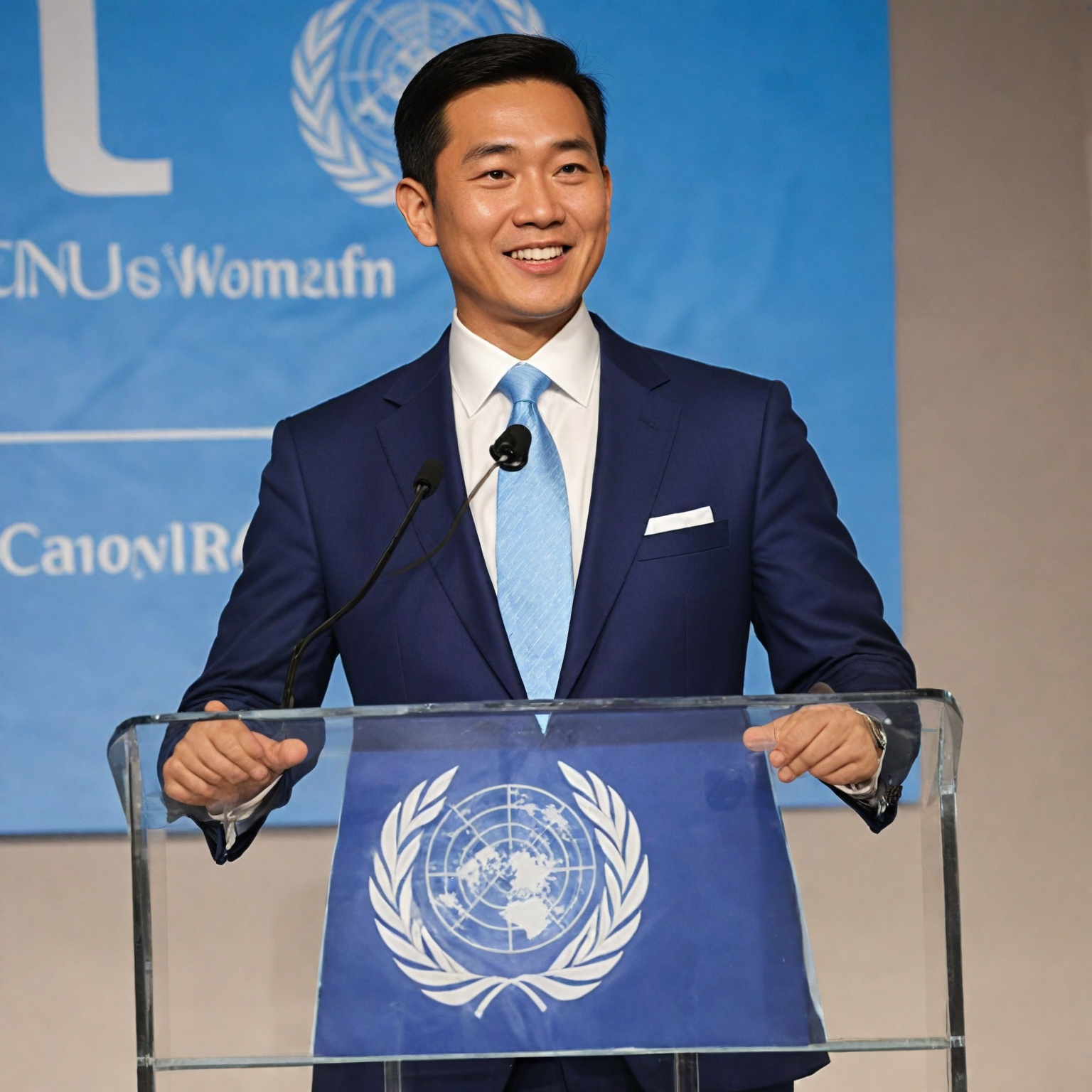
Raymund Chao, Chairman of PwC Asia-Pacific and China, received the UN Women’s WEPs Awards in the Leadership Commitment category, highlighting his dedication to promoting gender equality in the corporate sector. This award reflects broader efforts within China to
Legacy and Continuing Influence
The legacy of breaking barriers for women in male-dominated industries is multifaceted, involving prolonged efforts that combine both practical experience and academic inquiry to foster significant structural changes. Studies examining women academics’ leadership perceptions in China highlight the complexity of overcoming regulatory and cultural power barriers, suggesting that sustained exploration and experimentation are essential for meaningful progress.
Building on earlier research into women’s leadership challenges, contemporary analyses provide nuanced insights into how social and cultural capital shape individual career trajectories, particularly in sectors traditionally dominated by men. For example, investigations into female leaders in Vietnam’s manufacturing and technology sectors illustrate how contextual factors influence their advancement, advancing the discourse beyond historical perspectives focused solely on barriers.
Additionally, initiatives like the Global Unicorn Program in Disruption of Traditional Industries, a collaboration between CKGSB and the University of Sydney, underscore the importance of international and interdisciplinary efforts. These programs emphasize unique national contributions, such as Australia’s, to innovation and leadership development in traditionally male-dominated fields, reflecting the ongoing influence and evolution of gender dynamics within industry leadership.
Together, these contributions demonstrate that the journey toward gender equity in leadership not only reshapes individual careers but also continues to inspire structural and cultural transformations across global industries.
The content is provided by Harper Eastwood, Home Upgrade News