Key Features for Consideration
As the 75-inch and 77-inch TV market evolves in 2026, consumers are faced with an array of advanced models from brands like LG, Samsung, TCL, and Hisense. The choice to upgrade hinges on several factors, including the desire for enhanced picture quality for diverse viewing experiences, from cinematic home theaters to competitive gaming. Understanding which technologies—such as OLED, Mini LED, or RGB LED—deliver the best performance can significantly influence satisfaction.
Display and Picture Quality Advancements
The advancements in display technologies are paramount when selecting a new TV. OLED technology, particularly in LG’s newer models, delivers perfect blacks and incredible contrast, perfect for viewing in varied lighting conditions. In contrast, Mini LED and Super Quantum Dot (SQD) technologies push peak brightness limits, with models achieving upwards of 10,000 nits, making them ideal for bright rooms and HDR content. Familiarizing oneself with these technologies helps clarify which model will meet specific viewing conditions and preferences.
Gaming and Refresh Rate Features
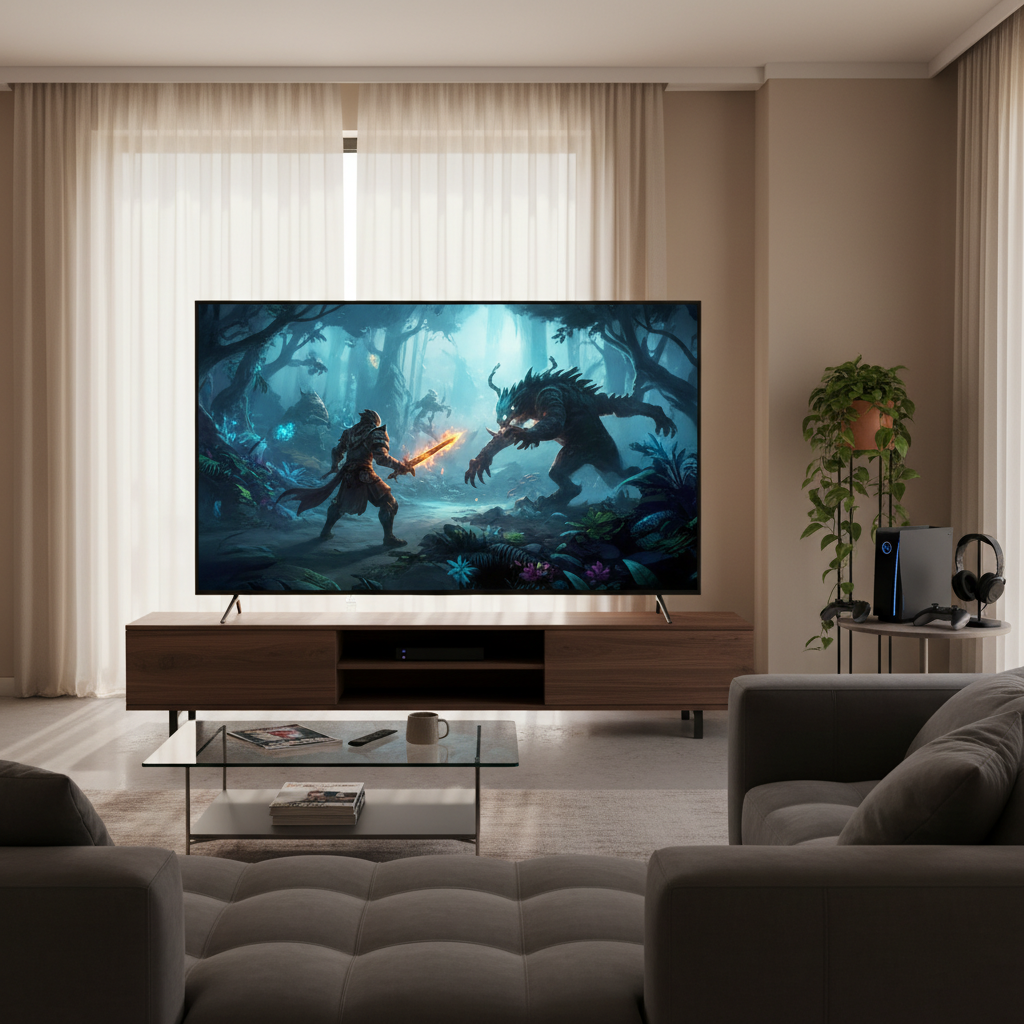
For gamers, the refresh rate is crucial in providing a smooth and responsive gameplay experience. Many 2026 models offer refresh rates of 120Hz and higher, essential for modern gaming consoles to fully leverage their capabilities. Features like HDMI 2.1 support for 4K at 120Hz, Variable Refresh Rate (VRR), and Auto Low Latency Mode (ALLM) can drastically improve gameplay. Understanding these specifications aids in choosing a TV that will enhance your gaming setup.
Smart Features and User Interface
The smart TV platform is a key factor that can influence user satisfaction across all price segments. Platforms like LG’s webOS, Roku OS, and Samsung’s Tizen OS vary in user experience and app availability. Ensure the TV you choose has a user interface that aligns with your preferences for streaming and connectivity, as this can greatly impact the usability of the television in your home environment.
Connectivity for Multiple Devices
Connectivity options, including the number of HDMI ports and specifications, are essential for maximizing the functionality of your new TV. With gaming and entertainment needs constantly evolving, models supporting HDMI 2.1 will allow for future-proofing against upcoming devices and features. Check that the number of ports meets your setup requirements, especially if you plan to connect multiple consoles or streaming devices.
Popular Models to Explore
The 2026 lineup includes standout models like LG’s G6 OLED, known for its remarkable brightness and HDR capabilities, and TCL’s QM8K, which combines QLED and Mini LED technologies for outstanding picture quality. Understanding the strengths and limitations of each model can make a significant difference when deciding which one best suits your preferences, whether for gaming or general viewing.
Evaluating Real-World Performance
Customer feedback reveals varying levels of satisfaction based on picture quality, gaming performance, and off-angle viewing capabilities. Factors like HDR performance and refresh rate capabilities can greatly affect user experience. It is worthwhile to look beyond just size and price, as the overall quality can differ significantly between models, influencing enjoyment and usability.
Future Trends to Watch
The market’s direction is leaning towards innovations in connectivity, display technologies, and gaming features. Higher refresh rates and more advanced HDR formats are becoming standard, providing immersive viewing experiences. Staying informed about trends and technological advancements that impact performance will assist consumers in making a choice that remains relevant for years to come.
The content is provided by Sierra Knightley, Home Upgrade News