
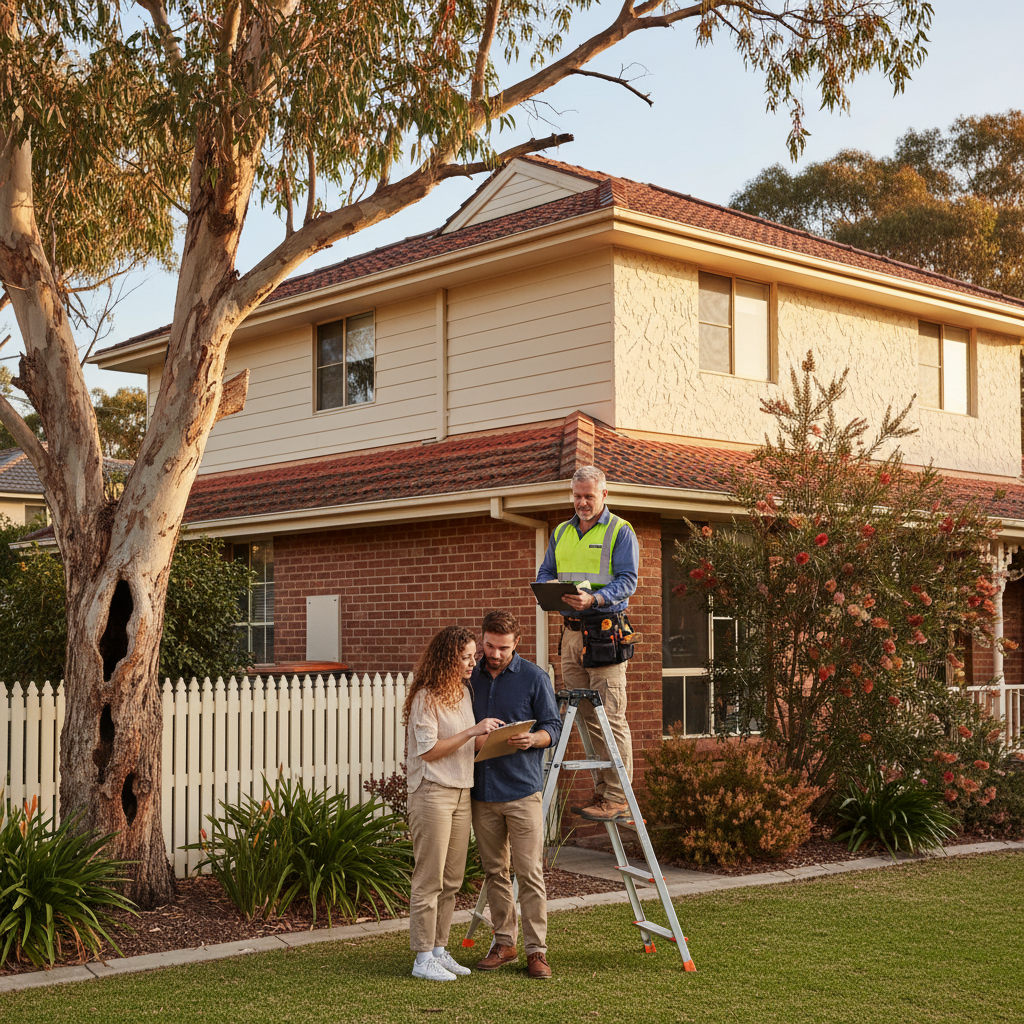
Overview of Property Inspections in Australia
Property inspections are essential in Australia’s real estate market for uncovering hidden defects and ensuring compliance with safety standards. Understanding the various types of inspections—such as pre-purchase, pest, and routine assessments—allows buyers and sellers to recognize potential issues that could affect investment value and safety. Thorough inspections are particularly pressing due to unique challenges, such as widespread termite damage, which emphasizes the necessity of proactive assessments.
Types of Property Inspections
Different types of property inspections address specific concerns affecting the buying and selling process. Pest inspections focus on detecting termite infestations, which pose a significant risk to property integrity. Pre-purchase inspections assess the overall condition of a property, identifying major and minor defects that could result in costly repairs. Sellers often choose pre-sale inspections to address issues proactively before listing, enhancing their negotiating power. Routine inspections allow landlords to maintain properties while respecting tenant privacy, ensuring both safety and comfort.
Legal Considerations in Property Inspections
Property inspections must adhere to stringent legal requirements, which vary by state and territory. Mandatory inspections are often required for new builds, ensuring compliance with critical construction regulations. Buyers are encouraged to include clauses in contracts permitting independent inspections, fostering transparency during transactions. Additionally, tenancy laws regulate rental inspections to protect tenant rights while allowing landlords to maintain properties, balancing both parties’ needs effectively.
Selecting a Qualified Property Inspector
Choosing a qualified property inspector is crucial for buyers. Since Australia lacks a mandatory licensing framework for inspectors, verifying qualifications and specializations is essential. Inspectors should provide clear, detailed reports that identify defects and safety hazards. Checking references and previous customer reviews helps ensure the inspector’s credibility and expertise. In some jurisdictions, inspectors must hold specific licenses, emphasizing the importance of thorough vetting before engagement.
Understanding Inspection Reports
Inspection reports summarize findings and rate the severity of defects detected during evaluations. Buyers should familiarize themselves with the report contents, which help clarify significant issues affecting property value and safety. Developing an understanding of these reports aids in effective negotiations and decision-making, while also allowing sellers to address potential concerns proactively.
Negotiating Based on Inspection Findings
Inspection findings play a pivotal role in property negotiations. Reports highlighting defects provide buyers with leverage to request repairs or price adjustments. Effective negotiation involves understanding the seller’s perspective while clearly articulating needs and potential concerns. Buyers may need to explore professional assistance in difficult negotiation scenarios, ensuring their interests are protected while maintaining a positive rapport with sellers.
Conducting Preliminary Walk-Through Inspections
A preliminary walk-through inspection can uncover visible issues before finalizing a purchase or lease. Utilizing checklists helps in systematically assessing property condition, while bringing along knowledgeable individuals can offer additional insights. Focus on common defects, such as water stains or structural concerns, to guide discussions with professionals. Documenting findings also plays a vital role in strengthening negotiation positions.
Real-Life Examples of Inspection Benefits
Numerous case studies illustrate the value of property inspections in facilitating informed decisions. Buyers equipped with detailed defect reports often secure better negotiations on price or repairs, underscoring the importance of clear documentation. Sellers who conduct pre-sale inspections can preemptively address potential issues, enhancing buyer confidence and expediting transactions. Engaging knowledgeable friends or family during walkthroughs can further identify concerns, ensuring that both major and minor defects are adequately managed.
The content is provided by Avery Redwood, Home Upgrade News