
Summary
Stay Safe: Learn How to Prevent Common Electrical Hazards in Your Home provides essential information on identifying, understanding, and mitigating electrical risks that are prevalent in residential settings. Electrical hazards such as faulty wiring, damaged cords, circuit breaker failures, and environmental factors like moisture or rodent damage pose significant threats including fires, electrocution, and shocks. While these dangers are relatively infrequent, awareness and preventive action are crucial to safeguarding homes and families.
This article outlines the most common electrical hazards found in homes, early warning signs indicating potential risks, and the regulatory framework designed to enforce electrical safety standards. Key safety devices such as Ground Fault Circuit Interrupters (GFCIs) and Arc Fault Circuit Interrupters (AFCIs) have been developed to reduce the incidence of electrical fires and shocks. Compliance with codes like the National Electrical Code (NEC), along with regular inspections and maintenance, forms the cornerstone of effective hazard prevention.
It also addresses widespread challenges and mistakes in residential electrical compliance, including improper use of extension cords, outdated wiring systems, and incorrect installations, which can exacerbate risks and lead to legal liabilities. The article highlights practical measures homeowners can implement—such as routine safety checks, proper appliance handling, and professional consultation—to minimize hazards and maintain a safe electrical environment.
Finally, the guide covers emergency response protocols for electrical accidents, emphasizing the importance of immediate and safe action, and points readers toward authoritative resources for further education and training in electrical safety. By integrating these preventive strategies and fostering informed safety habits, homeowners can significantly reduce the potential for electrical accidents in their living spaces.
Common Electrical Hazards in Homes
Homes can contain various electrical hazards that pose risks such as fires, electrocution, and electric shocks. Although these dangers are relatively rare, being aware of them and taking preventive measures is crucial to ensure safety.
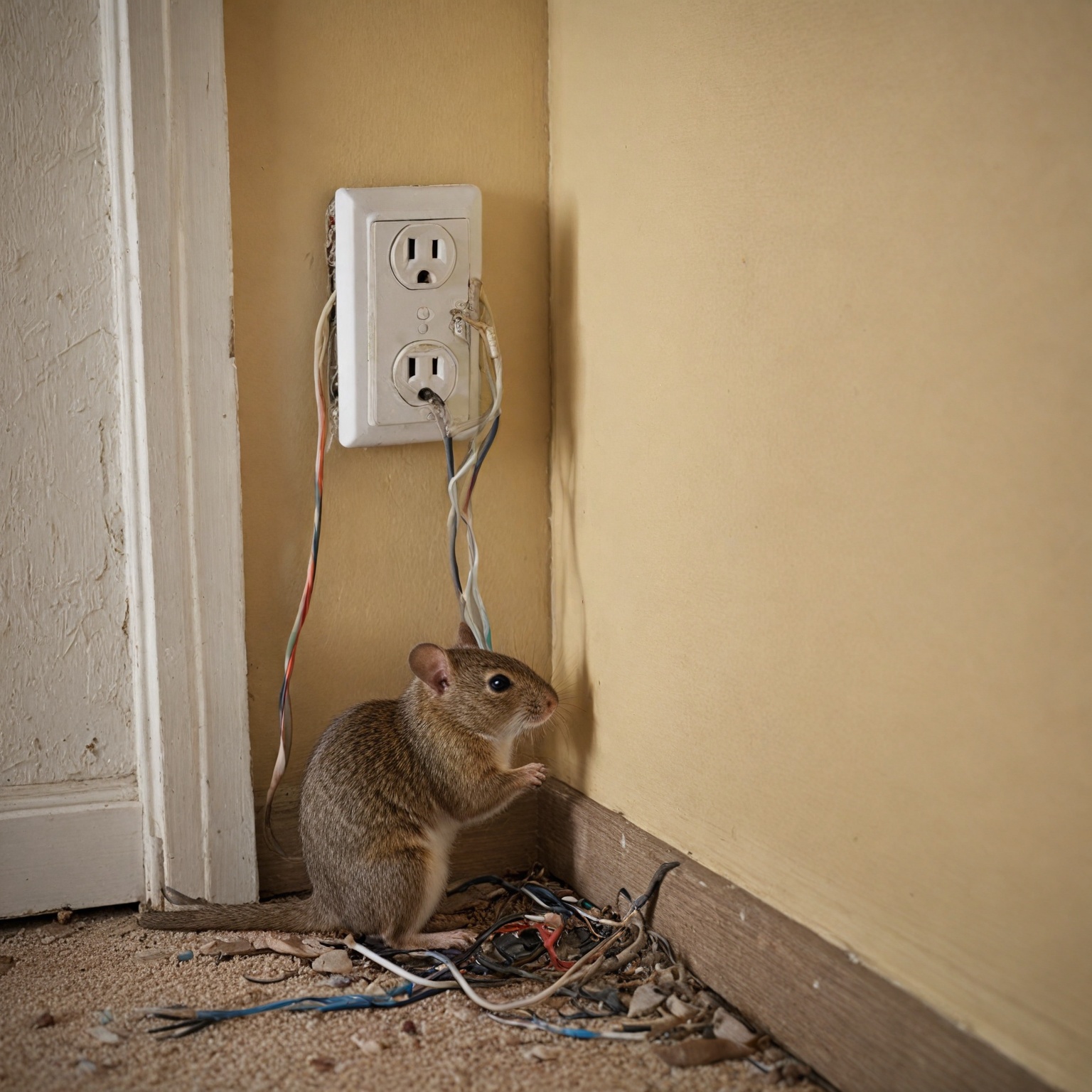
One of the most frequent hazards involves outdated or faulty wiring systems. Many older homes still have wiring types such as cloth-covered or knob-and-tube wiring, which were not designed to support the high electrical demands of modern households. Over time, wiring insulation can degrade, and exposed wires can develop, significantly increasing the risk of electrical fires and shocks. Signs of faulty wiring include frayed wires, discoloration around outlets, a burning or fishy smell, and visible damage due to rodents chewing on wires.
Damaged power cords also represent a significant hazard. Power and extension cords that are frayed, cracked, or improperly placed—such as being stapled, run under rugs, or trapped under furniture—can overheat, short circuit, or create tripping risks. It is essential to inspect cords regularly and replace or repair damaged ones promptly. Extension cords should be used only temporarily, as improper use, including daisy chaining or overloading, can lead to overheating and electrical fires.
Circuit breakers play a vital safety role by cutting off electricity during overloads. However, if a circuit breaker fails to trip when necessary, it loses its protective function, potentially allowing dangerous electrical conditions to persist. Additionally, loose connections, cracked insulation, and inadequate maintenance of electrical appliances and systems further elevate the risk of electrical malfunctions and fires.
Other hazards stem from environmental factors, such as moisture and rodent activity. Electrical equipment should be kept dry and away from water sources like sinks, aquariums, and bathtubs to prevent electrocution and damage. Rodents can chew through wiring insulation, exposing bare wires that may spark or overheat, making early detection and mitigation important for safety.
Early Warning Signs of Electrical Hazards
Electrical systems in homes are designed to operate quietly and efficiently. However, certain unusual signs can indicate underlying electrical hazards that require immediate attention. Recognizing these early warning signs is crucial to preventing serious incidents such as electrical fires or shocks.
One common indicator is unusual noises emanating from outlets, switches, or electrical panels. Buzzing, sizzling, or humming sounds often point to loose connections or faulty wiring, which can escalate into fire hazards if left unaddressed. Similarly, flickering or dimming lights may signal loose connections or overloaded circuits. If flickering is isolated to a single fixture, the problem is usually localized; however, if it affects multiple lights or rooms, it may suggest a more significant issue within the electrical circuit or breaker box.
Another critical warning sign is the smell of burning or scorching odors inside the home, especially when no appliances are in use. Such odors are a strong indication of electrical faults, such as overheated wiring or failing components, and should prompt immediate consultation with a professional electrician.
Tripping circuit breakers are a built-in safety response to electrical faults. Frequent or unexplained tripping can indicate circuit overloads, short circuits, or insulation breakdowns. Overloading occurs when a circuit draws more current than it can handle, potentially causing overheating and fires. Insulation deterioration may prevent circuit breakers from tripping as intended, increasing risk.
Other signs include visible damage such as frayed power cords, loose outlets, or broken prongs, which can cause current to arc and produce buzzing sounds. Damaged cords are also fire and electrocution hazards and should be inspected regularly and replaced when necessary.
By staying vigilant to these signs—noises, flickering lights, burning smells, frequent breaker trips, and visible damage—homeowners can detect potential electrical hazards early and take timely action to ensure safety. In all cases of uncertainty, consulting a qualified electrician is strongly advised to prevent dangerous outcomes.
Electrical Safety Standards and Regulations
Electrical safety standards and regulations play a critical role in minimizing electrical hazards in residential settings by establishing minimum requirements for the safe installation and maintenance of electrical systems. In the United States, the primary standard governing residential electrical safety is the National Electrical Code (NEC), also known as NFPA 70, published by the National Fire Protection Agency (NFPA) and updated every three years to reflect technological advances and evolving safety practices.
The NEC provides comprehensive guidelines on various aspects of electrical installations, including outlets, wiring, grounding, and protective devices such as Ground Fault Circuit Interrupters (GFCIs) and Arc Fault Circuit Interrupters (AFCIs). These standards help ensure that electrical systems in homes are designed to prevent fires, electrocutions, and other hazards. Local jurisdictions often adopt the NEC as part of their building codes, making compliance legally mandatory; where adopted, failure to meet these standards can result in violations and penalties.
To maintain alignment with the NEC, electricians, engineers, and inspectors engage in continuous education through workshops, training programs, and online platforms. This ongoing learning ensures they remain current with revisions such as enhanced GFCI protection requirements, updates to grounding and bonding practices, and the introduction of surge protection device mandates for residential feeders. These measures contribute to reducing risks posed by overloading, insulation breakdown, and other common electrical faults.
In addition to the NEC, adherence to proper electrical safety practices and regular maintenance is essential to prevent hazards such as circuit breaker failure, damaged appliances, and misuse of extension cords. Building codes and safety regulations also emphasize the importance of professional inspection of older wiring systems to identify and remedy potential risks before they result in fires or electrocutions.
Ultimately, the enforcement of electrical safety standards, combined with public awareness and professional training, forms the foundation for protecting residents and property from electrical dangers within the home environment.
Common Challenges and Mistakes in Electrical Compliance
Ensuring electrical safety in residential settings involves adhering to various codes and regulations, yet several common challenges and mistakes persist that compromise compliance and safety. One frequent issue is the misuse and overreliance on extension cords, which, despite their convenience, are prone to misuse and contribute to over 3,000 home fires annually. Overloading circuits by exceeding their amp rating is another prevalent problem, leading to overheating wires, flickering lights, warm or buzzing outlets, and frequent tripping of circuit breakers.
Faulty or outdated wiring presents additional risks, particularly in older homes where cloth-covered or vintage copper wiring may still be in use. While older wiring can function effectively if properly maintained, damage or non-compliance with current standards can lead to hazards such as electrical arcs or fires. Homeowners are encouraged to have professional assessments to determine the need for upgrades or repairs.
Improper installation practices also contribute significantly to compliance failures. For example, short wire splices within electrical boxes create potential fire hazards, prompting the National Electrical Code (NEC) to require a minimum of six inches of free conductor length at each box to facilitate safe connections. Additionally, ensuring that the cumulative volume of wires does not exceed the electrical box capacity is critical, and NEC periodically updates these box fill requirements to reflect best practices.
Non-compliance with specific code requirements, such as those outlined in the NEC and local codes, further complicates the electrical safety landscape. Examples include improper mounting of receptacle outlets—such as placing bathroom receptacles more than 12 inches below the basin contrary to NEC 210.52(D)—or installing overcurrent devices near easily ignitable materials, which is prohibited by NEC 240.24(D). Moreover, the lack of proper grounding and bonding as per revised Article 250, and failure to install surge protection devices (SPDs) where required, can undermine the reliability and safety of electrical systems.
Neglecting these codes and best practices not only jeopardizes safety but can also lead to legal liabilities. Municipal building codes, motivated by public safety concerns, have codified these standards, and failure to adhere to them may be considered negligence. Since the NEC is updated every three years, staying informed about the current code cycle relevant to one’s jurisdiction and consulting licensed electricians for new installations or repairs is essential for maintaining compliance and safety.
Electrical Faults and Their Risks
Electrical faults are a significant cause of hazards in residential settings, often transforming a safe environment into a potential danger zone. These faults can originate from various issues such as short circuits, open circuits, insulation resistance failures, and other malfunctions in the electrical system. If left unaddressed, they may escalate, posing serious safety risks including electrical fires.
Common electrical faults include overloading, insulation breakdown, and circuit breaker failures. Overloading occurs when a circuit draws more power than it is designed to handle, which can lead to overheating and potentially cause fires. Insulation breakdown happens when the protective layer around wiring deteriorates or becomes damaged, preventing circuit breakers from tripping as intended. Similarly, if a circuit breaker fails to trip during an overload, it loses its protective function and increases the risk of electrical hazards.
Other contributing factors include damaged electrical appliances with loose connections or frayed wires, improper use of extension cords such as daisy chaining or overloading, and inadequate maintenance of electrical systems. Ignoring warning signs or bypassing safety procedures can further exacerbate these risks over time. Additionally, physical damage caused by pests like rats and mice chewing through wiring can expose bare wires, resulting in sparks or overheating that threaten home safety.
Certain specialized faults, such as arc faults, arise from damaged or overheated wiring and pose unique dangers. Arc-fault circuit interrupters (AFCIs) have been introduced to detect hazardous arcing conditions and cut power immediately, thereby preventing fires before they start. AFCIs were first incorporated into the National Electrical Code (NEC) in 1999 and have since become an important component of home electrical safety.
Furthermore, outdated wiring materials such as knob-and-tube or aluminum wiring can degrade over time, becoming significant fire hazards. Homes with older electrical systems should be professionally assessed and upgraded to meet current safety standards to reduce risks associated with deteriorated wiring and overloading.
Signs of electrical faults may manifest as buzzing sounds from loose or damaged outlets, flickering lights, warm receptacles, or frequent tripping of breakers. These indicators should prompt immediate professional inspection to prevent escalation into more severe electrical hazards.
Electrical Safety Testing and Inspection Methods
Electrical safety testing and inspection play a critical role in preventing electrical hazards by ensuring that electrical equipment and installations remain safe and functional. These procedures involve assessing the condition of electrical devices and systems to detect faults or deterioration before they lead to hazardous situations.
During an electrical inspection, various tests are conducted to check parameters such as voltage, amperage, continuity, and the presence of short or open circuits. Electricians utilize specialized tools known as electrical testers, which may be single-function or multifunction devices, to perform these assessments. Common testing equipment includes multimeters, which measure electrical quantities and help identify wiring inconsistencies or equipment malfunctions. GFCI (Ground Fault Circuit Interrupter) receptacle outlet testers are also frequently used, especially in commercial and industrial settings, to verify the proper functioning of protective devices and to determine if any wiring repairs are necessary.
Regular self-inspections using digital electrical safety checklists can further enhance safety by helping individuals identify potential hazards and implement preventive measures. These checks often include verifying that equipment is properly maintained, connections are secure, and protective devices like GFCIs are installed and functioning correctly. Advanced protective technologies such as surge protection devices and over-voltage or under-voltage breakers provide additional layers of defense against electrical mishaps.
Compliance with regulations, such as regulation 4(2) of the Electricity at Work Regulations 1989, mandates the in-service inspection and testing of electrical equipment to prevent danger from neglect or failure. This legal framework underscores the importance of routine maintenance and inspection to avoid hazardous conditions.
Practical Preventive Measures for Homeowners
Homeowners can take several practical steps to prevent common electrical hazards and ensure the safety of their household. Regular inspection and maintenance of electrical appliances and their cords are essential for identifying potential issues before they escalate. It is important to check that cables are in good condition and to keep appliances clean, following the manufacturer’s care instructions to maintain their optimal performance and safety. Avoiding damage to cords by unplugging devices by the plug rather than pulling on the cord helps prevent exposure of live wires.
Installing safety devices such as Ground Fault Circuit Interrupters (GFCIs) and Arc-Fault Circuit Interrupters (AFCIs) greatly reduces the risk of electrical shocks, fires, and other hazards. GFCIs detect small leakage currents and interrupt power quickly to prevent injury or damage, and can protect multiple downstream outlets from a single device. Updated electrical codes have expanded the requirements for GFCI protection in residential settings, enhancing overall safety. Additionally, AFCIs help detect dangerous arc faults that could lead to fires.
Electrical outlets and cords should be kept in proper working order, avoiding overloading to prevent overheating and fire risks. Outlets should be cool to the touch, have protective faceplates, and never be overloaded with multiple high-powered devices. Cords should be stored safely, out of reach of children and pets, and never tightly wrapped around objects, as this can cause internal damage or overheating. Water and moisture should be kept at least five feet away from all electrical equipment to reduce the risk of shocks and short circuits.
Homeowners should avoid attempting to retrieve plugged-in appliances that have fallen into water and should never connect generators to home circuits without approved automatic-interrupt devices, as improper connection can endanger both property and utility workers. Conducting regular electrical inspections, either personally or with a licensed electrician who uses advanced diagnostic tools, helps detect faults early and ensures compliance with safety standards. In cases of doubt or signs of potential electrical fire hazards, such as unusual smells, flickering lights, or warm outlets, consulting a professional
Everyday Electrical Safety Habits
Maintaining everyday electrical safety habits is essential to prevent injuries and hazards both at home and in the workplace. Regularly inspecting and properly handling electrical appliances, cords, outlets, and switches can significantly reduce the risk of fire, electrocution, and other electrical accidents.
One of the fundamental habits is to routinely check the condition of electrical cords and devices. Look for signs of damage such as frayed wires, cracks, discoloration, or unusual odors near outlets and fixtures. Damaged cords should be repaired or replaced immediately, and extension cords should only be used temporarily to avoid overloading circuits. When storing cords, avoid wrapping them tightly around objects to prevent internal damage and keep them out of reach of children and pets who might chew on them.
Outlets and switches require regular inspection as well. Check for abnormal warmth, buzzing sounds, flickering lights, or plugs that do not fit snugly, which may indicate loose wiring or faulty components. Using a voltage tester can help detect issues such as loose wires that might lead to shorts or fire hazards. If an outlet feels loose or shows signs of wear, it is important to have it repaired by a qualified electrician to ensure safety.
Avoid overloading electrical outlets by not plugging in too many devices at once. Installing additional outlets by a licensed electrician can reduce reliance on extension cords and power strips, which are common causes of electrical fires when misused. When selecting power cords, consider their American Wire Gauge (AWG) rating to ensure they can handle the intended electrical load safely—thicker cords with lower AWG numbers are suitable for higher wattages.
Proper cleaning and maintenance of electrical appliances also contribute to safety. Follow manufacturer guidelines to keep devices free from dust and debris, which can cause overheating or malfunction. Lastly, if any electrical issues are suspected, such as faulty wiring or unusual smells, discontinue use of the affected equipment and promptly contact a licensed electrician to diagnose and resolve the problem.
By adopting these everyday electrical safety habits, individuals can create a safer environment and reduce the risk of electrical hazards in their homes and workplaces.
Emergency Response to Electrical Accidents
In the event of an electrical accident, immediate and appropriate action is crucial to prevent further injury or damage. If someone is experiencing an electrical shock, do not touch the person directly if they are still in contact with the electrical source, as this may cause you to become shocked as well. Instead, turn off the power supply at the main breaker or unplug the device if it is safe to do so. If the power cannot be quickly disconnected, use a non-conductive object such as a wooden broom handle to separate the victim from the electrical source.
Once the victim is free from the electrical current, check for responsiveness and breathing. If the person is unresponsive and not breathing, begin cardiopulmonary resuscitation (CPR) immediately and call emergency medical services. Electrical shock can cause cardiac arrest and other life-threatening conditions, so timely medical intervention is essential.
If there are signs of burns or other injuries, avoid applying creams or ointments and cover the area with a sterile cloth to reduce the risk of infection. Regardless of the severity, all electrical accidents should be evaluated by healthcare professionals due to the potential for hidden internal injuries such as nerve damage or cardiac complications.
In cases where electrical hazards are suspected—such as flickering lights, warm or sparking outlets, or frequent breaker trips—it is important to call a licensed electrician immediately rather than attempting DIY repairs. Prompt professional intervention can help prevent accidents and ensure electrical systems are safe and compliant with regulations. Additionally, if you detect unusual burning smells without an obvious source, this may indicate a serious wiring problem that requires immediate expert attention to prevent fire hazards.
Always prioritize safety by avoiding direct contact with electrical sources during an emergency and seeking expert help as soon as possible to mitigate risks associated with electrical accidents.
Resources and Further Reading
For those seeking to deepen their understanding of electrical safety and the standards governing safe electrical installations, the National Electrical Code (NEC), also known as NFPA 70, serves as a fundamental resource. The NEC is a comprehensive document composed of an introduction, nine chapters, annexes A through J, and an index, detailing definitions, installation rules, circuit protection, wiring methods, and equipment standards. It is widely adopted by states and municipalities to standardize electrical safety enforcement, though local amendments may apply. The NEC is regularly inspected for compliance by the “authority having jurisdiction” and includes important guidance on hazardous locations and temporary power installations.
To stay updated with the latest electrical safety information and standards, the National Fire Protection Association (NFPA) offers newsletters featuring topical materials and free-to-share resources designed to promote community safety. The NFPA website is an excellent starting point for access to these materials and to learn about ongoing campaigns such as National Electrical Safety Month and Fire Prevention Week.
For practical applications of electrical safety in the home, organizations like Constellation provide checklists and tips that help identify and mitigate common residential electrical hazards. Their guidance emphasizes the prevention of fires caused by faulty wiring, damaged equipment, and improper use of electrical devices, reinforcing the importance of consulting professionals when hazards are detected.
Additionally, electrical safety training programs are vital for both workplace and personal safety. These programs equip individuals with the knowledge and skills necessary to recognize electrical dangers, conduct risk assessments, and implement hazard controls effectively. Competency in electrical safety not only reduces accident risk but also ensures compliance with relevant regulations.
By utilizing these resources, individuals and communities can better protect themselves from electrical hazards, maintain safer environments, and stay informed about evolving electrical safety practices and regulations.
The content is provided by Avery Redwood, Home Upgrade News