Summary
**Transforming a Dilapidated Home with Artistic Flair on a Budget of Dreams** explores the process of revitalizing neglected and deteriorating residential properties through creative, budget-conscious design and renovation strategies. This topic is notable for addressing the complex challenges posed by older homes—such as structural instability, hazardous materials, and financial constraints—while demonstrating how thoughtful planning, sustainable practices, and artistic vision can produce stylish, functional living spaces without excessive costs.
The transformation often involves blending modern design elements with the home’s historical character, using affordable materials like vinyl plank flooring, peel-and-stick wallpaper, and upcycled furniture to balance aesthetics with economy. Innovative construction techniques, including prefabrication and modular building, as well as eco-friendly approaches like repurposing salvaged materials, contribute to reducing both expenses and environmental impact. Moreover, careful budgeting with realistic contingencies and phased project planning are essential to managing unexpected issues common in dilapidated structures.
Beyond individual homes, such renovations have broader social and economic significance. Revitalizing dilapidated properties can enhance neighborhood safety, boost property values, and preserve cultural heritage, thus fostering community renewal and improving quality of life. The approach has received media attention and public acclaim for demonstrating that artistic, sustainable home transformations are achievable even on limited budgets, inspiring homeowners and urban revitalization efforts alike.
While challenges such as balancing historical preservation with modern updates and managing structural risks remain, the successful examples and strategies highlighted illustrate that resourcefulness, creativity, and strategic planning can overcome obstacles. This makes the dream of transforming a neglected house into a vibrant, inviting home accessible to a wide audience.
Background
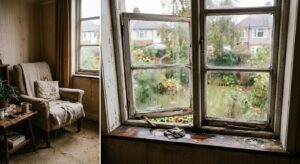
Renovating and transforming a dilapidated home presents unique challenges and opportunities, especially when working with limited financial resources. Many older properties contain hazardous materials that were once standard but are now recognized as dangerous if disturbed during renovation or demolition. Additionally, abandoned or neglected buildings can pose safety risks such as fire hazards and structural instability, which further complicate restoration efforts.
Despite these challenges, thoughtful and creative design approaches can revitalize such spaces without requiring extensive budgets. Affordable options like vinyl plank flooring, peel-and-stick wallpaper, and trendy yet inexpensive lighting fixtures allow homeowners to enhance the aesthetic appeal of their homes while maintaining financial prudence. Upcycling materials and furniture, such as repurposing old doors or transforming bottles into light fixtures, offers both eco-friendly and cost-effective solutions that infuse character and sustainability into the renovation.
Furthermore, blending modern design elements with the historical character of the home can create timeless and vibrant interiors. Techniques like using high-gloss paint on ceilings or crown molding and mixing contemporary and vintage lighting fixtures help balance the old and new, making spaces feel fresh yet respectful of their origins. Strategic planning, including realistic budgeting with allowances for unexpected expenses, is essential to successfully navigate the renovation process without overextending financially.
In some cases, large-scale transformations can involve adding new functional spaces above existing structures, such as office floors or exhibition areas, while employing modern architectural features like double-glazed façades to improve both form and function. Overall, addressing issues like water management, air leakage, and property maintenance standards ensures that renovated homes are safe, healthy, and contribute positively to their communities. Through a combination of innovation, respect for history, and budget-conscious strategies, the transformation of dilapidated homes into stylish and practical havens is entirely achievable.
Planning and Design
When embarking on the transformation of a dilapidated home, having a clear vision, a flexible timeline, and a realistic budget is essential to successfully bring artistic flair to life while staying within financial limits. Prioritizing projects into immediate needs, key focuses, and nice-to-haves helps in managing resources effectively and adjusting plans as the housing market or personal circumstances evolve.
Incorporating both vintage elements and modern updates allows the home to reflect its historical character while embracing contemporary comforts. Strategic use of color, such as bright greens, blues, and corals, alongside modern paint finishes like high-gloss on ceilings or crown molding, can instantly refresh and contemporize the space. Blending updated and older lighting fixtures creates a timeless ambiance that honors the home’s past while adding a current aesthetic.
Seeking design inspiration need not be costly. Budget-friendly options include consulting local interior designers who offer affordable services or utilizing online platforms connecting homeowners with professionals at lower costs than traditional design commissions. For smaller remodels, extensive architectural services may not be necessary; careful research on average project costs with a contingency for unexpected expenses can aid in realistic budget planning.
Creative upcycling is a cornerstone of artistic design on a budget. Repurposing old furniture with paint or artistic knobs, transforming non-functional objects into lighting, or turning reclaimed materials into unique furniture pieces fosters sustainability while adding personality and style. Even simple interventions, like applying removable peel-and-stick wallpaper or creating feature walls, can dramatically alter a room’s atmosphere without permanent commitment or high costs.
By thoughtfully blending practical planning, sustainable creativity, and strategic design choices, homeowners can successfully transform neglected spaces into vibrant, stylish havens that tell a story and honor both past and present.
Renovation Process
Renovating a dilapidated home on a limited budget requires a strategic blend of creativity, careful planning, and innovative techniques. The process often begins with extensive research to understand current market prices and renovation trends, helping homeowners create a realistic budget that includes a contingency of around 20% for unforeseen expenses. Prioritizing cost-effective and sustainable methods is essential, as is deciding whether to engage professional architectural services, which may not always be necessary for smaller projects.
One of the key innovations transforming the renovation scene is the adoption of prefabricated and modular construction techniques. These methods involve manufacturing parts of the home, such as walls and roofs, off-site in factories, which are then assembled on location. This approach significantly reduces construction time and costs while allowing for greater precision. Incorporating recycled and salvaged materials is another popular strategy, not only for budget-conscious remodelers but also for those aiming to minimize environmental impact through upcycling. Habitat for Humanity’s ReStores, for example, provide affordable salvaged materials that help reduce landfill waste and carbon emissions.
Dealing with the inherent challenges of older homes is a critical aspect of the renovation process. Moisture problems, hidden leaks, and potential mold growth are common issues, especially in basements or humid climates. These conditions must be thoroughly inspected and addressed early on to prevent long-term damage and health risks. Additionally, air leakage and water management require careful attention, particularly in homes lacking modern vapor barriers or insulation.
Interior design choices during renovation focus on maximizing space and functionality while maintaining style. Utilizing smaller, appropriately scaled furniture, light colors, and clever storage solutions can make compact rooms feel larger and more inviting. Creative updates such as painting or staining old furniture, adding artistic knobs, or applying high-gloss paint to ceilings and crown molding can modernize the interior without significant expense. Adding unique touches like upcycled lighting fixtures made from repurposed objects or designing artistic furniture from reclaimed wood further enhances the home’s character and sustainability.
Simple, budget-friendly renovations—such as installing pull-out organizers in existing cabinets, adding narrow wall shelves, or transforming staircases with bold paint and protective finishes—offer practical improvements without breaking the bank. Lighting updates, often through DIY electrical work, can dramatically change the ambiance and perception of space, making rooms feel more contemporary and stylish.
Challenges and Solutions
Transforming a dilapidated home presents numerous challenges, including structural deterioration, budget constraints, and the difficulty of maintaining the original character while updating the space for modern living. Municipal officials frequently highlight abandoned and dilapidated buildings as obstacles to enhancing quality of life and fostering economic growth in communities of all sizes. Homeowners face the daunting task of addressing these issues without overextending financially, requiring careful planning and realistic budgeting to accommodate both anticipated and unexpected costs.
One of the key challenges is prioritizing renovation projects. Establishing a clear vision helps homeowners categorize tasks into urgent repairs, essential improvements, and desirable but non-essential updates, allowing for a phased approach that aligns with available resources and market conditions. This staged process is particularly important in balancing immediate needs against longer-term goals.
To overcome financial limitations, creativity and resourcefulness are crucial. Employing DIY techniques for superficial and cosmetic changes can significantly reduce expenses, as many effective renovations involve enhancing aesthetics rather than making structural alterations. Utilizing upcycled materials and repurposing items such as worn shutters, pallets, or old containers into artistic furniture and lighting not only cuts costs but also adds unique, sustainable character to the home. These methods demonstrate that stylish, practical transformations are achievable even in limited spaces and with modest budgets.
Hiring professional help remains necessary for certain complex jobs, but engaging local designers who offer affordable services or consulting online platforms can provide expert guidance without the high costs of traditional interior design. Strategic choices in materials—such as vinyl plank flooring, peel-and-stick wallpaper, and budget-friendly light fixtures—allow for tasteful upgrades that maintain a sense of homeyness through the use of textures, colors, and personal touches.
Finally, preserving the historical and architectural essence of a dilapidated structure can be both a challenge and a rewarding solution. Innovative renovations that respect original designs while revitalizing the space contribute to the broader community by preserving cultural heritage and promoting neighborhood renewal. Through thoughtful design, budgeting, and a combination of DIY efforts and professional support, transforming a neglected home into a dream space with artistic flair becomes an attainable goal.
Results and Impact
The transformation of a dilapidated home into a vibrant, artistic space on a modest budget demonstrated significant improvements in both aesthetics and functionality. By focusing on budget-friendly updates such as adding area rugs, throw pillows, and curtains, the living space was made cozier and more inviting without incurring high costs. Strategic rearrangement of existing furniture and the incorporation of second-hand or refurbished items further enhanced the uniqueness of the home while maintaining affordability.
This approach aligns with findings from housing industry research, which emphasize the value of simple, low-cost improvements that can dramatically elevate the style and utility of a space. Moreover, the use of durable and sustainable materials ensured that these enhancements would be long-lasting, avoiding common pitfalls associated with cheaper, lower-quality options.
On a broader scale, addressing the maintenance and restoration of dilapidated structures plays a crucial role in community revitalization. Neglected buildings often create unsanitary and unsafe conditions, diminish neighborhood aesthetics, and negatively affect property values. The successful renovation of this home exemplifies how creative, resourceful renovations can not only rejuvenate individual properties but also contribute positively to the surrounding community’s economic and social fabric.
Additionally, integrating advanced planning tools such as Building Information Modeling (BIM) helped streamline the renovation process by providing a detailed 3D visualization of the home’s infrastructure, which minimized unexpected issues and enhanced project efficiency. Overall, this project serves as an inspiring example of how artistic vision combined with practical, budget-conscious decisions can yield a space that is both beautiful and functional, fostering a renewed sense of pride and livability in formerly neglected properties.
Case Studies and Inspiring Examples
Transforming dilapidated homes into stylish, functional spaces often requires creativity, resourcefulness, and budget-conscious strategies. One common example of neglected properties is the abandoned row house, which typically embodies the classic image of an abandoned building and poses unique renovation challenges. Such structures provide ample opportunities for artistic renovation that blends preservation with modern design.
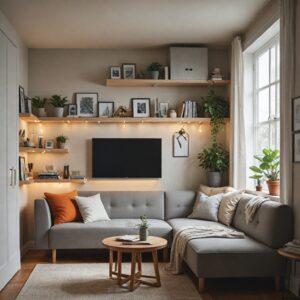
Clever small home ideas from professional designers demonstrate how to maximize limited space and style effectively. Techniques such as incorporating Murphy beds and strategic lighting can significantly enhance functionality without extensive remodeling. These methods serve as practical inspirations for those working within tight spatial or financial constraints.
Upcycling is another vital approach to transforming homes sustainably while managing costs. This process involves repurposing existing materials and objects into new decor or functional pieces, reducing waste and minimizing environmental impact. Upcycling projects range from refreshing home decor to creative wardrobe updates, emphasizing sustainability and creativity. By turning discarded materials into treasures, homeowners not only save money but also contribute to lowering pollution and greenhouse gas emissions compared to purchasing new items.
Additionally, DIY home renovations conducted on a budget emphasize the importance of thorough planning. Experts recommend anticipating all potential costs and setting realistic budgets that include a contingency of around 20% to account for unexpected expenses. This careful financial approach helps avoid overextending resources and ensures project completion without compromise.
Together, these case studies and ideas highlight how artistic flair combined with strategic budgeting and sustainability can breathe new life into neglected homes, making transformation accessible to a wide audience eager to enhance their living environments responsibly and stylishly.
Media Coverage and Public Reception
The project of transforming a dilapidated home with artistic flair on a budget has garnered notable attention for its creative approach to home improvement. Media coverage has highlighted the use of simple, budget-friendly updates that significantly enhance both the style and function of often-overlooked spaces, inspiring homeowners to pursue affordable mini-makeovers. The DIY aspects, such as installing shiplap panels or hanging globe cafe lights to create inviting outdoor areas, have been particularly praised for their ability to extend living spaces without major expenses.
Public reception has also recognized the broader implications of such home transformations in improving community aesthetics and property values. Municipal officials have pointed out that addressing dilapidated structures through maintenance and creative redesign is vital to promoting quality of life and stimulating economic growth in towns and cities. Enthusiasts of the project appreciate the prioritization strategy that balances immediate fixes with longer-term design goals, reflecting a realistic and inspiring vision for home revitalization on a constrained budget.
Lessons Learned and Tips for Similar Projects
When undertaking a home transformation on a tight budget, thorough planning and realistic budgeting are essential. Begin by researching the average costs of comparable projects in your area and include a contingency of around 20% to cover unexpected expenses. Setting a budget based on clear goals and financial capacity helps avoid overspending and project delays.
Material selection plays a critical role in the success and longevity of a renovation. Opt for materials that balance affordability, durability, and sustainability. Poor choices can lead to complications during the renovation process or premature wear, undermining both aesthetics and functionality. Additionally, DIY approaches not only reduce costs but often increase the sustainability of the project, providing a satisfying and eco-friendly alternative to hiring professionals.
Focusing on cosmetic rather than structural changes can keep projects manageable and budget-friendly. Simple updates such as painting—especially creative treatments like patterned or themed stairs—can make a significant visual impact without extensive labor or expense. Using protective finishes like polyurethane ensures durability and can allow for seasonal updates to maintain a fresh appearance over time.
Prioritizing which areas of the home to renovate can further optimize limited resources. If some rooms remain in good condition, consider postponing their makeover to focus on spaces with the greatest need or impact. Taking advantage of deep cleaning and decluttering before starting physical changes can also refresh the home’s feel and provide a better foundation for improvements.
Finally, maximizing space and style through clever design tricks, such as multifunctional furniture and strategic lighting, can elevate the home’s appeal without costly renovations. Overall, a combination of strategic planning, smart material choices, creative DIY solutions, and phased renovations can successfully transform a dilapidated home into an artistic and inviting space on a budget of dreams.
The content is provided by Sierra Knightley, Home Upgrade News