Summary
Skylights have become an essential architectural feature in modern homes, offering natural daylight, improved ventilation, and enhanced energy efficiency. These roof-integrated windows, available in various designs and technologies, address the increasing demand for sustainable building solutions and elevated indoor comfort by connecting interior spaces with the outdoors. Among the leading innovations in this field are Illume skylights, known for their adaptive light technology and ease of installation, and Velux skylights, a well-established brand recognized for durable, versatile products with advanced ventilation and smart home integration.
Illume skylights distinguish themselves through a unique system that automatically adjusts indoor lighting to reflect external weather conditions, making natural light accessible even in rooms without direct roof access such as basements. Their thin, non-invasive design allows for straightforward DIY installation without roof penetration, significantly reducing risks associated with leaks and structural modifications. Conversely, Velux skylights, with over 85 years of market presence, offer a broad range of traditional and motorized skylight windows featuring impact-resistant glazing, solar-powered ventilation, and smart control systems designed to optimize both lighting and air quality in diverse home environments.
Both Illume and Velux skylights contribute substantially to sustainable building practices by reducing reliance on artificial lighting and HVAC systems, thereby lowering energy consumption and supporting environmental goals. While challenges such as installation complexity and managing heat gain or loss exist, continuous advancements in materials, automation, and shading technologies have mitigated these issues, making skylights a practical and attractive choice for homeowners aiming to enhance aesthetics, comfort, and energy performance.
The growing consumer preference for energy-efficient, technologically advanced skylights has driven ongoing innovation in the sector, with future developments focusing on increased automation, environmental sustainability, and user convenience. As such, Illume and Velux skylights exemplify the evolving role of daylighting solutions in modern home design, balancing tradition and innovation to meet contemporary architectural and ecological demands.
Overview of Skylights
A skylight, also known as a rooflight, is a window or light-permitting structure that forms part of a building’s roof, typically constructed from transparent or translucent glass. Its primary purpose is to introduce natural daylight and provide ventilation to interior spaces. The use of skylights dates back to Ancient Roman architecture, where open skylights such as the oculus in the Pantheon allowed sunlight to penetrate into large interior spaces. Over time, advancements in glass manufacturing during the Industrial Revolution enabled the widespread adoption of glazed, or ‘closed,’ skylights, which offered better protection while still admitting light.
Skylights come in various forms, including roof windows, unit skylights, tubular daylighting devices (TDDs), sloped glazing, and custom-designed units tailored to architectural needs. Modern skylights have evolved beyond their traditional fixed glass designs, with innovations such as remote-controlled shades and solar-powered options enhancing their functionality and energy efficiency. This evolution caters to luxury homeowners and commercial developments alike, offering both aesthetic appeal and improved ambient lighting.
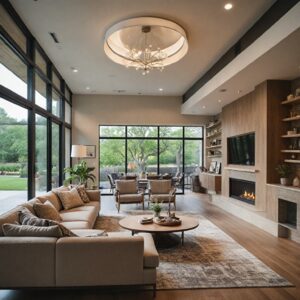
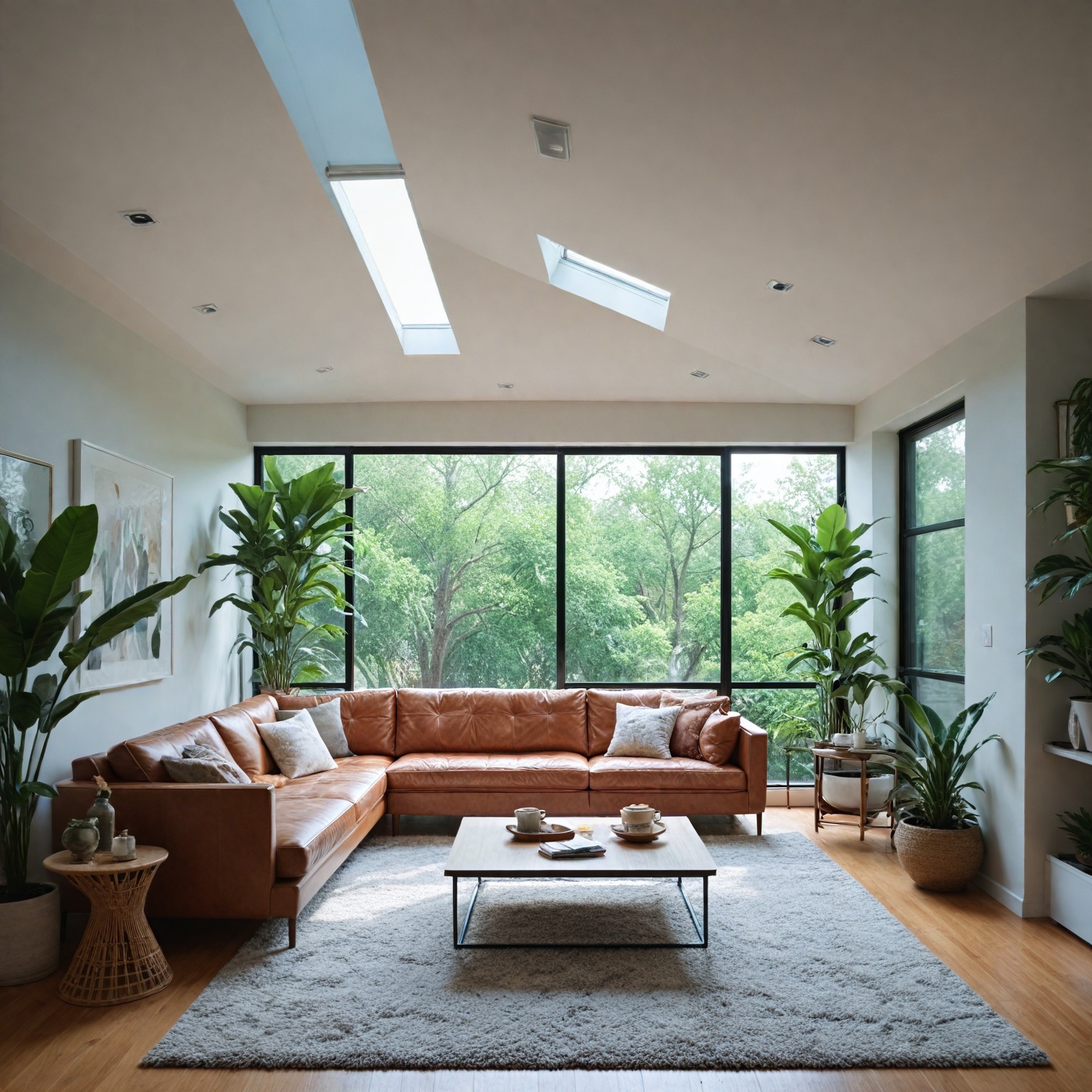
One of the significant advantages of contemporary skylights, like Illume skylights, is their ability to bring natural light into interior spaces without requiring direct roof access or major structural modifications. This makes them particularly appealing for renovation and extension projects, where opening up interiors to the external environment might otherwise be challenging. Skylights not only illuminate dark areas but also create a seamless connection between indoor and outdoor environments, a design principle embraced in many modern architectural projects aimed at enhancing home ambiance and efficiency.
Illume Skylights
Illume skylights are an innovative lighting solution designed to replicate and seamlessly blend external natural light conditions inside a home. One of their primary advantages is their ability to automatically adjust the light output to match outside weather conditions—whether it is sunny or cloudy—providing a consistent and natural lighting environment indoors, including spaces such as basements where traditional skylights are not feasible. This world-first technology ensures that Illume skylights work in all rooms regardless of floor level, creating an unparalleled connection between outdoor and indoor light.
Installation of Illume skylights is notably user-friendly, as the system is designed as a do-it-yourself (DIY) product that requires no specialist trade skills or roof modifications. Unlike traditional skylights, Illume skylights are extremely thin—only about 10 mm thick—which allows them to fit flush with standard gyprock ceilings without structural alterations. For apartments with concrete ceilings, a surface mount option is available, where the unit is neatly secured with a bracket, maintaining a clean and tidy appearance.
Another significant benefit of Illume skylights is that they preserve the integrity of the roof structure. Because no roof penetration is required, there is no risk of water pooling or leakage around the installation site, which addresses common problems associated with traditional skylights. This feature makes Illume a safer and more reliable alternative for homeowners concerned about potential water damage.
Given these advantages—automatic light adjustment, ease of installation, minimal structural impact, and suitability for various room types—Illume skylights provide a flexible and innovative lighting solution that meets the needs of modern homes striving for natural light without the drawbacks of conventional skylights.
Velux Skylights
Velux Skylights are a leading brand in the traditional skylight market, backed by over 85 years of experience in manufacturing high-quality skylight products. Originating from the Danish Velux Group, the brand is renowned for its versatile and durable roof windows, also commonly referred to as skylight windows. Velux offers a wide variety of skylight systems designed to fit diverse architectural needs and design challenges, making them suitable for virtually every space and style.
A notable feature of Velux skylights is their ability to provide natural ventilation. Many models can be opened manually by turning a handle or electrically with the touch of a button, including options with solar-powered mechanisms that charge their own batteries for efficient, self-sustaining operation. This capability not only improves indoor air quality but also enhances energy efficiency by reducing the need for artificial ventilation systems. Additionally, Velux integrates advanced controls such as remote control operation, rain sensors, and compatibility with smart home automation systems, enabling seamless management of up to 200 skylights simultaneously.
In terms of materials and energy performance, Velux skylights incorporate specialized glazing options such as impact glass, laminated and tempered glass for enhanced safety, and LoE3-366® glass with Neat® technology for superior insulation and low maintenance. These glass types improve resistance against extreme weather, maintain comfortable interior temperatures, and reduce annual energy consumption by up to 25% through effective daylighting. The company also rigorously monitors thermal performance metrics like U-value and Solar Heat Gain Coefficient (SHGC) to ensure compliance with industry standards, providing optimal energy efficiency in their products.
Velux places strong emphasis on environmental sustainability throughout its manufacturing processes. The company employs advanced, nearly emissions-free production techniques and prioritizes the use of non-hazardous materials. Their recycling programs recover and reuse materials such as aluminum, copper, acrylic, PVC, and wood waste, demonstrating a comprehensive commitment to reducing environmental impact. The energy savings from utilizing Velux skylights often surpass any heat gain or loss they may cause, highlighting the ecological and economic advantages of their products.
Finally, Velux enhances skylight installations with complementary accessories such as solar-powered blinds and shades, which offer both aesthetic appeal and functional benefits like light control and improved thermal comfort. These can be integrated with smart home applications for automated operation, further advancing the convenience and energy management capabilities of modern homes.
Benefits of Skylights in Modern Homes
Skylights have become an increasingly popular feature in modern homes due to their ability to bring abundant natural light into interior spaces, enhancing both aesthetics and functionality. Unlike traditional fixed skylights that primarily served to illuminate rooms, contemporary skylights such as those from Velux and Illume incorporate advanced technologies that maximize energy efficiency, indoor air quality, and occupant comfort.
One of the most significant benefits of skylights is their contribution to energy savings by reducing reliance on artificial lighting. High visible light transmittance, especially in Velux acrylic skylights, allows artificial lighting to be turned off for up to 70–80% of the day, thereby lowering electricity consumption and utility costs. This passive lighting approach not only decreases energy bills but also supports environmentally friendly building designs and can contribute to achieving LEED certification.
In addition to natural illumination, many modern skylights offer ventilation features that improve indoor air quality and thermal comfort. Venting skylights, such as those with motorized controls and sensors, provide fresh air circulation, which can reduce the load on HVAC systems and help maintain healthier living environments. The ability to open skylights easily or automate their operation through smart home integrations ensures enhanced control over indoor climates, particularly benefiting spaces like kitchens and bathrooms.
Skylights also enhance architectural design by elevating the ambiance and sophistication of residential spaces. Custom-designed options from providers like Skylight Concepts allow luxury homeowners to achieve an architectural edge while increasing the aesthetic appeal and functionality of their homes. The inclusion of features such as remote-controlled shades and solar-powered options further allows homeowners to regulate light levels, heat gain, and glare, maintaining comfort throughout the day.
Moreover, modern skylights are engineered to minimize heat loss or gain through improved thermal performance metrics like the U-factor, which measures heat transfer and air infiltration. These improvements ensure that skylights contribute positively to a home’s energy efficiency, regardless of climate. For spaces where traditional skylights cannot be installed, solutions such as Velux Sun Tunnel Skylights provide natural daylight access to up to 95% of interior rooms, extending the benefits of natural light throughout the home.
Comparison Between Illume and Velux Skylights
Illume and Velux skylights both offer innovative solutions to enhance natural lighting and ventilation in modern homes, yet they differ in technology, features, and market positioning.
Illume skylights stand out due to their world-first technology that automatically adjusts light output to match external conditions, ensuring a seamless blend of internal and external lighting regardless of the room level. This dynamic adjustment makes Illume particularly suited for homeowners seeking cutting-edge light control that adapts throughout the day.
Velux skylights, on the other hand, have established a strong reputation over 85 years as leaders in the traditional skylight market. They offer a wide selection of conventional skylight products known for their reliability, leakproof performance, and compatibility with various home designs. Additionally, many Velux models provide easy access to fresh air through touch-button or handle-operated openings, serving as effective ventilation solutions.
From an energy efficiency standpoint, Velux emphasizes sustainability by utilizing non-hazardous materials and environmentally conscious manufacturing processes, including near emissions-free production and robust recycling efforts. Their skylights also come with high-performance glazing options such as triple glazing, which enhances insulation and soundproofing, thus improving thermal comfort and energy savings. The consideration of U-factor—measuring heat loss through skylights—is crucial for homeowners, and Velux skylights are designed to address these concerns, making them suitable for diverse climates.
Installation approaches differ slightly between the two brands. Velux installers conduct personalized consultations to determine optimal skylight size, number, and installation style—deck-mounted or curb-mounted—to maximize efficiency in the specific room environment. While less detailed installation information is available for Illume, its universal applicability to all rooms regardless of level suggests flexible installation options.
Influence on Sustainable Building Practices and Energy Standards
Skylights, particularly those offered by Velux and Illume, have become integral components in advancing sustainable building practices and meeting modern energy standards. Strategically placed windows and skylights contribute significantly to energy efficiency by harnessing natural daylight and promoting solar heat gain, which can reduce reliance on artificial lighting and heating systems. These features align with sustainable design goals by minimizing energy consumption and enhancing indoor environmental quality.
Velux skylights are designed with environmental responsibility in mind. The company commits to producing nearly emissions-free products through sustainable manufacturing processes, use of non-hazardous materials, and extensive recycling efforts. This dedication to environmental health supports broader sustainability objectives within the building industry.
Energy efficiency is further enhanced through innovations such as solar-powered skylights. These systems operate independently of a home’s electrical supply by utilizing solar panels to charge batteries, enabling continuous, energy-saving operation. They contribute to a reduced carbon footprint by leveraging renewable energy sources, appealing to environmentally conscious homeowners seeking sustainable alternatives. Moreover, hybrid solar systems are available to deliver natural light to spaces where traditional skylights cannot be installed, addressing architectural challenges while maintaining sustainability goals.
The design and orientation of skylights also play a crucial role in optimizing energy performance. Proper slope and directional placement maximize beneficial solar heat gain during colder months and mitigate unwanted heat gain during warmer periods. South-facing skylights, for instance, offer substantial passive solar heating in winter, while adjustable features such as roller shutters, awning blinds, and solar-powered shades enable dynamic control of heat and glare throughout the year. Automated skylights equipped with smart home integration, rain sensors, and remote control functionalities further improve energy management by adapting ventilation and shading in response to real-time environmental conditions.
Natural ventilation provided by operable skylights enhances indoor air quality and can reduce dependence on HVAC systems, contributing to overall energy savings in kitchens, bathrooms, and other areas prone to moisture buildup. This dual functionality supports healthier indoor environments alongside energy-efficient operation.
Despite their benefits, skylights can pose challenges regarding heat loss during nighttime and excessive heat gain in summer if not properly designed or managed. However, advancements in materials, automation, and shading technology continue to address these issues, making skylights a practical and sustainable choice for modern homes.
Challenges and Considerations
When planning the installation of skylights such as Illume and Velux models, homeowners must carefully consider several challenges to ensure optimal performance and durability. One primary consideration is the complexity of installation. Proper installation requires precise assessment of the room, including determining the appropriate size, number, and style of skylights—whether deck-mounted or curb-mounted—to maximize energy efficiency and daylighting benefits. This process typically involves cutting openings in the roof and integrating multiple layers of water protection to prevent leaks, tasks best handled by experienced professionals rather than as a DIY project.
Ceiling type also influences installation complexity; flat ceilings demand more extensive drywall work to build a shaft directing daylight into the room, unlike vaulted ceilings that allow more direct light penetration. Furthermore, ensuring an effective building envelope is critical. Skylights must be complemented by accessories such as roller shutters and awning blinds to regulate solar heat gain and ventilation, maintaining thermal comfort year-round and enhancing energy efficiency.
Homeowners should also be mindful of potential challenges related to energy management. While skylights reduce reliance on electric lighting and generally contribute to lower energy costs, improper installation or positioning may lead to unwanted heat gain or loss. Nonetheless, research indicates that the energy savings from daylighting typically surpass any such thermal drawbacks. To mitigate these risks and maximize benefits, professional consultation and installation are strongly recommended, enabling informed decisions that align with sustainable living goals and long-term savings.
Market Trends and Consumer Preferences
In recent years, there has been a growing emphasis on incorporating natural lighting solutions such as skylights into modern homes and commercial buildings. Consumers increasingly prioritize energy efficiency and climate control, which has influenced their preference for high-performance skylight products. Velux skylights, for example, are Energy Star qualified in all 50 states, addressing concerns related to heat gain in summer and heat loss in winter, making them a preferred choice among homeowners and builders focused on sustainability and comfort.
Additionally, the integration of skylights in educational and commercial buildings is linked to significant energy savings and improved occupant well-being. Properly installed skylights not only reduce energy expenditures—which are among the highest operational costs after salaries—but also enhance natural lighting conditions that positively impact student performance and productivity. These benefits contribute to the rising demand for skylight solutions that combine functionality with
Future Developments in Skylight Technology
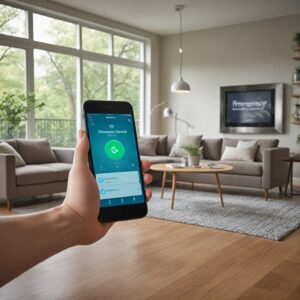
The future of skylight technology is marked by significant advancements in automation, sustainability, and user convenience, making skylights increasingly essential for modern homes. One notable development is the integration of home automation systems, which allows skylights to be controlled remotely via smartphones or automated based on environmental conditions. For instance, the VELUX Active system enables solar-powered skylights and shades to open and close automatically without homeowner intervention, enhancing energy efficiency and comfort. Automated features such as rain sensors further protect homes by closing skylights at the first sign of rain, preventing water damage.
Innovations also include easy-to-install alternatives like the illume™ Skylight Alternative system, designed to be adaptable to various locations within a home. VELUX’s Openable range offers multiple control options—manual, electric, or solar electric—with remote controls and integrated building management systems capable of managing up to 200 skylights simultaneously, demonstrating the trend towards centralized and large-scale control in residential settings.
Sustainability remains a core focus in skylight development. VELUX is committed to environmentally friendly manufacturing practices, utilizing recycled materials such as aluminum extrusions made from 95% post-consumer recycled content and incorporating recycling programs that reclaim 100% of aluminum, copper, acrylic, PVC, and other materials post-production. Wood waste is either reused in products or repurposed as animal bedding and fuel, highlighting a comprehensive approach to reducing environmental impact. These efforts align with VELUX’s goal of achieving nearly emissions-free production processes through advanced equipment and non-hazardous materials.
Additionally, technological tools like the VELUX Visualizer app allow homeowners to customize and visualize skylight installations in real time, bridging design innovation with user-friendly planning. As skylights continue to evolve, they blend cutting-edge technology, sustainability, and architectural aesthetics, promising to transform natural lighting and energy management in homes for years to come.
The content is provided by Harper Eastwood, Home Upgrade News