Summary
Revamp Your Spring Garage for 2026: Create a Coastal-Resilient Structure That Endures emphasizes the urgent need for durable garages in coastal areas facing environmental challenges. Traditional building methods and materials often fail against rising sea levels and extreme weather. This article guides homeowners and builders in creating or renovating garages that resist coastal stresses while boosting property value and occupant safety through smart design, material choices, and use of sustainable technologies.
Importance of Coastal-Resilient Structures
Coastal-resilient structures are critical for protecting buildings from climate change-induced challenges like rising sea levels and intensified storms. As standard infrastructure struggles to cope, resilient designs not only enhance safety but can also promote habitat protection through innovative features that support marine ecosystems. Structural durability, using materials that withstand saltwater and strong winds, is essential for long-term safety and functionality.
Planning and Design Considerations
Revamping a garage in coastal regions requires meticulous planning and adherence to local building codes for resilience against climate risks. Obtaining necessary permits and budgeting for potential design adjustments is vital; consulting with professionals can streamline this process. Accurate sizing and incorporation of electric vehicle infrastructure should also be considered, as these vehicles gain prevalence.
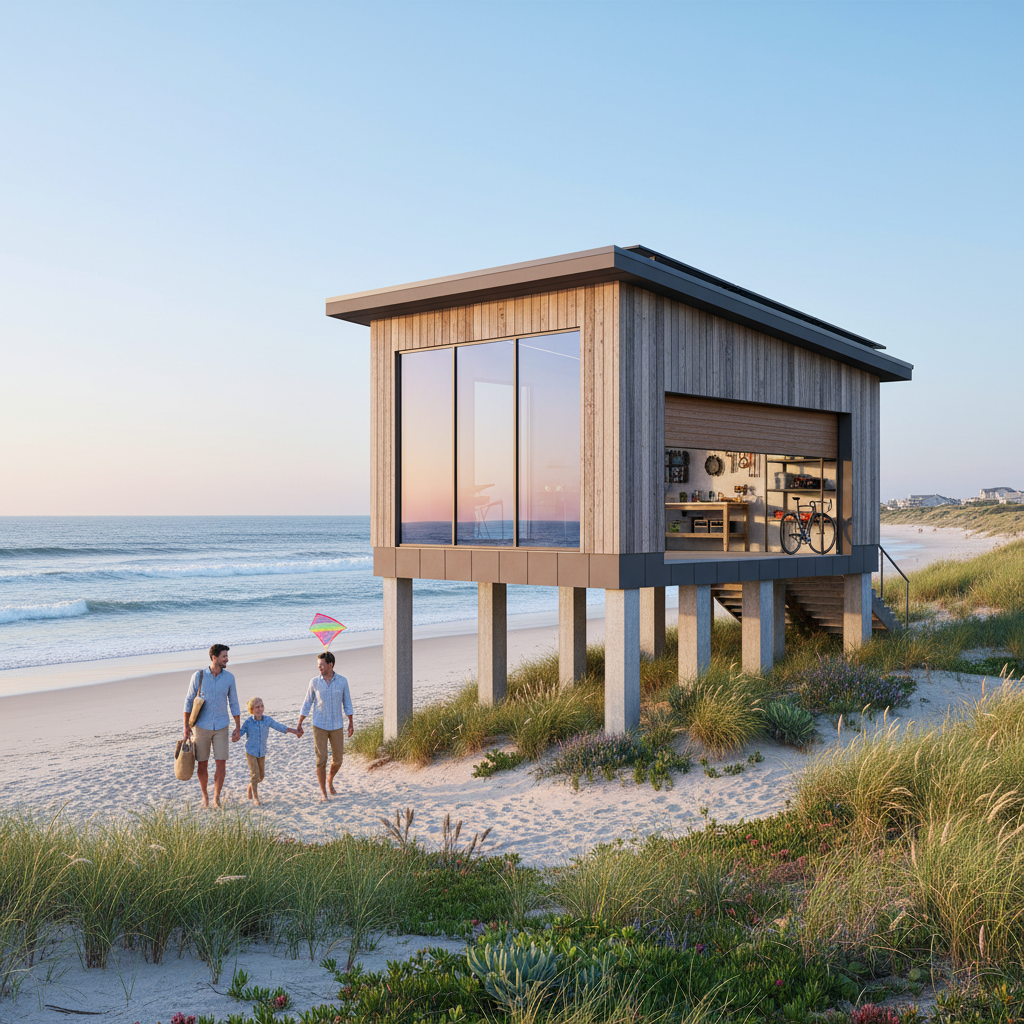
Additionally, elevating the structure and using flood-resistant materials can enhance durability against flooding and erosion. Ensuring compliance with local building codes, particularly regarding wind resistance, further solidifies the plan. Proper material choice and regular maintenance are crucial due to the corrosive nature of salt air in coastal environments.
Materials for Coastal-Resilient Garages
Selecting appropriate materials is key when constructing or renovating a garage in coastal environments. Coastal Stone Flooring is a particularly strong choice, offering durability against moisture and an aesthetically pleasing transition between indoor and outdoor living spaces. Polyurea and polyaspartic coatings can also provide long-lasting protection for concrete floors amid harsh conditions.
Metal roofing and fiber cement siding offer resilience against coastal elements, with steel providing structural integrity and fiber cement resisting moisture and decay. Additionally, plastics and composites can effectively enhance longevity, providing low-maintenance options for siding and windows, reinforcing the necessity of sustainable material choices.
Structural Enhancements
To ensure resilience, coastal garages should be strategically elevated and reinforced to withstand extreme environmental pressures. Elevation, often achieved through various foundation types, minimizes flood damage. Integrating impact-resistant materials, particularly for garage doors, is crucial in storm-prone areas.
Effective erosion control measures and geotechnical assessments can prevent structural compromise, highlighting the importance of localized design adjustments. Utilizing breakaway wall systems can also mitigate repair costs during flooding events while maintaining structural integrity.
Construction Techniques and Protective Measures
Building in coastal areas necessitates durable material selection and protective measures to combat harsh conditions. Utilizing thicker gauge metals and corrosion-resistant coatings, for instance, can significantly extend the longevity of structures. Safeguarding utility connections from environmental damage by burying them improves resilience as well.
Regular maintenance plays a vital role in preserving structural integrity. Monthly rinsing to remove salt deposits can prevent corrosion, while proactive inspections of joints and bolts can help identify vulnerabilities before significant issues arise.
Incorporating Sustainable Technologies and Green Infrastructure
Integrating sustainable technologies, like living shorelines, can enhance resilience against environmental threats. Such solutions utilize natural barriers that protect coastlines while fostering local ecosystems. Sustainable design addressing local conditions and implementing resilient materials contributes to effective coastal construction practices, aligning needs with community-focused resilience goals.
Aesthetic and Functional Upgrades
Renovating a coastal garage means balancing aesthetic appeal with functional resilience, incorporating elements like coastal-inspired siding and large windows that enhance natural light. Multi-purpose layouts, which allow for versatile use, optimize garage space while durable materials like Coastal Stone Flooring ensure longevity amid coastal challenges.
These upgrades not only improve the garage’s usability but can also significantly increase property value, making informed renovation decisions beneficial for homeowners.
Maintenance and Longevity
For coastal garages, ongoing maintenance is essential for longevity amid harsh conditions. Regular cleaning to remove salt deposits, especially from seams and fasteners, is critical to preventing corrosion. Protecting utilities within well-designed infrastructure minimizes deterioration risks and safeguards functionality.
An effective maintenance program supports early detection of issues, ensuring the structure remains resilient against the damaging effects of the coastal environment over time.
Cost Considerations and Budgeting
Understanding budget considerations for a garage renovation is crucial, especially with the additional costs of coastal compliance. Basic garage costs can fluctuate significantly based on location and project scope, necessitating a comprehensive budgeting plan for permits and potential design adjustments that may arise.
Incorporating features like electric vehicle chargers can add to the budget but can also benefit from existing rebates. Cost-effective decision-making on materials and compliance with local regulations will help mitigate costs while ensuring a sustainable and safe renovation process.
Case Studies and Examples
Recent projects showcase the effectiveness of resilient garage designs that respond both to climate challenges and evolving homeowner needs. Integrating garages with outdoor living spaces demonstrates a multifunctional approach, enhancing both utility and appeal.
Site-specific assessments allow for tailored designs that account for unique environmental factors, promoting long-lasting coastal structures that maintain both visual appeal and resilience. These successful case studies reflect the advancement toward durability in coastal construction, underscoring the importance of careful planning and innovative strategies.
The content is provided by Blake Sterling, Home Upgrade News