Summary
“Effortless Ways to Minimize Water Waste in Your Home” is an article providing an in-depth understanding of the impact of residential water waste, common sources of water waste in households, practical strategies for minimizing water waste, cost and environmental benefits of reducing water waste, and suggestions for implementing behavioral changes and using technology to conserve water. Residential water waste contributes significantly to environmental degradation, public health risks, and strain on public water supplies. Notably, European households have been found to use two to three times more water than necessary. Therefore, it is essential to promote sustainable practices such as wastewater recycling, safe reuse, efficient use of water in household appliances, and adoption of smart technologies for water management. Beyond the environmental impacts, minimizing water waste can result in cost savings for households, businesses, and the federal government. This article explores these topics in detail and offers a comprehensive guide to effectively reduce water waste in residential settings.
Impact of Residential Water Waste
Residential water waste poses significant impacts on the environment and public health. Populations are growing and natural environments are degrading, making it increasingly challenging to ensure everyone has safe and sufficient water supplies. In this context, the poor management of residential wastewater plays a significant role. In poorer urban areas, a large proportion of wastewater – including household effluent, human waste, toxic chemicals, and medical waste – is discharged untreated directly into the closest drainage channel or water body, contaminating the environment in densely-populated residential zones.
Moreover, such mismanagement of water resources puts additional strain on already stressed water supplies. The majority of household water comes from the public supply, with 63% drawn from surface water sources such as rivers, lakes, and streams, and the remaining 37% pumped from groundwater sources such as aquifers. This combined water usage of everyone in a community collectively places a strain on local water supplies. Some communities may need to update aging wastewater treatment and delivery systems, while others face water shortages.
This increased pressure on water supplies and the related environmental impacts could result in higher water prices for consumers, water restrictions to manage any shortages, and costly water treatment projects to upgrade outdated facilities. Additionally, reduced ground water tables and reservoir water levels pose a serious risk to water supplies, human health, and the environment, potentially leading to increased concentrations of human and natural pollutants.
The lack of water management also exacerbates the problems of biodiversity loss and ecosystem degradation. Biodiversity and well-functioning ecosystems are the foundation of our economy and well-being. They provide food, materials, clean water, climate regulation, and cultural and spiritual enrichment. However, pollution and reduced access to clean water threaten freshwater ecosystems, the habitats for numerous plant and animal species.
Simultaneously, water waste in homes is a significant contributor to the problem. Europeans, for example, use two to three times more water than needed. The solution lies in the shift towards more sustainable practices. Wastewater recycling and safe reuse can drive progress in public health, environmental sustainability, and economic development. Communities can also back laws that promote recycling initiatives, restore lands and waters, and reduce plastic pollution. Encouraging more efficient water usage helps maintain local supplies at safe levels, while managing water scarcity through investment in water recycling facilities and changing consumer behavior can ensure long-term sustainability.
Common Sources of Water Waste in Households
One of the most common causes of water waste in households is the improper handling and disposal of waste. For instance, when waste is illegally dumped along roadsides, in the woods, or improperly burned, it can lead to severe contamination of surface water, ground water, land, and air. In less developed urban areas, a large proportion of wastewater, including household effluent, human waste, toxic chemicals, and medical waste, is discharged untreated directly into the nearest drainage channel or water body. This exposure contaminates the environment, especially in densely populated residential zones.
Another significant source of household water waste is through the inefficient use of water during daily activities. For example, heating water for bathing, shaving, cooking, and cleaning accounts for a quarter of the electricity bill in homes with electric water heaters. Additionally, outdoor water consumption, such as maintaining swimming pools and irrigating landscapes, can significantly increase water waste, especially during hot summer months when water use typically increases. Therefore, the importance of water-efficient practices in households cannot be overstated. By implementing strategies to minimize water waste, individuals and communities can significantly contribute to preserving their local water supplies, protecting human health and the environment, and reducing their overall costs.
Strategies and Technologies for Minimizing Water Waste in Residential Settings
The sustainable use of water has become a crucial issue worldwide, with increasing attention drawn to residential water management . There are numerous practical strategies and technologies that homeowners can utilize to minimize water waste without sacrificing comfort or convenience.
Water Efficiency in Household Appliances
One approach to minimizing water waste is to use water more efficiently in household appliances. For instance, only washing full loads of laundry and selecting the appropriate water level on the washing machine can save both water and energy . Heating water for showering, bathing, and cooking accounts for a significant proportion of household energy consumption, thus making water-efficient products such as WaterSense-labeled models a viable choice .
Another crucial appliance for water conservation is the low-flow showerhead. The latest models of these devices blend restricted water flow with air to create the perception of a higher volume, potentially reducing water consumption by up to 60% .
When washing clothes, it is advisable to wait for a full load, as this approach can reduce microfiber release. Using cold water settings and air-drying clothes can further limit the impact on water resources . Regarding dishwashing, it’s recommended to utilize the dishwasher when possible, as it uses less water per dish compared to hand-washing .
Smart Technologies for Water Management
Alongside these manual interventions, various smart technologies can significantly enhance water management in the home. Smart leak detectors are a prime example of this technology. These devices can identify pooling water, trigger an alarm, and send a notification to a user’s smartphone, enabling homeowners to address potential leaks promptly .
Moreover, the adoption of smart irrigation technology can dramatically decrease outdoor water waste. By providing maintenance and ensuring that irrigation occurs only when necessary, smart irrigation controllers and sensors can promote efficient watering based on plant needs, as opposed to fixed schedules .
Cost and Environmental Benefits of Minimizing Water Waste
Water is a precious resource that we often take for granted. However, as global water scarcity grows, it is essential that we begin to appreciate the value of each drop that comes out of our faucets. By identifying and addressing the main water wasters in our homes, we can effectively fight against water waste. It is important to note that such reduction in water usage not only contributes to environmental preservation, but it also enables households and industries to save money on their water bills.
In fact, it is estimated that with moderate gains in water efficiency, the federal government could save as much as $240 million per year. Such savings, which could amount to approximately 40% of current usage, could provide enough water to supply a population of approximately 1.8 million.
In the absence of water conservation and efficiency, customer water bills would have been more than 36% higher. Comparable levels of wastewater savings have also been realized. Although all households benefit from water efficiency improvements, the greatest cost savings are provided to those that conserve the most.
In addition to cost savings, minimizing water waste has significant environmental benefits. Safely reusing wastewater has been identified as a potentially affordable and sustainable source of water, energy, nutrients, and other recoverable materials. Supporting local legislation that promotes recycling initiatives, restoring lands and waters, and reducing plastic pollution, such as legislation that helps advance the United Nations Environment Programme’s (UNEP) international agreement to end plastic pollution, can also be a part of an effective water conservation strategy. Therefore, by rallying behind local and federal initiatives, we can create cleaner, healthier environments and set a positive example for others to follow.
Behavioral Changes for Water Conservation
Implementing behavioral changes is a critical aspect of a water conservation program. These changes can range from simple tasks, such as minimizing the time spent running faucets during daily tasks such as showering, brushing teeth, or hand-washing dishes. An effective water conservation strategy includes a combination of several measures. These include repairing leaks, using low-flow appliances, implementing drought-resistant landscaping, and even choosing native plants for gardens or home decoration, which are well-adapted to the local climate and require less water and fertilizer. In cases where lawns are necessary, efficient watering techniques, such as watering in the early morning and avoiding watering on windy days, can minimize waste.
Implementing Efficient Water-Management Practices
Practices like rainwater harvesting, use of greywater systems, and recycling wastewater have proven effective. The use of water-efficient irrigation systems, installing rainwater tanks to collect runoff, and even opting for natural pools over traditional swimming pools can also contribute significantly to water conservation.
Utilizing Tools and Resources for Water Conservation
Utilizing available tools and resources can aid in water conservation efforts. One such tool is the Water Footprint Calculator, which can help households identify their most significant areas of water usage. In addition to this, smart water monitoring systems, such as Flume or Moen’s Flo, can detect and locate leaks in real-time. Regular checks for leakage in taps and other bathroom installations also contribute to water conservation. The usage of water-efficient faucets, with a flow rate of 1.5 GPM and the WaterSense label given by the EPA, can also help save billions of gallons of water every year.
Cost-Effective Strategies for Water Conservation
Many water conservation strategies are not only beneficial for the environment but are also cost-effective. For instance, switching from printed materials to digital formats can significantly reduce carbon emissions. Choosing grass varieties that require less water can save time on irrigation and reduce the water bill. Furthermore, using water purifiers with minimum water wastage, like the DrinkPrime water purifier, can significantly reduce the amount of wastewater generated at home.
Practical Tips to Minimize Water Waste
Conserving water at home is not only beneficial for the environment but can also lead to significant savings on utility bills. This section provides practical ways to reduce water waste in households, primarily focusing on the kitchen, bathroom, laundry room, and garden areas.
Kitchen Tips
One of the most effective ways to reduce water waste in the kitchen is by optimizing the use of dishwashers. It’s advised not to pre-rinse dishes as most modern dishwashers are powerful enough to clean without prior rinsing, which can lead to substantial water waste. Dishwashers also tend to use less water per dish compared to hand-washing. Also, it’s beneficial to run the dishwasher only when it’s fully loaded to maximize water efficiency. Another strategy is to thaw food in the refrigerator or use a microwave instead of running the kitchen faucet, which can save a substantial amount of water.
Bathroom Tips
In the bathroom, checking for leaks regularly is vital as even small drips can waste a lot of water daily. An easy hack for identifying toilet leakage is to put food coloring in the toilet’s water tank; if the color appears in the bowl without flushing, there’s a leak. Low-flow faucets and showerheads can significantly reduce water usage without sacrificing convenience or comfort.
Laundry Tips
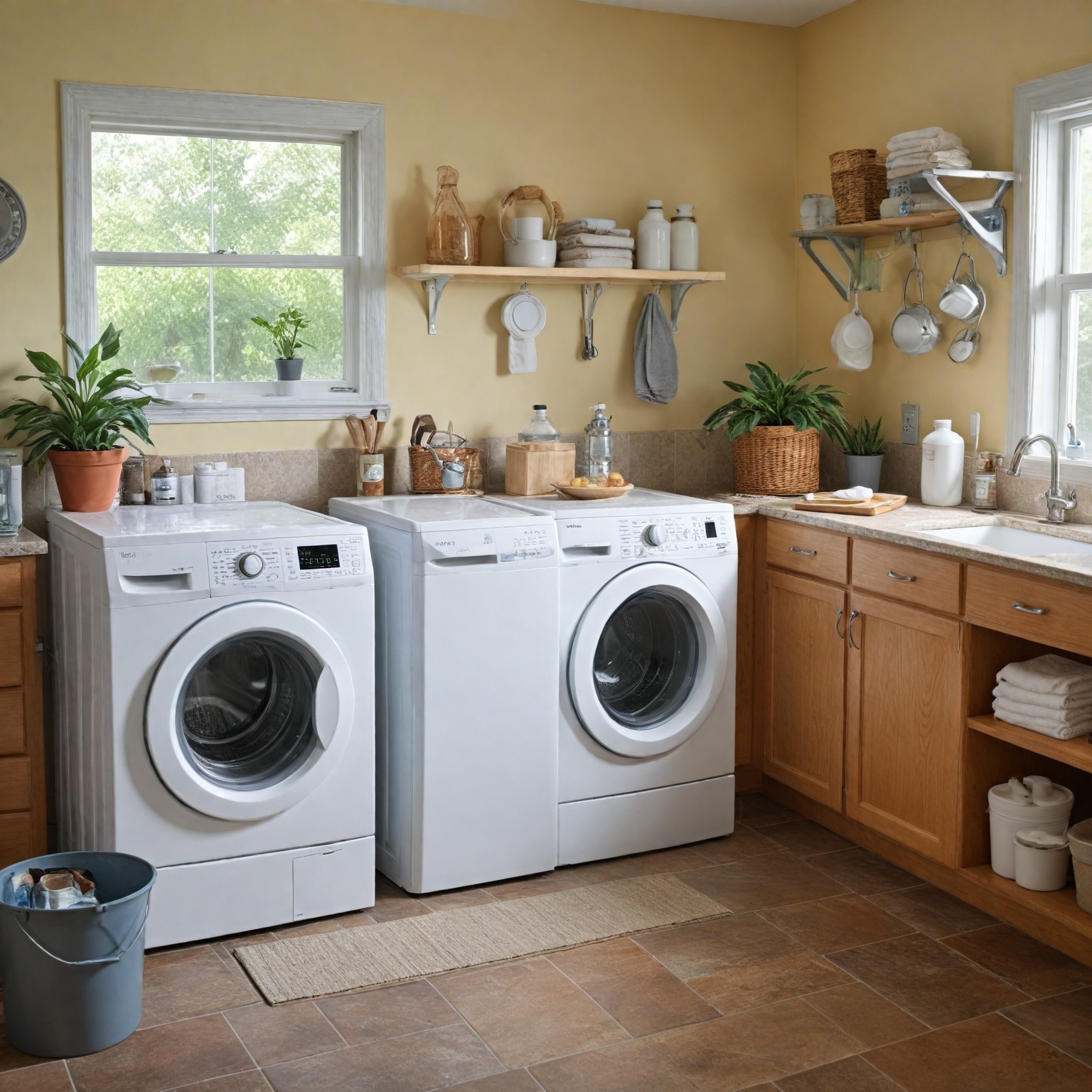
As for laundry, washing full loads or using the appropriate water level or load size selection on the washing machine can lead to substantial water savings. Additionally, setting the washing machine to use cold water instead of hot or warm water can save energy and reduce utility bills.
Outdoor Tips
Outdoor water usage can be minimized by implementing smart irrigation techniques and water-saving strategies. For instance, collecting rainwater in barrels for garden watering and implementing drip irrigation systems that deliver water directly to the plant roots can significantly reduce water waste.
Behavior and Technology
Lastly, obtaining the participation of building inhabitants in water conservation and educating them on new water-efficient technologies can significantly enhance water savings. There are also various smart landscaping practices and water-saving equipment that can minimize water usage without compromising the aesthetic appeal of outdoor spaces.
The content is provided by Sierra Knightley, Home Upgrade News