Summary
The transformation of a midcentury Los Angeles home into a stunning Scandi-modern residence exemplifies a sophisticated fusion of California Modernism and Scandinavian design principles. Located in Woodland Hills, approximately 25 miles west of downtown Los Angeles, the project involved an extensive renovation addressing structural challenges such as a crumbling foundation, burst pipes, and outdated systems, while reimagining the space to embrace indoor-outdoor living and minimalist aesthetics characteristic of both design traditions. This renovation stands out for its thoughtful integration of natural materials, clean lines, and multifunctional spaces that create a serene, functional, and inviting environment tailored to contemporary lifestyles.
Drawing inspiration from Scandinavian minimalism and midcentury modernism, the design emphasizes simplicity, natural light, and tactile, organic finishes that foster warmth and comfort without sacrificing elegance. The home features a neutral color palette accented with darker metals and brass, reflecting the evolving Scandinavian interior trend towards a more luxurious yet restrained aesthetic. Architectural highlights include three internal patios, a double-height living area with expansive sea views, and repurposed spaces such as a converted garage that enhance both form and function while maintaining sustainability through the use of local, recycled, and eco-friendly materials.
Sustainability and client-centered collaboration were core to the renovation’s success, with the design team prioritizing energy efficiency, ethical sourcing, and durable craftsmanship. The project balanced aesthetic ambitions with practical challenges like structural modifications and lighting, employing innovative storage solutions and layered lighting to uphold the minimalist ethos while ensuring livability. This comprehensive approach reflects broader trends in sustainable urban home renovations inspired by Nordic values of simplicity, quality, and environmental responsibility.
The Scandi-modern renovation has been widely praised for its harmonious blend of style, function, and sustainability, earning acclaim from design critics and homeowners alike. It serves as a notable example of adapting Scandinavian design to a Southern California context, enhancing the quality of life through thoughtful architecture and interior design while exemplifying best practices in eco-conscious renovation.
Background
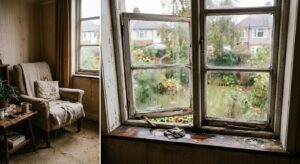
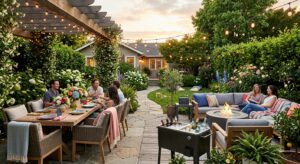
The renovation project in Woodland Hills is a remarkable example of blending California Modernism with Scandinavian design principles to create a serene and functional living space. Originally a 1950s home situated approximately 25 miles west of downtown Los Angeles, the property required more than cosmetic upgrades due to underlying issues such as burst pipes, a crumbling foundation, and a faulty HVAC system. The owners aimed to transform the home into a space that embraces the region’s beautiful climate by integrating indoor and outdoor living areas, a hallmark of California Modernism characterized by post and beam construction and floor-to-ceiling glass walls that dissolve boundaries between the interior and lush surroundings.
This renovation draws inspiration from minimalist architecture and midcentury modern aesthetics, emphasizing clean shapes, neutral colors, and natural materials. Such an approach creates a quiet, inward-looking structure with tactile, organic surfaces and open layouts that highlight serenity and stillness. The project reflects a growing trend in Scandinavian interior design, which traditionally features lighter colors but has evolved to include more luxurious elements with darker and industrial tones like darkened metals and brass, further enriching the home’s Scandi-modern character.
Collaborating closely with expert designers and landscape architects, the owners prioritized a client-centered, detail-oriented process to tailor the space to their lifestyle and preferences, while incorporating sustainable and energy-efficient improvements. The landscape design extends the living space outdoors, enhancing the home’s connection with nature and maximizing enjoyment throughout the year in Woodland Hills’ favorable climate.
Design Concept
The design concept for the renovation was rooted in Scandinavian principles, emphasizing simplicity, functionality, and a harmonious connection to nature. The homeowner sought a modern Scandinavian interior that balances minimalism with elegance, favoring neutral tones, light wood, and natural materials to create a calm and timeless aesthetic. Central to the design was the philosophy that good design enhances well-being, supporting a happier and more rewarding life through spaces that feel both practical and inviting.
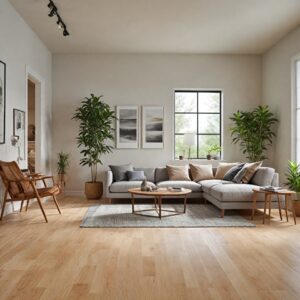
Key elements of the Scandinavian style were incorporated, such as clean lines, uncluttered spaces, and an emphasis on natural light to make the relatively smaller rooms feel brighter and more expansive. The design integrated traditional Scandinavian textures and patterns, including botanical prints and Nordic folk art motifs, often expressed through textiles and wall treatments, to add warmth and subtle visual interest without disrupting the minimalist approach. Soft materials like sheepskin, wool, and mohair were introduced to enhance comfort and embody the Danish concept of hygge—a cozy, happy living environment that fosters a sense of well-being and relaxation.
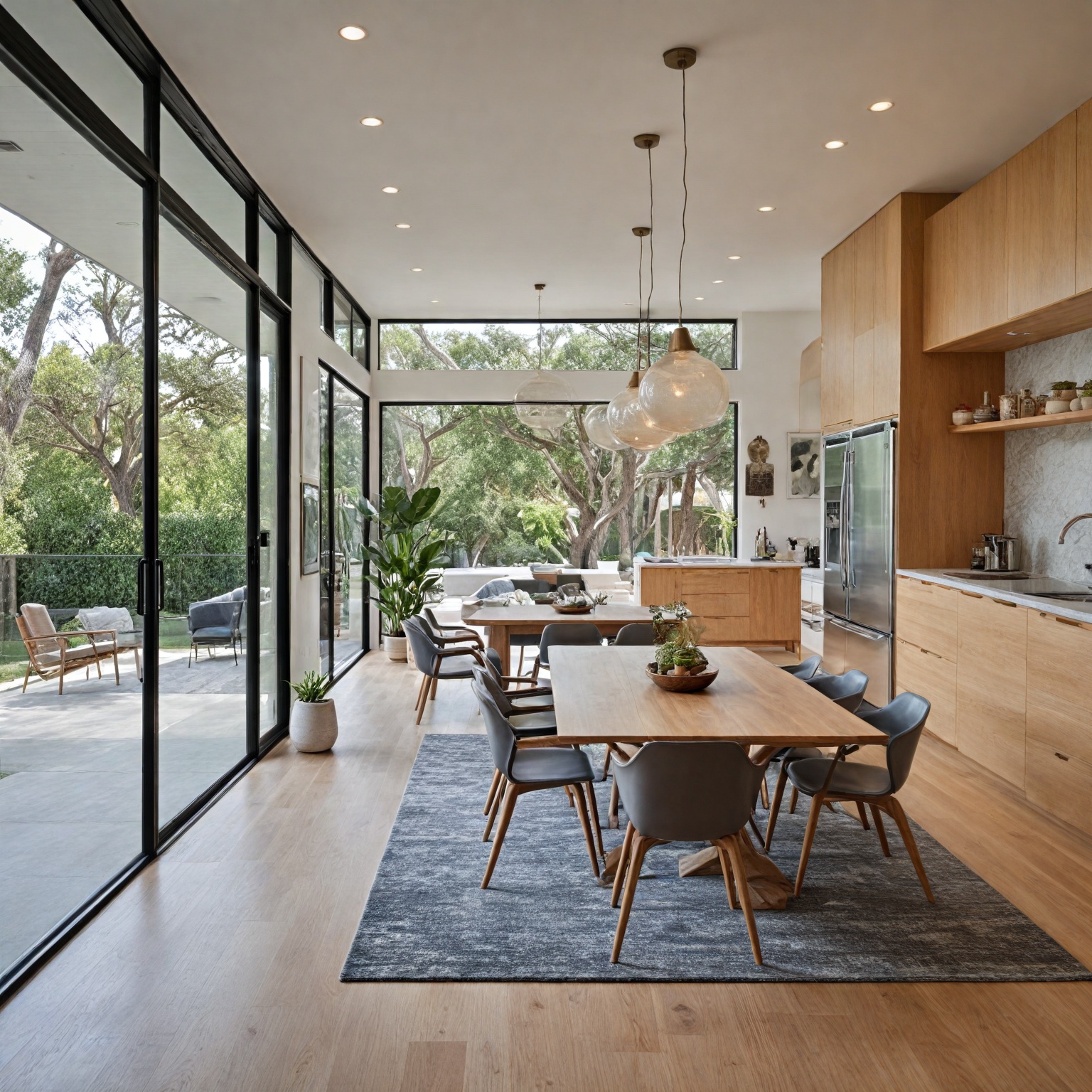
The renovation also embraced a multifunctional approach to space planning. Rooms were redesigned to serve diverse purposes, such as a home office doubling as a play area, reflecting the Scandinavian ideal of practicality alongside aesthetic appeal. The kitchen featured cream cabinets paired with wooden islands, reinforcing the natural, neutral palette and blending functionality with style.
While maintaining the core Scandinavian ethos of light and simplicity, the design included contemporary and industrial touches, such as darker metals and brass accents, reflecting the evolution of Scandinavian interiors toward a more luxurious and modern expression. This fusion created a fresh yet familiar atmosphere that honors both tradition and modernity.
Architectural Features
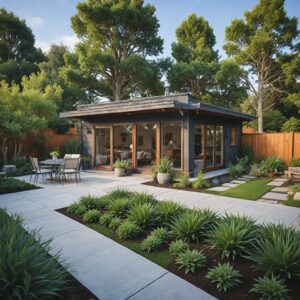
The renovation of the midcentury residence in the foothills of Los Angeles’ Mount Washington neighborhood showcases a harmonious blend of minimalist architecture with organic, tactile materials that emphasize serene and inward-looking spatial qualities. The architects reworked the existing base and composed a quiet structure arranged around three internal patios, creating a tranquil atmosphere with clean shapes, neutral colors, and surfaces that evoke a tactile, organic feel. The home consists of simple rectangular volumes capped by a monolithic zinc roof, which contributes to its modest yet striking presence. Inside, textured lime render and silver-colored metals dominate the interiors, enhancing the minimalist aesthetic while providing warmth and depth. A key architectural feature is the double-height living space, which is illuminated by a large opening oriented toward sea views, and an exposed soffit of long steel beams that adds a sculptural element to the interior.
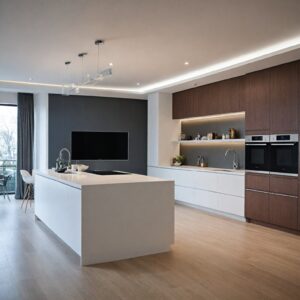
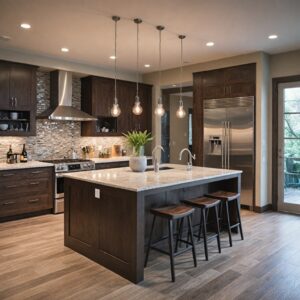
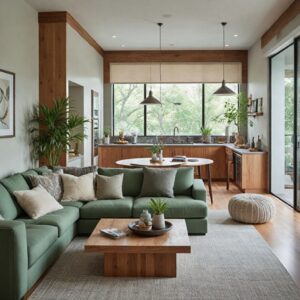
The design accommodates multiple functions seamlessly; for instance, one of the two original garages was converted into a combination mudroom, butler’s pantry, and laundry area, reflecting a practical approach to spatial reconfiguration without major structural changes. The open-plan kitchen exemplifies the integration of modern Scandinavian design principles, featuring cream cabinets, wooden islands, and marble-like patterned countertops that add understated luxury while maintaining the minimalist style. Custom elements such as a 10-foot island with a honed quartz countertop and a mix of matte gunmetal gray lower cabinets with natural wood upper cabinets demonstrate the balance of function and aesthetics.
Throughout the home, the architecture supports multifunctional spaces tailored to contemporary living needs, including a home office that doubles as a play area. Scandinavian design elements are thoughtfully integrated to maintain a harmonious color palette and to foster a sense of calm and natural beauty that resonates with the home’s organic surroundings. The use of local, recycled, and repurposed materials aligns with Scandinavian values of sustainability and connection to nature. Overall, the architectural features reflect a careful blend of minimalist modernism with warm, inviting materials and thoughtful spatial arrangements that enhance both form and function.
Materials and Finishes
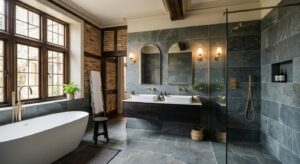
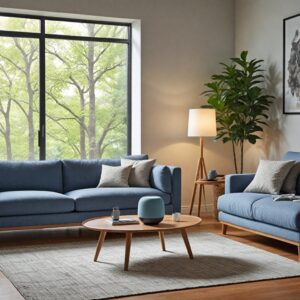
The Scandi-modern renovation prominently features a carefully curated palette of natural and sustainable materials that embody the essence of Scandinavian design. Central to this aesthetic are raw, organic materials such as wood, leather, glass, stone, and wool, which introduce a variety of textures that add subtle richness and depth to the space while maintaining a sense of warmth and tactility. Wood, especially light-toned varieties, plays a pivotal role, appearing in everything from sleek modern furniture to rustic elements like tree stumps used as coffee tables, reinforcing a connection to nature and expanding the sense of space through its muted, natural hues.
Complementing the wood, metals such as brushed nickel and matte black finishes are incorporated selectively to harmonize with the minimalist Scandinavian look, often featured in fixtures and decorative accents. The use of soft materials like sheepskin, wool, and mohair further enhances the comfort and coziness of the interiors, particularly suitable for colder climates, while adhering to the practical and pared-down principles of the design philosophy.
Concrete floors and galvanised steel details add an industrial touch that contrasts yet balances the natural textures, contributing to the modern minimalist vibe of the renovation. Matte and unglazed finishes dominate surfaces, with occasional gloss from polished concrete or ceramics introduced to prevent visual flatness and provide subtle reflections, enriching the overall sensory experience.
Throughout the renovation, the choice of materials reflects a strong commitment to sustainability and environmental consciousness. The incorporation of eco-friendly resources, such as bamboo in select furniture pieces, aligns with the Nordic tradition of utilizing available natural materials to create functional and beautiful living environments. Textile accents in warm neutral colors—wool and linen—offer softness and warmth, reinforcing the inviting and serene atmosphere characteristic of Scandinavian interiors.
In addition to their aesthetic and tactile qualities, these material choices are strategically arranged to support practical living. For example, the outer third of kitchen countertops is reserved for functional use during meal preparation, while decorative objects with matte or unglazed textures are thoughtfully positioned to complement the room without hindering usability. This meticulous attention to both form and function underscores the renovation’s success in marrying minimalism with livability in a cohesive Scandi-modern style.
Sustainable Design Strategies
Sustainable design is a fundamental aspect of the Scandi-modern renovation, rooted in the philosophy that good design enhances quality of life while minimizing environmental impact. Central to this approach is the use of natural and eco-friendly materials such as wood, leather, glass, stone, and wool, which not only add texture and warmth but also reflect a deep respect for sustainability and environmental consciousness prevalent in Scandinavian design traditions.
The renovation prioritizes ethical production practices, local sourcing, and durability to reduce the carbon footprint and promote a circular economy. This involves selecting materials with traceable origins and craftsmanship that supports innovation in eco-design, emphasizing recycled and renewable resources wherever possible. The Nordic region’s leadership in climate change mitigation and sustainable architecture serves as a guiding model, promoting simplicity, quality, and minimal excess consumption throughout the project.
Professional expertise plays a vital role in ensuring the renovation adheres to local regulations while integrating energy-efficient improvements and sustainable materials, helping to create a home that is both beautiful and environmentally responsible. This holistic approach aligns with best practices in sustainable renovation by overcoming common barriers through integrated processes that prioritize energy savings and climate adaptation strategies.
Renovation Process
The renovation process for the Scandi-modern home transformation involved a series of carefully planned and executed steps to achieve a cohesive and functional design. Initially, the project included substantial structural changes such as reconfiguring the layout of key spaces like the kitchen and bathroom, altering the use of existing property areas, and upgrading the capacity of plumbing and electrical systems to meet modern standards. This “like new” approach ensured the home not only looked refreshed but also functioned efficiently and safely.
A key element of the process was thorough collaboration between the homeowners and the renovation team. The team demonstrated strong organization by taking detailed meeting notes and maintaining a strict project schedule, which helped prevent any issues from being overlooked throughout the renovation. Their expertise was evident as fabrication and installation techniques were carefully aligned with the desired übermodern aesthetic, which was critical to achieving the final look of the home.
Homeowners were advised to engage with professionals early, especially when structural modifications and electrical rewiring were involved, to manage the complexity of permits and compliance requirements. For example, consulting with a qualified structural engineer was recommended prior to any hillside renovation to assess site conditions thoroughly. Such strategic planning and collaboration helped balance design ambitions with practical considerations, ensuring that budget and lifestyle needs were prioritized effectively.
Challenges and Solutions
Transforming a traditional Los Angeles home into a stunning Scandi-modern space presented several challenges, primarily balancing minimalism with functionality and maintaining warmth without clutter. One significant challenge was achieving the hallmark Scandinavian aesthetic of simplicity and clean lines while ensuring the home remained practical for everyday living. This required careful selection of furniture and storage solutions that offered both style and organization, as clutter-free environments are essential to the Scandinavian design ethos.
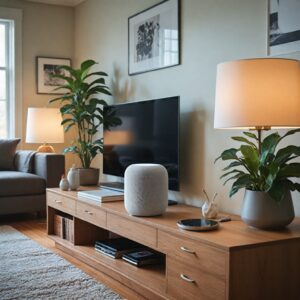
To address the need for seamless storage, the renovation incorporated built-in shelving, open wood cabinets, and floating units. These elements effectively kept belongings organized and out of sight, preserving the tranquil, uncluttered feel while blending harmoniously with the interior design. Additional touches like woven baskets and ceramic containers added texture and softened the streamlined structures without sacrificing functionality.
Lighting posed another design challenge, as it needed to create a warm, inviting atmosphere without overwhelming the minimalistic space. The solution was to incorporate statement lighting fixtures, such as pendant lights above the dining area and bedside lamps with fabric shades. These fixtures served both as functional light sources and artistic accents, elevating the ambiance while maintaining the space’s simplicity and elegance.
Incorporating natural materials was crucial to infuse the home with the Scandinavian connection to nature, which is deeply embedded in the region’s design tradition. Elements like raw wood, natural wool, and woven textures were carefully integrated, striking a balance between modern minimalism and cozy warmth. This approach not only enhanced the aesthetic but also aligned with the democratic philosophy of Scandinavian design, which emphasizes accessible beauty in everyday living spaces.
Impact and Reception
The Scandi-modern renovation project received widespread acclaim for its thoughtful integration of Scandinavian design principles with modern living needs. Clients and observers praised the transformation for creating spacious, inviting interiors that seamlessly connected the kitchen, living, and dining areas, enhancing both functionality and style. The emphasis on natural materials, light wood finishes, and neutral tones resonated strongly with homeowners seeking a tranquil yet practical environment, embodying the essence of Scandinavian minimalism and coziness.
The project’s attention to craftsmanship and sustainability also garnered positive attention. Incorporating handmade and eco-friendly elements appealed to design enthusiasts who value both aesthetics and responsible living. Additionally, the professional approach of the contractor team, noted for excellent design guidance, accurate budgeting, and meticulous management of permits and neighborhood interactions, contributed to the renovation’s smooth execution and overall success.
This renovation not only transformed the physical space but also elevated the lifestyle of the homeowners, providing a serene and light-filled sanctuary that blends natural beauty with modern sophistication. The project stands as a notable example of how Scandinavian design can be adapted to contemporary urban homes, earning commendations for its personalized and well-crafted approach.
The content is provided by Sierra Knightley, Home Upgrade News