Summary
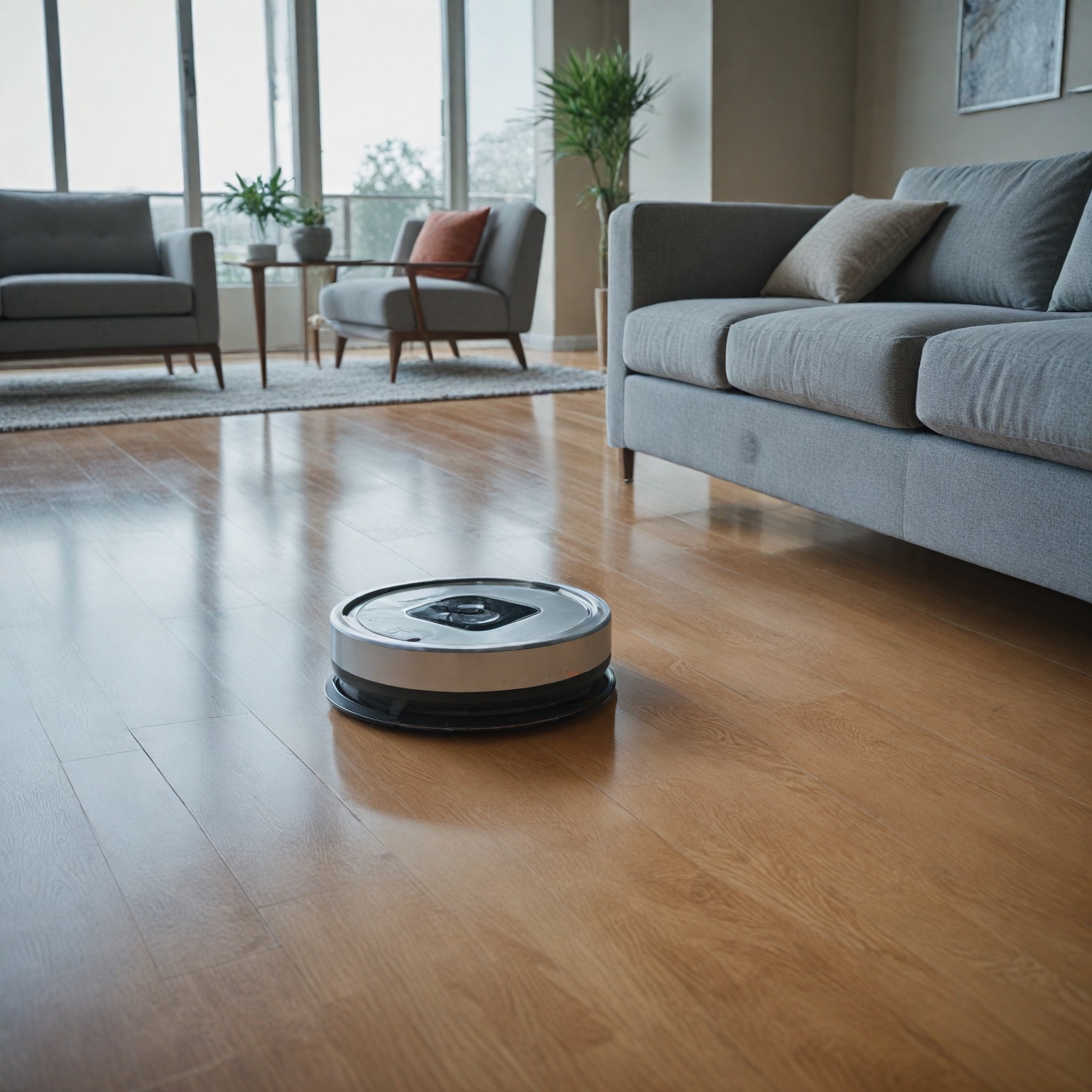
Siris Automated Floor Cleaning is an advanced, autonomous cleaning system designed to efficiently maintain concrete and other hard floor surfaces while using significantly less water and detergent than traditional cleaning methods. Combining sophisticated mechanical design with intelligent automation, the system features a dual brush mode, adjustable suspension, and a highly maneuverable platform that adapts to various surface types to deliver superior cleaning results. Its integration of cutting-edge sensor technologies—such as LiDAR, ultrasonic, infrared, and camera-based sensors—enables precise environmental mapping and obstacle detection, facilitating real-time navigation and optimized cleaning routes.
Notably, Siris leverages artificial intelligence and machine learning algorithms to dynamically adapt to changes in the cleaning environment, improving operational efficiency and minimizing human intervention. The system also offers extensive connectivity options, allowing seamless integration with popular smart home platforms including Alexa, Google Assistant, and Siri, which enhances user convenience through voice commands and remote control via smartphone apps. Automated features such as water and detergent dispensing, combined with safety mechanisms like cliff and crash sensors, contribute to consistent performance and secure operation in both residential and commercial settings.
Siris distinguishes itself in the automated floor cleaning market through its comprehensive data analytics and reporting tools, which provide real-time monitoring of cleaning progress and performance optimization. This data-driven approach supports better resource management and operational decision-making, while its autonomous navigation capabilities allow it to safely interact with dynamic environments, including pedestrian and industrial spaces. These innovations reflect broader industry trends toward combining robotics, AI, and IoT technologies to transform traditional cleaning practices into smarter, more sustainable solutions.
While widely praised for its thoroughness and efficiency, Siris Automated Floor Cleaning also faces challenges common to high-tech home automation devices, such as initial installation complexity and the need for ongoing software updates to maintain optimal functionality. Nevertheless, its continued development and adoption highlight the growing importance of intelligent, autonomous cleaning solutions in modern homes and workplaces, offering significant benefits in productivity, safety, and environmental impact.
Overview
Siris Automated Floor Cleaning is an advanced cleaning solution designed to efficiently clean soiled concrete and other hard surfaces while using significantly less water and detergent compared to traditional pressure washers. The system features a dual brush mode that enables enhanced surface treatment, improving the overall cleanliness and maintenance of floors. Its highly maneuverable maintainer incorporates industry-standard components commonly found in floor maintenance equipment, integrated with a horizontally stable wheeled platform and an adjustable, wear-compensating suspension system capable of adapting to various surface types.
Safety is a key consideration, with an electrical system designed to allow safe outdoor use of the equipment. Additionally, Siris leverages cutting-edge technology to provide autonomous cleaning capabilities, enabling businesses to modernize their cleaning programs through the integration of robotic cleaning machines. The system also offers performance data and analytics tools, allowing users to monitor cleaning operations in real time and optimize processes by identifying areas that require attention or have already been cleaned.
With a commitment to detail and personalized service, Siris Solutions ensures that each cleaning task is approached with dedication to achieve spotless and safe environments that positively impact client impressions and employee productivity. Overall, Siris Automated Floor Cleaning represents a comprehensive and innovative approach to floor maintenance, combining advanced mechanical design, safety features, and intelligent automation to deliver superior cleaning results.
Technology
Siris’s automated floor cleaning feature leverages a combination of advanced sensor technologies and artificial intelligence to deliver efficient, autonomous cleaning. Equipped with an array of sensors—including LiDAR, ultrasonic Time-of-Flight (ToF), infrared, and camera-based sensors—the system can accurately map the layout of a home, detect obstacles, and identify different floor types. For example, ultrasonic ToF sensors assess surface hardness by measuring the reflection amplitude of emitted sound waves, allowing the device to adjust motor speed accordingly when transitioning from carpet to hardwood floors. Infrared sensors assist in locating the charging dock to ensure the cleaner returns autonomously when battery levels are low.
The integration of AI enables the vacuum to analyze and adapt to its environment dynamically. Using machine learning algorithms alongside advanced cameras and LiDAR, the system can identify furniture, rooms, and objects with high precision, which helps reduce cleaning interruptions and improves navigation accuracy down to the millimeter. This intelligent navigation is supported by technologies such as the AINA 2.0 Intelligent Navigation Model and AIVI 3D 2.0, which enhance the robot’s ability to recognize and maneuver around obstacles.
Additionally, the cleaning head subsystem is designed for optimized efficiency, often incorporating dual-stage brush assemblies with counter-rotating, asymmetric brushes paired with vacuum components to maximize cleaning performance while minimizing power consumption. Automated dispensing systems control the application of water and cleaning solutions, enhancing floor scrubbers’ ability to maintain cleanliness with minimal human intervention.
Siris’s platform also supports connectivity features that enable integration with popular smart home ecosystems like Alexa, Google Assistant, and Siri, allowing users to customize cleaning schedules, set virtual boundaries, and operate the robot via voice commands or smartphone apps. This connectivity enhances usability and automation, enabling workers or homeowners to quickly train the device on optimal cleaning routes and monitor performance remotely.
Installation and Setup
The installation of the Siris automated floor cleaning system is designed to be straightforward and user-friendly. The system includes an Auto-fill & Drain Water Station that can be installed in just two simple steps, making it easily adaptable to existing plumbing systems in kitchens or laundry rooms through the use of retrofit accessories. This compact and cable-free station enhances convenience by enabling automatic water refilling and draining during cleaning cycles.
Once installed, the Siris system integrates seamlessly with smart home ecosystems, supporting control via Alexa, Google Home, and dedicated mobile applications. Users can customize cleaning schedules, set up virtual walls, and manage the device remotely, benefiting from full integration within the SwitchBot Ecosystem for enhanced home automation. The system’s compatibility with various smart home platforms allows voice assistance and convenient operation, further simplifying setup and daily use.
Additionally, the Siris devices utilize advanced hardware and chassis designs to ensure durability and efficiency. While the specific models (such as SIRIS 5-2, 5-3, and 5-4) may vary, they share similar features and hardware configurations optimized for performance in automated floor cleaning tasks. The installation process is supported by clear hardware specifications, helping users and service engineers achieve optimal setup and calibration.
Operation and Usage
Siris automated floor cleaning devices operate through a combination of programmed routes, advanced sensors, and intelligent performance monitoring systems. These robots are equipped with sophisticated reporting tools that allow users to track cleaning progress in real-time and confirm which areas have been cleaned, ensuring thorough and consistent floor care with minimal human intervention. By leveraging detailed usage data and analytics, users can identify areas for improvement and optimize cleaning schedules and routes, maximizing productivity and efficiency.
The cleaning process typically involves a multi-part system, including an automated dispensing mechanism that applies controlled amounts of water and cleaning solutions to the floor surface. Some models incorporate technologies such as the Auto-Refill and Drain Water Station, which is compact and adaptable for easy installation, and features like simultaneous mopping and scrubbing to effectively remove dirt without damaging floors.
Siris robotic cleaners are designed to reduce the burden of repetitive and mundane cleaning tasks, enabling staff to focus on more complex duties while addressing labor shortages. The robots’ reliable sensors and programmed navigation minimize human error and variability, contributing to consistent results across various environments. Additionally, integration with popular smart home assistants such as Alexa, Google Assistant, and Siri enhances user convenience by enabling voice-controlled operation.
Battery efficiency is also a key component of operation; lightweight batteries combined with energy-efficient components enable continuous cleaning for extended periods—up to two hours on a full charge in some models—while maintaining effective performance. Optional technologies, such as ec-H2O NanoClean®, further reduce water and detergent consumption, promoting sustainable and cost-efficient cleaning practices.
Safety and Reliability Features
Siris’ automated floor cleaning feature incorporates multiple safety and reliability mechanisms to ensure consistent and secure operation. The system employs programmed routes combined with advanced sensors to deliver reliable and consistent cleaning performance while minimizing human error and variability. These sensors include obstacle detection technologies that allow the cleaner to navigate effectively around furniture and other impediments, often attempting different angles to ensure thorough cleaning without causing damage.
To prevent accidents such as falls, the cleaner is equipped with cliff sensors that detect sudden increases in floor distance, enabling it to back off and avoid stair edges or drop-offs. Additionally, crash sensors help the device recover quickly if it bumps into objects, learning from these encounters to improve future navigation and reduce collisions. The obstacle detection system uses emitters and photon detectors to accurately sense the surrounding surface and obstacles, further enhancing navigation safety.
Siris’ cleaning apparatus is designed with a safety electrical system suitable for outdoor use, ensuring user safety in diverse environments. The integration of a horizontally stable wheeled platform and an adjustable suspension system allows the cleaner to adapt to various floor surfaces, maintaining stability and effectiveness throughout operation. Collectively, these features contribute to a highly maneuverable and dependable cleaning solution that operates with minimal risk to users and property.
Comparison with Other Automated Floor Cleaners
Siris automated floor cleaning devices distinguish themselves through an integration of advanced safety features and intelligent navigation systems. Unlike many traditional automated floor cleaners that rely heavily on user-programmed routes and perimeter inputs to navigate around fixed obstructions, Siris employs a combination of pedestrian detection, LiDAR positioning sensors, vision cameras, and voice command responsiveness to adapt dynamically to its environment. This real-time adaptability enables Siris units to adjust routes on the fly, maintaining compliance with established speed limits and safely interacting with pedestrians and other vehicles such as lift trucks within warehouse settings.
While conventional systems often suffer from complexity in design and labor-intensive setup, rendering them economically viable only for select applications, Siris devices simplify operational efficiency by leveraging smart sensors and automation that reduce human error and variability in cleaning performance. Furthermore, Siris technology incorporates detailed usage data analytics, which facilitates route optimization and productivity quantification through compliance reporting—a feature that enhances financial and operational decision-making for users.
User Experience and Feedback
Siris Solutions has received positive feedback from users who have experienced their automated floor cleaning services. Customers have praised the thoroughness and efficiency of the cleaning process, highlighting the team’s attention to detail and the ability to leave environments pristine, especially after renovations or construction projects.
The system’s autonomous cleaners come equipped with advanced monitoring and reporting tools, which allow users to track cleaning performance and verify which areas have been addressed, contributing to a sense of reliability and transparency in operation. Additionally, performance data and analytics provided by the cleaning robots enable continual optimization of cleaning schedules and results, enhancing overall user satisfaction.
Users also benefit from seamless integration with popular smart home ecosystems such as Alexa, Google Assistant, and Siri, enabling voice control and customized cleaning schedules. This integration supports greater convenience and adaptability, meeting diverse user preferences for home automation.
Impact on Home and Office Cleaning Practices
The integration of automated floor cleaning technologies, such as those offered by Siris Solutions, is significantly transforming home and office cleaning practices. Modern households increasingly rely on automation to enhance convenience and reduce the time spent on chores, addressing common drawbacks of traditional cleaning devices like vacuum cleaners, which are often noisy and bulky. By leveraging robotics and Internet of Things (IoT) connectivity, these systems enable customized cleaning schedules, virtual boundary settings, and seamless integration into broader smart home ecosystems, thereby improving user control and efficiency.
Siris Solutions exemplifies this shift through their commitment to detailed, personalized cleaning services that extend beyond routine maintenance. Their post-construction and post-renovation cleaning services effectively manage dust and debris, creating pristine environments and delivering peace of mind for clients. Additionally, continuous performance data collection and analytics from automated cleaning robots allow for optimization of cleaning operations over time. This data-driven approach provides actionable insights into cleaned areas and those requiring further attention, enhancing the overall effectiveness of the cleaning process.
Collectively, these advancements in automated cleaning not only improve cleanliness standards but also contribute to smarter, more sustainable use of resources. For example, novel cleaning apparatuses incorporate efficient water and detergent usage along with safety and maneuverability features, enabling safer and more environmentally friendly cleaning of hard surfaces in various settings. The cumulative effect is a transformative impact on both residential and commercial cleaning practices, promoting cleaner, healthier, and more manageable living and working environments.
Proprietary Technologies and Innovations
Siris Automated Floor Cleaning Feature incorporates a suite of proprietary technologies that significantly enhance its autonomous cleaning capabilities. Central to its innovation is the integration of advanced sensor systems that enable real-time obstacle detection and environmental mapping. These sensors, which include cameras and LiDAR, allow the system to detect its surroundings down to the millimeter, facilitating precise navigation and efficient route optimization while avoiding collisions.
The cleaning mechanism itself utilizes a self-adjusting head subsystem featuring dual-stage brush assemblies with counter-rotating, asymmetric brushes working alongside an independent vacuum assembly. This design optimizes cleaning performance and efficiency while minimizing power consumption, ensuring thorough surface cleaning with smart energy management.
AI-driven algorithms empower the system to learn and adapt to various floor layouts. After an initial route training phase, the system autonomously refines its navigation and cleaning paths without requiring constant human oversight. This adaptability allows it to optimize cleaning routes dynamically in response to changes in the environment, improving overall cleaning efficacy and operational efficiency.
In addition, proprietary software tools like BrainOS® Ops Management enable digital monitoring, reporting, and analysis of cleaning performance. These tools provide transparency into cleaning operations by collecting proof-of-work data, which supports maintenance scheduling and performance optimization over time.
Together, these innovations reflect a broader industry trend toward combining the Internet of Things (IoT), robotics, and AI to transform traditional cleaning processes into intelligent, autonomous systems. This approach not only elevates cleaning quality but also frees human workers to focus on higher-value tasks, highlighting Siris’s commitment to integrating cutting-edge technologies in home automation.
Future Developments and Potential Upgrades
The future of automated floor cleaning is poised for significant advancements as brands continue to innovate across all market segments, from budget to premium models. Emerging robot vacuum cleaners are expected to integrate sophisticated technologies that were previously exclusive to high-end devices, enhancing performance and accessibility for a wider range of consumers. This evolution is driven by the rapid incorporation of smart home capabilities, leveraging the Internet of Things (IoT) to enable seamless connectivity and automation within the household environment.
One of the key areas of development includes improved navigation systems such as LiDAR technology, which has become a crucial factor in choosing new models due to its superior mapping and obstacle avoidance capabilities. These advancements contribute to more efficient and intelligent cleaning routines, adapting dynamically to the home layout and user preferences. Additionally, integration with voice-controlled assistants like Alexa and Google Home is becoming standard, allowing users to customize cleaning schedules, establish virtual boundaries, and incorporate floor cleaning robots into broader smart home ecosystems for enhanced automation.
Beyond residential use, autonomous floor cleaning equipment is also gaining attention in commercial and industrial settings. However, the decision to implement such technology requires careful consideration of both investment costs and technical application requirements to maximize operational efficiency. Future upgrades are likely to focus on improved autonomy, self-maintenance features such as auto water supply and drainage, and expanded compatibility with various smart home platforms to simplify user interaction and broaden functionality.
The content is provided by Avery Redwood, Home Upgrade News