Summary
The Ultimate Bathroom Renovation Blueprint is a comprehensive guide designed to assist homeowners in planning and executing bathroom renovations efficiently, cost-effectively, and with minimal errors. Tailored primarily for Australian homeowners, this resource is available in both premium physical and instant digital formats, and includes detailed checklists, design inspirations, budgeting advice, and professional insights aimed at simplifying what is often a complex and costly process. Its broad adoption and the substantial savings reported by users highlight its practical value and notable impact in the home renovation community.
This guide emphasizes critical aspects such as accurate project scoping, realistic budgeting—including allowances for labor, materials, permits, and contingencies—and adherence to local building codes and regulations to avoid costly mistakes and legal issues. It also underscores the importance of professional consultation, particularly with designers and licensed contractors, to enhance project outcomes and prevent common pitfalls such as premature demolition or inadequate space planning. The guide’s all-inclusive approach extends to the latest design trends, plumbing and lighting innovations, and space optimization techniques, making it a holistic resource for homeowners aiming to create functional and stylish bathrooms.
The blueprint’s relevance is further reinforced by its coverage of contemporary bathroom design trends for 2024, such as geometric tile patterns, layered and smart lighting, warm color palettes, and sustainable fixtures, which address both aesthetic appeal and environmental responsibility. By integrating modern materials and technologies, the guide helps homeowners balance style, functionality, and efficiency in their renovations, aligning with evolving consumer preferences and regulatory standards.
Despite its comprehensive nature, bathroom renovations remain prone to challenges including unforeseen structural issues, budgeting overruns, and permit compliance failures. The Ultimate Bathroom Renovation Blueprint actively addresses these controversies by providing strategies for contingency planning, permit navigation, and contractor selection, thereby equipping users with tools to mitigate risks and achieve successful remodeling outcomes.
Overview of the Blueprint Guide
The Ultimate Bathroom Renovation Blueprint is a comprehensive resource designed to help homeowners renovate smarter, faster, and without costly mistakes. Available in both digital and physical formats, the guide offers a detailed system that thousands of Australian homeowners have already used to save tens of thousands on their renovations. The physical guide is a premium, beautifully bound book featuring ring binding and protective covers, delivered free anywhere in Australia, making it a convenient benchtop reference throughout the renovation process. The digital version is an instant downloadable eBook PDF provided as a ZIP folder containing multiple documents, including two Bathroom Blueprint PDFs labeled for digital and print use respectively.
For those seeking an all-encompassing package, the Ultimate Bundle includes the digital book, the physical guide, and a Video Masterclass comprising more than four instructional videos. This bundle provides access to every guide, checklist, and bonus offered, unlocking a complete system to efficiently manage bathroom renovations from start to finish.
The Blueprint emphasizes the importance of understanding the scope of your renovation project, including the complexity and cost factors such as plumbing and electrical work, which are essential components that can significantly affect the overall budget. It encourages homeowners to align their goals with realistic budgets to ensure smooth project execution and satisfactory outcomes.
Moreover, the guide highlights common pitfalls, such as prematurely gutting spaces without adequate planning. It advocates for consulting professionals, particularly designers who specialize in space planning and renovations, to remove guesswork and enhance project success. Budgeting with awareness of variable costs is stressed as a critical step regardless of renovation scale.
Planning and Preparation
Successful bathroom renovations begin with thorough planning and careful preparation. Whether updating an outdated space or creating a relaxing retreat, establishing clear needs, preferences, and a detailed budget is essential to guide the entire project and avoid common pitfalls.
Defining Your Needs and Budget
Before starting, homeowners should compile a comprehensive list of requirements and wish-list items to clarify the project scope. Bathroom renovation costs vary significantly depending on factors such as size, design complexity, scope of work, and choice of materials. For reference, small bathroom remodels typically range from $20,000 to $27,000, but this can increase substantially for larger or more intricate projects.
A functional floor plan is critical, as it informs space planning and helps in setting realistic budget expectations. Answering questions about how the bathroom will be used aids in optimizing the layout and ensuring that practical and aesthetic needs are met. Labor and material costs form the two main expense categories, with labor often accounting for 40% to 65% of the total budget, depending on project complexity and location.
Budgeting and Contingency Planning
Establishing a detailed budget early on is crucial. It should encompass materials, labor, permits, and a contingency fund. Industry experts recommend allocating 10–20% of the total budget as a contingency reserve to cover unforeseen expenses such as hidden water damage, electrical issues, or structural repairs discovered during demolition. The tearout phase is particularly prone to surprises because it exposes underlying problems that are not visible beforehand.
When setting a budget, it is important to consider potential costly alterations, including rerouting plumbing or electrical systems, or expanding the bathroom by removing walls. Securing multiple quotes from different contractors helps to achieve a balance between cost and quality, avoiding the temptation to choose the lowest bid which might compromise workmanship.
Permits and Code Compliance
Obtaining the necessary permits is a critical step in planning a bathroom renovation. Permits ensure that all work complies with local building codes and safety regulations, safeguarding structural integrity and quality. Permit fees can vary but may amount to a significant portion of the budget—ranging from a few hundred dollars to several thousand—depending on the municipality and project scope. Contractors typically include permit costs in their estimates.
Skipping the permitting process can lead to fines, penalties, or issues with resale value and insurance coverage. Inspections during the renovation verify that work meets code standards and help catch problems early, reducing costly rework.
Professional Guidance and Project Management
Hiring qualified professionals such as designers, contractors, and specialists for plumbing or electrical work often results in a smoother renovation experience and higher-quality outcomes. While DIY approaches may offer savings, they carry risks if the homeowner lacks experience, particularly for complex or major renovations.
Engaging a designer who specializes in bathroom renovations can assist with space planning and material selection, reducing guesswork and avoiding costly mistakes. Early involvement of professionals also helps in accurately estimating costs and timelines, minimizing delays and budget overruns.
Design Inspirations and Trends
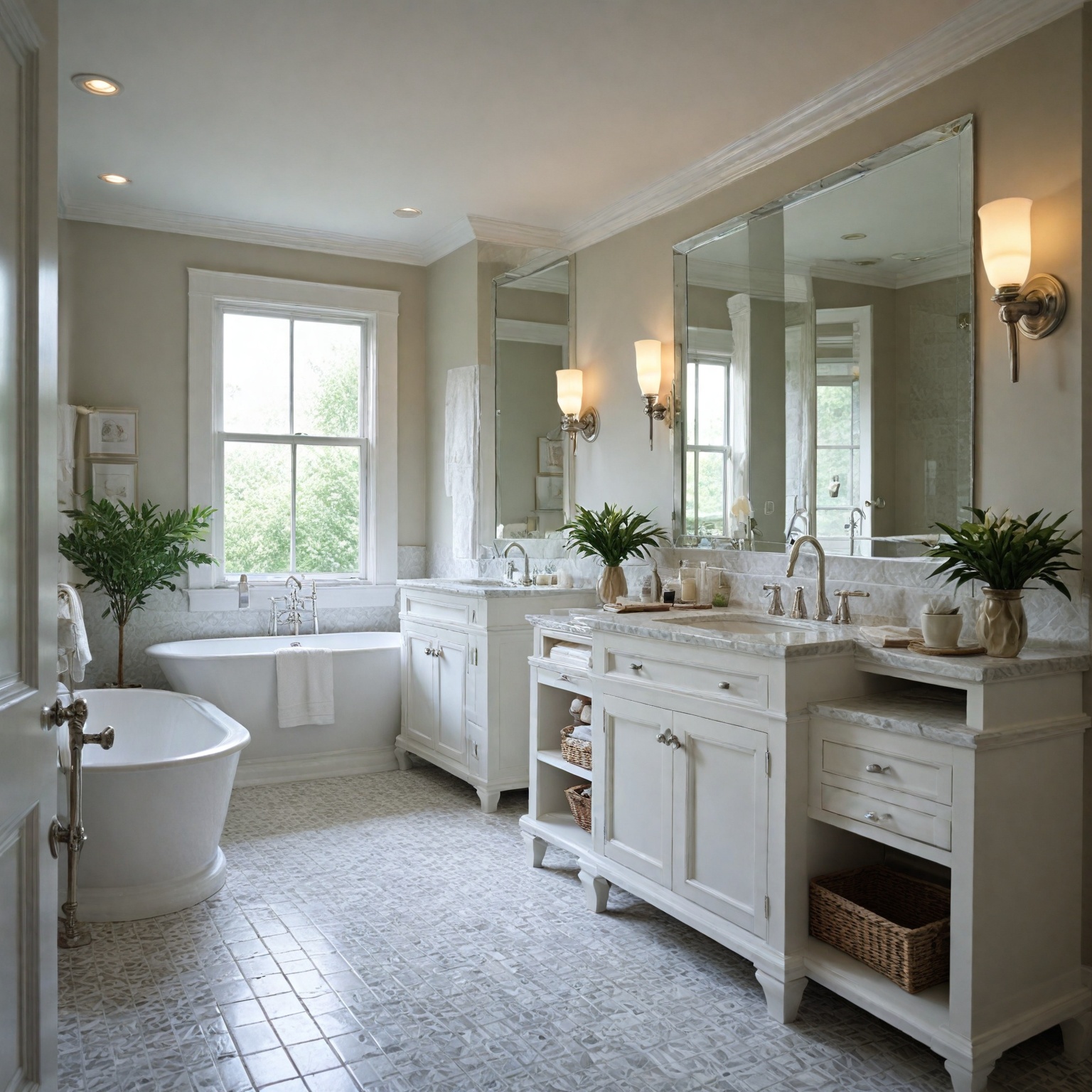
Bathroom design in 2024 reflects a dynamic blend of aesthetics, functionality, and wellness, with experts highlighting several key trends that cater to diverse styles and needs. A prominent feature is the increasing popularity of patterned tile arrangements, particularly geometric layouts such as chevron, basketweave, and herringbone, which provide visual interest without relying heavily on colorful designs. Alongside this, textured stones and natural materials continue to inspire, creating authentic and calming environments that resonate with the growing emphasis on health and wellness.
Color palettes in 2024 show a notable shift towards warm, nurturing tones that foster a sense of comfort and positivity within the home. Soft pinks, especially Antique Rose, emerge as standout choices, blending versatility with timeless appeal. These hues are often paired with neutral shades like Taupe Grey and White Gypsum, which add depth and warmth while maintaining a subtle sophistication. Earthy colors such as mustard and sage also contribute to this warm, nature-inspired spectrum, helping to evoke a cozy yet modern atmosphere.
Lighting design is evolving to create more inviting and relaxing bathroom spaces. A trend gaining momentum is the incorporation of living room–style lighting fixtures that produce a plush, welcoming ambiance while supporting efficient daily routines. Integrated ceiling lighting and backlit mirrors add minimalist elegance and enhance the spatial experience, aligning with the overall goal of fostering a soothing environment. Additionally, mixing metals in fixtures, including brass and matte black finishes, offers both vintage charm and contemporary boldness, allowing for personalized stylistic statements.
Modern bathroom designs in 2024 emphasize minimalism, functionality, and efficient use of space. The use of soft curves in fixtures and cabinetry replaces harsh angles, contributing to a more organic and approachable aesthetic. This is coupled with thoughtful solutions for small bathrooms, such as vertical storage, compact fixtures, and strategic use of light colors and mirrors to visually expand limited spaces. Light tones, pastels, and reflective surfaces play a critical role in enhancing natural and artificial light, creating an airy, open feel even in compact areas.
Vintage and retro influences continue to hold strong, with colors like seafoam green and rich merlot lacquer providing nostalgic yet fresh elements. These choices bridge traditional and contemporary styles, offering character and a sense of harmony when combined with modern fixtures and minimalist layouts. Overall, 2024 bathroom design trends balance timeless appeal with innovation, prioritizing wellness, warmth, and personal expression to create spaces that are both beautiful and functional.
Space Optimization and Layout Strategies
Optimizing space in a bathroom, especially smaller ones, requires a combination of clever storage solutions and efficient layout planning. Vertical storage is a highly effective strategy for maximizing limited space. Utilizing wall space by installing shelves, cabinets, or floating shelves above fixtures such as the toilet or vanity not only increases storage capacity for toiletries and towels but also helps keep the floor area free, creating a more open and less cluttered environment.
When considering bathroom layouts, a common and efficient design for small spaces is the narrow 9×5-foot floor plan, which aligns the vanity, toilet, and tub/shower combination along one wall. This layout simplifies plumbing installation, reducing construction costs, and optimizes functional use of limited space. Planning such a layout effectively involves understanding specific usage requirements to set an appropriate budget and select suitable finishes.
Mirrors play an essential role in space perception in small bathrooms. Strategically placed large mirrors or mirrored cabinets can double the perceived size of the room by reflecting light and enhancing brightness. This visual expansion complements other space-saving tactics and increases the sense of openness. Integrated LED mirrors are increasingly popular, providing uniform, shadow-free lighting that combines functionality with a modern aesthetic.
In addition to storage and fixtures, selecting the right floor plan and materials contributes to both space optimization and design appeal. For example, patterned tile arrangements such as chevron, basketweave, or herringbone can add visual interest without overwhelming the space, helping to create a distinctive focal point that complements a streamlined layout.
Budgeting and Cost Management
Effective budgeting and cost management are essential for a successful bathroom renovation, ensuring the project stays within financial limits while achieving the desired outcome. Homeowners should begin by setting a realistic budget that accounts for all possible expenses, including materials, labor, permits, and unexpected costs.
Establishing the Budget
The size and scope of the bathroom remodel heavily influence the overall cost. For instance, a small bathroom measuring approximately 5×7 feet typically requires a budget between $17,000 and $30,000, while larger bathrooms around 10×10 feet may demand $24,000 or more. On average, homeowners can expect to spend $20,000 to $27,000 on a small bathroom renovation, though prices vary depending on design complexity and material choices.
A general rule of thumb for total remodeling expenses is to allocate between 5% and 10% of the home’s value toward the project. For example, a home valued at $200,000 might justify a bathroom remodel budget ranging from $10,000 to $20,000. Specifically, the average bathroom remodel cost in Atlanta, Georgia, is estimated at $15,941.
Labor Costs
Labor constitutes a significant portion of the budget, often accounting for 40% to 65% of the total renovation cost. Hiring a general contractor is common, who then coordinates specialized subcontractors such as plumbers and electricians. Hourly rates for these professionals typically range from $45 to $85, with electricians generally charging $65 to $85 per hour and plumbers around $45 to $65 per hour. It is crucial to obtain multiple quotes to balance cost and quality, avoiding the pitfalls of choosing the cheapest option which may compromise workmanship.
Materials and Fixtures
Material costs include essential items such as cabinetry, vanities, countertops, and fixtures. High-end products like rain shower systems or designer faucets can substantially increase the budget. Custom or semi-custom cabinetry and premium countertop materials—such as quartz, marble, or granite—are also major contributors to expenses.
Permits and Inspections
Obtaining necessary permits is an often overlooked but important component of the budget. Permit fees vary widely depending on the municipality and project scope. While some remodeling projects may incur permit costs ranging from $150 to $350, bathroom remodels can sometimes involve multiple permits and inspections, potentially increasing fees to several thousand dollars. Homeowners should expect their contractor to factor permit costs into the overall estimate, although it is advisable to verify these charges independently.
Contingency Planning
Unforeseen issues, such as hidden water damage or electrical problems discovered during demolition, frequently cause budget overruns. Experts recommend setting aside a contingency fund of 10-20% of the total project cost to accommodate such surprises. This financial cushion ensures that unexpected challenges do not force compromises on the renovation’s quality or scope.
Final Considerations
Thorough planning and early engagement with contractors facilitate more accurate cost estimates and help avoid delays that could increase expenses. Factoring in potential delays and their associated costs, as well as clearly defining the project scope early on, are critical strategies for effective budgeting and cost control.
Plumbing Considerations
Proper plumbing is a critical element in any bathroom renovation, as it affects both the functionality and safety of the space. To avoid costly repairs and ensure a successful remodel, it is essential to follow expert advice and adhere to plumbing codes and best practices.
Plumbing Codes and Regulations
Understanding and complying with plumbing codes is crucial for every bathroom remodel. The National Uniform Plumbing Code (NUPC) applies nationwide, but local codes may be more stringent and must be consulted before beginning work. Key requirements include proper venting of drainpipes to prevent sluggish drainage and the release of noxious fumes, as well as appropriate spacing between fixtures, especially in compact bathrooms. Additionally, specific trap sizes must be used: 1¼-inch traps for bathroom sinks, 1½-inch for most fixtures, and 2-inch traps for showers and floor drains. Proper sizing of supply lines is also important, generally using ½-inch lines for most fixtures except toilets and bathroom sinks, which require ⅜-inch tubing.
Modern Plumbing Materials and Technologies
Recent advances in plumbing materials offer homeowners durable, cost-effective alternatives to traditional copper pipes. Cross-linked polyethylene (PEX) and other composite materials provide enhanced resistance to rust and corrosion, flexibility in installation, and improved sustainability. These materials are increasingly popular in both new installations and repairs.
Smart plumbing systems are revolutionizing residential bathrooms by integrating advanced technologies that promote water efficiency and convenience. Touchless faucets and sensor-activated toilets, once common in commercial settings, have gained traction in homes due to their hygiene benefits and user-friendly operation. These fixtures reduce the spread of germs by allowing users to control water flow without physical contact.
Water-saving technologies, such as low-flow aerators and efficient flushing mechanisms, are now standard in many modern fixtures, enabling significant conservation without sacrificing performance. Automated leak detection systems, embedded in some smart pipes and fixtures, help identify leaks early, preventing water waste and costly damage.
Design and Functional Enhancements
When renovating, increasing the diameter of drain pipes can improve the overall plumbing system’s efficiency. While not visually apparent, larger drains reduce clogs and facilitate faster drainage of tubs and sinks, enhancing long-term performance. Accessibility features like handheld showerheads are also gaining popularity, providing ease of use for individuals with mobility challenges.
Sustainability remains a central focus, with eco-friendly piping materials and water-conserving fixtures contributing to
Lighting and Fixture Trends
In 2024, bathroom lighting trends emphasize both style and functionality, transforming bathrooms into luxurious, spa-like retreats. One of the standout features this year is illuminated mirrors, which incorporate lighting around their entire perimeter to provide even, shadow-free illumination that enhances both aesthetics and usability. These mirrors serve as elegant focal points, blending practicality with modern design sensibilities.
Layered lighting remains a critical approach to creating the perfect bathroom ambiance. Combining ambient, task, and accent lighting—through recessed ceiling lights, wall sconces, and under-cabinet lights—eliminates shadows and highlights key areas, offering a balanced and visually appealing environment. Backlit surfaces, such as vanities, mirrors, and shower walls, are also gaining popularity, adding depth and a soft glow that elevates the overall atmosphere.
Pendant lights continue to make a statement in modern bathroom design. Their elegant suspension from the ceiling draws the eye upward and introduces a sculptural element to the space. Designers often experiment with globe-shaped bulbs or groupings of matching pendants to add playful geometric accents. Wall sconces and recessed lighting complement these fixtures, strategically illuminating important zones while enhancing the sense of spaciousness even in smaller bathrooms.
The trend toward mixing metals in fixtures and finishes has returned, combining brass with other metal tones to create a sophisticated, layered look. Vintage elements, such as those found in collaborations with brands like Kohler, are also enjoying renewed popularity, proving that classic styles continue to resonate with contemporary bathroom designs.
Beyond aesthetics, lighting fixtures increasingly incorporate smart technology, allowing for features like color changing and automated adjustments to suit mood and task requirements. However, some smart lighting solutions may require additional hardware to maximize their effectiveness. This integration of innovation and style reflects a broader movement toward enhancing both the functionality and ambiance of bathroom spaces.
Step-by-Step Renovation Process
Planning a bathroom renovation begins with clearly defining the scope of your project. This could range from simply updating a few fixtures and repainting, to a complete gut renovation involving new flooring, cabinetry, and fixtures throughout the space. Understanding the extent of your remodel is essential as it greatly influences your budget and timeline, especially if structural changes such as rerouting plumbing or electrical systems are involved.
The initial phase involves gathering inspiration and organizing your ideas, often through tools like Pinterest boards or detailed spreadsheets. Creating a comprehensive checklist helps ensure no essential item or task is overlooked during the renovation. Early in the planning, it is important to nail down your renovation plans to minimize unexpected costs, particularly during the tearout phase when hidden damages are frequently uncovered.
Once the project scope is defined, consider the permitting requirements and inspections mandated by your local jurisdiction. Obtaining permits is crucial for compliance with building codes, structural safety, and quality assurance. Permitting costs vary depending on the project’s scale and location; for example, a $100,000 renovation may incur approximately $1,000 in permit fees, and inspectors typically visit the site multiple times to approve each stage of work before progress continues. Permits also ensure that work such as plumbing and electrical installations meet regulatory standards, which helps avoid costly future repairs or safety hazards.
Next, focus on material selection and design choices. Material costs can fluctuate widely based on options like porcelain tiles versus imported stone, or acrylic fixtures versus high-end custom cabinetry and countertops made from marble or granite. Labor costs should also be anticipated, especially for specialty trades including plumbing, electrical, and tile installation, which can become significant if unexpected complications arise.
During the renovation, adherence to plumbing and electrical codes is mandatory. For instance, electrical panels cannot be installed in bathrooms, and switches or receptacles are prohibited within bathtub or shower spaces to prevent hazards. Additionally, new plumbing fixtures must comply with water conservation standards in many regions. Recent industry advances include the integration of smart plumbing systems, tankless water heaters, and touchless fixtures, which can enhance bathroom functionality and efficiency.
The design phase often incorporates current trends such as geometric tile patterns like chevron or herringbone and innovative lighting solutions including backlit mirrors and integrated ceiling lighting to create a modern minimalist aesthetic. Color and finish choices, like high-gloss paints, can visually expand small bathrooms by reflecting light and adding depth.
Finally, throughout the process, regular inspections ensure that each stage meets safety and quality standards before proceeding. These inspections protect the homeowner by identifying potential issues early and confirming that the renovation adheres to all applicable codes and regulations. By carefully following these steps, homeowners can effectively manage their bathroom renovation to achieve a successful and satisfying transformation.
Common Mistakes and How to Avoid Them
One of the most frequent errors homeowners make during bathroom renovations is neglecting to obtain the necessary permits. Failing to apply for permits or deviating significantly from submitted renovation plans can lead to serious complications, including penalties and fines from local authorities. Permits ensure that the remodel adheres to local building and energy codes, guaranteeing structural integrity and safety. Moreover, inspections conducted throughout the process verify that work is done correctly and identify potential issues early on for correction.
Another common pitfall is underestimating the budget, especially concerning labor costs and potential delays. Labor often constitutes a large portion of the total renovation budget, and unexpected delays can add inconvenience and additional expenses. To avoid budget overruns, it is essential to get multiple quotes from different contractors and avoid simply choosing the cheapest option, which may compromise the quality of the remodel. Laying down a detailed plan early on facilitates more accurate budgeting and cost estimation.
Homeowners should also be wary of surprise costs during the tearout phase. Opening walls and floors can reveal hidden damages that require costly repairs, which often catch renovators off guard. Careful planning and allowance for contingencies can help mitigate these unexpected expenses.
Space planning is critical, especially in smaller bathrooms. Poor layout choices, such as placing fixtures too close together or ignoring plumbing code requirements like proper venting of drainpipes, can lead to functional problems and unpleasant odors. Thoughtful arrangement of fixtures and adherence to plumbing codes not only enhance usability but also prevent future issues.
Finally, overlooking the impact of lighting and material choices can affect both the functionality and aesthetic appeal of the bathroom. Incorporating layered lighting—including recessed ceiling lights, sconces, under-cabinet lighting, and backlit surfaces—can create an inviting atmosphere and highlight key areas. When selecting materials, balancing cost with durability and style ensures that the renovation remains both beautiful and budget-friendly. Additionally, mixing metal finishes and incorporating vintage design elements can provide timeless appeal and avoid trendy choices that quickly date the space.
Tips and Best Practices
When embarking on a bathroom renovation, careful planning and strategic decisions can significantly improve the outcome while keeping costs manageable. Expert advice is invaluable for understanding design possibilities, budgeting accurately, and knowing what to ask professionals during the hiring process. Whether updating fixtures or performing a full gut remodel, being informed helps avoid costly mistakes and streamlines the renovation experience.
Maximize Small Bathroom Spaces
Optimizing space is crucial in smaller bathrooms to create a more open, organized, and functional environment. One of the most effective strategies is embracing vertical storage solutions such as shelves, cabinets, or floating shelving above the toilet or vanity. This approach frees up floor space while providing ample room for toiletries and towels, making even compact bathrooms feel less cluttered.
Additionally, choosing space-efficient fixtures designed for smaller footprints can make a significant difference. Thoughtful fixture selection not only enhances usability but also complements modern interior design trends for 2024.
Incorporate Water Efficiency and Sustainability
Sustainability is increasingly important in contemporary bathroom renovations. Incorporating innovations like low-flow aerators and efficient flushing toilets helps reduce water consumption without sacrificing performance. These upgrades contribute to long-term cost savings and environmental responsibility, aligning with the growing trend toward sustainable living.
Plan for Electrical and Plumbing Updates
Older homes may require extensive electrical and plumbing upgrades to meet current safety standards, which can add unexpected expenses and extend renovation timelines. Full gut remodels especially demand skilled craftsmen to handle these complexities, increasing labor costs and the overall investment needed. Homeowners should factor in these considerations during the budgeting and planning phases.
Modern Lighting and Fixtures
Bathroom lighting is evolving with a focus on innovative, sustainable technologies that improve both aesthetics and functionality. Integrating modern fixtures and smart lighting solutions enhances daily routines, from morning preparations to relaxing evening baths, making the space more comfortable and inviting.
Use Comprehensive Guides and Resources
To navigate the complexities of bathroom renovations, leveraging comprehensive resources such as detailed guides, checklists, and video masterclasses can be highly beneficial. These tools provide step-by-step systems proven to save time and money, helping homeowners renovate smarter and with greater confidence.
Case Studies and Examples
Several design professionals and renovation experts have shared insights and real-world examples that illustrate key trends and practical approaches in bathroom remodeling for 2024. These case studies not only highlight innovative design choices but also emphasize strategic planning to avoid common pitfalls.
One notable trend showcased by Brittany Zwickl and Jessica Dorling involves the increased popularity of patterned tile arrangements such as chevron, basketweave, and herringbone layouts. These geometric patterns serve as focal points in bathroom floors and walls, providing a sophisticated yet subtle visual interest without relying heavily on color. Complementing this, backlit mirrors and integrated ceiling lighting create minimalist and modern atmospheres, pushing bathroom aesthetics beyond traditional designs.
From a spatial planning perspective, Michelle Berwick Design demonstrates the effectiveness of minimalism in larger bathrooms. Their approach centers around creating open space around a standout element—a soaking bathtub positioned in front of a large window—emphasizing both functionality and tranquility. Additionally, the concept of wet rooms is presented as an excellent solution for maximizing smaller bathroom areas, enhancing usability while maintaining a sleek appearance.
In terms of project execution and budget management, several experts advise engaging professionals early in the process. Jessica Helgerson highlights the risk of homeowners prematurely demolishing spaces without adequate planning, underscoring the value of hiring specialists skilled in space planning to eliminate guesswork and ensure designs that function well in reality. Furthermore, incorporating a detailed budget that includes materials, labor, permits, and contingency funds is critical to managing renovation costs and avoiding surprises, especially during high-risk phases like tearout when hidden damages may surface.
Another practical example comes from Australian homeowners who utilize the “Bathroom Blueprint” guide—a comprehensive, physical resource that streamlines renovation planning by offering checklists, timelines, and expert advice. This system has helped many achieve faster renovations while avoiding costly mistakes, illustrating the power of structured guidance throughout the remodeling journey.
Finally, industry insights emphasize the importance of selecting contractors carefully. Rather than simply opting for the lowest bid, obtaining multiple quotes and evaluating quality and reliability help ensure a successful remodel. Incorporating potential delays and associated costs into the project timeline further prepares homeowners to handle unforeseen inconveniences with less stress.
Collectively, these examples and expert perspectives form a robust foundation for homeowners seeking inspiration and practical wisdom to undertake their bathroom renovation with confidence and clarity.
The content is provided by Harper Eastwood, Home Upgrade News