Summary
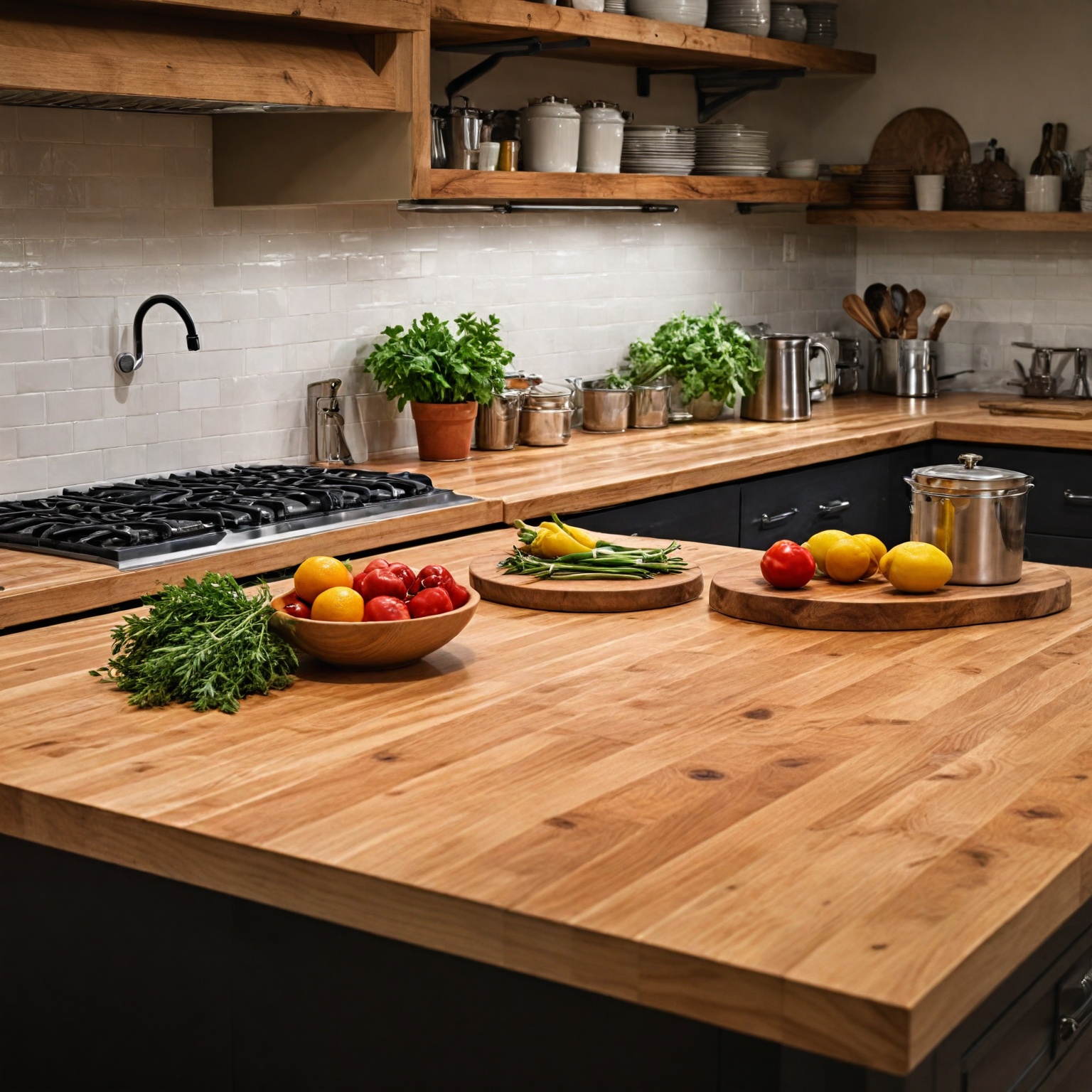
Butcher block countertops are wooden surfaces crafted by laminating strips or blocks of hardwood, traditionally used for meat cutting and food preparation. Originating several centuries ago—likely in China before spreading to Europe—these countertops have evolved from large, utilitarian butcher’s blocks to versatile kitchen features valued for both their functionality and natural aesthetic appeal. Commonly made from durable hardwoods such as maple, oak, cherry, walnut, teak, and acacia, butcher blocks are prized for their resilience, ease of maintenance, and the warmth they bring to kitchen design.
The construction of butcher blocks varies primarily by wood grain orientation: face grain, edge grain, and end grain. End-grain butcher blocks, featuring vertically oriented wood fibers, offer superior resistance to knife marks and wear, making them ideal for heavy chopping tasks but typically come at a higher cost and require more maintenance. Edge-grain blocks provide a durable and visually appealing surface with less maintenance demand, while face-grain blocks, though less common, showcase broad wood patterns but are more susceptible to damage. To maintain their durability and food safety, butcher block countertops require regular oiling or sealing with food-safe finishes, ranging from mineral oils to specialized polyurethane or catalyzed varnishes.
In recent years, butcher block countertops have experienced a resurgence in popularity, influenced by design trends favoring natural materials and farmhouse aesthetics popularized by figures such as Joanna Gaines and television shows like HGTV’s Fixer Upper. Their eco-friendly appeal is enhanced by the use of sustainably sourced or reclaimed hardwood, supporting environmental sustainability and reducing waste in wood product manufacturing. Besides functionality, butcher blocks contribute to kitchen value by offering a unique, warm alternative to stone or synthetic surfaces, though they require more maintenance and are more prone to scratches and water damage than materials like granite or quartz.
Despite their benefits, butcher block countertops face criticism regarding their vulnerability to staining, dents, and the ongoing upkeep necessary to preserve their appearance and food-safe qualities. Proper installation, finishing, and consistent care are essential to prevent warping and extend lifespan. Nonetheless, butcher blocks remain a favored choice for homeowners seeking a blend of natural beauty, practicality, and sustainable design in their kitchens.
History and Origin
Butcher blocks trace their origins back several centuries, with early forms believed to have originated in China before spreading through Europe and eventually around the world. Traditionally, butcher blocks were used by butchers as cutting surfaces for meat and were typically made from laminated hardwoods such as hard maple, chosen for their durability and resistance to wear. In the early 19th century, to withstand rigorous chopping without damaging tools, craftsmen developed end-grain construction techniques, orienting wood fibers vertically to create a tough and resilient surface.
By the late 19th century, particularly in the United States, two companies founded in Michigan and Illinois during the late 1870s played a significant role in popularizing butcher blocks as we know them today. Prior to this, butchers commonly used sections of sycamore logs as cutting surfaces. Over time, as local butcher shops declined and fewer people carved meat at home, smaller butcher blocks were repurposed by homeowners as small countertops or tabletops. This shift led to adaptations in design, making butcher blocks less “blocky” and more integrated into standard countertop styles.
Despite competition from granite and other countertop materials, butcher blocks experienced a resurgence in popularity around 2015, partly influenced by the country cottage and farmhouse styles popularized by interior designers like Joanna Gaines and shows such as HGTV’s Fixer Upper. Today, butcher blocks serve multiple purposes beyond meat cutting—they are used for chopping vegetables, slicing bread, and as attractive countertop or table accents, prized for their natural wood grain that adds warmth and character to kitchens.
Materials and Types
Butcher block countertops are crafted from a variety of wood species, each offering distinct characteristics in terms of hardness, appearance, and durability. There are at least 14 different types of wood commonly used for butcher blocks, ranging from softwoods to hardwoods, with considerable variation across dimensions like grain pattern and resistance to wear.
Wood Species
Hardwoods are generally preferred over softwoods for butcher block countertops due to their superior durability and ease of maintenance. Common hardwood choices include maple, cherry, walnut, oak, acacia, and teak. These woods not only provide excellent longevity but also bring aesthetic appeal to kitchen designs.
– Maple: Particularly hard maple is favored for its light blonde color and remarkable hardness, making it a top choice for kitchen work surfaces. It pairs well with various kitchen styles and cabinetry colors, and its dense grain helps resist scratches and dents. Hard maple has been a longstanding material for butcher blocks, with some in use for decades.
– Oak: Oak is strong, resilient, and moisture-resistant, making it suitable for butcher blocks as well as other woodworking applications like flooring and cabinetry. It has a high Janka hardness score and is available in red and white varieties, each bringing unique color tones to the countertop.
– Cherry: Known for its warm, rich reddish hues, cherry wood adds elegance and depth to kitchen countertops. However, it is relatively softer compared to other hardwoods and may require more maintenance to avoid dents and scratches.
– Walnut: Walnut features a deep, dark coloration ranging from brown to purplish-black and a tight grain pattern. It is considered a luxurious option that adds sophistication to kitchen designs while maintaining good durability.
– Teak: Teak is prized for its natural water resistance, hardness, and scratch resistance, making it ideal for kitchens where exposure to moisture is frequent. Although more expensive, teak’s combination of beauty and reliability often places it in high-end kitchen installations.
– Acacia: Acacia is an extremely hard and dense wood, making it resistant to dents and scratches. It provides a solid, durable surface that can withstand heavy use in the kitchen environment.
Softwoods like fir and pine, despite their attractive look and cost-effectiveness, are generally unsuitable for butcher block countertops due to their softness and proneness to dents and scratches. They also require extensive maintenance and do not hold up as well as hardwoods under regular kitchen use.
Bamboo and certain sustainably farmed exotic woods such as wenge, zebrawood, and iroko are also utilized for butcher block construction, especially in end-grain configurations, offering unique aesthetic options while aligning with eco-friendly preferences.
Construction Types
The most common butcher block type is the edge-grain construction, where boards are placed on their sides and glued so that the narrower edges form the surface. This method creates a distinctive striped pattern and provides a clean, modern look. Edge-grain countertops are less prone to warping or cupping due to the orientation of the wood fibers, offering stability and durability for kitchen work surfaces.
Other configurations include end-grain butcher blocks, often favored for their superior resistance to knife marks and wear, though these are less commonly used for full countertops and more typical in cutting boards and smaller surfaces.
Maintenance and Finish
Maintaining butcher block countertops involves regular oiling to preserve their finish and enhance their natural resistance to moisture and stains. Food-safe oils and conditioners, such as those by Howard, are commonly recommended for this purpose. Proper finishing not only protects the wood but also ensures that the surface remains safe for food preparation.
Sealing products like Waterlox are sometimes used on woods such as oak to provide a durable, protective finish that withstands daily use without significant wear over multiple years. The choice of finish can affect both the durability and the aesthetic quality of the butcher block countertop.
Construction and Design
Butcher block countertops are constructed by gluing together strips or planks of wood to create a thick, durable surface suitable for kitchen use. The primary decision in their construction involves the orientation of the wood grain, which significantly influences the countertop’s durability, appearance, and maintenance requirements.
There are three main types of grain orientations used in butcher block design: face grain, edge grain, and end grain. Face grain, also known as flat grain, displays the broad, flat surface of the wood plank. While face grain countertops showcase a natural wood pattern, they tend to show knife marks more quickly and are therefore less common for butcher block use.
Edge grain countertops are made by laying wood strips on their narrow edges, displaying the wood’s long grain. This orientation offers a durable surface that is somewhat more resistant to knife damage than face grain and is often favored for baking and food preparation tasks. Edge grain blocks can be made thinner than end grain versions due to the lateral strength of the grain, making them practical for many kitchen applications.
End grain butcher blocks are constructed by orienting the wood so the ends of the wood strips face upward, revealing the tree’s growth rings. This grain orientation results in the most durable and resilient surface, as knives tend to cut between the wood fibers rather than across them. End grain butcher blocks are often thicker—commonly at least 2 inches—and offer superior resistance to wear and tear, making them ideal for heavy cutting and chopping tasks. However, they require more frequent oiling due to faster oil evaporation and typically come at a higher cost due to their complex construction.
Design-wise, butcher block countertops bring warmth and natural beauty to kitchen spaces, pairing well with a variety of color schemes and styles. They are available in various wood species such as oak, maple, walnut, and hickory, each contributing unique tonal and grain patterns that enhance the visual appeal of the kitchen. The use of premium, full-length hardwood staves is common in high-quality edge grain butcher blocks to ensure durability and consistent appearance. Additionally, custom butcher blocks can be precision cut using CNC equipment to exact specifications, offering flexibility in kitchen design and installation.
Thickness and support are important considerations in butcher block countertop design. While edge grain blocks can be somewhat thinner, end grain blocks often require additional thickness and structural support, especially for overhangs greater than 2 1/2 inches, which should be supported with corbels to prevent sagging or damage. The final product not only serves as a functional food prep area but also acts as a warm, sustainable centerpiece in the kitchen, blending practicality with aesthetic appeal.
Finishing Techniques
Butcher block countertops require proper finishing to enhance durability, maintain their natural beauty, and ensure safety for food preparation. The choice of finish impacts water resistance, maintenance frequency, and suitability for direct food contact.
Oil Finishes
Oiling is one of the most common and recommended methods to finish butcher block surfaces. Regular application of oils such as mineral oil, tung oil, or specialized butcher block oils helps maintain the wood’s appearance and increases its resistance to moisture and stains. Mineral oil is a tried-and-true finish that is food-safe and easy to apply, but it generally requires frequent reapplication to maintain protection.
Tung oil, especially 100% pure tung oil, is praised for its durability and ability to keep countertops looking excellent even after heavy use; it also serves multiple household applications beyond countertops, such as finishing trim or resealing wooden tool handles. Butcher block oil formulations, like General Finishes Butcher Block Oil, are specifically designed for kitchen use and are recommended when the surface will be used for food preparation, including cutting and chopping.
Polyurethane and Catalyzed Finishes
Water-based polyurethane and catalyzed finishes, such as General Finishes Conversion Varnish, offer higher water resistance and a more durable coating compared to oils alone. These finishes provide a protective layer that can reduce maintenance frequency, but care must be taken to choose food-safe options. For instance, Waterlox is a popular finish that offers a hard, water-resistant surface and is inert once fully cured, making it safe for food contact; however, it tends to require more maintenance when damage occurs and is available in VOC-compliant formulations. Some finishes like Monocoat and Osmo Top Oil combine the benefits of oil finishes with enhanced protection and reduced maintenance, earning praise for toughness and food safety.
Specialized Sealers for High Moisture Environments
For kitchens with high water exposure, epoxy coatings or professional two-step catalyzed finishes are recommended to ensure the butcher block surface remains water-resistant and durable over time. These specialized finishes can be applied by professional dealers and are particularly suited for surfaces that will be frequently exposed to moisture or direct food contact.
Maintenance and Safety Considerations
Regardless of the finish chosen, regular maintenance such as re-oiling or cleaning is necessary to preserve the butcher block’s appearance and protective qualities. It is essential to use food-grade finishes that are inert once cured, especially if the countertop will be used for direct food preparation. Some finishes are specifically formulated to be food-safe and easy for end-users to maintain, such as Howard’s Butcherblock Conditioner or cutting board oils.
Benefits and Advantages
Butcher block countertops offer a unique combination of aesthetic appeal, practicality, and value that make them a popular choice in both residential and commercial kitchens. One of the primary benefits is their ability to add warmth and natural beauty to a space by showcasing the rich textures and tones of hardwoods like maple, oak, and reclaimed wood. This can enhance the overall design, especially for those seeking wood accents or a rustic flair in their kitchen décor.
Beyond their visual appeal, butcher block countertops are also highly practical. They provide a durable surface that is more sanitary than plastic, making them well-suited for everyday food preparation. The wood surface is gentle on knife edges, which helps preserve the sharpness of kitchen tools over time. Additionally, butcher block countertops can increase a home’s value by offering a distinctive and appealing feature that differentiates a kitchen from those with more conventional materials like granite or tile.
When it comes to customization, while butcher block countertops may not offer the extensive range of colors and patterns found in natural stone or engineered quartz, they do provide options through the choice of wood species, grain orientation (edge grain, face grain, or end grain), and finishes. These factors allow homeowners to select a look that complements their kitchen style, from sleek and modern to traditional and rustic.
From a maintenance perspective, butcher block countertops require regular oiling to maintain their protective barrier and to keep the wood from drying out or staining. Though this maintenance commitment is more involved than with stone or quartz surfaces, advancements in finishing options—such as the use of Waterlox and other durable sealers—have improved the countertops’ resistance to water damage, heat, and wear. These finishes are food safe once cured and offer a balance between protection and ease of repair, helping butcher block countertops retain their beauty and functionality over several years of daily use.
Moreover, the use of reclaimed wood in butcher block production supports environmentally friendly practices by repurposing materials, which appeals to eco-conscious consumers seeking sustainable kitchen solutions.
Installation Process
The installation of butcher block countertops begins with selecting high-quality hardwood staves, which are laminated together using food-safe adhesives to create a durable, stable, and visually appealing surface. Before installation, the lumber undergoes a rigorous drying process in enormous kilns heated by boilers fueled by sawdust and wood scraps from the manufacturing process. This drying period lasts nearly a month to ensure the wood is properly cured, which is essential for the longevity and stability of the countertop.
Once dried, the lumber is planed and sanded to produce a flat and smooth surface. All butcher block surfaces, whether blended, edge, or end-grain, are sanded down with 200-grit sandpaper to create a silky smooth cutting surface. Before leaving the manufacturing plant, the butcher block is treated with food-safe mineral oil or board cream to protect the wood and enhance its appearance.
During installation, it is crucial to finish all sides of the butcher block, not just the top surface, to prevent moisture ingress and warping. Many experienced installers recommend applying finishes such as Waterlox Original or satin sealer/finish, which have proven durability over several years of daily use with minimal wear. For areas with high water exposure, professional two-step catalyzed finishes like General Finishes Conversion Varnish or epoxy coatings provide enhanced water resistance and durability.
Sanding the butcher block countertop before sealing is an important step to achieve a pristine finish. Using finer-grit sandpaper,
Maintenance and Care
Butcher block countertops, while offering warmth and natural beauty, require regular maintenance to keep them in good condition and ensure their longevity. Unlike non-porous surfaces like granite or quartz, butcher block is vulnerable to scratches, stains, burns, and water damage, which necessitates consistent care and upkeep.
Oiling and Finishing
Regular oiling is essential to protect the wood from drying out and to maintain its resistance to moisture and stains. Food-safe oils, such as mineral oil, are commonly recommended due to their safety and ease of application. Howard’s Cutting Board Oil and Butcherblock Conditioner are examples of widely used products that provide good protection and are safe for food preparation surfaces. General Finishes Butcher Block Oil is another product suggested specifically for prepping or chopping areas.
More durable finishes, such as Osmo Top Oil and similar resin-based oils like Monocoat, offer enhanced protection and reduce the frequency of reapplication compared to mineral oil. Osmo Top Oil, in particular, has been praised as one of the toughest oil finishes available, providing superior long-term durability. However, finishes with resin components may require more involved repair work if damaged.
Repair and Refinishing
Butcher block countertops can be restored to a like-new appearance even after years of heavy use. Sanding the surface with finer-grit sandpaper (around 150-grit) using minimal pressure and slow, deliberate strokes can effectively remove scratches, dents, and stains. After sanding, reapplying the chosen oil or finish replenishes the protective barrier and restores the countertop’s aesthetic appeal.
Maintenance Considerations
Despite their charm and functionality, butcher block countertops demand ongoing attention. Users should expect to perform regular maintenance, including cleaning, oiling, and occasional refinishing, to manage wear and tear. For those seeking a low-maintenance surface, materials like quartz or laminate may be preferable options, as butcher block inherently requires more care.
Uses and Applications
Butcher block countertops have evolved from their traditional role in butcher shops and meat processing plants, where they were primarily made from hard maple to withstand heavy chopping and cutting tasks. Today, they are widely used in residential kitchens for a variety of purposes, including chopping vegetables, slicing bread, and serving as attractive countertop or table accents that add warmth and character through their natural wood grain.
In modern kitchens, butcher block surfaces can be utilized in several ways. They may cover the entire working space as wood countertops, serve as the surface of a kitchen island, or function simply as large cutting boards integrated into the kitchen design. Their versatility allows them to complement various kitchen styles and pair well with other materials such as natural stone countertops, creating a balanced and stylish aesthetic.
Butcher block is also applied beyond countertops; it is commonly used on cutting boards, utensils, and bowls due to its durability and appealing finish. The wood’s ability to blend seamlessly with different design elements makes it popular among homeowners seeking a calm, tranquil kitchen environment, often enhanced by tone-on-tone combinations with cabinetry and contrasting wall finishes.
While butcher block countertops offer a visually pleasing surface, they are generally more susceptible to stains, dents, and scratches compared to other materials. Therefore, certain types like face-grain butcher block are better suited as accent surfaces rather than high-performance daily work areas. For users needing more water resistance or durability, specialized finishes such as epoxy coatings or professional two-step catalyzed finishes are recommended to extend the lifespan and functionality of the butcher block surfaces.
The choice of wood species further influences the application and performance of butcher block countertops. Hardwoods like maple, cherry, walnut, oak, acacia, and teak are favored for their superior durability, ease of maintenance, and aesthetic appeal. Cherry wood, in particular, is noted for imparting warmth and elegance to kitchen spaces.
Environmental Impact and Sustainability
Butcher block countertops offer notable environmental benefits, particularly when constructed from reclaimed or sustainably sourced hardwoods. Reclaimed wood, which is processed from previously used materials harvested for new applications, reduces the demand for virgin timber and minimizes waste by repurposing wood that might otherwise be discarded. This practice supports sustainable resource management by extending the lifecycle of existing materials and reducing deforestation.
Moreover, many manufacturers focus on using local materials to further lower the environmental footprint associated with transportation and extraction. Utilizing hardwood species such as maple, cherry, walnut, oak, acacia, and teak—known for their durability and longevity—means these countertops often have a longer lifespan compared to softer woods that require frequent replacement or repair. This durability helps decrease the need for resource consumption over time.
Additionally, the production of butcher block countertops frequently incorporates leftover wood from furniture manufacturing and hardwood flooring industries, effectively reducing waste and promoting a circular economy within the wood products sector. Over time, these wood surfaces develop unique, charming patterns that enhance their aesthetic value without additional environmental cost.
While water damage has historically been a concern, advances in finishing options that provide effective sealing have improved the longevity and sustainability of butcher blocks by reducing the need for frequent refinishing or replacement. This contributes to a more sustainable kitchen solution by maintaining the integrity of the countertop over many years.
Comparison with Other Countertop Materials
Butcher block countertops present a unique blend of affordability, durability, and aesthetic appeal that distinguishes them from other popular countertop materials such as granite, quartz, and laminate. One of the primary advantages of butcher block is its cost-effectiveness and relative ease of installation compared to heavier and more expensive materials like granite. While granite countertops require professional handling due to their weight and can be costly, butcher block offers a more accessible option without sacrificing visual appeal, making it a practical choice for many homeowners.
Aesthetically, butcher block countertops provide a warm, natural wood surface that complements a variety of kitchen styles—from Farmhouse to Contemporary—and pairs well with other materials like white quartz, creating a balanced and inviting design. The versatility of wood tones and grain patterns, including edge grain, face grain, and end grain options, allows for customization that can rival the extensive patterns found in stone surfaces, though the variety in butcher block is generally narrower than that of granite or engineered quartz.
However, butcher block does have notable drawbacks compared to other surfaces. It is more susceptible to scratches, dents, stains, and burns, making it less suitable for high-performance, heavy-use areas. This sensitivity necessitates regular maintenance, such as oiling, to protect the wood and prolong its lifespan—a commitment not required with more durable, low-maintenance materials like quartz or laminate. In contrast, laminate countertops are known for their long-term serviceability and minimal upkeep, though they lack the natural beauty of wood or stone surfaces.
Interior Design Integration
Butcher block countertops offer a versatile and aesthetically pleasing option that can add depth, warmth, and practicality to various kitchen styles. Their natural wood texture and color provide a distinctive design element that harmonizes well with both bold and neutral color palettes, making them suitable for diverse interior design themes.
One of the key advantages of butcher block countertops is their ability to balance and complement vibrant or complex kitchen color schemes. For example, natural wood countertops can temper the intensity of colorful cabinetry, such as navy blue or mustard yellow, and unique wall colors like pink or limewash. This balance helps prevent the overall design from becoming overwhelming while emphasizing hardware and other accents. Additionally, when paired with natural or stained hardwood flooring, butcher block counters enhance the warmth and cohesiveness of the kitchen space by echoing the wood tones and grain patterns found elsewhere in the room.
Incorporating butcher block countertops alongside matching or complementary wood backsplashes can further unify the kitchen’s appearance. Designers often experiment with different wood species or employ textural elements such as wood panels or beadboard-style wainscoting to add visual interest and tactile variety to the backsplash area. This layering of wood surfaces allows for personalized creativity while maintaining a harmonious natural aesthetic. Neutral wall colors typically provide a subtle backdrop that highlights the warmth of the wood, though thoughtful use of color can also enrich the overall design when coordinated carefully with the butcher block’s tone.
Beyond color and texture considerations, butcher block countertops are appreciated for their timeless appeal. Unlike some kitchen trends that may age poorly, butcher block surfaces maintain a classic, functional charm whether used as full countertop coverage, island surfaces, or as accent cutting boards integrated into the kitchen layout. This enduring versatility ensures that kitchens featuring butcher block elements remain stylish and practical over time.
Cost and Pricing
The cost of butcher block countertops varies widely based on several factors, including the type of wood used, the grain construction, the thickness of the block, and labor and installation expenses in a given area. Generally, prices can range from $25 to $100 per square foot, which encompasses both the purchase price and installation costs.
For a typical American kitchen countertop size of about 30 square feet, plus an additional island, the total cost can range from approximately $1,250 on the lower end to nearly $5,000 on the higher end. Custom-made, high-quality butcher block countertops tend to be more expensive, with prices ranging from $75 to $150 per square foot depending on the craftsmanship and materials involved.
The construction method also significantly influences pricing. Butcher block countertops are made by arranging wood pieces in different grain patterns—face grain, edge grain, end grain, or blended. End-grain countertops, known for their distinctive checkerboard appearance and superior durability, are typically the most expensive due to the complexity of construction and the quantity of wood pieces, glues, and resins required to create the surface.
Common Myths and Misconceptions
One common misconception about butcher block countertops is that they are always large, bulky slabs exclusively used for heavy-duty meat preparation. In reality, butcher blocks have evolved significantly over time. Originally designed as large blocks for cutting meat, they have been resized and repurposed to fit modern household needs. As local butcher shops became less common and fewer people carved meat at home, the butcher block shrank in size and found new life as smaller countertops, tabletops, or even decorative furniture pieces in homes.
Another myth is that butcher block surfaces are rare or unfamiliar to most people. However, many individuals have likely encountered butcher block without realizing it, particularly through cutting boards. These smaller items are often constructed in the same manner as larger butcher block slabs used for kitchen islands and countertops, making butcher block more common and accessible than commonly assumed.
These misconceptions often lead to underappreciation of butcher block’s versatility and practical design, which has allowed it to adapt and maintain relevance in contemporary kitchens.
Frequently Asked Questions (FAQ)
What is a butcher block?
A butcher block is a type of wooden countertop or work surface traditionally used for cutting and preparing food. The term has become increasingly popular in the kitchen and wood top industry over recent years. Butcher blocks originated in China several centuries ago and gradually spread through Europe and worldwide, distinguishing themselves from regular wood countertops by their construction and durability.
What types of wood are commonly used for butcher blocks?
Common woods used for butcher blocks include hickory, maple, walnut, and oak. These are typically American-grown lumber, prized for their hardness, durability, and suitability for food preparation surfaces.
Can I order a custom butcher block countertop?
Yes. Many companies offer custom butcher block countertops, tabletops, kitchen islands, desktops, and bar tops. When ordering, customers can expect fast service, careful attention to detail, and precision cutting using CNC equipment to ensure exact measurements and minimize human error.
How is a butcher block different from a regular wood countertop?
Butcher blocks are specifically designed for cutting and food preparation, often constructed with end grain or edge grain techniques that make them more durable and resistant to knife marks compared to regular wood countertops. This construction also gives butcher blocks a distinctive appearance and superior longevity.
**Are butcher blocks environmentally friendly?
Many butcher blocks are made from 100% American-grown lumber, which supports sustainable forestry practices. Additionally, wooden countertops can be maintained and refinished over time, extending their usable life and reducing waste.
The content is provided by Avery Redwood, Home Upgrade News