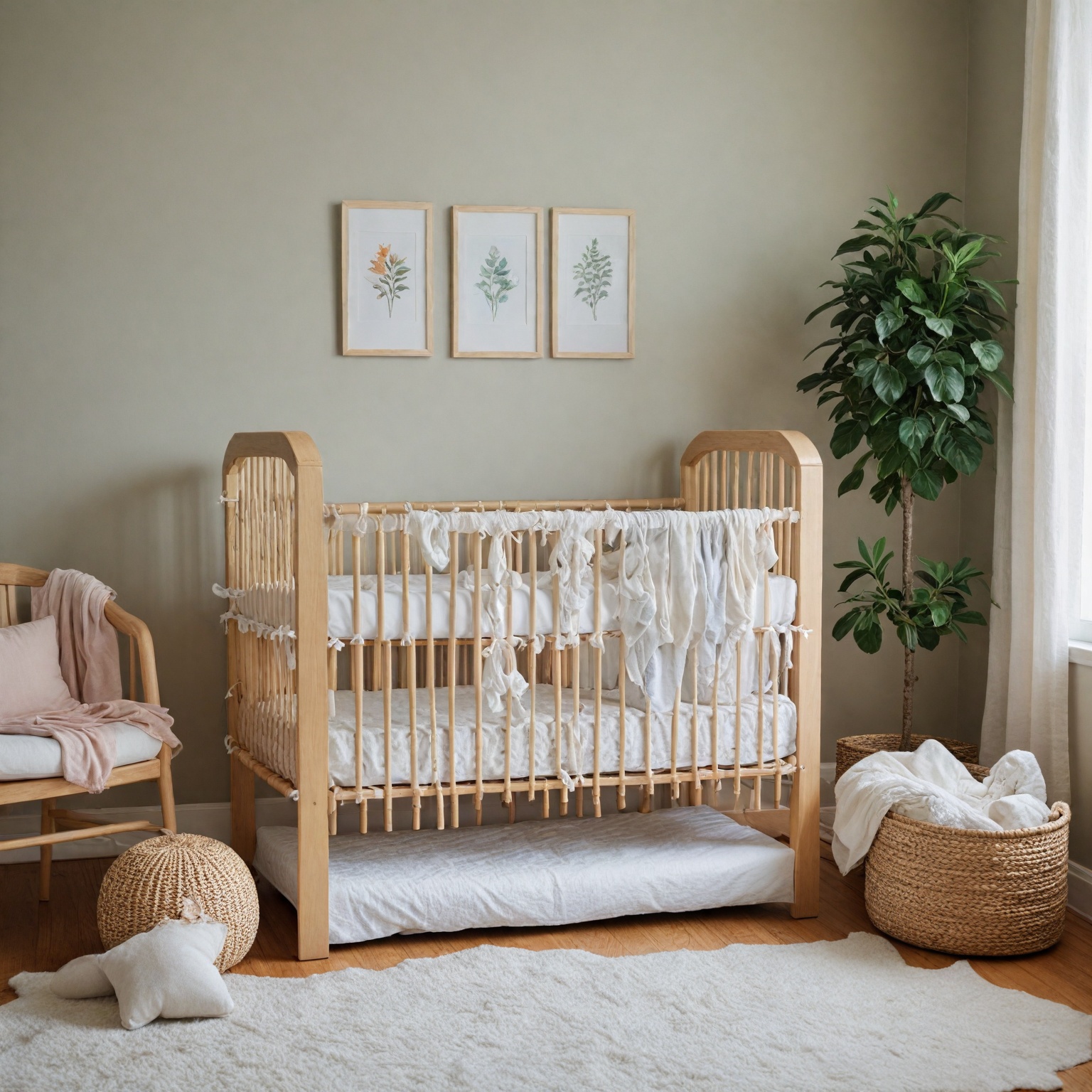
Summary
Creating a green and sustainable nursery involves designing a safe, healthy, and environmentally responsible space for a baby’s early years. This approach prioritizes the use of non-toxic, eco-friendly materials and products—such as organic textiles, sustainably sourced furniture, and chemical-free toys—to minimize infants’ exposure to harmful substances like volatile organic compounds (VOCs), flame retardants, and synthetic chemicals that can affect their health and development. Beyond safeguarding baby’s wellbeing, a sustainable nursery reduces environmental impact by conserving natural resources, lowering pollution, and supporting ethical manufacturing practices.
Key components of a green nursery include furniture made from reclaimed wood or renewable materials certified by organizations like the Forest Stewardship Council (FSC), bedding and clothing bearing the Global Organic Textile Standard (GOTS), and cleaning supplies free from toxic ingredients. Water- and energy-efficient products further enhance sustainability by lowering resource consumption and utility costs, contributing to broader ecological goals. Integrating natural elements such as non-toxic plants and using non-toxic finishes also promote a healthier indoor environment and foster a connection to nature.
However, creating an eco-friendly nursery presents challenges, including navigating the complex landscape of sustainability certifications and avoiding greenwashing—where products are misleadingly marketed as environmentally friendly despite lacking rigorous verification. Financial considerations also play a role, as sustainably sourced products and materials often come at higher upfront costs, requiring careful budgeting and strategic planning to balance safety, sustainability, and affordability. Consumers and caregivers are encouraged to consult healthcare professionals and trusted resources to ensure the best outcomes for both baby and planet.
By thoughtfully selecting certified sustainable products, adopting waste reduction practices, and implementing energy- and water-saving measures, parents and nursery providers can create nurturing environments that support infants’ health while promoting long-term environmental stewardship. This holistic approach empowers families to contribute to a greener future from the very beginning of a child’s life.
Importance of a Green and Sustainable Nursery
Creating a green and sustainable nursery is essential for both the health of your baby and the environment. Many conventional nursery products, including furniture, clothing, and diaper care items, can contain toxic chemicals that pose risks such as respiratory problems, hormonal disruptions, and skin irritations in infants. By choosing eco-friendly alternatives, parents can reduce their child’s exposure to these harmful substances while fostering a safer and healthier living space.
Beyond protecting baby’s health, designing an eco-friendly nursery helps minimize environmental impact. Sustainable materials and products often come with third-party certifications that verify they meet rigorous environmental and safety standards, ensuring responsible sourcing, production, and disposal. For example, opting for organic bedding, non-toxic toys, and furniture made from renewable or recycled materials contributes to reducing pollution and conserving natural resources.
Additionally, incorporating water- and energy-efficient products in the nursery can lower utility costs and decrease resource consumption, supporting a broader commitment to sustainability. Given the current challenges of global climate change and housing crises, such mindful choices play a crucial role in promoting long-term ecological balance.
Ultimately, a green nursery reflects a step-by-step approach to combining safety, sustainability, and style—empowering parents to create a nurturing environment that protects their baby and the planet. Consulting healthcare providers regarding product safety can further ensure the best outcomes for an eco-friendly beginning.
Key Features of a Green and Sustainable Nursery
Creating a green and sustainable nursery involves thoughtful selection of materials, furnishings, and décor that prioritize environmental health and the safety of the baby. One of the primary considerations is choosing sustainable furniture and bedding made from organic or natural materials. For instance, opting for crib mattresses and bedding filled with natural latex, cotton, or wool helps avoid exposure to harmful flame retardants and synthetic chemicals. Certification labels such as USDA Organic and GOTS (Global Organic Textile Standard) ensure that textiles are produced from certified organic crops and meet strict environmental and social criteria, making them safer choices for baby clothing and bedding.
In terms of décor and toys, selecting non-toxic, chemical-free items is essential. Non-toxic peel-and-stick wall decals provide a whimsical and safe way to personalize the nursery without introducing volatile organic compounds (VOCs) or lead-based paints. Sustainable toys crafted from eco-friendly materials also reduce the risk of toxic chemical exposure and support environmental conservation. Additionally, repurposing or thrifting items like baskets, picture frames, and other décor not only reduces waste but can add unique, characterful touches to the nursery while minimizing the carbon footprint.
Another important aspect is the choice of building and construction materials used in the nursery’s design. Using eco-friendly materials such as reclaimed wood, bamboo, cork, and natural fibers contributes to reducing embodied carbon emissions and enhances energy efficiency in the home. Preference for solid wood furniture over composite materials like particleboard or plywood also decreases VOC emissions, which can impact indoor air quality and child health.
Ultimately, designing a green nursery means taking gradual steps, consulting healthcare providers for product safety guidance, and being mindful of the baby’s interaction with their environment. These efforts collectively help create a beautiful, healthy, and sustainable space for a baby’s early years while supporting broader environmental goals.
Planning a Sustainable Nursery
Creating a sustainable nursery begins with careful selection of materials and products that prioritize both environmental impact and the health of the baby. Choosing eco-friendly furniture, bedding, and decor that are free from harmful chemicals is essential to establish a safe indoor environment. Sustainable nursery planning involves integrating natural, non-toxic materials and certified products to reduce exposure to volatile organic compounds (VOCs), flame retardants, and other hazardous substances commonly found in conventional nursery items.
One of the foundational steps is selecting furniture made from responsibly sourced wood or recycled materials, which not only lowers embodied carbon emissions but also avoids harmful adhesives and finishes that emit VOCs. Look for certifications such as GREENGUARD Gold, Forest Stewardship Council (FSC), and the Sustainable Furnishings Council to ensure that nursery furniture adheres to strict environmental and health standards. These certifications guarantee products with low chemical emissions and responsible forestry practices, contributing to a greener nursery space.
Textiles used in the nursery, including bedding, clothing, and upholstery, should be composed of organic and natural fibers like cotton, wool, or natural latex, which help sidestep toxic flame retardants and synthetic treatments. Certifications such as the Global Organic Textile Standard (GOTS), Global Organic Latex Standard (GOLS), and OEKO-TEX ensure that fabrics are organically produced and processed without the use of harmful chemicals, dyes, or heavy metals. Organic fabrics maintain stringent ecological and social criteria throughout production, making them a safer and more sustainable choice for baby products.
When it comes to mattresses, prioritize options that use natural materials certified by GOTS and GOLS, ensuring the mattress is free of synthetic chemicals and toxic flame retardants. Handcrafted mattresses that utilize organic cotton, wool, and latex provide durability, comfort, and safety while minimizing environmental impact. Additionally, portable air purifiers can be used to improve indoor air quality in the nursery; however, the EPA advises avoiding ozone-generating models as they pose respiratory risks to infants and adults.
Water Efficiency and Conservation in the Nursery
Optimizing water use in nurseries is essential for promoting sustainability and reducing operational costs. Effective water conservation strategies begin with analysing current water usage patterns to identify areas of wastage and inefficiency. Implementing moisture-retaining growing media and recycling water can significantly enhance water retention and reuse within the nursery environment, contributing to a more sustainable operation.
Rainwater harvesting is a valuable technique in nursery water management. By collecting rainwater from roofs and other surfaces using gutter systems, nurseries can capture substantial volumes of water, reducing dependence on external water sources. This method is especially effective when integrated with tunnelhouses and other covered structures that offer large catchment areas.
Shade management also plays a critical role in conserving water and supporting plant health. Providing adequate shading reduces heat and light stress on plants, which in turn decreases their water requirements. Designing nursery layouts to maximize shade and airflow helps create a more water-efficient environment while promoting healthier plant growth.
Irrigation methods strongly influence water use efficiency. Drip irrigation, compared to traditional overhead systems, uses significantly less water by delivering moisture directly to the root zone. Successful implementation involves careful planning of the layout according to plant spacing, selecting appropriate emitters, and maintaining the system regularly to prevent clogging and ensure uniform water distribution. These practices not only conserve water but also improve plant health and lower nursery costs.
In addition to operational practices, the use of water-efficient fixtures and products can contribute to nursery water conservation. These include taps, irrigation systems, and appliances designed to reduce water consumption by 20–60% without compromising performance. Many water-efficient products are certified under programs such as WaterSense, which guarantees their efficiency and reliability through third-party testing. Staying informed about new water-saving technologies and participating in product feedback programs can help nurseries adopt the most effective tools for conservation.
By combining rainwater harvesting, efficient irrigation techniques, shade management, and the use of water-efficient products, nurseries can create a holistic approach to water conservation. This integrated strategy not only safeguards a vital resource but also supports the sustainable growth of plants and reduces the environmental footprint of nursery operations.
Sustainable Nursery Essentials
Creating a sustainable nursery involves selecting products and materials that are safe for both the baby and the environment. Key essentials include crib mattresses, baby clothing, bedding, fabric toys, diapers, and cleaning supplies, all chosen with eco-friendly criteria in mind.
Organic and Certified Materials
Choosing items made from certified organic materials helps ensure the absence of harmful chemicals and supports sustainable farming practices. For example, baby clothing and bedding made from USDA-certified organic cotton or flax fibers meet strict environmental and safety standards. The Global Organic Textile Standard (GOTS) certification is also a reliable indicator that textiles adhere to organic production and processing methods.
Safe and Natural Fillers
Many synthetic materials contain harmful flame retardants and volatile organic compounds (VOCs). Opting for natural fillers such as cotton, wool, or natural latex can avoid these toxins. Additionally, solid wood furniture is preferable to particleboard or plywood, which often emit VOCs due to the adhesives used in their manufacture.
Eco-Friendly Diapering
Diapers can contain fragrances, dyes, and chemicals like phthalates that disrupt hormones. To minimize exposure, it is advisable to select diapers certified by OEKO-TEX® Standard 100 or verified by the Environmental Working Group (EWG). Alternatively, cloth diapers offer a reusable, gentle, and chemical-free option.
Non-Toxic Cleaning Supplies
Maintaining a clean nursery with non-toxic cleaning products is essential. Using natural cleaners such as baking soda, vinegar, and salt or simple tools like bamboo cloths can effectively clean surfaces without introducing harmful chemicals. Certifications from organizations like the Environmental Working Group help consumers identify truly safe and environmentally friendly cleaning products.
Additional Practical Tips
Acquiring essentials from trusted sources or accepting gently used items from family and community members supports sustainability by reducing waste. Items like fabric toys or a hairdryer with a cool setting can improve daily care while maintaining eco-friendly principles.
Together, these sustainable nursery essentials create a safe, healthy environment for the baby’s early life while minimizing environmental impact.
Safe and Sustainable Toys and Furnishings
Creating a green and sustainable nursery involves carefully selecting toys and furnishings made from safe, eco-friendly materials that protect both the environment and your baby’s health. Nursery furniture crafted from natural materials such as sustainably sourced wood and organic cotton is generally considered safe for babies, especially when finished with water-based, non-toxic coatings. Choosing items made from organic fabrics like cotton and wool that are free from harmful flame retardants further reduces exposure to toxic chemicals.
Several certifications help parents identify truly sustainable and safe products. The Global Organic Textile Standard (GOTS) is one of the most prominent certifications, covering the entire organic supply chain—from harvesting and manufacturing to delivery—while ensuring environmental processing, ethical business practices, and product safety. GOTS-certified textiles and furnishings meet strict ecological and social criteria, offering reassurance regarding quality and sustainability. The Forest Stewardship Council (FSC) certification guarantees that wood used in nursery furniture originates from responsibly managed forests, complying with economic, environmental, and social standards throughout the supply chain. Additionally, GREENGUARD Gold certification ensures low chemical emissions, which is critical for maintaining healthy indoor air quality in nurseries.
Innovative companies are producing eco-friendly furniture and toys that combine sustainability with child-centric design. For example, some manufacturers create furniture from upcycled plastic toys, a patented material known as ecoethylene, resulting in weatherproof, durable pieces with child-friendly rounded edges suitable for indoor and outdoor use. Popular products include toddler beds and toy storage solutions that encourage organization and independence while being ethically produced with sustainable materials such as alpaca wool sourced from partner farms in Bolivia and Peru.
In the United States, pressed wood products must comply with federal standards that limit formaldehyde emissions, labeled under TSCA Title VI, which aligns with California’s strict Phase 2 standards. This ensures that certain furniture components meet rigorous safety requirements to minimize harmful chemical exposure. When furnishing a nursery, opting for natural latex mattresses and bedding certified by GOTS or GREENGUARD further ensures the absence of hazardous substances and verifies material authenticity.
Reducing Waste in the Nursery
Reducing waste in the nursery is a crucial step towards creating a sustainable and eco-friendly environment for your baby. One of the primary concerns is the excessive use of single-use plastics, which pose significant threats to the environment. By opting for reusable and recycled plastic materials, nurseries can help reduce waste clogging landfills and waterways. Recycled plastic is increasingly used in construction materials such as plastic sheets, bricks, lumber, and pipes, promoting a circular economy and reducing environmental impact.
Incorporating pre-owned or sustainably sourced items also helps minimize waste. Choosing furniture made from natural wood or rattan that is designed to last can be an earth-friendly alternative to disposable or cheaply made products. Additionally, using LED lighting in the nursery reduces energy consumption and lowers the ecological footprint.
Selecting non-toxic finishes and avoiding materials with volatile organic compounds (VOCs) or harmful chemicals ensures the nursery is both safe and environmentally responsible. Furniture certified to be free from toxins, such as GREENGUARD GOLD or FSC-certified materials, further supports waste reduction by promoting longer-lasting and safer products.
When it comes to building or furnishing the nursery, eco-friendly and renewable materials like reclaimed wood, straw bales, and recycled steel not only reduce waste but also contribute to a more sustainable construction process. Straw, in particular, is abundant and inexpensive, making it a viable option for environmentally conscious families. Avoiding synthetic fillers containing flame retardants in favor of natural alternatives like cotton or wool also reduces chemical waste and exposure.
By integrating these practices, nurseries can significantly lower their waste output, save money, and foster a healthier environment for children and the planet alike.
Incorporating Plants and Natural Elements
Integrating plants and natural elements into a nursery design not only enhances its aesthetic appeal but also promotes a calming and healthy environment for babies. Utilizing greenery, whether through potted plants, natural textures, or earth-toned color palettes, can create a soothing atmosphere reminiscent of the outdoors. For example, shades like moss green, creamy white, and smokey gray reflect natural landscapes and help establish a gender-neutral, rustic nursery theme that feels both cozy and refreshing.
Including sustainable and natural materials further complements this approach. Opting for items such as wooden toys, bamboo furniture, or cotton stuffed animals supports an eco-friendly nursery by reducing reliance on synthetic or environmentally harmful materials. These elements contribute to a tactile and visually pleasing environment that fosters a connection to nature from an early age.
Moreover, plants can play a functional role by improving air quality and contributing
Common Challenges and Pitfalls
One of the primary challenges faced when creating a green and sustainable nursery is managing the financial sustainability of the project or business. Many small businesses and settings struggle with a shortage of cash, which can hinder their ability to maintain eco-friendly practices in the long term. Sustainability is not only about ensuring that income exceeds expenses annually but also about understanding the true costs involved in offering sustainable options. Without thorough financial analysis, it can be difficult to set fees or budgets that support ongoing green initiatives.
Another significant pitfall is navigating the complex landscape of eco-friendly certifications and avoiding greenwashing. Not all sustainability certifications hold the same value; some have lower standards or less rigorous verification processes, allowing brands with less sustainable practices to claim false environmental benefits. To ensure genuine eco-friendliness, consumers and businesses should look for certifications granted by reputable third-party organizations such as non-profits, government bodies, or industry associations. Examples of trustworthy certifications relevant to nursery furniture and textiles include GREENGUARD Gold, FSC (Forest Stewardship Council), and GOTS (Global Organic Textile Standard).
Additionally, sourcing truly non-toxic and sustainable materials can be challenging. Many products marketed as “green” may still contain harmful chemicals or be finished with off-gassing substances detrimental to infant health. It is crucial to select nursery furniture made from natural fabrics like organic cotton or wool that are free from toxic flame retardants and to choose non-toxic finishes certified to avoid harmful emissions.
Energy consumption is another common area where pitfalls occur. Nurseries often have high day-to-day operating costs, and failing to implement energy-saving measures can lead to unnecessary financial burdens and increased environmental impact. Simple actions like switching off plugs and powering down unused devices can significantly reduce energy consumption—by as much as 40%—leading to both cost savings and a smaller carbon footprint.
Practical Recommendations and Best Practices
Creating a green and sustainable nursery involves thoughtful choices that prioritize eco-friendly materials, safety, and health for both baby and the environment. One of the first steps is to familiarize yourself with reputable sustainable certifications such as the Global Organic Textile Standard (GOTS), which ensures that products have been environmentally processed, ethically manufactured, and verified by a third party for safety and quality. Opting for GOTS-certified items like organic bedding, furniture, and textiles guarantees adherence to these high standards.
When selecting materials, prioritize natural and plant-based options that avoid harmful chemicals and toxins. For example, organic cotton, natural latex mattresses, and bamboo furniture are excellent choices as they are durable, pest-resistant, and free from synthetic pesticides or fertilizers. Bamboo, in particular, stands out as a highly sustainable material due to its rapid growth and minimal environmental impact, making it ideal for flooring and nursery furnishings.
Sustainable building materials such as cork, reclaimed wood, and recycled plastics also contribute to an eco-friendly nursery environment. Cork is harvested without damaging trees and regrows quickly, while recycled plastic helps reduce landfill waste and supports circular economy practices. Choosing solid wood furniture over particleboard or plywood is recommended to avoid volatile organic compound (VOC) emissions commonly found in manufactured wood glues.
Energy efficiency is another important consideration. Incorporate energy-saving lighting and technologies to minimize consumption and reduce environmental footprint. Additionally, reducing reliance on single-use plastics by selecting reusable or biodegradable nursery items supports sustainability goals.
Finally, approach the nursery design process step-by-step, consulting healthcare providers for product safety guidance as needed. This methodical planning allows parents to confidently select baby-safe, non-toxic, and eco-friendly products while balancing budget and style preferences. By implementing these practical recommendations and best practices, families can create a beautiful, safe, and sustainable nursery that fosters a healthy start for their baby and a greener future for the planet.
Cost Considerations and Budgeting
One of the primary challenges for nurseries aiming to be both sustainable and financially viable is managing cash flow effectively. Small businesses often fail due to a shortage of cash, and nurseries are no exception. Achieving sustainability requires more than just generating income above expenses; it involves a thorough understanding of the costs associated with each place offered. Setting fees at sustainable rates depends heavily on analyzing these expenses in detail.
Implementing cost-saving strategies is essential to maintaining financial stability while delivering high-quality care and education. Nurseries can significantly reduce operating costs by focusing on energy efficiency, optimizing staff schedules, negotiating better terms with suppliers, minimizing waste, embracing digital tools, maximizing funding opportunities, and conducting regular financial audits.
Energy expenses are a major budget consideration, especially as electricity costs continue to rise. Reducing energy consumption not only lowers bills but also supports environmental goals. Simple measures such as switching off plugs and powering down unused devices can reduce energy consumption by up to 40%, translating to substantial savings. Additionally, transitioning to more efficient or renewable energy sources helps reduce reliance on fossil fuels and creates a healthier environment.
When considering purchases, many environmentally conscious parents and nurseries opt for second-hand items to reduce waste and costs. However, safety remains paramount; some items like cribs should be bought new due to updated safety standards and potential hazards associated with used items. Balancing safety, sustainability, and cost requires careful budgeting and informed purchasing decisions.
By integrating these financial strategies, nurseries can create eco-friendly environments without compromising their financial health or the quality of care provided.
Resources and Support
Creating a green and sustainable nursery is made easier with access to various resources and support networks that provide guidance, funding, and expert knowledge. Nurseries can benefit from cost-saving strategies and eco-friendly practices by utilising digital tools and external funding opportunities such as government grants and charitable contributions specifically aimed at early years settings. Organisations like Nursery in a Box offer practical resources to help optimise nursery operations while maintaining high standards of care and sustainability.
To deepen ecological understanding and implement sustainable practices, nurseries are encouraged to engage with community initiatives and external expertise. Examples include inviting grandparents to deliver gardening masterclasses, collaborating with local councils, and even corresponding with environmental advocates such as Sir David Attenborough to inspire and educate children about nature and conservation. These community-driven approaches foster a culture of sustainability and hands-on learning.
When sourcing sustainable products for nurseries, it is important to consider reputable certifications to avoid greenwashing. Third-party certifications from non-profit organisations, governments, or industry associations offer assurance of genuine sustainability standards. Certifications like the Forest Stewardship Council (FSC) verify responsible management of forest-derived materials across the entire supply chain, ensuring environmental, economic, and social compliance. Similarly, the Global Organic Textile Standard (GOTS) certifies organic textiles and fabrics throughout their lifecycle—from growing and harvesting to manufacturing and distribution—guaranteeing rigorous sustainability practices.
Additionally, investing in water- and energy-efficient products can yield significant savings in both resources and costs, contributing to a more sustainable nursery environment while reducing operational expenses. By combining these resources, support systems, and certifications, parents and nursery providers can confidently create eco-friendly spaces that nurture both babies and the planet.
The content is provided by Jordan Fields, Home Upgrade News