Summary
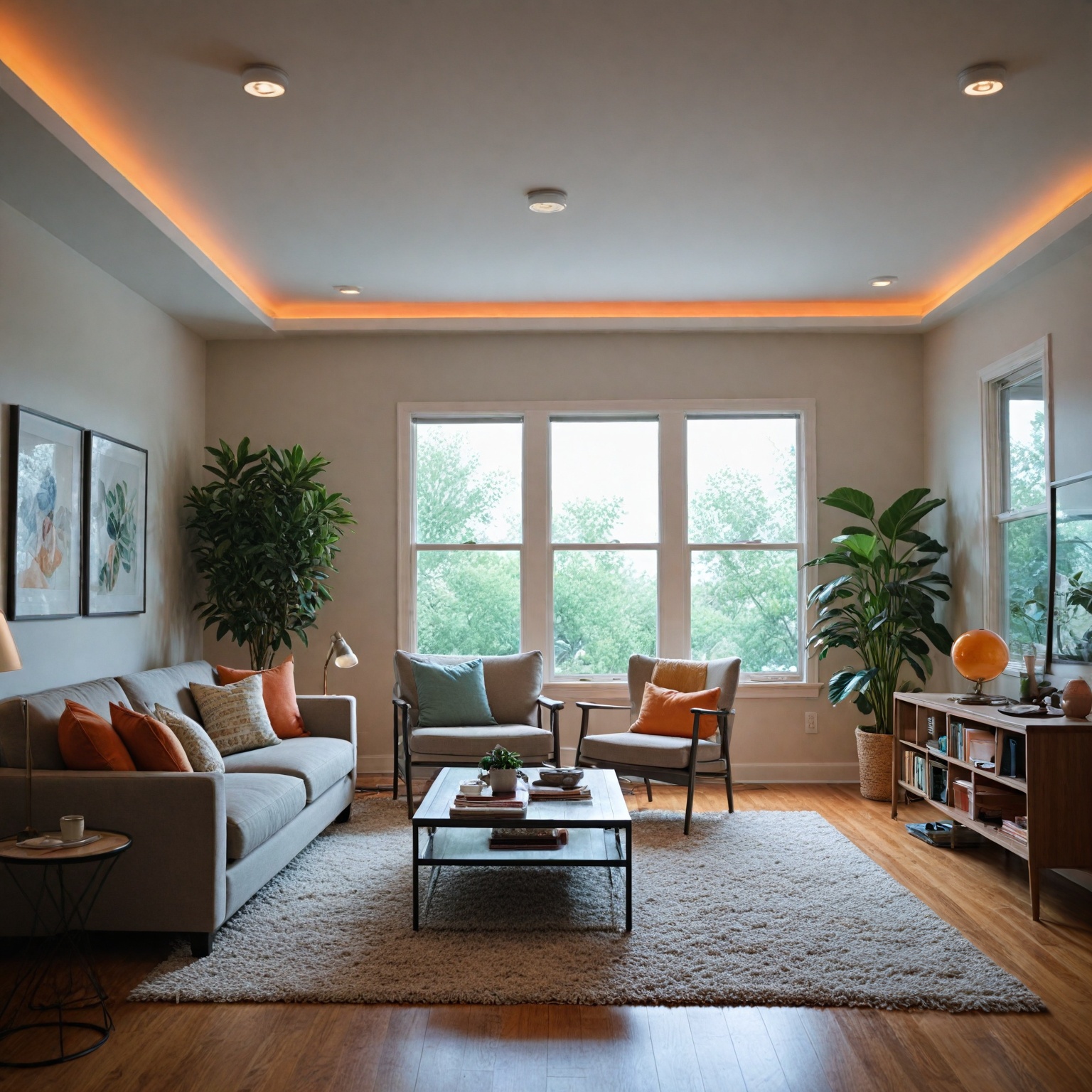
Discovering budget-friendly alternatives to Philips Hue smart lighting offers consumers affordable options for automating home lighting without sacrificing key features and compatibility. While Philips Hue is widely regarded as a premium smart lighting ecosystem known for vibrant colors, robust performance, and extensive integration with platforms like Amazon Alexa, Apple HomeKit, and Google Assistant, its high cost can be a barrier for many users seeking smart home convenience. The emergence of lower-cost smart bulbs and lighting products that support core functionalities—such as remote control, scheduling, voice commands, and customizable scenes—has expanded the market, enabling broader access to automated lighting experiences.
These budget alternatives often leverage technologies like Matter to ensure seamless interoperability across major smart home platforms, offering comparable ease of installation and responsive controls at a fraction of Hue’s price. Brands such as WiZ, Govee, Nanoleaf Essentials, and Meross provide diverse products ranging from color-changing bulbs to LED strips and outdoor lights, catering to various lighting needs while maintaining user-friendly apps and voice assistant compatibility. Despite some trade-offs in brightness, build quality, or ecosystem maturity, these options deliver strong value for cost-conscious consumers and first-time smart lighting adopters.
The market for budget smart lighting is not without challenges, including occasional limitations in advanced features, less durable hardware, or variations in voice assistant support due to evolving technical requirements. Nonetheless, user reviews and performance tests frequently highlight the reliability, quick responsiveness, and broad compatibility of many affordable smart lights, making them compelling alternatives to Philips Hue’s premium offerings. This growing variety fosters a competitive landscape that benefits consumers by providing flexible, cost-effective pathways to automated home lighting.
Overall, budget-friendly smart lighting alternatives present a practical balance between affordability and functionality, expanding the accessibility of smart home automation and challenging the dominance of established premium brands. As smart lighting technology continues to evolve, these options are poised to play an important role in democratizing home automation for a wider audience.
Overview of Smart Lighting Systems
Smart lighting systems have become an integral part of modern automated homes, offering enhanced convenience, customization, and energy efficiency. These systems typically include a range of devices such as smart bulbs, light strips, lamps, and fixtures that can be controlled remotely via mobile apps or integrated with popular smart home platforms like Amazon Alexa, Apple HomeKit, Google Home, and Samsung SmartThings.
One key feature of smart lighting is voice control, which allows users to adjust lighting settings hands-free using voice commands. Most smart lighting products support major voice assistants including Alexa, Siri, and Google Assistant, although some platforms have experienced changes in compatibility, as seen with the removal of Google Assistant support from certain devices due to updated technical requirements. Beyond voice control, smart lights often offer preset themes, animations, and customizable colors to suit different moods and occasions.
Automation is another vital component of smart lighting systems. Users can create schedules to turn lights on or off automatically, or integrate lights with sensors to respond to motion or presence, enhancing both convenience and security. Additionally, many smart lighting platforms support shared access, enabling multiple users to control the lighting via their individual mobile apps.
While premium ecosystems like Philips Hue are renowned for quality and extensive compatibility, they often come at a higher price point. Budget-friendly alternatives, such as those that utilize Matter technology, provide comparable functionality including seamless integration with the major smart home platforms, customizable lighting for recessed fixtures, and robust color options, making them attractive options for users seeking affordability without sacrificing features. Overall, the variety and flexibility of smart lighting systems allow homeowners to tailor their automated lighting experience according to their preferences and budget.
Overview of Hue Smart Lighting
Philips Hue is widely recognized as a leading brand in the smart lighting market, offering a broad range of smart bulbs, light fixtures, and accessories that enhance the lighting experience in automated homes. Hue smart bulbs are known for their vibrant colors, reliable performance, and seamless integration with various smart-home platforms, making lighting a more enjoyable and customizable aspect of home automation. The system supports an extensive array of Scenes and modes, which allow users to easily tailor lighting to different moods and activities.
However, Philips Hue’s premium positioning is often reflected in its pricing, which many consider higher than competing options. This includes not only bulbs but also other products such as the Signe floor lamp and the Hue Lily outdoor spotlights. These premium products come with more sophisticated wiring, robust construction, and a complete smart lighting ecosystem, but at a significant cost—sometimes hundreds of dollars more than alternatives on the market. Additionally, some Hue outdoor lighting accessories, such as transformers and wiring, are sold separately, further increasing the overall expense.
Despite these higher costs, Hue remains a benchmark in the smart lighting industry, particularly for users seeking advanced features, a mature ecosystem, and extensive smart-home compatibility. Nonetheless, the evolution of smart lighting technology has brought a growing number of budget-friendly alternatives that provide strong performance and broad compatibility, challenging Hue’s dominance and offering consumers more options when automating their homes.
Budget-Friendly Smart Lighting Alternatives
When looking to build an affordable smart lighting system without compromising on features or integration, several budget-friendly alternatives to Philips Hue stand out. These options provide a range of capabilities, from basic on/off control and scheduling to more advanced features such as scenes, music syncing, and automation through smart home ecosystems.
One notable option is the WiZ 60W A19 Color LED Smart Bulb, which offers strong lux performance and a wide color temperature range at a competitive price point. It connects easily over Wi-Fi via the WiZ app, enabling quick setup and control over brightness, color changes, schedules, and custom effects. Despite being owned by Philips Hue, WiZ operates on a separate app and ecosystem, providing a simpler user experience. The bulb supports a variety of smart home integrations including Amazon Alexa, Google Assistant, and Siri, and features a collection of built-in scenes and modes that make automation straightforward and enjoyable.
Another affordable alternative includes bulbs from brands like Govee and Nordlux, which offer a wide array of products with extensive customization. Govee smart bulbs come with apps packed with features such as over 64 scene modes, music mode, and DIY customization, along with connectivity through Wi-Fi and Bluetooth. Their LED strip lights, for instance, provide flexible installation options and compatibility with Matter-enabled setups, making them a versatile choice for budget-conscious users.
Nanoleaf Essentials bulbs are also noteworthy, especially for users prioritizing interoperability through Matter technology. These bulbs work seamlessly with multiple smart home platforms, including Alexa, Google Assistant, and Apple HomeKit, while maintaining an affordable price. They offer responsive voice control and impressive colors, although their brightness may not match the highest-end Philips Hue bulbs.
For outdoor or specialty lighting, affordable white smart bulbs can be found for under $10 each, and color-changing or solar-powered smart lights add decorative flair without a high price tag. These options provide flexible ways to brighten gardens or entryways, contributing to a complete smart home lighting ecosystem without significant investment.
It is important to consider compatibility with existing smart home assistants when choosing budget alternatives, as not all smart bulbs integrate equally well with Alexa, Google Assistant, or Siri. Selecting bulbs that support the voice platforms already present in the home ensures smoother automation and user experience.
Feature Comparison of Budget Alternatives
Budget-friendly smart lighting alternatives to premium options like the Philips Hue Lily line offer a compelling mix of affordability and functionality, though with some trade-offs. These include less-robust construction, simpler wiring, slightly lower brightness levels, and a less comprehensive smart lighting ecosystem. Despite these compromises, they present a significant cost advantage, especially when deploying multiple units.
One of the key advantages of budget smart lights is their ease of setup. Many require fewer peripherals and support straightforward installation, making them ideal for first-time smart lighting users. Additionally, these budget options often provide a broad range of app and voice control features, balancing simplicity with versatility. Compatibility is a critical factor; the best budget smart lights work with multiple leading smart home platforms such as Google Assistant, Amazon Alexa, Apple HomeKit, SmartThings, and IFTTT, preventing users from being locked into a single ecosystem.
Feature-wise, many budget smart lighting products support core functions like on/off control, scheduling, and scene creation through companion apps. For example, some apps allow users to create Scenes to set moods, automate lighting changes based on time of day (Rhythms), and schedule preferred light modes for specific days and times. Additional features found in some models include music syncing, timers, vacation modes, and do-not-disturb settings, enriching the user experience beyond basic lighting control.
In terms of performance, budget bulbs may have slightly lower brightness (lux) compared to premium models but still deliver a wide color temperature range and a rich selection of colors and white tones. This makes them suitable for diverse lighting needs, from ambient mood lighting to practical illumination. Outdoor lighting options, such as budget-priced landscape spotlights, provide another layer of versatility, albeit with simpler build quality compared to higher-end alternatives.
LED strip lights from budget brands like Govee exemplify mid-range options that combine affordability with advanced features. These strips offer high LED density, multiple scene modes, music synchronization, and compatibility with major smart home ecosystems, including emerging standards like Matter. They are also praised for ease of installation and flexibility, making them attractive alternatives to pricier gradient light strips from premium brands.
Installation and Setup Guidance
Setting up budget-friendly smart lighting alternatives to Philips Hue is generally straightforward and user-friendly, making them ideal for first-time smart home users. Many budget brands prioritize ease of installation, often requiring fewer peripherals than high-end systems, which simplifies the initial setup process. Unlike some smart home devices that require permanent installation, these smart lights can be easily installed and moved, offering flexibility for renters or those who frequently change their living spaces.
Most budget smart bulbs and light strips support integration with popular smart home ecosystems such as Amazon Alexa, Google Home, and Apple HomeKit, allowing users to control their lighting through familiar apps and voice assistants. However, to enable remote control and broader smart home automation, some systems might require an additional hub or device that acts as a Thread border router, although many newer products are Matter-compatible and can connect directly without extra hardware.
The setup typically begins with connecting the smart lights to a dedicated app, which offers basic controls like turning lights on or off and scheduling. Many apps also provide advanced features such as customizable scenes, vacation modes, and music syncing, enhancing user experience without complicating installation. For example, Govee LED Strip Lights come with an intuitive app offering over 64 scene modes and DIY lighting options, making the installation and personalization process both simple and enjoyable.
Voice control is a key feature in these systems and is usually enabled by pairing the smart lights with voice assistants via devices like the Amazon Echo Dot, Google Nest Hub, or Siri on an iPhone. This integration supports hands-free commands and automation scenarios, such as turning on lights when motion is detected, providing additional convenience post-installation.
Performance and User Experience
The performance of budget-friendly smart lighting alternatives to Hue is marked by quick responsiveness and robust integration with popular smart home ecosystems. In testing custom smart-home automations, such as routines triggered by an Aqara Door and Window Sensor via the Alexa app, the Meross smart bulb demonstrated the fastest response times among several models evaluated. This highlights its reliability in real-time automation scenarios where lighting changes are expected to occur immediately after a sensor event.
User experience is further enhanced by intuitive companion apps that provide a range of customizable features. For instance, the RCA Smart Wi-Fi A19 LED Bulb’s app offers clear controls for scheduling, timers, Scenes, Do Not Disturb mode, and music syncing, allowing users to personalize their lighting to match moods or activities. The RCA bulb also stood out for its excellent lux performance when dimmed to low light levels, making it a strong choice for users seeking both functionality and ambiance control.
Many budget smart bulbs also offer rich scene-setting options, with some apps enabling the creation of Rhythms—automated adjustments based on the time of day—and Schedules that activate preferred lighting modes on specific days and times. The Roku Smart Bulb SE Color, for example, combines affordability with a wide palette of colors and white tones, appealing to users who desire versatility without breaking the bank.
Shared access is commonly supported, allowing multiple users to control smart lighting through their individual apps, which fosters household-wide convenience. Furthermore, these bulbs typically integrate smoothly with major voice assistants such as Amazon Alexa, Google Assistant, and Apple Siri. This voice control capability enables users to manage lighting hands-free, either by direct commands or as part of automated routines, enhancing the overall smart home experience.
Customization options extend beyond basic control to include preset themes and animations, which can automate dimness and color changes without manual intervention. This feature appeals to users looking for dynamic lighting effects that adjust automatically or in response to media, as evidenced by features like music syncing available in some companion apps.
Finally, the ability to connect smart bulbs to motion sensors and other devices broadens their utility. Platforms like Wiz enable automation scenarios where lights turn on upon motion detection, providing practical convenience in addition to aesthetic enhancements. Overall, these budget-friendly alternatives strike a balance between performance, ease of use, and smart home integration, making them compelling options for users seeking effective and affordable smart lighting solutions.
Cost Analysis
Over the past decade, the cost of smart lighting has decreased significantly. Where a starter kit with three bulbs once cost around $200, today’s best smart lights are available at a fraction of that price. For example, the AiDot Linkind Matter Smart Light Bulb, a top budget pick, retails for about $20 and offers features such as 16 million colors, a range of white tones, and compatibility with multiple smart home platforms.
Pricing among budget smart lights varies, with some options like the WiZ 60W A19 Color LED priced around $11 lower than certain alternatives that cost $18 to $20 per bulb. More premium offerings, such as Philips Hue’s ecosystem, generally command higher prices; four white-only A19 bulbs cost approximately $50, while four colored bulbs can approach $100, making extensive outfitting an expensive proposition.
Some budget-friendly landscape spotlights, including those reviewed alongside more costly Philips Hue Lily products, come at a much lower price point but may have trade-offs such as less sophisticated wiring systems and greater fragility. Additionally, some affordable smart bulbs from brands like Sengled and Eufy offer color-changing LEDs for around $25 each and connect directly via Wi-Fi without requiring a hub, providing a practical alternative for users seeking easier setup and integration with platforms like Alexa and Google Assistant.
Ultimately, while premium smart lighting systems may offer advanced features and extensive ecosystems, budget brands deliver a range of cost-effective options that balance affordability with functionality, often providing simpler setups and broad voice control capabilities suitable for first-time smart light users.
User Reviews and Community Feedback
Users and reviewers have shared a variety of opinions on budget-friendly alternatives to Philips Hue smart lighting, highlighting both strengths and limitations. Many appreciate simpler setups offered by budget brands, which often require fewer peripherals and still deliver robust app and voice control features. This ease of use is particularly appealing to those new to smart lighting, where basic functions like on/off control may suffice.
Community feedback also notes that while some budget options do not match the sophistication or durability of Philips Hue products—such as the more fragile spotlights or the need for additional components like transformers and wiring—they still present a compelling value proposition for cost-conscious consumers. For example, budget landscape spotlights, despite being less advanced, are favorably compared to higher-priced lines like Philips Hue Lily, especially when considering overall price.
In testing various products, including those from Govee, Paulmann, and Calex, reviewers found that the most expensive smart lighting option
The content is provided by Sierra Knightley, Home Upgrade News