Summary
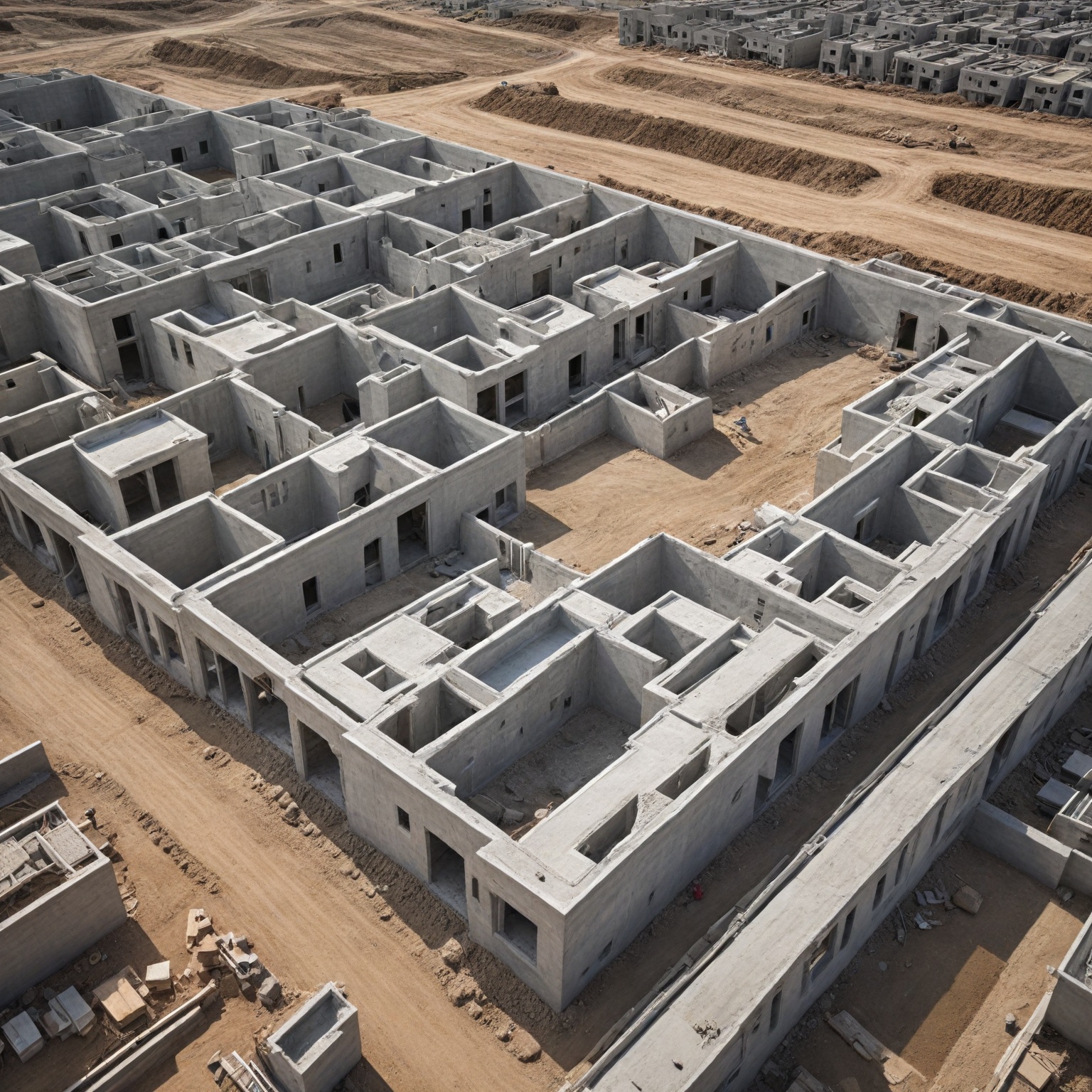
The largest 3D printed housing development in the world is a project located outside of Austin, Texas, USA. This housing development, consisting of 100 single-story houses, is notable for being the first large-scale housing project to be constructed on-site using advanced 3D printing technology and a concrete-based building mixture called Lavacrete. The project represents a collaboration between homebuilding company Lennar, construction firm ICON, and Danish architecture firm Bjarke Ingels Group.
Despite challenges such as cost and size limitations related to the 3D printers used, the project has demonstrated the potential of 3D printing technology in housing development. Advantages include improved productivity, more sustainable construction processes, and the creation of highly skilled jobs. The project also emphasizes environmental sustainability and local job creation. Nevertheless, this initiative highlights the need for skill development for individuals working with 3D printers and for suitable software compatible with this emerging technology.
The construction methodology employed in this project relies on 3D printing technology, which offers a potential solution to traditional home construction challenges. The materials used for 3D printing, mainly high-cement-content concrete mixtures, are being reevaluated for sustainability, with alternatives including natural materials like hemp or clay, and recyclable materials such as glass or plastic. The 3D printed housing development has thus contributed to the ongoing discourse around the use of 3D printing in the construction industry and the potential for more sustainable and cost-effective housing solutions.
Despite facing various challenges including sustainability and durability concerns, the future of 3D printed housing appears promising. Innovations in materials, manufacturing processes, and design possibilities may revolutionize the construction industry and address global housing shortages. This project showcases the potential of 3D printing in transforming the global housing sector and may inspire further research and investment in this emerging technology.
Overview of the Project
This section explores the largest 3D printed housing development in the world. The project, located just outside Austin, Texas, is the first major housing development to be 3D-printed on site. It features 100 single-story houses constructed using advanced 3D printing technology and a concrete-based building mixture known as Lavacrete. The project is a collaborative effort between homebuilding company Lennar, construction firm ICON, and Danish architecture practice Bjarke Ingels Group. The houses are designed to be affordable, aiming to cater to the critical housing needs of the region.
However, it’s worth noting that this project’s size was limited by the cost of the printer needed for larger structures, which in turn made the houses produced unaffordable. This size limitation was not in alignment with the needs of would-be homeowners in the United States, making 3D printing a less desirable construction tool for housing development at the time of the study.
Despite these challenges, there are several benefits to this new approach to construction. The 3D printing technology offers improved productivity in public housing projects, moves towards more sustainable and cleaner delivery processes, and creates highly skilled jobs. There is a need to focus on developing the skills of individuals overseeing the printers in the field, as well as a pressing requirement for suitable programs that are compatible with the new technology. The project also has a sustainable and inclusive outlook, promoting an environment that enhances biodiversity and creates jobs for the local community. The long-term ambition is to establish a network of factories globally to reduce costs, emissions, and provide jobs and housing to communities.
Construction Methodology
3D printing technology involves the use of a printer that stacks thin layers of concrete or other materials to create the skeleton of a home. The process begins with the preparation of a digital floor plan in a software system such as Build OS. This system maps out the structural reinforcement and places the electrical and plumbing outlets during the print. The printer then extrudes rows of a proprietary concrete mixture, building up the structure gradually .
The materials used for 3D printing mainly consist of concrete mixtures with high cement content. However, due to environmental concerns, alternatives are being explored, with options including natural materials like hemp or clay, and recyclable materials such as glass or plastic . Despite these promising developments, 3D printing technology does have its limitations and drawbacks, such as limited availability and potential structural weaknesses .
However, with continuous research and development, 3D printing holds the potential to transform the construction industry. It can provide cost-effective housing solutions, contribute to green initiatives by reducing waste and material costs, and significantly lower carbon emissions compared to conventional construction methods .
Unique Architectural Design Features
The “Collective Parts” initiative, developed by the German-based architecture and design studio Beta Realities, combines innovative architectural design principles, sustainable development, and green design. One of the unique architectural features of this initiative is the focus on healthy and comfortable living environments. This is achieved through an understanding of the local climate and an efficient use of materials.
Another key feature is the customization possibilities offered by 3D printing technology. Future tenants are given the opportunity to design their own homes. This technology has also made it possible to rapidly construct buildings under special conditions like natural disasters, thereby revolutionizing the construction industry.
Lastly, the “Collective Parts” initiative proposes a viability framework to evaluate the feasibility of 3D-printed construction. This has earned the project recognition as one of the winners of Inititative99 by ICON, a global architecture competition aimed at reimagining affordable housing that can be built for under $99,000.
Cost and Efficiency of 3D Printed Houses
The cost of a 3D-printed house varies significantly based on several factors including the company hired, the materials used, geographical location, size, design complexity, and additional amenities. However, cost savings of up to 30 percent have been reported by developers, both in the United States and internationally.
3D-printed houses present a novel and appealing alternative to traditional construction methods. They are generally quicker to construct and can offer more cost-effectiveness, along with providing a unique opportunity to customize home designs. In the face of increasing costs for traditional construction materials, builders and developers are seeking alternatives to address housing shortages. This technology promises quicker, cheaper construction, and the potential to use local and recycled materials.
The affordability and efficiency of 3D-printed houses have been practically demonstrated by projects like the one executed by Lennar and Icon in Texas. They are now planning their second 3D-printed community which is expected to cost less to build, given the lessons learned from their first project. This next community will feature larger homes, which are expected to be constructed faster and at a lower cost. The companies have already seen their costs and construction times halved, marking a significant improvement in housing market adaptability and functionality.
Environmental Sustainability of the Project
The Mvule Gardens development is a landmark project recognized for its advanced sustainability profile, which has earned it an IFC-EDGE Advanced sustainable design certification from The World Bank . The key sustainability features of the project involve the creation of a safe, inclusive environment in a landscape that enhances biodiversity, in addition to providing skilled jobs for local workers who receive training as 3D machine assistants and specialists .
3D printing technology, in particular, offers significant advantages in terms of reducing energy consumption and material waste . The technology’s ability to produce shapes without material reduction and to create hollow infill structures allows for considerable material conservation while maintaining performance standards .
The project also utilizes eco-friendly and sustainable materials, which amplifies its commitment to environmental sustainability . The application of this knowledge is crucial for designing robust components and optimizing the 3D printing process, which ensures the reliability and safety of the structures .
Challenges and Solutions
Sustainability and Durability
A significant concern raised about 3D printed housing is the durability of the materials used. If the materials aren’t as durable as initially thought, homes may require extensive rework within a few years, potentially making them less sustainable than traditional construction. Nonetheless, some companies like Mighty Buildings are seeking certification for new, fiber-reinforced materials, aiming to develop multi-story buildings like townhouses and low-rise apartments.
Future Prospects and Innovations
The future of 3D printed houses may not only rely on 3D concrete printing but may also incorporate a combination of 3D metal and plastic printing of building components. This could potentially save more time and money and be easier to access compared to the present technology of lumber-framed homes.
Moreover, companies are also looking towards expanding their operations geographically. The ambition is to establish a network of Mighty Factories worldwide in areas with builder and developer partners and demand.
Role of 3D Printing in Global Housing Sector
3D printing technology plays a vital role in addressing the global housing crisis, transforming the construction landscape, and benefiting the Architecture, Engineering, and Construction (AEC) Industry.
As 3D printing processes continue to grow and improve, more designers and developers are likely to invest in this technology to gain a competitive edge in the housing market. It is believed that this method could provide a time- and cost-effective alternative to traditional construction for affordable housing. However, the primary obstacle to expansion is the lack of a clear legal framework.
The potential for 3D printing to overcome remote housing challenges has also been explored. Companies such as Mighty Buildings are making strides in this area. They aim to establish a distributed network of “Mighty Factories” across the world, in areas with builder and developer partners and demand.
The technology was projected to become widespread by 2020 and be used to build high-rises by 2025, although this projection has since been adjusted. Nonetheless, the potential impact and benefits of 3D printing in the global housing sector cannot be overstated.
The content is provided by Avery Redwood, Home Upgrade News