
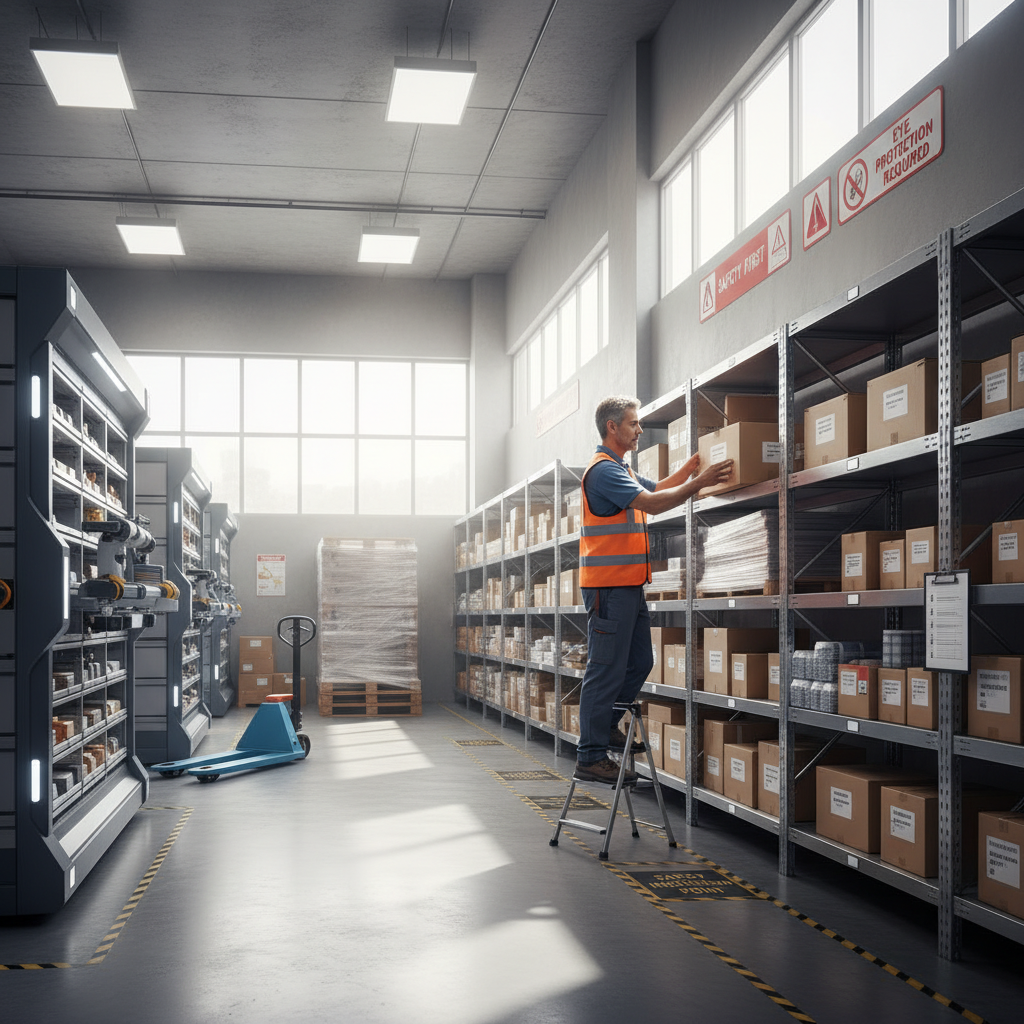
Summary
Choosing the right shelving system is key to maximizing storage space, safety, and operational productivity in various business environments. Properly selected shelving enhances inventory management and order processing while adhering to safety regulations, which is crucial for reducing accidents and ensuring workplace safety. Financial implications also factor into the decision, as the right shelving can lead to reduced long-term costs despite potential higher initial investments. Innovations in shelving technology underscore the importance of viewing these systems as strategic assets that drive efficiency and sustainability in operations.
Importance of Choosing the Right Shelving
Effective shelving selection impacts storage efficiency, safety, and workflow across warehouses and offices. A suitable system maximizes vertical and horizontal space usage, which can lead to faster inventory processes and decreased operational downtime. Ensuring compliance with safety regulations not only minimizes injury risks but also fosters a more productive environment.
Types of Storage Racks and Shelving Systems
There are various shelving options, each tailored to specific operational needs. Selective pallet racks offer direct access to every pallet, ideal for efficient inventory management. Dynamic systems improve storage density and picking efficiency, while narrow aisle configurations optimize space in crowded environments. Heavy-duty shelving accommodates significant loads, and mobile units allow for flexible storage arrangements. Live storage systems enhance inventory flow, crucial for high-volume settings, and every system must comply with safety standards to ensure reliability and effectiveness.
Key Factors to Consider When Choosing Shelving
When selecting shelving, consider inventory characteristics, such as item size and weight, and choose materials that ensure durability, like high-gauge steel. Load capacity and compliance with safety regulations, such as those from OSHA, are essential to prevent accidents and ensure stability. Space optimization through high-density and modular shelving enhances flexibility and adaptability to future inventory changes.
Cost Components and Financial Considerations
A comprehensive understanding of cost components is vital when selecting shelving solutions. The price often reflects the design quality and customization required for specific operational needs, with additional long-term expenses associated with maintenance and safety compliance. Establishing a budget around initial costs, ongoing inspections, and protective measures can maximize value while minimizing unforeseen expenses.
Cost-saving Strategies and Budgeting Tips
Effective budgeting requires clear planning based on business-specific storage needs. Regularly assessing storage effectiveness can ensure the adaptability of solutions over time. Investing in high-quality racks and consulting professionals can prevent costly mistakes and align shelving systems with operational goals, subsequently enhancing efficiency and reducing labor costs.
Common Mistakes and Pitfalls Leading to Overspending
Purchasing used racks without thorough evaluation may lead to costly replacements or safety hazards later. Ensuring that shelving aligns with current and future storage needs is essential to avoid inefficiencies. Neglecting safety and regulatory compliance can also result in unexpected legal liabilities and costs, making a solid understanding of safety standards crucial.
Safety Standards, Regulations, and Best Practices
Safety in warehouse shelving systems is governed by regulations from OSHA and standards from ANSI. Adhering to these guidelines is essential to protect employees and maintain efficiency. Regular inspections and qualified oversight ensure that storage systems remain compliant and safe throughout their operational life.
Impact of Shelving Systems on Warehouse Operations
Proper shelving systems significantly enhance space utilization, organization, and workflow efficiency within storage facilities. Investing in modern shelving can lead to long-term benefits such as increased productivity and faster delivery times, which ultimately improve customer service and financial performance. Advanced technology integration further supports these enhancements, making shelving a critical element of operational success.
Performance Metrics and KPIs Influenced by Shelving
Shelving choices critically influence warehouse KPIs related to efficiency and accuracy. Metrics related to receiving and put-away processes can be improved through effective shelving designs, while automated systems enhance order picking accuracy. Safety metrics also depend on proper shelving compliance and maintenance practices, ensuring a secure working environment.
Innovations and Emerging Trends in Storage Solutions
Recent advancements in shelving technology focus on maximizing space and integrating data-driven solutions. Dynamic and modular shelving options provide adaptability, while integration with automation technologies can streamline operations and reduce costs. Continuous evaluation and alignment of shelving with operational demands ensures long-term optimization and effectiveness in storage strategies.
The content is provided by Jordan Fields, Home Upgrade News