Summary
A bathroom renovation is a popular home improvement project that enhances both the aesthetic appeal and functionality of one of the most essential spaces in a house. Driven by the desire to update outdated designs, improve usability, and incorporate modern amenities, bathroom remodels address evolving homeowner needs such as accessibility, storage optimization, and energy efficiency. These renovations not only create a more comfortable and visually pleasing environment but also promote safety and convenience, especially for aging individuals or those with mobility challenges.
Beyond improving everyday living, bathroom renovations are notable for their strong return on investment (ROI), with typical recouped costs ranging between 64% and 73% depending on the scale and features of the project. Strategic upgrades—such as installing energy-efficient fixtures, choosing durable and eco-friendly materials, and incorporating luxury elements like walk-in showers or heated floors—can significantly boost a home’s market value and appeal to prospective buyers. Furthermore, the integration of smart technologies and sustainable design practices is increasingly shaping renovation trends, reflecting growing homeowner interest in environmental responsibility and connected living.
Planning a successful bathroom renovation involves careful budgeting, compliance with local building codes, and thoughtful design to balance style, function, and durability. Homeowners often face challenges including managing plumbing complexities, moisture control, and unexpected costs related to hidden damage or regulatory requirements. Collaboration with experienced contractors and adherence to accessibility standards—such as those recommended by the Americans with Disabilities Act (ADA)—help ensure that renovations are safe, practical, and tailored to diverse user needs.
While bathroom renovations offer numerous benefits, controversies sometimes arise around the environmental impact of material choices and the affordability of sustainable upgrades. Additionally, not all remodeling expenses are fully recovered in all housing markets, prompting some homeowners to carefully weigh aesthetic ambitions against financial returns. Nonetheless, when executed with a focus on quality, sustainability, and usability, bathroom renovations remain a highly valued home improvement that transforms living spaces and contributes to long-term property value.
Reasons for Bathroom Renovation
Bathroom renovations are among the most requested home improvement projects, driven by a variety of practical and aesthetic motivations. One of the primary reasons homeowners choose to remodel is to update outdated styles and create a more contemporary, relaxing environment. Bathroom designs from past decades often fail to age gracefully, prompting homeowners to seek modern aesthetics that enhance comfort and personal enjoyment. Functionality is another major factor. Many renovations focus on improving the ergonomics and safety of the space, especially as mobility challenges arise with age. Incorporating accessible design features can significantly enhance usability for individuals with disabilities or limited mobility. Additionally, poor bathroom layouts often lead to clutter; remodeling offers opportunities to increase storage capacity and optimize the space for everyday convenience.
Environmental consciousness also plays a growing role in bathroom renovations. Homeowners increasingly prioritize eco-friendly materials, energy-efficient fixtures, and water-saving technologies to reduce environmental impact while maintaining style and comfort. Selecting WaterSense-labeled fixtures, non-porous countertops, and high-efficiency plumbing systems not only promotes healthier indoor air quality but also conserves water and energy, ultimately lowering utility costs.
From a practical standpoint, plumbing considerations are essential to the success of a bathroom remodel. Proper pipe layout and maintaining adequate water pressure ensure the new design functions smoothly and remains durable over time. Hidden issues such as water damage from leaks are common concerns that renovations can address proactively to avoid costly future repairs.
Finally, bathroom remodels can add significant value to a home. Renovated bathrooms often recoup around 71% of their costs in increased property value, making them a smart investment. Upgrades that improve functionality, incorporate energy-efficient fixtures, and adopt neutral, appealing designs tend to maximize return on investment by attracting a wide range of potential buyers and positively influencing appraisals during refinancing or mortgage applications.
Benefits of Bathroom Renovation
Bathroom renovations offer numerous advantages that enhance both the value and functionality of a home. One of the primary benefits is the significant increase in property value, with average returns on investment (ROI) ranging from 64% to 73% depending on the scope of the remodel. Midrange renovations specifically yield an average ROI of approximately 72.7%, driven by improved aesthetics, modernized functionality, and energy-efficient fixtures that appeal to today’s buyers. Even partial upgrades, without a full renovation, can positively impact home value and appraisals, making bathroom remodeling a financially sound project.
Beyond monetary gains, bathroom renovations also enhance the everyday experience of the space. Thoughtfully designed bathrooms create a relaxing sanctuary that engages the senses through features like textured tiles, soothing color palettes, and luxurious elements such as heated towels or claw-foot tubs. Incorporating smart storage solutions reduces clutter and improves usability, which elevates comfort and convenience for homeowners and their families.
Accessibility is another important benefit, especially as the population ages. Renovated bathrooms can incorporate features such as smooth floor transitions, contrasting colors for better visibility, and accessible controls and fixtures to accommodate users with limited mobility or disabilities. These modifications not only improve safety but also promote independence and long-term usability.
Sustainability is increasingly a key consideration in bathroom renovations. Energy- and water-efficient fixtures, low-flow toilets, and eco-friendly materials reduce utility costs and environmental impact while enhancing home value. Homeowners can also benefit from rebates and incentives for sustainable upgrades, further offsetting renovation costs. Overall, a bathroom remodel balances aesthetic appeal, practical function, and environmental responsibility, making it a comprehensive improvement to any home.
Planning a Bathroom Renovation
Embarking on a bathroom renovation requires careful planning to ensure a successful and satisfying outcome. Whether you are undertaking a major overhaul involving moving walls and reworking the entire floor plan or simply updating fixtures and finishes, thoughtful preparation is key.
Budgeting and Unexpected Costs
Proper budgeting is one of the most critical steps in planning your renovation. It is essential to assess the scope of work, particularly plumbing-related tasks such as replacing pipes or installing new fixtures, and obtain detailed quotes from qualified professionals. Allocating additional funds—typically at least 10% of your total budget—for unforeseen issues such as hidden water damage or code violations is highly recommended. Financing options like home equity loans, FHA loans, or personal loans can help manage the financial demands of a remodel.
Compliance with Codes and Regulations
Adhering to local building codes and regulations is vital to guarantee safety, functionality, and compliance with legal standards. These codes address aspects such as proper ventilation, efficient plumbing systems, structural integrity, and electrical safety. For example, bathroom sinks must have a minimum drain size of 1.25 inches to prevent clogs and ensure proper drainage. In regions like California, Nevada, and New York City, additional requirements such as accessibility standards under the Americans With Disabilities Act may apply. Consulting local building authorities and experienced contractors can help navigate these regulations and avoid costly delays.
Design Considerations and Professional Guidance
Beyond budgeting and compliance, planning involves considering the overall design and functionality of the space. Selecting fixtures, finishes, and surfaces that are both aesthetically pleasing and practical for the bathroom environment is crucial. For instance, choosing waterproof materials and durable surfaces that withstand humidity can prevent future damage. Collaborating with a general contractor or design professional allows you to sketch out your ideal layout and assess feasibility, costs, and timelines effectively.
By integrating these planning elements—budget management, code compliance, and design foresight—you can create a bathroom renovation that enhances both the comfort and value of your home.
Construction Practices and Standards
When undertaking a bathroom renovation, adherence to local building codes and standards is essential to ensure safety, functionality, and regulatory compliance. In regions such as California and Nevada, residential bathroom projects must meet specific code requirements that govern plumbing, electrical work, ventilation, and structural integrity. Consulting with local building authorities and experienced professionals helps prevent costly delays and ensures that all aspects of the renovation conform to these regulations.
Proper planning begins with evaluating existing plumbing systems for corrosion or inefficiencies and establishing a realistic budget that includes necessary permits and potential upgrades, such as gas line services or water heater installation. Collaborating with a general contractor can streamline this process, as they can assess the feasibility of design ideas within the existing space and provide guidance on costs and timelines. This professional oversight is crucial for coordinating plumbing services with other renovation tasks to optimize workflow and reduce errors.
Waterproofing is a critical practice in bathroom construction due to the constant exposure to moisture and humidity. Selecting durable, water-resistant materials and applying effective waterproofing measures are vital to prevent mold growth, structural damage, and long-term deterioration. Additionally, incorporating water-saving devices like aerators on faucets and showerheads can improve water efficiency, reduce utility costs, and minimize splashing, contributing to both environmental sustainability and user comfort.
Accessibility standards also play a significant role, particularly in multifamily buildings and licensed medical care facilities. Bathrooms must comply with guidelines such as the Americans With Disabilities Act (ADA) and U.S. Access Board standards, which ensure accessibility for people with disabilities. These requirements cover independent use features and may vary depending on the facility type, with some allowances for assisted use scenarios.
Attention to specific technical details, such as ensuring bathroom sinks have a minimum drain size of 1.25 inches, supports proper drainage and reduces the risk of clogs, further enhancing the reliability of bathroom systems. Ultimately, careful adherence to these construction practices and standards not only ensures that a bathroom renovation passes inspection but also enhances the comfort, safety, and long-term value of the space.
Key Features and Upgrades with High Return on Investment
Bathroom renovations offer homeowners a valuable opportunity to enhance both the functionality and appeal of their homes while achieving a strong return on investment (ROI). Professional remodels typically recoup between 64% and 73% of renovation costs, making it important to focus on upgrades that attract a broad range of buyers and add lasting value.
Functional and Luxury Features
Walk-in showers equipped with rainfall showerheads or dual controls have become highly desirable, creating a spa-like atmosphere that appeals to buyers seeking a retreat-style bathroom. Adding frameless glass enclosures further elevates this luxury feel, and when space allows, freestanding soaking tubs can boost the home’s marketability by enhancing both comfort and style. These features tend to offer high ROI in homes targeting premium buyers, balancing functionality with indulgence.
High-end real estate agents emphasize that selecting luxury bathroom upgrades that resonate with buyers can significantly increase home value. Investing in thoughtful, high-impact features helps avoid defaulting to basic, low-risk options, turning a primary bathroom into a sought-after retreat.
Cost-Effective and Sustainable Improvements
Instead of completely replacing cabinets, cabinet refacing—replacing doors and drawer fronts while retaining existing boxes—can save money and reduce remodeling waste. Similarly, counter overlays made from sustainable materials like recycled glass or concrete serve as durable, eco-friendly alternatives to full countertop replacements.
Choosing WaterSense-labeled fixtures and non-porous countertop materials promotes water conservation and improved hygiene, contributing to healthier indoor air quality. High-efficiency plumbing fixtures help maintain stable water pressure while reducing environmental impact. Smart plumbing technologies, including touchless faucets and dual-flush toilets, are gaining traction for their ability to optimize water use and lower utility bills, aligning with growing concerns about water scarcity.
Design Trends That Add Value
Modern bathroom designs in 2024 emphasize multi-sensory engagement, combining aesthetics with personalized relaxation. Beautifully textured tiles, colorful bathroom suites, and thoughtfully integrated lighting create visually striking yet calming environments that appeal to contemporary buyers. These elements not only elevate the overall ambiance but also contribute to a home’s desirability and resale value.
Latest Trends in Bathroom Design
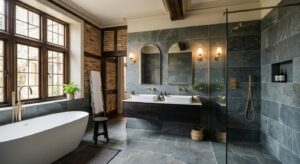
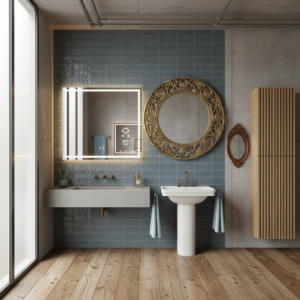
Bathroom design trends in 2025 emphasize a blend of understated luxury, sensory engagement, and innovative technology to create spaces that are both functional and aesthetically pleasing. One of the key trends is the use of natural materials and organic shapes, with colorful marble and beautifully textured tiles becoming popular choices to add depth and tactile interest to bathrooms. These textures are extending beyond tiles to sinks, vanities, and lighting fixtures, offering a personalized and relaxing experience that appeals to multiple senses.
Open-concept showers are gaining momentum as a way to enhance spaciousness and modernity in bathrooms. By eliminating bulky shower doors or curtains, these designs foster an unobstructed flow that makes even small bathrooms feel airy and seamless. This approach contributes to a sleek and contemporary look while maintaining high functionality.
Luxury finishes also play a significant role in current bathroom trends. Homeowners and designers are opting for natural stone countertops, modern hardware with clean lines, backlit backsplashes, and statement lighting to add drama and elegance. Coordinating fixtures and accessories such as mirrors, soap dispensers, and toothbrush holders contribute to a cohesive and refined aesthetic.
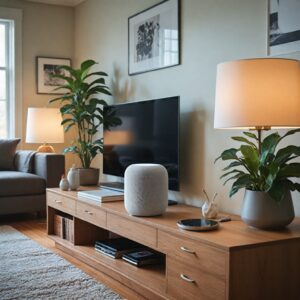
Technological integration is another hallmark of modern bathroom design. Smart technology—including smart showers, programmable thermostats, touchless faucets, and dual-flush toilets—enhances convenience, energy efficiency, and water conservation. Smart mirrors and lighting systems provide additional functionalities like weather updates and voice control, making the bathroom a more interactive and intelligent space. A growing number of homeowners (32% according to a Houzz survey) are incorporating these technologies during renovations, highlighting the increasing demand for connected bathroom experiences.
For those seeking a more minimalist and natural vibe, design ideas such as microcement surfaces inspired by urban zen aesthetics are also trending. These finishes create a clean, modern look that emphasizes simplicity and calm.
Whether undertaking a full renovation or smaller updates, current bathroom trends encourage thoughtful choices in layout, fixtures, and decor that balance beauty, comfort, and innovation to transform the bathroom into a personalized sanctuary.
Accessibility Features in Modern Bathroom Renovations
Modern bathroom renovations increasingly prioritize accessibility to accommodate elderly individuals and those with disabilities, ensuring safety and comfort within these essential spaces. Incorporating handicap showers, transfer showers, shower seats, and wheelchair access are common starting points in remodeling projects tailored to enhance usability for people with limited mobility. These features help mature adults and individuals relying on walkers or wheelchairs to navigate bathrooms safely and independently, supporting aging-in-place lifestyles.
While the Americans with Disabilities Act (ADA) provides guidelines primarily for commercial and institutional settings, residential bathroom renovations often adapt these standards flexibly, especially when space is limited. For example, doors in accessible toilet rooms can be designed to swing into fixture clearances if there is sufficient unobstructed space beyond the door, facilitating easier entry for wheelchair users. However, residential remodels are not always legally bound to meet strict ADA requirements, allowing customization that balances accessibility with personal preference and spatial constraints.
Practical design considerations play a critical role in creating an accessible bathroom environment. Smooth transitions between different flooring surfaces minimize tripping hazards and ease movement for mobility devices, while the removal of floor clutter and provision of dedicated storage for medical devices improve overall safety. Utilizing contrasting colors between floors and walls enhances spatial orientation for individuals with visual impairments, making it easier to distinguish different areas within the bathroom. Entryways should also be optimized for easy maneuverability.
Lighting is another essential accessibility feature. Properly layered lighting—including task, ambient, and accent layers—improves visibility and safety for users with low vision, while large rocker switches installed at reachable heights from sitting or standing positions facilitate ease of use. Although the ADA does not specify exact lighting levels, well-planned illumination is crucial to accommodate a diverse range of needs.
Incorporating smart technologies into accessible bathrooms can further enhance functionality. Features such as touchless faucets, voice-activated controls, and smart mirrors provide convenient, hygienic, and intuitive operation, contributing to an improved user experience and greater independence. These technologies also offer environmental benefits by optimizing water and energy use.
Functional Improvements Beyond Aesthetics
Bathroom renovations often go beyond simply updating the look of a space; they focus on enhancing functionality to improve daily living and long-term home value. One of the most critical functional aspects addressed in a remodel is storage optimization
Eco-Friendly and Sustainable Bathroom Renovations
Eco-friendly and sustainable bathroom renovations focus on using materials and fixtures that reduce environmental impact while enhancing the aesthetic and functionality of the space. Central to this approach is the selection of durable, eco-conscious materials such as reclaimed wood, bamboo, cork, recycled glass tiles, and recycled steel, all of which help minimize the use of virgin raw materials and support recycling efforts. For example, steel is not only sleek and modern but is also one of the most recycled materials on the planet, making it an excellent choice for freestanding tubs that combine luxury with sustainability.
Water conservation plays a pivotal role in sustainable bathroom design. Installing water-efficient fixtures such as low-flow faucets, dual-flush toilets, and WaterSense-labeled showerheads significantly reduces water waste and lowers utility bills without compromising performance. These modern fixtures are designed to conserve both water and electricity, contributing to an eco-conscious household that benefits the environment and reduces long-term costs.
Energy efficiency is another important factor in sustainable renovations. LED lighting has become the preferred choice for bathroom illumination due to its superior energy savings, longevity, and customizable color temperatures, which can enhance the ambiance and usability of the space. Proper installation of switches and outlets, such as large rocker switches accessible from multiple positions, adds convenience and a sleek, modern appearance to the bathroom.
Beyond environmental benefits, sustainable bathroom renovations contribute to improved health and well-being by incorporating non-toxic, safer materials that promote better indoor air quality. Choosing non-porous countertops and eco-friendly construction materials facilitates easier cleaning and reduces allergens. Thoughtful budgeting and prioritizing cost-effective sustainable options ensure that these renovations are financially feasible while maximizing environmental impact.
Challenges in Bathroom Renovations
Bathroom renovations are often more complex and demanding than many homeowners initially expect. One of the primary challenges lies in managing the intricate plumbing work involved. Proper budgeting is essential, as plumbing tasks can range from replacing old pipes to installing new fixtures and addressing unforeseen issues such as hidden water damage or code violations. Obtaining detailed quotes from licensed and insured professionals helps ensure that all potential costs—including materials, labor, and compliance with construction and plumbing codes—are accounted for.
Another significant challenge is the necessity of adhering to building codes and safety regulations. These codes exist to protect the occupants and the structural integrity of the building, making it imperative to engage qualified experts who can guarantee that all work meets legal standards. Failure to comply may lead to costly corrections or pose risks to residents.
Moisture and humidity present ongoing difficulties during bathroom renovations, as the space is consistently exposed to water. Selecting appropriate, water-resistant materials and ensuring effective waterproofing are crucial to prevent mold growth, structural damage, and long-term deterioration. Waterproofing is not merely a recommendation but a necessity to maintain the bathroom’s durability and health safety.
Sustainability considerations introduce additional complexity. Incorporating eco-friendly fixtures, low-VOC paints, and reclaimed or recycled materials requires thoughtful planning and often higher upfront investments. Homeowners must balance these costs with long-term benefits such as water and energy savings, as well as environmental impact. Budgeting for these sustainable choices and installation expenses demands strategic financial preparation.
Furthermore, bathroom renovations typically require a significant time commitment. Even minor updates can extend over several weeks, disrupting daily routines, especially when the bathroom is frequently used. This time factor, combined with the potential for unexpected issues like hidden water damage, can add to the overall stress and complexity of the project.
Lastly, homeowners should be aware that despite the initial investment, not all renovation expenses are fully recouped through increased home value, particularly in markets less inclined to pay premiums for luxury or eco-friendly features. Therefore, focusing on durable, neutral designs that appeal to broad market expectations while integrating sustainable options can help maximize the return on investment and long-term satisfaction.
Case Studies and Examples
Bathroom renovations across various regions have demonstrated significant benefits in terms of both functionality and environmental impact. In Australia, for instance, DIY projects and tradespeople emphasize sustainable approaches that not only enhance the aesthetic appeal of bathrooms but also improve energy efficiency and water conservation. These renovations often incorporate eco-friendly features such as radiant flooring and the use of light-emitting diode (LED) bulbs, which contribute to reduced energy consumption and lower utility costs.
A notable example comes from the United States, where Michael Tobias, Founding Principal of NY Engineers, has led over 4,000 projects focusing on sustainable bathroom designs. His team’s work highlights the integration of energy-efficient heating systems and environmentally friendly materials that align with contemporary green building standards. These projects serve as benchmarks for combining comfort, sustainability, and cost-effectiveness in bathroom renovations.
Moreover, industry research and consumer trend analyses, such as the 2025 U.S. Houzz Bathroom Trends Study, provide valuable insights into the evolving preferences toward sustainable and innovative bathroom solutions. These studies reveal increasing homeowner interest in renovations that not only improve the usability of their spaces but also contribute positively to environmental conservation efforts. Together, these case studies and market data underscore the transformative potential of bathroom renovations when approached with sustainability and design innovation in mind.
The content is provided by Avery Redwood, Home Upgrade News