
Summary
The article “Discover 10 Simple Tips to Transform Your Home into an Energy-Saving Haven” offers an overview of energy efficiency, its importance, and practical tips to implement it in residential buildings. With escalating energy prices and the pressing issue of climate change, employing simple energy-saving measures is attainable for most homeowners and can lead to significant cost and environmental savings. Energy efficiency in homes has become increasingly important due to the rise in domestic energy consumption, with contemporary homes using 37% more energy than in 1980. This article presents strategies and technologies to enhance energy efficiency, from daily habits to insulation, energy-efficient appliances, and renewable energy systems, offering homeowners diverse options to transform their homes into energy-saving havens. It also discusses the financial, regulatory, and awareness challenges in adopting energy-saving measures, and government policies and financial incentives to overcome them. Despite the initial investment, the long-term benefits of energy efficiency include continuous energy and utility cost savings, making it a particularly crucial consideration for low- and moderate-income households. Technological innovations are making sustainable living a reality, with homeowners able to harness renewable energy for a greener future and increased independence from traditional energy sources.
Understanding Energy Efficiency
Energy efficiency is a solution aimed at reducing energy consumption without compromising the functioning of a building. With rising energy prices and the ongoing climate crisis, simple energy efficiency measures, such as turning down the heating, switching off unused lights and appliances, and purchasing energy-efficient products, are achievable for most people. More significant investments can further increase the energy efficiency of homes and other buildings.
The use of energy in our daily lives, from heating and cooling to electronics and appliances, has increased significantly over the years. Homes today use 37 percent more energy than they did in 1980. However, this figure would be even higher if not for energy efficiency solutions brought about by technological innovation and federal energy conservation standards.
Making homes energy-efficient before installing renewable energy systems can lead to significant savings on electricity bills. Energy-efficiency improvements such as proper insulation, air sealing, ENERGY STAR®–qualified windows, heating and cooling equipment, kitchen appliances, and lighting systems, can help conserve energy and prevent heat or cool air from escaping.
Even small changes to energy usage can contribute to savings and environmental sustainability. For example, switching from an electric fan heater to a split system can save an average home nearly $700 a year on bills. Energy Saver offers regular updates on content and energy-saving tips for consumers and homeowners.
The investment in energy efficiency is unique, as while there is a one-time incremental cost, the benefits in terms of energy and utility cost savings persist over time. This is particularly significant for low- and moderate-income renters and homeowners, who spend a higher share of their incomes on energy than other households. When calculating financial credit for energy efficiency measures, subsidies, rebates, or other financial incentives may need to be subtracted from qualified property expenses as they are considered purchase price adjustments.
Technological advancements are revolutionizing sustainable living. Incorporating renewable energy into residences can reduce utility bills, help combat climate change, and create energy-sufficient homes with greater independence from the grid. Homeowners no longer need to rely solely on traditional energy sources such as the electric grid and fossil fuels to power their homes. By embracing renewable energy sources, homeowners can significantly promote a greener future while enjoying long-term financial benefits and increased self-sufficiency.
Practical Energy-Saving Tips for Homeowners
The conservation of energy is a responsibility that every homeowner can undertake, resulting in not only a reduced impact on the environment but also significant cost savings over time. This section provides a variety of practical energy-saving tips that homeowners can readily apply to their daily routines and household appliances.
One of the most straightforward ways to reduce energy usage is to make the most of natural light. This means keeping curtains open during daylight hours to lessen the reliance on artificial lighting. When artificial light is necessary, replacing incandescent bulbs with LED versions can result in up to 90% less energy usage.
In terms of home appliances, the kitchen contains numerous energy-consuming devices, including refrigerators, dishwashers, and stoves. Opting for the most efficient models can significantly reduce energy use. Moreover, setting the water heater at no more than 120 degrees Fahrenheit can conserve energy, as water heating accounts for approximately 18% of the energy consumed in a typical home.
Upgrading to a programmable or smart thermostat can lead to substantial energy savings. These devices learn the homeowner’s habits and automatically adjust the temperature accordingly, reducing heating and cooling costs by up to 15%. Other efficiency improvements, such as air sealing homes and adding insulation in attics, floors over crawl spaces, and basements, can also lead to an average saving of 11% on total energy costs.
The use of advanced home technologies can also contribute to energy efficiency. For instance, the integration of automated control systems and energy-efficient window designs can optimize the amount of light and maintain the inside temperature.
Beyond these measures, homeowners can also consider sustainable and efficient alternatives to traditional heating systems, such as geothermal heating or heat pump water heaters, both of which use natural resources to provide heating and cooling. Furthermore, having a home energy assessment can identify features contributing to high energy bills and suggest improvements for better efficiency.
Lastly, incorporating renewable energy, such as solar power, wind power, hydropower, and biomass fuels, can reduce reliance on the traditional energy grid and promote a greener future. Thus, transforming a home into an energy-saving haven not only benefits the environment but can also lead to significant cost savings in the long term.
Investment in Energy-Efficient Appliances
Although there are several measures that can be practiced easily, such as turning off lights, computers and TVs when they are not in use or reducing the heating by a few degrees, some measures demand considerable investments. One such substantial measure is the purchase of energy-efficient appliances.
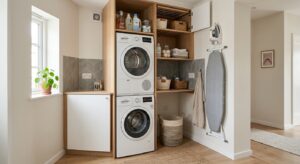
While energy-saving behaviors can reduce energy use significantly, even in the absence of new appliances, the purchase of the most efficient appliances can offer a considerable reduction in energy consumption. Kitchens, in particular, host a range of energy-consuming appliances and there exist several ways to curb their energy use.
Interestingly, although microwave ovens are common in many kitchens, there is not much difference in the energy efficiency between different models. However, a microwave oven can heat up food using up to 80 percent less energy than a traditional oven. Thus, for individuals seeking speed and efficiency, smaller microwaves rated at 600-800 watts can prove to be more energy-efficient. Upgrading to energy-efficient appliances not only saves money but also helps in shrinking the carbon footprint.
Energy-Saving Habits
Practicing energy-saving habits can result in substantial savings and environmental benefits. A variety of methods exist for reducing energy usage, some of which are relatively easy to implement, while others may require more significant investments.
One simple way to conserve energy is to modify behaviors around home appliances. Even without purchasing new, more energy-efficient models, changes in usage can significantly cut energy use. For instance, reducing the temperature of your home water heater to no more than 120 degrees Fahrenheit can conserve energy and prevent potential scalding accidents. The energy used for water heating constitutes approximately 18% of the total energy consumed in a home, suggesting that such small modifications can have a considerable impact.
In addition to modifying appliance usage, energy conservation can also be achieved by managing heating and lighting in the home. Turning down the heat by a few degrees, switching off lights, computers, and TVs when not in use can all contribute to energy savings. Dressing more warmly indoors during winter months can also help reduce the need for heating and subsequently lower energy costs.
For those willing to make a more substantial investment for long-term energy conservation, hybrid heat pumps provide an effective solution for home heating. These can facilitate significant decarbonization and cost savings in the building industry. The variety of energy-saving measures ensures that everyone can participate in energy conservation, regardless of their resources.
Implementation of Home Insulation for Energy Efficiency
Home insulation is a crucial factor in transforming a home into an energy-saving haven. Insulation provides resistance to heat flow, reducing both heating and cooling costs and improving the overall comfort of the home. Not only does the right insulation significantly enhance home efficiency, but it can also create a more comfortable living space while saving you money and improving your quality of life.
Advantages of Proper Insulation
The implementation of proper insulation can contribute significantly to making a home more energy-efficient. This strategy can lead to considerable savings on electricity bills by conserving energy and preventing the escape of heat or cool air. Different types of insulation offer various benefits and can be applied according to the specific needs of the home. For instance, blown insulation, typically made of fiberglass, cellulose or mineral wool, is especially effective for attics and can cover hard-to-reach or oddly shaped areas.
Insulation Types and Installation
When considering insulation types, it is recommended to opt for those that have been thoroughly tested in the United States. Insulation, such as blown insulation, is sprayed into place with pneumatic equipment, which can fill wall cavities. The cost of this type of insulation is mid-range compared to other types, and its R-values range from R-2.2 to R-3.8, depending on the insulation material used.
In many cases, homeowners will need to hire a company specializing in insulation removal to replace all of the attic’s insulation, which could potentially lead to spending thousands of dollars. Therefore, it is crucial to make a well-informed decision about the type of insulation suitable for your home.
Energy-Efficiency Improvements
Before installing a renewable energy system, homeowners are advised to make their home energy-efficient. Insulation is a critical component of this process, but it also involves other aspects such as air sealing, installing ENERGY STAR®–qualified windows, heating and cooling equipment, kitchen appliances, and lighting systems. All these elements together contribute to creating an energy-saving haven, conserving energy, and significantly reducing utility bills.
Understanding and Overcoming Challenges in Implementing Energy-Saving Measures
Implementing energy-saving measures can be an effective way to reduce energy consumption and environmental impact while also potentially saving money. However, there are significant challenges in adopting such measures, which often involve a lack of awareness and understanding, financial barriers, regulatory and policy hurdles, and the issue of split incentives.
Lack of Awareness and Understanding
A key challenge is the lack of awareness among consumers, businesses, and policymakers about the benefits of energy efficiency and the methods for implementing energy-saving measures. Education and awareness campaigns can play a vital role in addressing this barrier by disseminating information about the benefits and practical methods of energy conservation.
Financial Barriers
Financial constraints are another significant hurdle in adopting energy-saving measures. Programs that offer financial assistance for training and educating contractors involved in the installation of home energy efficiency and electrification improvements can help overcome these barriers. Moreover, the use of financial incentives, such as rebates for the installation of energy-efficient appliances, can make these measures more affordable.
Regulatory and Policy Challenges
Regulatory and policy challenges can also hinder the adoption of energy-efficient measures. Strong government policies and regulations that support technological advancements, innovative business models, and stakeholder engagement can facilitate the adoption of these measures.
Solutions and Future Innovations
Several solutions are being implemented and developed to promote energy efficiency. Examples include accelerating the adoption of clean power and electric solutions, providing credits for high-efficiency appliances, and adopting a tiered approach with different standards for single- and multi-section manufactured homes. Other solutions recognize the unique nature of the energy efficiency investment, providing long-term benefits in terms of energy and utility cost savings to the consumer.
In the future, we can expect further breakthroughs from National Labs, industry, and academia that will make our homes even more sustainable. Technological innovations, such as smart thermostats and solar energy solutions, are revolutionizing sustainable living and shaping a greener future.
Advanced Technologies and Trends in Home Energy Efficiency
Advancements in technology and efficiency standards have contributed significantly to reducing energy consumption in our homes . Since 1980, energy usage has risen by 37%, but this increase could have been much higher without these advancements and federal energy conservation standards .
Smart appliances represent another advanced trend in home energy efficiency. By integrating these appliances into their homes, consumers can enjoy not only increased energy efficiency, but also reduced utility bills and greater convenience in their daily lives . Smart windows, in particular, are innovative solutions that enhance energy efficiency in homes by dynamically controlling the amount of sunlight and heat entering the living space .
Government Policies and Regulations Promoting Energy Efficiency
Regulations and policies play a crucial role in promoting the adoption of energy-efficient measures. These measures not only contribute to the reduction in energy consumption and emissions of greenhouse gases but also lower utility bills for residents and property owners. In face of the dual challenge of rising energy prices and the continued climate crisis, such measures are essential.
However, a key regulatory challenge is the lack of incentives for energy efficiency adoption. Often, policies and regulations do not provide adequate incentives for consumers to invest in energy-efficient measures if they do not reflect the true cost of energy consumption.
Nevertheless, policymakers, businesses, and organizations are urged to work together to address these barriers. Several solutions are available, including education and awareness campaigns, strong government policies and regulations, financial incentives, supporting technological advancements, innovative business models, and fostering collaborative partnerships and stakeholder engagement.
The implementation of such measures can be seen in Federal energy efficiency standards for Federal commercial and multi-family high-rise residential buildings, and Federal low-rise residential buildings. For instance, the U.S. Department of Energy (DOE) has adopted new energy standards for manufactured housing that will save consumers a substantial amount on their annual utility bills and reduce carbon emissions by 80 million metric tons. This figure is equivalent to the energy use of over 10 million homes in one year. The new efficiency standards, which include updates to insulation and sealing requirements, align with President Biden’s goal of achieving net-zero emissions by 2050.
Financial Incentives for Energy Efficiency
Consumers have access to various financial incentives and assistance for adopting energy-efficient and renewable energy products. These aids come in the form of rebates, tax credits, or financing programs. These financial incentives can be found categorized by states and can include rebates, loans, grants, or bonds for energy efficiency improvements. Income tax credits and deductions are also available for individuals or businesses, along with sales tax exemptions or reductions for eligible products.
Several barriers prevent widespread adoption of energy-efficient measures. These barriers include financing obstacles, lack of awareness and understanding, regulatory and policy challenges, and split incentives. Collaborative efforts from policymakers, businesses, and organizations can help address these barriers. Solutions to these barriers can range from education and awareness campaigns to strong government policies and regulations, financial incentives, support technology advancements, innovative business models, and stakeholder engagement.
Specific city-pro
The content is provided by Avery Redwood, Home Upgrade News