Summary
Enchanting Pink Dreams: The Captivating Story of Barbie’s Whispers is a multifaceted creative work by fantasy author and artist Mara Amberly that blends poetry, short stories, and digital art to explore the cultural and symbolic dimensions of the Barbie doll. Drawing inspiration from Barbie’s status as a global icon since her debut in 1959, the collection intertwines themes of romance, mysticism, and fantasy with broader social discourses on gender, diversity, and identity.
Barbie, originally conceived to inspire young girls to envision their futures, has evolved into a complex cultural symbol reflecting changing societal values and controversies surrounding representation and femininity. Amberly’s work delves into these tensions by portraying Barbie and her universe with a mixture of enchantment and critical insight, highlighting both empowerment and the contradictions inherent in Barbie’s image as a consumer icon and a figure of traditional gender norms.
The narrative incorporates magical and whimsical elements that enrich the storytelling experience, inviting readers to engage with a richly imaginative world populated by Barbie and her extended circle of characters. This blend of fantasy and cultural critique resonates with contemporary discussions about popular culture’s role in shaping identity and social expectations.
Enchanting Pink Dreams has been noted for its artistic ambition and its capacity to connect with audiences across generations, reinforcing Barbie’s enduring relevance. The work contributes to ongoing conversations about Barbie’s legacy in media, fandom, and cultural discourse, acknowledging both the brand’s historical challenges and its evolving significance in the 21st century.
Background
Since her debut in 1959, the Barbie doll has become a cultural icon in American society, maintaining a dominant presence in the toy industry for over six decades. Originally created by Ruth Handler to “allow girls to project their future self,” Barbie has evolved into a household name, with an estimated average of eight dolls per American girl, generating approximately $1 billion in annual sales. Over the years, Barbie has continuously adapted to changing social landscapes and market demands, including a radical makeover aimed at redefining an American icon and broadening its appeal.
Mattel’s innovative marketing strategies have played a crucial role in Barbie’s sustained popularity. The brand has leveraged social media platforms to build a strong sense of community among fans, encouraging interactive campaigns and collaborations with influential personalities and content creators. One notable example is the collaboration with Airbnb, where the iconic pink Malibu Dreamhouse was made available for rent, enhancing Barbie’s connection with diverse audiences.
In addition to the traditional doll market, Barbie has expanded into various media formats since the 1980s to engage new generations. Beginning in 1984, Mattel launched an eponymous media franchise that included video games and syndicated television specials, such as Barbie and the Rockers: Out of This World and its sequel, which helped to sustain Barbie’s relevance amid the rise of digital and interactive media.
The concept of “whispers” has surfaced in various cultural contexts, including within the Barbie universe. For instance, in the recent film Barbie, subtle references like an Uno deck seen in the background hint at deeper narrative layers, such as telepathic communication or hidden messages that enrich the story’s texture. This aligns with broader themes found in other media exploring mysterious or unseen influences, as in the thriller The Whispers, where an unknown force manipulates children in a suspenseful race to save humanity.
Moreover, Barbie’s storytelling often incorporates empowering life lessons, addressing themes such as self-discovery, challenging gender stereotypes, environmental consciousness, and the celebration of friendship and collaboration. These narratives aim to inspire and educate viewers, demonstrating how animation and related media can be powerful vehicles for conveying meaningful messages and fostering positive social change. However, discussions around Barbie also acknowledge ongoing challenges related to racial representation and diversity, with efforts to address issues of “hair type, facial features, and skin color” evolving over time.
Through a combination of cultural relevance, media innovation, and thoughtful storytelling, Barbie continues to captivate audiences and maintain its iconic status in a rapidly changing world.
Content Overview
Enchanting Pink Dreams: The Captivating Story of Barbie’s Whispers is a unique and creative compilation that blends poetry, short stories, and digital art, crafted by fantasy author and artist Mara Amberly. The collection showcases a variety of imaginative works, including fantasy short stories such as The Forest Dweller and Diary of a Harbinger, reflecting years of creative effort and a treasure trove of beautiful words and images.
The narrative intertwines elements of romance, mysticism, fantasy, and beauty, offering readers an enchanting experience that transcends typical genre boundaries. This fusion of themes invites exploration of deeper emotional and mystical connections, resonating with the allure and mystery often associated with Barbie as a cultural icon.
Beyond the literary and artistic content, the work also touches upon broader cultural and social discussions surrounding Barbie. It acknowledges the complexities of Barbie’s representation, including issues of diversity, racial boundaries, and gender discourse. These aspects highlight how Barbie functions not only as a toy but also as a symbol shaped by and reflective of societal values and tensions.
Characters and Setting
The narrative world of Enchanting Pink Dreams: The Captivating Story of Barbie’s Whispers features a diverse cast of characters centered around Barbie and her extended circle. Barbie herself is accompanied by a range of friends and family members, including iconic figures such as Ken and her younger sisters Skipper, Stacie, and Chelsea, each contributing to the rich tapestry of relationships and stories within the series.
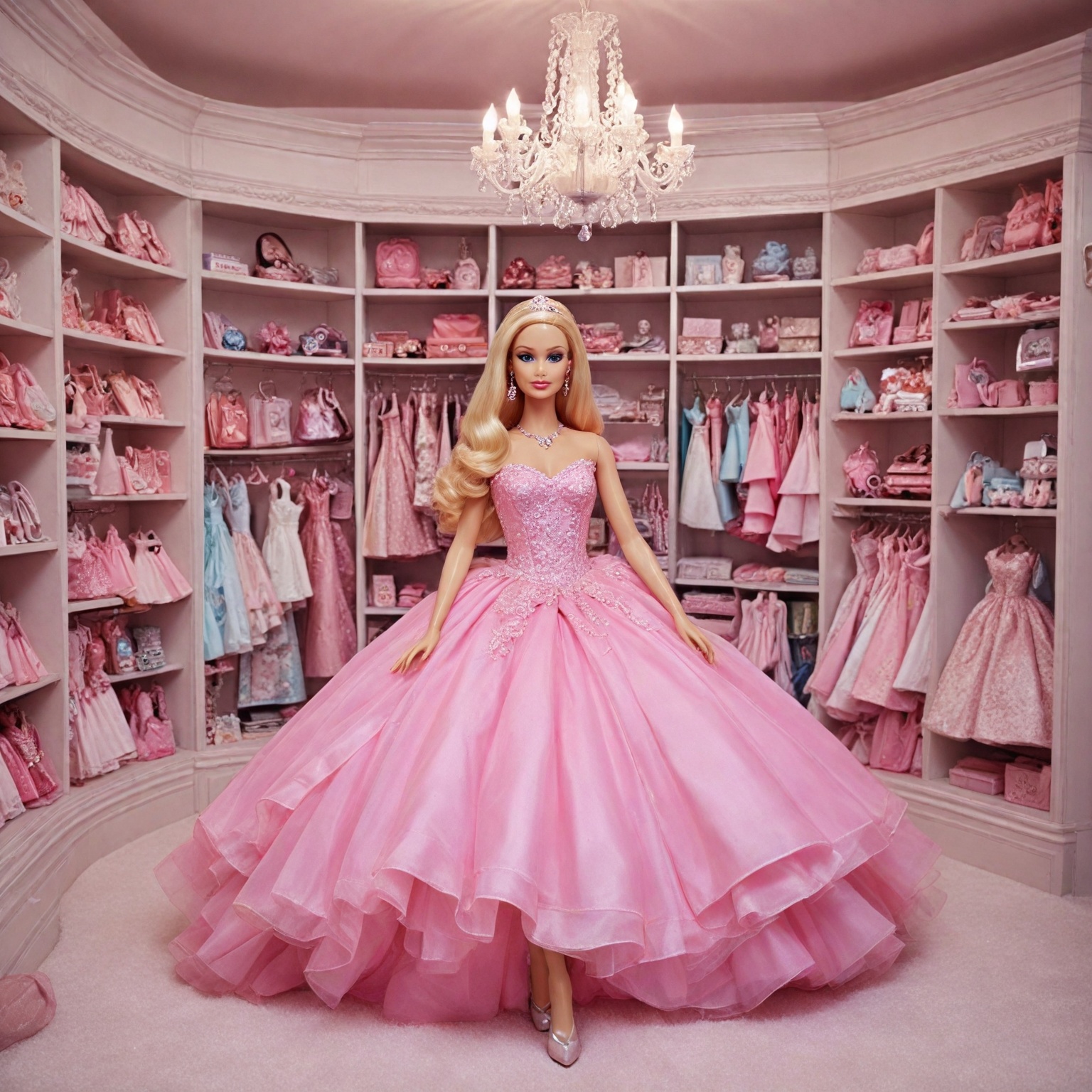
In addition to the human characters, the setting often incorporates magical and whimsical elements that enhance the fantastical atmosphere. For example, Barbie’s morning routine involves a magical dressing experience where she stands before her closet and is dressed instantly, blending everyday life with enchanting fantasy. This blend of the ordinary and the mystical creates a unique world where romance, beauty, and fantasy intertwine seamlessly.
The characters are designed to inspire creativity and self-expression, supported by a vast array of accessories and settings that allow young audiences to craft their own imaginative stories. This aspect is emphasized through the signature Barbie dolls and their accessories, which range from clothing to household items, enabling a personalized storytelling experience.
Themes and Analysis
Enchanting Pink Dreams: The Captivating Story of Barbie’s Whispers explores a rich tapestry of themes centered on cultural identity, gender roles, and the influence of popular culture. A predominant theme is the complex construction of femininity as embodied by Barbie, which promotes consumerism as a form of empowerment and personal expression. Barbie encourages girls to view fashion and creativity as avenues to assert individuality, reflecting a normative rhetoric of femininity deeply intertwined with societal expectations.
The narrative also engages with feminist discourse, highlighting the tension between traditional gender norms and evolving expectations of women’s roles. While Barbie symbolizes both the pressures of maintaining idealized appearances and the pursuit of demanding careers, non-feminist critiques often dismiss her as an anachronistic icon, yet her continued cultural relevance underscores her symbolic significance in negotiating gendered identities.
Literary elements within the work further emphasize the critique of oppressive beauty standards and rigid gender expectations. Poems such as “The Limited Edition Platinum Barbie” and “One Afternoon When Barbie Wanted to Join the Military” use hyperbole to expose the dystopian extremes of societal pressures, challenging readers to reconsider normalized ideals of beauty and femininity. Through these depictions, the text underscores the contradictions inherent in Barbie’s image as both a source of empowerment and a vehicle of restrictive norms.
Additionally, the theme of creative practice and pop culture commentary surfaces vividly in the visual and textual representation of Barbie. The playful yet thoughtful portrayal of Barbie as a cultural object invites reflection on class and cultural confusions, illustrating how popular icons can simultaneously reinforce and question prevailing social structures.
Beyond gender and cultural critique, the narrative subtly weaves in messages of empowerment, self-discovery, and collaboration, resonating with universal life lessons. These dimensions enrich the story’s appeal and educational value, demonstrating how animation and literary art forms can inspire positive social change through thoughtful storytelling.
In sum, Enchanting Pink Dreams offers a multifaceted analysis of Barbie’s cultural symbolism, balancing critique and celebration of her role within popular culture, gender discourse, and creative expression.
Production Details
The Barbie film series initially launched as direct-to-video releases beginning in 2001 and subsequently aired regularly as television specials on Nickelodeon in the United States from 2002 until early 2017, establishing a strong presence in children’s entertainment media. The franchise has since evolved into one of the highest-grossing media franchises of all time and is often referred to by fans as the “Barbie Cinematic Universe”.
In 2022, the production of a new Barbie film starring Margot Robbie and Ryan Gosling as the titular characters sparked widespread interest not only in the film itself but also in the fashion choices of the actors. This attention led to significant involvement from the fashion industry, with multiple brands entering into licensing agreements with Mattel, the owner of the Barbie trademark, to create collections inspired by Barbie’s iconic style. The film’s premiere catalyzed a resurgence of Barbie-inspired fashion trends, further cementing the character’s influence beyond the screen.
Parallel to the Barbie franchise, the television series The Whispers, created by Soo Hugh and featuring actors such as Lily Rabe, Barry Sloane, Milo Ventimiglia, and Derek Webster, explores suspenseful themes involving children manipulated by an unseen force. Although separate from Barbie’s narrative, this series adds to the broader cultural tapestry of contemporary children’s and family entertainment.
Reception
Enchanting Pink Dreams: The Captivating Story of Barbie’s Whispers has garnered a generally favorable reception from both critics and audiences. The series was praised for its intriguing blend of supernatural mystery and a compelling ensemble cast of young actors. Review aggregator Rotten Tomatoes reports a 74% approval rating with an average score of 6.8/10 based on 32 reviews, highlighting its structural soundness and stimulating narrative despite occasional predictability and pacing issues. Similarly, Metacritic assigns the series a score of 61 out of 100 based on 21 critics, indicating generally favorable reviews.
Critical commentary has noted the series’ unique ability to merge elements of mysticism, fantasy, and emotional depth. This creative approach has been compared to works combining poetry, short stories, and digital art, underscoring the show’s artistic ambition. Additionally, cultural critics have explored how themes present in the narrative resonate with broader societal conversations about gender roles and expectations, drawing parallels with literary critiques of Barbie as a cultural icon.
The reception extends beyond critical reviews, with audiences embracing the series’ atmosphere of enchantment and sophistication. Fans have celebrated the show’s ability to evoke a world of elegance, much like the larger Barbie phenomenon that inspires fandoms across generations and sectors, including travel and hospitality. The widespread appeal has been bolstered by extensive brand partnerships that created immersive experiences, such as the notable collaboration with Airbnb, which allowed fans to stay in a life-sized Malibu Dreamhouse, deepening the cultural impact of the Barbie narrative.
Relationship to Barbie Franchise and Fandom
Barbie has cultivated a deeply engaged and diverse fanbase that spans generations, driven by its iconic status and cultural significance since its debut in 1959. The brand’s relationship with its fans extends beyond mere toy ownership, fostering a vibrant community centered around shared experiences and nostalgia. Barbie enthusiasts connect over characters, dolls, and the broader universe of Barbie-related content, creating a unique fan culture that celebrates creativity and personal expression.
Mattel has played a pivotal role in strengthening this relationship through innovative marketing and media strategies. Their use of social media platforms enables interactive and captivating campaigns that invite fans to share their personal Barbie stories, thereby enhancing a sense of belonging and participation within the community. Collaborations with influential personalities and content creators further diversify Barbie’s reach, connecting with audiences across various demographics. A notable example includes the partnership with Airbnb, where Barbie’s iconic Malibu Dreamhouse was made available for rent, this time hosted by Ken, demonstrating the brand’s ability to merge fantasy with real-world engagement.
The Barbie franchise has also expanded into multiple media formats, contributing to its cultural footprint and fan interaction. Beginning in the mid-1980s, Barbie featured in video games and syndicated television specials, evolving into a media franchise that encompasses films, music, and streaming content. Mattel’s agreement with Warner Music Group and collaboration with Netflix have made Barbie’s music and film catalog more accessible, further solidifying its presence in contemporary entertainment.
Fans of Barbie include a wide range of celebrities, such as the Kardashians, Kate Hudson, Brie Larson, and Jennifer Garner, highlighting the brand’s broad appeal and cultural relevance. The fandom thrives on qualities such as loyalty, quality, and a comforting, family-oriented brand image that resonates with audiences worldwide. This connection was especially poignant during the COVID-19 pandemic when the concept of comfort and “a dream wrapped in a hug” became more significant, demonstrating how Barbie’s influence transcends toys to embody emotional support and community.
Moreover, Barbie’s recent media portrayals, including the critically acclaimed film starring Margot Robbie, reflect and reinforce the franchise’s deep-rooted cultural narratives. The film’s nuanced humor, social commentary, and numerous Easter eggs about the toy’s 60-year history celebrate the legacy and evolution of Barbie while engaging fans with fresh storytelling that respects the brand’s heritage.
Legacy and Cultural Impact
Barbie, as a cultural icon, has maintained a significant and evolving presence in society since her introduction. Initially met with criticism, particularly from feminist movements that viewed her as an unrealistic and potentially harmful representation of womanhood, Barbie has undergone a complex process of re-appropriation. Over time, she has come to embody diverse meanings and continues to influence the ways in which femininity and identity are constructed within contemporary culture.
As a cultural object, Barbie repeatedly re-enters the “human circuit of discourse,” reflecting and shaping societal conversations around gender roles, expectations, and status boundaries. Critics and scholars analyze her representation as a reflection of broader social dynamics, including the tensions between traditional ideals and modern aspirations for women balancing demanding careers and personal lives. This ongoing discourse positions Barbie not merely as a toy but as a symbol through which late capitalist culture communicates notions of femininity and selfhood.
Moreover, Barbie’s impact extends beyond social critique into global literature and cultural patrimony. She forms part of a larger dialogue involving global literature that transcends ethnic and linguistic borders, resonating with diverse audiences worldwide. The recent Barbie film, for example, harnesses animation as a powerful medium to deliver messages of empowerment, self-discovery, environmental consciousness, and the celebration of friendship and collaboration. These themes reflect a deliberate effort to inspire and educate viewers, highlighting Barbie’s continuing relevance in contemporary cultural narratives.
In sum, Barbie’s legacy is multifaceted: she is at once a contested symbol, a vehicle for social commentary, and a medium for conveying progressive values. Her enduring presence in popular culture underscores her role as a dynamic cultural object that both mirrors and influences societal change.
Related Works and Media
The Barbie franchise has expanded across various media formats, including animated films, streaming specials, and an extensive range of merchandise. Beginning in 2017 with Barbie: Dolphin Magic, the franchise transitioned primarily to streaming platforms such as Netflix, Amazon Prime Video, Google Play, and Apple TV+, while still allowing for traditional television broadcasts through agreements maintained by Mattel. This shift marked a new era for Barbie’s presence in digital media.
In 2020, Mattel revamped the film offerings by producing computer-animated
The content is provided by Jordan Fields, Home Upgrade News