
Summary
Unlocking the Secrets of Sustainable Living with SmartThings and Leap explores how innovative smart home technologies and virtual power plant (VPP) platforms are transforming everyday energy consumption to promote sustainability. This collaboration centers on enabling households to reduce their carbon footprint and utility costs by integrating smart devices, real-time energy monitoring, and demand response programs. By leveraging SmartThings’ energy management ecosystem and Leap’s grid-balancing software solutions, users can actively participate in the energy transition while benefiting from rewards and enhanced convenience.
At the heart of this partnership is the Flex Connect program, which empowers eligible users in select U.S. states to automate energy-saving actions during peak demand periods, helping stabilize the electric grid and support the integration of renewable energy sources such as solar and wind power. This system exemplifies how technology can bridge consumer behavior and grid resilience, making sustainable living accessible and rewarding through features like automated device control, energy usage insights, and Samsung Rewards incentives.
SmartThings, a global connected living platform by Samsung, leads the market with its Smart Home Energy Management System—the first mass-market product to earn ENERGY STAR certification—highlighting the growing importance of smart home solutions in environmental stewardship. Meanwhile, Leap’s software-driven approach extends beyond residential energy management to address broader sustainability challenges, including reducing emissions in industrial logistics and advancing net-zero carbon remediation projects.
Despite these advances, the integration faces challenges such as ensuring widespread consumer engagement, navigating regional energy infrastructure variability, and maintaining privacy and interoperability standards. Nonetheless, the ongoing collaboration between SmartThings and Leap demonstrates a promising model for harnessing technology to make sustainable living practical, effective, and scalable amid global climate and economic pressures.
Sustainable Living: Concepts and Importance
Sustainable living focuses on reducing one’s daily carbon footprint by adopting energy-saving practices and utilizing smart automations designed to promote eco-friendly habits. At its core, sustainability addresses pressing global challenges such as rising temperatures, droughts, and unprecedented weather patterns, alongside economic factors like inflation and soaring energy prices that affect households worldwide. The goal is to mitigate the environmental impact of human activities while also helping individuals manage their utility costs effectively.
SmartThings places sustainability at the forefront of its mission, continuously developing innovative solutions that empower users to live more sustainably. Their Smart Home Energy Management System, recognized as the first mass-market product to earn ENERGY STAR certification, exemplifies the integration of advanced technology with environmental responsibility. This commitment highlights the importance of smart, connected homes in achieving energy efficiency and reducing emissions.
Moreover, sustainable living encompasses collaborative efforts to enhance the resilience and flexibility of the electrical grid. Programs like Flex Connect demonstrate how households can actively contribute to balancing electricity demand with renewable energy supply from intermittent sources such as solar and wind power. By participating in these initiatives, consumers not only support a greener energy infrastructure but also benefit from rewards and incentives offered through partnerships with environmental pioneers like Leap.
SmartThings: Empowering Energy and Resource Efficiency
SmartThings, Samsung’s global connected living platform, is at the forefront of enabling energy and resource efficiency through its innovative smart home ecosystem. By integrating with thousands of smart devices from hundreds of trusted brands, SmartThings provides users with tools to monitor, manage, and automate their energy consumption, ultimately helping them save money and reduce their environmental footprint. Central to this mission is the SmartThings Energy initiative, which equips users with insights into their real-time, whole-home electricity usage, energy-saving tips, and automation features that prioritize efficiency and sustainability.
One of the flagship programs demonstrating SmartThings’ commitment to sustainable living is the SmartThings Energy Flex Connect, launched through a strategic partnership with Leap, a leading virtual power plant (VPP) platform. This collaboration enables eligible residents in California, New York, and Texas to participate in demand response programs that contribute to grid stability while earning Samsung rewards. By connecting with utilities, users can track their energy patterns and respond to grid signals, helping to balance electricity demand with the intermittent supply of renewable resources such as solar and wind. This approach supports a greener grid and empowers households to actively participate in the energy transition.
The SmartThings app, recently redesigned for enhanced usability, allows users to organize and control connected devices by room, access live camera streams, and explore a marketplace of nearly 200 compatible devices. It also includes integrated home monitoring solutions like the Smart Home Monitor, further enriching the user experience. Moreover, the platform’s open ecosystem—originally launched in 2012 with support for over 100,000 third-party devices and thousands of developers—has grown to become a comprehensive system fostering widespread adoption of sustainable smart home technologies.
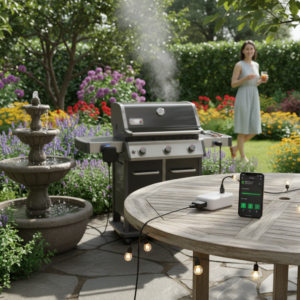
In addition to energy management, SmartThings supports privacy-conscious users by encouraging direct communication with Samsung to manage personal data related to the platform. Integration with energy monitoring devices, such as TP-Link smart plugs, further extends the capability of SmartThings to provide detailed consumption analytics and automation.
Leap: Enabling Sustainable Consumption and Waste Reduction
Leap plays a pivotal role in promoting sustainable consumption and reducing waste through innovative technological solutions and strategic initiatives. Central to its mission is helping users lower their daily carbon footprint by providing energy-saving tips and automations that foster sustainable living practices. By connecting smart energy technologies with grid programs, Leap empowers energy consumers to adjust their usage during peak demand periods, thus easing the strain on the electricity grid and reducing reliance on fossil fuel-based power generation. This approach enhances grid resilience and facilitates the integration of intermittent renewable energy sources like solar and wind.
Leap’s commitment extends beyond energy management to addressing environmental challenges in industrial and logistics sectors. For instance, LEAP India actively seeks innovative methods to minimize “deadhead miles”—the empty miles trucks travel without cargo—thereby cutting unnecessary CO2 emissions and fuel consumption associated with logistics inefficiencies. By eliminating non-value processes and optimizing resource use, Leap contributes to lowering environmental impacts while maintaining economic viability.
Moreover, Leap collaborates with partners such as SmartThings to deliver user-centric tools that encourage sustainable energy behavior at the household level. The SmartThings Energy app, integrated with smart meters, enables consumers to track, monitor, and budget their energy use conveniently, making sustainable energy decisions accessible and rewarding. Programs like Flex Connect illustrate Leap’s vision of a future where every household actively participates in supporting a sustainable and resilient energy grid.
In the realm of sustainable development, Leap’s innovation-driven approach supports construction and remediation projects aiming for net zero carbon emissions. Their Carbon Reduction Design Tool, recognized for excellence in research and innovation within the brownfield sector, exemplifies how Leap leverages digital solutions to evaluate and reduce the carbon footprint of environmental remediation efforts. Additionally, Leap’s deep understanding of environmental legislation aids in cost-saving and effective management of contaminated land projects under relevant regulatory frameworks.
Through these multifaceted initiatives and collaborations, Leap exemplifies how technology and strategic innovation can enable more sustainable consumption patterns and significant waste reduction, aligning with a broader vision of making sustainability the norm across industries and communities.
Integration of SmartThings and Leap: Advancing Sustainable Living
The integration of SmartThings and Leap represents a significant step forward in promoting sustainable living through smart technology. Together, they launched Flex Connect within SmartThings Energy, a program currently available to users in New York, California, and Texas that enables households to save energy, earn rewards, and actively support the stability of energy grids. This collaboration leverages smart devices, such as thermostats and Samsung appliances, connected via the SmartThings app to optimize energy usage during peak demand events, thereby reducing strain on the grid and lowering carbon emissions.
Flex Connect empowers users by providing comprehensive insights into their whole-home electricity consumption directly within the SmartThings app. Eligible users can monitor energy patterns throughout the day and week, identify usage spikes, and make informed decisions to reduce their electricity bills. The program automates participation in peak demand events, where connected devices adjust their operation to reduce energy consumption without compromising user comfort, fostering a seamless and user-friendly experience.
A key benefit of this integration is enhancing grid resilience and flexibility. By smoothing out electricity demand and enabling better integration of intermittent renewable resources such as solar and wind, Flex Connect addresses the mismatch between supply and demand on the grid, contributing to a cleaner and more reliable energy system. This approach aligns with the shared vision of SmartThings and Leap to harness grid-interactive technologies that accelerate the energy transition and promote a smarter, more sustainable future.
Beyond energy savings, users benefit from incentives through Samsung Rewards. Participants earn points for energy-efficient actions, which can be redeemed for rewards ranging from coupons and gift cards to contributions toward environmental causes such as tree planting and meal donations. The app also includes features like AI Energy Mode, Optimal Charging, and Optimal Scheduling, which automate energy-saving behaviors and help users lower their carbon footprint effortlessly.
Moreover, the integration supports expanded device compatibility, enabling energy monitoring and automation across a range of smart home products, including TP-Link Energy Monitoring Smart Plugs and solar products, thus bringing users closer to whole-home energy orchestration and sustainability. Users can also connect with their utilities to access real-time, whole-home electricity usage data, further enhancing their ability to manage energy consumption effectively.
User Reception, Adoption, and Impact
Since its launch, the Leap Rewards app (formerly Re:Generate) has seen increasing user adoption and engagement, driven by its focus on rewarding sustainable consumer behavior. Initially validated through an MVP web-app, the native app version was released on both the App Store and Play Store in November 2022. The oneUp team has since been scaling the app’s reach and optimizing user engagement using a metric-based approach across the PIRATE funnel, which tracks acquisition, activation, retention, referral, and revenue metrics.
User feedback gathered during the consumer discovery phase highlighted diverse needs and challenges related to making sustainable choices in the consumer packaged goods (CPG) retail supply chain. This informed market-specific features, such as the Canadian version of Leap Rewards, which functions as a loyalty program that incentivizes sustainable supermarket purchases with monetary benefits and additional rewards like tree planting or meal donations. The app’s automation capabilities further enable users to make informed decisions, such as adjusting energy usage participation selections, adding flexibility and convenience to sustainable living efforts.
Collaboration with partners like Unilever helped define a broader vision for Leap as a Sustainable Living platform, focusing on orchestrating multiple consumer engagement opportunities and fostering retention through rewards tied to sustainable actions. This aligns with the app’s role in supporting users to compare conventional “Business as Usual” scenarios against customized sustainable strategies, particularly in critical sectors like energy production and building efficiency.
The integration with SmartThings enhances the user experience by allowing seamless control of smart home devices, increasing the convenience of sustainable living choices. The SmartThings app, available for free download on multiple platforms, complements Leap’s sustainability rewards by enabling users to automate energy-saving actions and earn incentives, such as Samsung Rewards, for participating in energy-saving programs in select regions.
Challenges and Considerations
The integration of SmartThings and Leap platforms to promote sustainable living faces several challenges and important considerations that influence their effectiveness and adoption. One key challenge lies in ensuring broad consumer engagement and retention through the incentivization of sustainable actions. While LEAP’s vision includes enabling consumers to save and redeem rewards for sustainable behaviors, this requires continuous user participation and motivation to maintain long-term impact, which can be difficult to achieve across diverse markets such as France and Canada.
From a technological standpoint, integrating multiple devices and brands to create cohesive energy management systems demands robust interoperability and user-friendly automation. The ability to set up collaborative ‘scenes’ and routines based on time, weather, and device status enhances household efficiency, but complexity in configuration or lack of user understanding may hinder adoption and optimal use. Additionally, real-time monitoring and control features, while beneficial, require reliable data connectivity and privacy considerations to safeguard user information and trust.
Another significant consideration involves the variability of energy infrastructures and regulations across regions. Leap’s platform provides comparisons between “Business as Usual” scenarios and customized sustainable strategies for specific sectors, such as energy production, but adapting these models to local contexts can be complex due to differing energy policies, market dynamics, and consumer behavior. Moreover, extending the availability of services like whole-home electricity usage data in SmartThings app to users in select states (e.g., New York, California, Texas) highlights geographic limitations that affect equitable access to these sustainable solutions.
The growing frequency of extreme weather events and resultant energy demand spikes introduce additional pressures on grid reliability. While Virtual Power Plants (VPPs) enabled through SmartThings offer a cost-effective response by automating load adjustments and reducing blackout risks, users must be willing to participate actively and trust the technology to manage their energy consumption. Similarly, the integration of smart charging for electric vehicles supports energy efficiency and grid stability, yet it requires seamless synchronization between devices and user schedules, which can be challenging to coordinate universally.
Finally, industry collaboration and certification play crucial roles in advancing sustainability goals, but fostering partnerships and maintaining environmental responsibility alongside cutting-edge innovation demands ongoing commitment. Achieving milestones such as ENERGY STAR certification for Smart Home Energy Management Systems underscores this dedication, yet continuous improvement is necessary to address evolving environmental challenges and consumer expectations.
Future Directions and Innovations
SmartThings and Leap are jointly advancing the future of sustainable living through innovative solutions that enhance grid resilience and promote environmental responsibility. Central to this vision is the integration of smart home technologies and virtual power plants (VPPs), which together enable a more flexible, efficient, and sustainable energy ecosystem.
One of the key innovations is the Flex Connect program, which facilitates a dynamic interaction between electricity demand and renewable energy supply. By allowing smart devices within homes to adjust their energy usage in response to grid conditions, Flex Connect helps mitigate the intermittency challenges associated with solar and wind power. This approach not only supports the incorporation of higher shares of renewable energy but also empowers households to actively participate in reducing grid stress and lowering emissions.
Leap’s platform plays a crucial role in this transition by enabling technology providers to develop branded VPP solutions that unlock new revenue streams through demand response and other grid services. By aggregating distributed energy resources (DERs) such as batteries, electric vehicle chargers, and smart thermostats, Leap orchestrates these assets to balance the grid in real time. This software-only solution provides fast and automated access to energy markets, fostering a more resilient and renewable-powered grid.
Complementing these efforts, SmartThings continues to lead in creating connected home experiences that prioritize sustainability and energy savings. The platform has achieved a significant milestone as the first mass-market Smart Home Energy Management System (SHEMS) to earn ENERGY STAR certification, reflecting its commitment to reducing carbon footprints while delivering convenience and comfort. By integrating smart lighting, thermostats, plugs, and solar energy systems, SmartThings helps users optimize their home energy consumption and gain deeper insights into their energy usage patterns.
Looking forward, the collaboration between SmartThings and Leap exemplifies a strategic partnership focused on harnessing grid-interactive technologies to accelerate the global energy transition. Through continuous innovation and openness to industry partnerships, they aim to expand the accessibility of sustainable living solutions and foster a smarter, greener tomorrow where technology seamlessly enhances daily life while addressing climate challenges.
The content is provided by Jordan Fields, Home Upgrade News