Summary
Creating kid- and pet-friendly landscapes that are safe, functional, and durable in varying weather conditions requires a comprehensive approach to design, plant and material selection, and maintenance. Such landscapes prioritize the safety of children and pets by avoiding toxic plants and hazardous materials, while fostering engaging outdoor environments that support physical, cognitive, and social development. The integration of weather-resistant plants and durable surfacing ensures these spaces remain resilient through seasonal changes and environmental stresses, reducing upkeep and enhancing longevity.
Key to successful design is the use of directional landscaping and functional zoning, which guides children and pets away from potentially dangerous areas like pools or outdoor kitchens, while creating dedicated play and relaxation zones. Materials and surfaces are carefully chosen to balance safety, comfort, and maintenance needs—options such as turf grasses, pea gravel, and composite decking help withstand heavy use and varied climates without compromising aesthetics or usability. Additionally, consulting local climate conditions informs plant choices that are non-toxic, drought-tolerant, and well-adapted to regional environments, supporting sustainability and safety.
Despite these strategies, challenges remain, including managing plant toxicity risks, selecting surfaces that accommodate both children’s play and pets’ needs, and maintaining safety over time through regular inspection and upkeep. Homeowners and landscape professionals must navigate these issues carefully to create spaces that are not only inviting and visually appealing but also protect family members and withstand environmental elements.
This article synthesizes expert recommendations, case studies, and practical solutions for designing and maintaining outdoor spaces that accommodate the unique needs of children and pets while enduring the challenges posed by weather and active use. It highlights the importance of holistic planning, safety awareness, and sustainable practices in achieving landscapes that are both resilient and enriching for families.
Planning and Design
Creating a kid- and pet-friendly landscape that endures various environmental conditions requires careful planning and design focused on safety, functionality, and durability. The selection of equipment and materials plays a pivotal role in achieving this balance. Equipment should meet safety standards, be regularly inspected for hazards, and be designed with surfaces that prevent injuries. Utilizing organic and durable materials enhances the aesthetic appeal of the play space while ensuring longevity under frequent use. Designing with children’s interests in mind helps foster physical, cognitive, and social development by incorporating tools and structures suitable for various age groups.
Safety considerations are paramount in landscaping for families with children and pets. Toxic plants must be avoided to prevent poisoning risks, and standing water features should have circulating water to inhibit the growth of harmful parasites and bacteria. Strategic use of directional landscaping elements such as pathways, natural barriers, and decorative pots helps guide children and pets away from potentially hazardous areas. This method capitalizes on the tendency of kids and pets to take the path of least resistance, creating intentional spaces that protect both the family and garden beds.
The choice of ground surfaces is also critical. While rubber tiles are common in playgrounds, they may retain odors and become hot in direct sunlight, making maintenance challenging for pet owners. Alternatives include loose-fill surfacing like wood chips or sand, which may require more upkeep but provide safer, cooler options. Turf grasses are notably durable under heavy foot traffic and are often recommended where children and pets frequently play. Overall, selecting non-toxic, durable, and comfortable surfaces that withstand wear ensures a safe and enjoyable environment for all users.
In addition, understanding the local climate and regional factors informs plant selection and material choices, ensuring that the landscape can withstand weather variability and climate change impacts. Choosing plants that are both non-toxic and well-suited to the specific geographical zone enhances safety and sustainability. Incorporating features such as moving water elements, outdoor kitchens, or fire pits can improve the outdoor living experience when planned with safety measures in place.
By integrating these principles, landscape designers and homeowners can create engaging, safe, and resilient outdoor spaces that cater to the needs of children and pets while maintaining aesthetic and functional appeal throughout changing seasons and environmental conditions.
Selecting Plants and Materials
When creating a kid- and pet-friendly landscape that can endure various weather conditions, selecting the right plants and materials is essential for both safety and resilience. Consulting local landscape professionals is highly recommended, as they can help choose plants and features that align with a family’s lifestyle while ensuring safety for children and pets.
Choosing Safe and Non-Toxic Plants
Safety considerations begin with selecting plants that are non-toxic to both kids and pets. Many common indoor and outdoor plants can be harmful if ingested. For example, species from the *Lilium* genus are highly toxic to cats and can cause severe kidney damage, while the sago palm is dangerous to all pets, potentially causing liver failure. Avoiding such plants is crucial in pet-friendly landscapes.
Fortunately, numerous attractive and resilient plant varieties are safe around pets. Orchids, bromeliads, Calathea vittata, and various mosses provide both beauty and safety indoors. Outdoor options include dog-friendly ground covers and vibrant perennials like ferns, which tolerate some pet interaction and thrive with proper care such as indirect light and humidity maintenance. The Chinese money plant, known for its quirky, coin-like leaves and prolific propagation, is another safe choice for indoor settings.
Selecting Weather-Resistant and Low-Maintenance Plants
Choosing plants that can withstand local climate conditions reduces maintenance and enhances landscape durability. Hardy plants resilient to UK weather include geraniums and pelargoniums, valued for their pest resistance and adaptability. Mediterranean-origin plants, such as drought-tolerant succulents and euphorbias, also perform well in hot, dry conditions and require minimal watering once established.
Succulents like agave thrive in full sun and heat, making them excellent choices for warm climates with well-drained, loamy soil. Alpine natives such as pinks are adapted to dry, rocky environments and do well in lean soil with some afternoon shade. These choices ensure year-round garden resilience, reducing the need for chemical pest control and frequent watering.
Material Selection for Kid- and Pet-Friendly Functionality
Beyond plants, the selection of landscaping materials plays a significant role in safety and usability. Hardscape elements including fence posts, hanging planters, rocks, and outdoor features like pools and kitchens should be chosen with supervision and safety in mind to prevent injuries to children and pets.
For surfaces in play yards or pet areas, pea gravel is often recommended due to its natural drainage, affordability, and ease of cleaning. It mimics litter-like conditions that are comfortable for dogs while maintaining yard aesthetics. Alternatives such as artificial turf provide a durable, low-maintenance option but require consideration regarding pet waste cleanup, especially for high-pile varieties. Rubber mulch offers cushioning benefits and weed suppression but is typically better suited for playgrounds than pet areas.
When designing outdoor living spaces, consistent use of materials and colors can unify the area, blending safety with pleasing aesthetics. Additionally, selecting ground covers that tolerate some foot traffic is essential in active family environments; turf grasses remain among the most durable options for high-traffic zones.
By carefully choosing non-toxic, weather-resilient plants alongside safe, functional materials, families can create landscapes that are both beautiful and secure for children and pets, all while enduring the challenges posed by the elements.
Creating Functional Zones
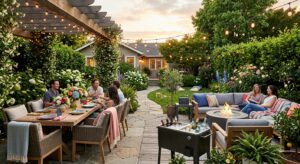
Creating functional zones in a kid- and pet-friendly landscape is essential for safety, enjoyment, and efficient use of outdoor space. By thoughtfully designing distinct areas, homeowners can cater to the unique needs of children, pets, and adults while protecting plants and garden features.
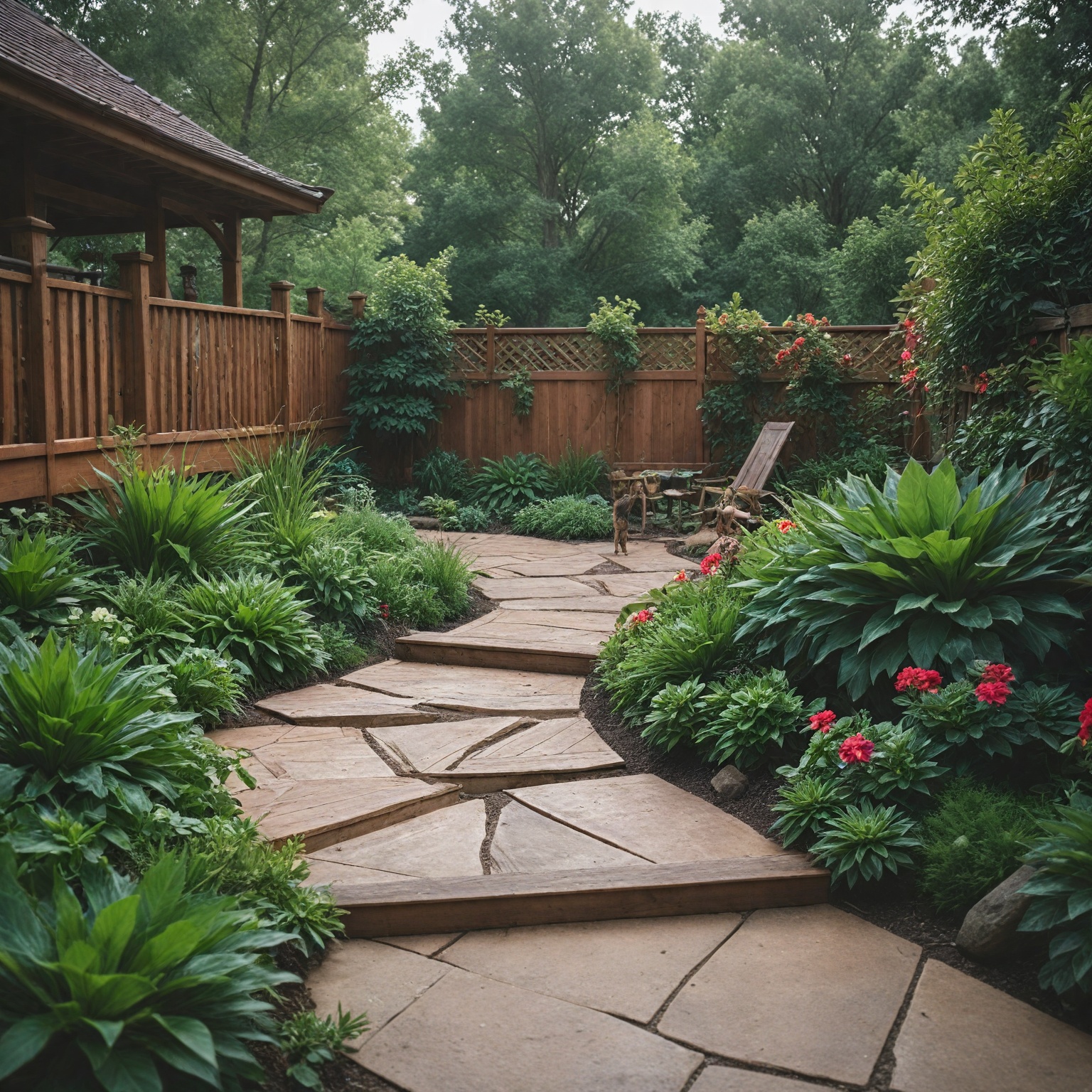
One effective strategy is directional landscaping, which employs design elements such as pathways, natural barriers, or decorative pots to guide children and pets away from hazardous spaces and fragile plants. Since kids and pets tend to follow the path of least resistance, creating designated play areas encourages them to stay within safe boundaries and reduces the risk of accidents or damage to the garden beds.
Separating active play zones from quiet or relaxation areas also enhances usability. For example, a well-shaded corner with artificial turf can provide a comfortable spot for pet owners to relax while their dogs play nearby. Conversely, areas exposed to direct sunlight might be better suited for active games like fetch and could be surfaced with light-colored pea gravel or wood chips to improve drainage and cleanliness.
When planning pet-specific zones, consider situating a dog bathroom area in a convenient yet discreet part of the yard, such as a corner accessible during inclement weather. Installing landscaping fabric beneath ground covers helps keep this space weed-free, and choosing durable, easy-to-clean materials like pea gravel supports maintenance while preserving aesthetics.
Incorporating barriers such as fences around potentially dangerous spots—pools, outdoor kitchens, or fire pits—adds an extra layer of security, keeping children and pets safe without limiting adult use of these entertaining spaces. Additionally, selecting non-toxic plants and pet-safe materials throughout the zones prevents accidental poisoning and promotes a healthy environment for all family members.
By combining these approaches, functional zones can create a balanced landscape that supports safe play, relaxation, and gardening, all tailored to the behaviors and needs of kids and pets alike.
Weatherproofing Strategies
Creating a kid- and pet-friendly landscape that withstands the challenges of varying weather conditions involves selecting resilient plants, durable materials, and thoughtful design elements. Weatherproofing strategies focus on ensuring outdoor spaces remain functional, safe, and attractive throughout the year regardless of rain, heat, or cold.
Choosing Resilient Plants
Opting for hardy, weather-tolerant plants is fundamental to a landscape that endures seasonal changes and unpredictable weather. Experts recommend plants that stay resilient year-round to minimize maintenance and replacement costs while ensuring continuous greenery and coverage. Understanding your local climate zone is critical; plants suited to your zone’s temperature ranges and frost dates will thrive better and require less intervention. For example, drought-tolerant species, often native to Mediterranean or arid regions, perform well in dry conditions and help conserve water. Succulents and hardy perennials that prefer lean soil and occasional watering are excellent choices for low-maintenance, drought-resistant gardens.
Durable Ground Cover and Surfacing
The choice of ground cover significantly influences the landscape’s durability and usability, especially where children and pets play. Turf grasses remain the most durable for heavy foot traffic, while other ground covers capable of withstanding some disturbance provide a balance of aesthetics and resilience. When designing play areas, selecting appropriate surfacing is crucial; options include loose-fill materials like gravel or wood chips, which require regular maintenance, and unitary surfacing, which offers longer-lasting solutions. Decking and patio materials should also be weatherproof and safe—composite decking is recommended for its durability, slip resistance, UV protection, and resistance to splintering, providing peace of mind in wet or high-activity conditions.
Safety and Access Control
To maintain both safety and landscape health, incorporating directional landscaping elements such as pathways, natural barriers, or decorative pots can control access to potentially hazardous areas like pools, fire pits, or outdoor kitchens. Ensuring water features are well circulated prevents stagnation and the growth of harmful bacteria, protecting children and pets from health risks. Creating designated play areas using durable materials encourages kids and pets to remain within safe boundaries, protecting delicate plants and reducing damage.
Watering and Maintenance Considerations
Watering schedules should be adapted based on local humidity and temperature to optimize plant health and water use efficiency. For instance, some tropical plants like staghorn ferns thrive in loose, fast-draining soil and require watering every one to three weeks, with less frequent watering in more humid conditions or indoor bathrooms. Knowledge of first and last frost dates also informs when to move tender plants indoors or adjust watering practices to prevent cold damage.
By combining resilient plant selections, durable surfacing, strategic access control, and climate-conscious maintenance, landscapes can be effectively weatherproofed to remain safe, functional, and visually appealing for families with children and pets throughout all seasons.
Maintenance and Upkeep
Maintaining a kid- and pet-friendly landscape requires thoughtful choices to ensure safety, durability, and environmental responsibility. Regular upkeep should prioritize the use of sustainable and non-toxic materials, which help protect both the family and the planet. For example, opting for litter boxes made from sustainable materials can minimize environmental impact when managing pet waste.
Choosing plants that are both durable and non-toxic is equally important. Pet-friendly plants not only enhance air quality within the home but are also less likely to be damaged by pets’ natural behaviors such as swatting or chewing. It is advisable to avoid toxic plants like English ivy, oleander, azaleas, foxglove, hemlock, and cyclamen, which pose risks to children and pets and should not be incorporated if family safety is a priority.
Landscaping materials must be selected with durability and pet safety in mind. Materials that withstand wear and tear from active pets, such as those resistant to the unpredictable UK weather, are ideal. Avoiding sharp or rough surfaces prevents injury to pets’ paws and skin, thereby creating a safer outdoor environment.
Additionally, adopting organic lawn care products instead of chemical pesticides further safeguards pets and children. Experts recommend using organic lines such as those from Epsoma, encouraging homeowners to eliminate pesticide use altogether to maintain a healthier and safer yard. Regular gardening practices can also be adapted to reduce harm and support a more sustainable and safe landscape for all family members.
Case Studies and Examples
Several case studies and examples illustrate effective approaches to creating kid- and pet-friendly landscapes that are both resilient and engaging. Research from diverse environments, such as urban, suburban, and rural settings in Finland and Belarus, highlights the importance of affordances in children’s environments—features that promote independent mobility and environmental friendliness for children in outdoor contexts. These findings underscore the value of designing spaces that support children’s developmental needs while accommodating safety and exploration.
One example of practical implementation is the use of drought-tolerant plants in landscaping, which ensures that gardens remain attractive and low-maintenance even during periods of limited rainfall. Incorporating shrubs, trees, vines, and flowers adapted to dry conditions helps minimize watering requirements, reducing time and financial costs associated with garden upkeep. This approach not only promotes sustainability but also maintains a safe environment for children and pets by avoiding the hazards of overwatering or muddy conditions.
Urban garden designs have also been successfully adapted to small spaces, creating retreats that serve the needs of busy families. For instance, 15 urban garden ideas have demonstrated how to transform compact city yards into multifunctional areas where children and pets can play safely and creatively. These designs emphasize varied play zones and incorporate durable materials such as treated wood and weather-resistant metals to ensure longevity despite heavy use and exposure to the elements.
Moreover, a child- and pet-friendly yard typically includes multiple dedicated spaces that stimulate adventurous play while ensuring safety. Landscaping features like pools, outdoor kitchens, planters, and diverse types of rocks can be thoughtfully arranged to create a dynamic environment that caters to the interests and activities of both children and pets. Careful attention to avoid loose materials prevents ingestion risks for pets and minimizes the likelihood of children throwing objects, thereby enhancing overall safety.
Integrating natural and organic materials into outdoor play areas enriches children’s sensory experiences and fosters a connection with nature. Activities such as gardening, insect observation, and ecosystem exploration not only deepen children’s understanding of their environment but also support their socioemotional development and sense of belonging. These strategies, when combined with durable play equipment suited for various age groups, demonstrate comprehensive models for resilient, engaging, and safe landscapes that meet the needs of both children and pets while withstanding environmental challenges.
Challenges and Solutions
Designing a landscape that is both kid- and pet-friendly while also withstanding weather conditions involves navigating several challenges, including plant toxicity, surface durability, safety, and maintenance. Addressing these issues thoughtfully ensures a safe and enjoyable outdoor space for all family members.
One
The content is provided by Sierra Knightley, Home Upgrade News