Summary
The International Builders’ Show (IBS) and the Kitchen & Bath Industry Show (KBIS) are crucial events in the design and construction industry, bringing together professionals from across the globe. In 2025, the shows took place at the Las Vegas Convention Center from February 25 to 27 and drew over 124,000 attendees. These shows spotlighted simplicity and sustainability in design, featuring energy-efficient products and techniques that minimize environmental impact. They also emphasized the growing role of smart home technology, an amalgamation of IoT, computer, control, image display, and communication technology in modern and advanced interior design strategies, contributing to more sustainable living. The concept of smart homes is anticipated to greatly influence future design and construction projects.
The design and development of smart homes also raised system-level concerns such as peak demand, ancillary services, and the spread of microgeneration, as well as questions about the identity of users, the nature of control, and ecological impact. Despite potential security challenges in new construction projects, the integration of smart home technology has been recognized as a more cost-effective and simpler way to provide the desired level of safety, security, and convenience for consumers. The influence of smart home technology on architectural practices promises a dynamic approach to future city designs, with the IBS and KBIS of 2025 indicating a readiness among design and build professionals to incorporate these advancements.
Exhibitions at IBS and KBIS 2025 showcased a range of sustainable solutions and latest innovations such as IoT in smart homes, technicurean kitchens, and the use of renewable energy sources. These developments highlight the growing trend towards environmental sustainability and the future potential of smart home technology in the industry. The emphasis on security in architectural design evident at IBS and KBIS 2025 reflects a recognition of the importance of balancing design aesthetics with functional requirements for efficient job performance, user needs, safety, and security.
Background of IBS and KBIS
The International Builders’ Show (IBS) and the Kitchen & Bath Industry Show (KBIS) are key events in the design and construction industry, drawing attention from professionals around the globe. In 2025, these shows were held from February 25 to 27 at the Las Vegas Convention Center, offering a broad range of experiences, from exhibitions of sustainable products to guided tours of show homes.
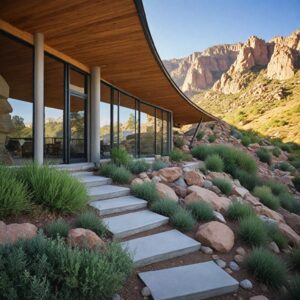
IBS and KBIS 2025 emphasized a return to simplicity, with a focus on clean lines and earthen aesthetics. These shows also continued their commitment to sustainability, highlighting energy-efficient products and construction techniques that reduce environmental impact. A specific emphasis was placed on solar passive building techniques, low embodied energy building materials, operational energy conservation through energy-efficient equipment, and the inclusion of integrated renewable systems.
The events attracted a large audience, drawing over 124,000 attendees as part of Design & Construction Week (DCW), a co-location event of KBIS and the National Association of Home Builders (NAHB)’s IBS. Jason McGraw, the group vice president of KBIS, remarked on the shows’ role in driving sustainable design and construction.
Both IBS and KBIS showcased several trends that are predicted to significantly influence design and construction projects. From AI-powered solutions to material innovations, these shows provided a glimpse into the future of housing and design. For instance, participants had the opportunity to tour The New American Home, an exhibit demonstrating a phenomenal creative vision and an array of innovative features. These exhibitions allowed participants to learn about, interact with, and get inspired by the latest trends and advancements in the industry.
Overview of Smart Home Technology
Smart home technology, a residential-based platform, employs a diverse range of fields including Internet of Things (IoT), computer technology, control technology, image display technology, and communication technology. This wide array of technologies enables various facilities to be interconnected through the network to meet automation requirements and provide more convenient control and management. Defined as any internet-connected device that can be automated to adjust to the user’s habits and lifestyle, smart home technology has become an integral part of modern and advanced interior design strategies.
Additionally, smart home technology is a major contributor to sustainable living. As green homes continue to make their mark, smart homes are utilizing systems designed to conserve natural resources such as water, sunlight, and wind energy. This approach not only aligns with the global push towards sustainability but also signifies the transformative journey architecture is on.
The design and development of smart homes also bring about discussions related to system-level issues such as peak demand, ancillary services, and the spread of microgeneration. It also raises questions about the identity of users, the nature of control, the boundaries of the home, and ecological impact.
In the context of new construction projects, the design for security can be challenging, especially considering modern buildings strive for openness and free-flowing movement. However, despite these hurdles, the integration of smart home technology is becoming a more cost-effective and simpler way to provide the desired level of safety, security, and convenience that consumers want. Homeowners, therefore, need to understand emerging technologies to take full advantage of the benefits of connected smart home systems and products.
Incorporation of Design-Build in Smart Home Technology
The relationship between smart home technology and architectural practices presents a dynamic approach to future city designs. The need for enhanced security measures and user-friendly interfaces is illuminated by concerns over privacy and issues with user adoption. This highlights the growing influence of smart home technology on architecture, inspiring novel architectural practices and thought processes.
The tenet of “form follows function” prevalent in 20th century architecture states that a building’s design should be determined by its functional requirements. It should allow for efficient job performance, cater to user needs, and protect the user from safety hazards and criminal acts. In light of smart home technology, this principle takes on new dimensions, with home tech exhibits at the IBS and KBIS indicating a readiness among design and build professionals to incorporate these advancements.
However, incorporating such features necessitates overcoming certain challenges. Owners and investors often hesitate to commit additional funds required for physical features proposed by the crime prevention through environmental design theory. This reluctance stems from a desire for modern buildings to embody openness and free-flowing movement, with restrictive and constraining design ideas often overlooked. The solution lies in developing technology with builders and designers in mind, offering practical, scalable solutions that enhance both form and function in new homes.
Highlights from IBS & KBIS 2025
More than 1,200 exhibitors and over 70,000 attendees gathered at the IBS and KBIS in 2025, providing ample opportunity for innovation and discussion.
Sustainable Solutions
Sustainability was a prominent theme at the show, with a focus on eco-friendly building materials and technologies. Exhibits showcased standout solutions such as Cob, Recycled Steel, Sheep’s Wool, Reclaimed Wood, Cork, Straw Bales, Bamboo, Recycled Plastic, AshCrete, Ferrock, Hempcrete, and Plant-Based Polyurethane Rigid Foam, which are touted to save money and reduce environmental impact. Sustainability is not only beneficial for the environment but also contributes to healthier indoor environments.
Smart Homes
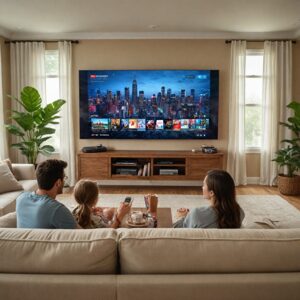
IoT technology featured heavily at the shows, with discussions on its applications for smart homes and buildings. IoT technology enables remote control of HVAC systems, lighting, security, and even kitchen appliances, improving both convenience and energy efficiency.
Technicurean Kitchens
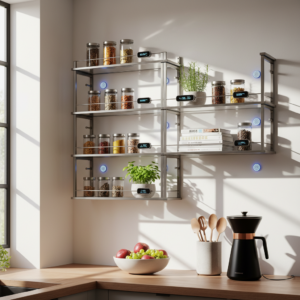
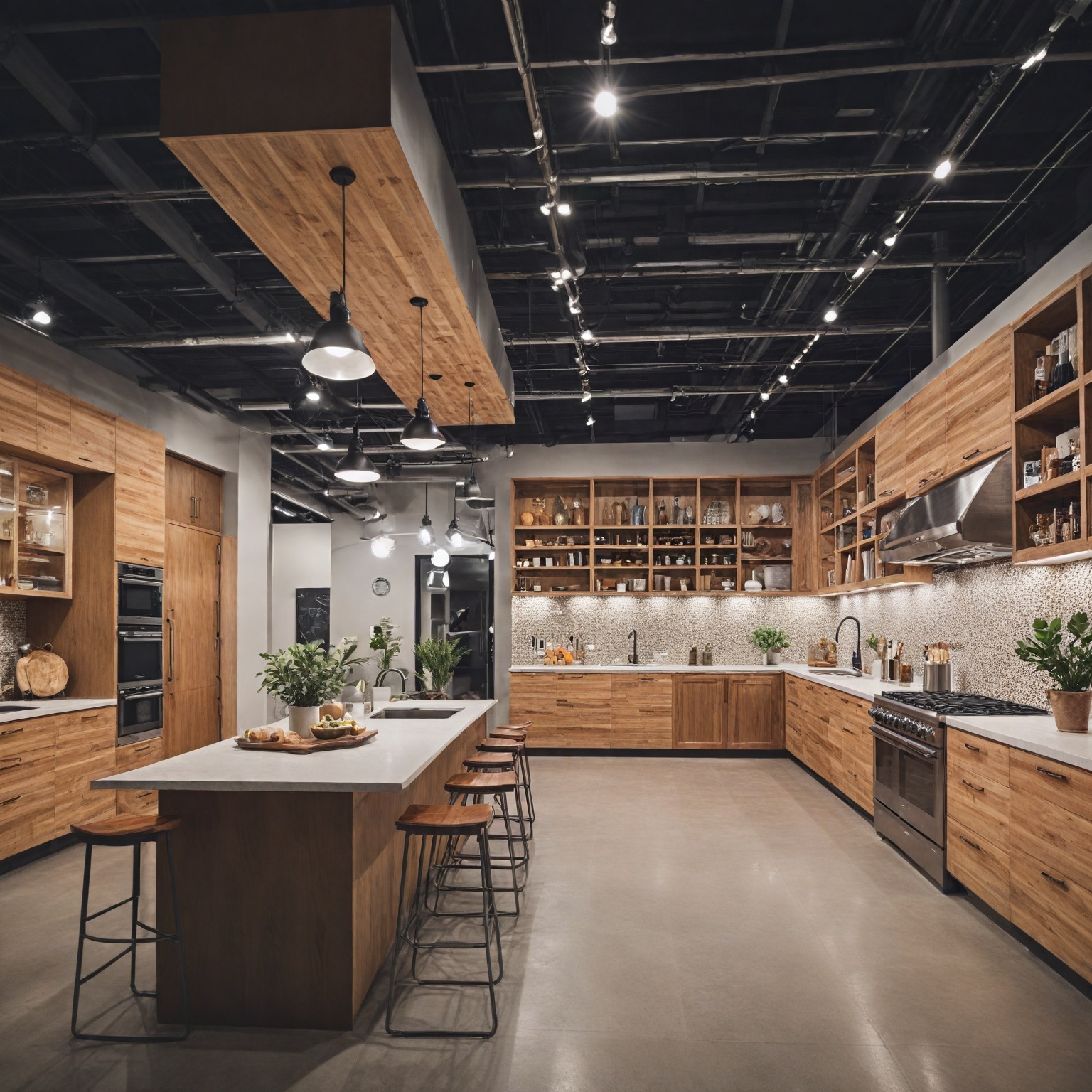
The “Technicurean” concept kitchens, where culinary expertise meets advanced technology, were a highlight of the event. These concept kitchens integrated the latest innovations from leading brands like LG, including wine cellars enabled with LG’s ThinQ technology. In addition to enhancing culinary experiences, these innovations aimed to streamline home management and deliver proactive support, creating a more efficient and smarter living experience.
Renewable Energy
The design trend strongly emphasized renewable energy sources, such as solar, wind, hydropower, geothermal, and bioenergy. Renewable energy, characterized by its capacity to replenish more quickly than it is used, is integral to developing sustainable building designs. Advanced parametric design, computational and AI tools were featured as methods to optimize energy use in smart homes.
Influence of IBS & KBIS 2025 on the Industry
The International Builders’ Show (IBS) and Kitchen & Bath Industry Show (KBIS) have been pivotal in showcasing the latest trends in the industry. As highlighted in 2025, sustainable products and smart home technology emerged as standout solutions.
Incorporation of Renewable Energy Sources into Building Design
The use of renewable energy is gaining traction in the production of new-generation technology. This has posed certain grid integration challenges such as outages, voltage fluctuations, and energy losses. Nevertheless, the incorporation of renewable energy sources into building design is a crucial step towards green buildings and environmental preservation. This integration, which includes sources like solar, wind, and geothermal technologies, not only promotes a sustainable relationship with the environment but also steers the architectural sector towards a future where buildings function as innovative and efficient ecosystems.
Designing for Security
An interesting trend seen at IBS and KBIS 2025 was the increased focus on security in architectural design. While architects tend to prioritize the openness and free-flowing movement of modern buildings, it has been found that retrofitting a building for security often results in higher protection and operating expenses, as well as decreased openness. This highlights the need for forethought during the design phase, in order to efficiently incorporate security features from the outset. Despite the challenges, the events of IBS and KBIS 2025 indicate a growing recognition of the importance of balancing design aesthetics with functional requirements for efficient job performance, user needs, safety, and security.
The content is provided by Blake Sterling, Home Upgrade News