Summary
Reviving Tudor Charm: A Stunning Modern Makeover for a Historic Home explores the intricate process of renovating Tudor-style residences to blend their iconic historic character with contemporary living standards. Rooted in the architectural traditions of early 16th-century England, Tudor homes are celebrated for their distinctive features such as steeply pitched gables, half-timbering, tall mullioned windows, and decorative chimneys. The Tudor Revival movement, which gained prominence in the United States during the early 20th century, adapted these medieval English motifs into cozy, family-oriented dwellings that remain prized for their aesthetic appeal and craftsmanship.
This article highlights the challenges and innovations involved in modernizing Tudor homes while preserving their original charm. Renovations often require meticulous preservation of hallmark elements—like exposed timber framing, leaded glass windows, and masonry details—paired with strategic updates such as energy-efficient glazing, improved insulation, and open floor plans that enhance natural light and flow. Materials have evolved as well, with engineered wood and composite sidings replicating traditional textures but offering greater durability and lower maintenance. These interventions respect the home’s historical integrity, preventing over-modernization that could strip away its warmth and character.
The featured makeover exemplifies this careful balance, where original Tudor Revival features were painstakingly restored or recreated alongside contemporary amenities like spa-inspired bathrooms, state-of-the-art kitchens, and structural reinforcements using steel beams. Interior design strategies favor earthy tones and lighter finishes to brighten spaces while maintaining the tactile richness of wood, stone, and plaster—key to the Tudor aesthetic. Landscaping complements the architecture by integrating traditional English garden elements, reinforcing the cohesive heritage feel.
While the modernization of Tudor homes is broadly celebrated for revitalizing historic properties and enhancing livability, it also presents controversies surrounding the preservation of authenticity versus necessary modernization. Debates focus on the extent to which original materials should be replaced or altered and the risk of losing distinctive character through excessive simplification or generic renovations. Nevertheless, expert consultation and documentation practices have emerged as essential tools for navigating these tensions, enabling homeowners and architects to honor Tudor legacy while embracing 21st-century functionality.
Historical Background
Tudor architecture is an eclectic blend of early and medieval English building traditions that create a picturesque and traditional appearance, though it does not strictly adhere to the building patterns of the English Tudor era of the early 16th century. Rather, it amalgamates late medieval English-inspired elements, with the earliest examples often more closely following the Elizabethan and Jacobean models, sometimes referred to as Jacobethan style. The Tudor period marks a transition in English architecture, as Renaissance influences began to emerge during the reign of Henry VII, introducing new features such as the low multi-centred Tudor arch, brick architecture imported from the Low Countries, and more naturalistic foliage in mouldings.
Materials used in Tudor construction were typically natural and locally sourced, including stone, brick, wood, cob, slate, clay tiles, and thatch, with lime incorporated in various forms such as plaster, paint, render, or mortar. While timber framing is often evocative of the style, other materials like stone and brick were prevalent, particularly in wealthier homes. Notable Tudor features include large groupings of tall casement windows with rectangular or diamond-shaped panes, oriel windows that project from upper stories, and prominently placed decorative chimneys often topped with patterned pots. Asymmetry is a hallmark of Tudor design, evident in off-center front doors with round arches and contrasting stonework that often gives the entrance a castle-like appearance.
Tudor Revival architecture emerged in the mid-19th century and gained popularity through the 1920s and 1930s in America, becoming a favored style for growing families until mid-century shifts in architectural preferences led to its decline. This revival style often simplified some of the more intricate Jacobethan details into a cosier, more domestic aesthetic aligned with the Arts and Crafts movement, sometimes called Tudorbethan. Although less common than other American architectural styles, Tudor Revival homes retain an unmistakable charm with their steeply pitched roofs and masonry facades suited to colder climates.
Today, Tudor architecture continues to inspire both historic preservation efforts and modern interpretations that blend traditional elements with contemporary amenities. Careful documentation and preservation of original features such as timber framing, leaded windows, and decorative brickwork are critical to maintaining historical integrity during restorations. The enduring appeal of Tudor design lies in its symbolic continuity, connecting modern homes to a rich architectural heritage while adapting to current living standards and sustainable design principles.
The Modern Makeover
The modern makeover of Tudor-style homes seeks to balance the preservation of historical charm with contemporary living demands. Renovations often involve careful editing rather than erasing the original architectural elements, ensuring that the dramatic character of Tudor homes is maintained while enhancing light, flow, and ease throughout the space. This approach respects the home’s heritage, avoiding over-modernization that can strip away the warmth and distinctiveness of the style.
A prime example is the renovation documented in The Kuppersmith Project, where the structure was taken down to the studs due to damage from humidity and lead paint. The design team meticulously recreated classic Tudor Revival features, including cypress shakes and half-timbering, thus honoring the home’s traditional aesthetic while updating its structure for modern use. Similarly, original elements such as leaded windows are often preserved and upgraded with energy-efficient glazing, enhancing natural light without sacrificing authenticity.
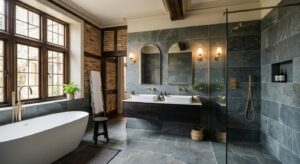
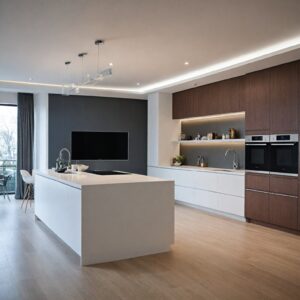
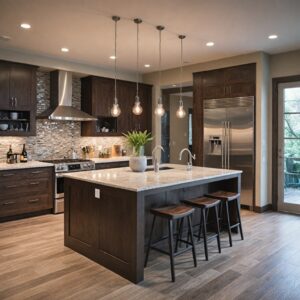
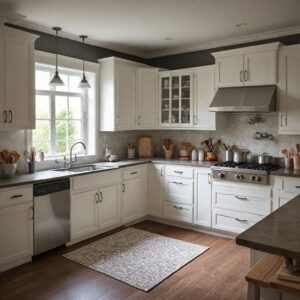
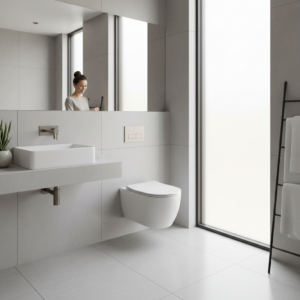
Modern Tudor homes frequently incorporate updated kitchens and bathrooms equipped with state-of-the-art appliances and fixtures. Renovations may involve reconfiguring spaces for openness and light, such as removing curved walls in bathrooms to create spa-like environments filled with natural sunlight. The integration of reclaimed wood shelving and other warm accents helps retain the tactile richness associated with Tudor interiors.
Materials have also evolved in modern makeovers to improve durability and reduce maintenance. Traditional timber framing, wattle and daub infill, and thatched roofs are often replaced or supplemented by engineered wood, composite sidings, and composite roofing materials that replicate the classic look while offering enhanced resilience. Steel beams may be used structurally to allow for open floor plans and support larger spans without bulky construction. Exteriors maintain the signature black-and-white half-timbered appearance with modern synthetic stucco and engineered wood, ensuring visual continuity with historical designs.
Despite these updates, preservation remains a priority. Homeowners and architects emphasize documenting and protecting original features such as decorative brickwork, timber framing, and leaded windows, often consulting specialists in historical architecture to maintain authenticity and durability during repairs. The enduring appeal of Tudor style lies in this fusion of old and new—modern amenities and open layouts enhance livability, while the carefully preserved historical details keep the distinctive Tudor spirit alive.
Interior and Exterior Renovations
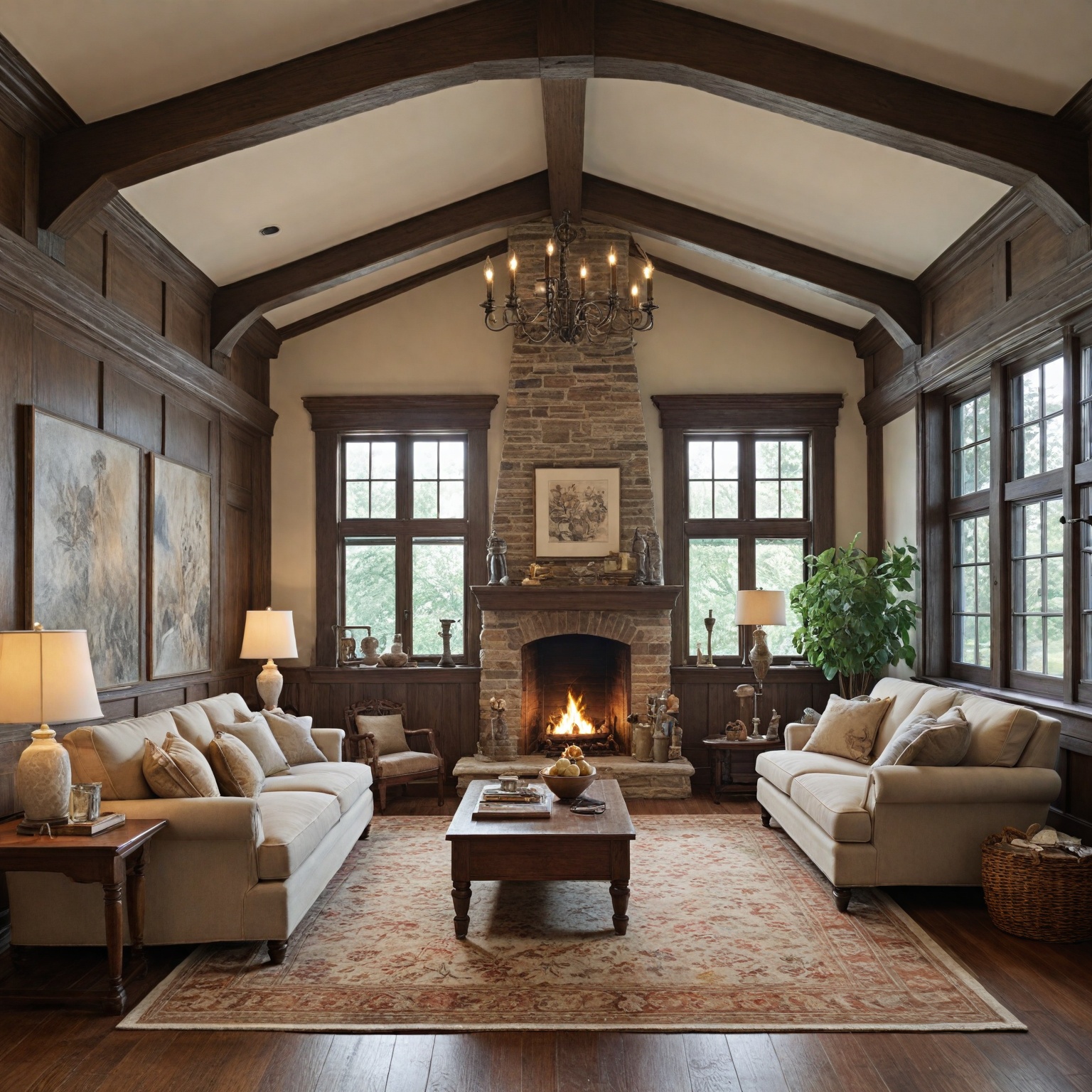
Renovating a Tudor-style home to blend historical charm with modern functionality requires a careful and nuanced approach. Many traditional Tudor interiors feature heavy beams, dark paneling, and compartmentalized floor plans, which can feel dated or awkward by contemporary standards. Modern Tudor interior design seeks to bridge this gap by introducing clean lines, natural light, and open-concept spaces, while preserving key architectural elements such as half-timbering and leaded windows.
Interior Renovations
Successful interior renovations often involve updating spaces to enhance natural light and improve flow. For example, foyers and living areas can be refreshed by preserving original masonry walls and exposing historic features, creating a warm yet authentic ambiance. The use of brighter, neutral colors on walls combined with strategic lighting choices helps maintain the Tudor aesthetic while making spaces feel more inviting and expansive.
Bathrooms in Tudor renovations are frequently reconfigured to open up the area and maximize natural light. Modern updates may include removing curved walls, showcasing large soaking tubs, and incorporating reclaimed wood shelving to add warmth and character. Maintaining historic details such as antique door knobs and period-appropriate hardware ensures continuity between old and new design elements.
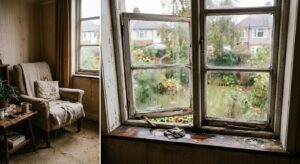
Energy efficiency is another important consideration. Installing double-pane, energy-efficient windows that mimic the multi-paned, dark-framed originals preserves the traditional look while improving insulation and UV protection. Additional insulation and upgraded wiring are typically prioritized to enhance comfort without compromising the home’s architectural integrity.
Attic spaces, often overlooked, present opportunities for creative renovations that respect the home’s steeply pitched roofs and exposed rafters. Adding skylights or dormer windows introduces natural light, while built-in storage solutions make use of otherwise awkward nooks, resulting in cozy, functional retreats consistent with Tudor character.
Exterior Renovations
Externally, Tudor homes are distinguished by steeply pitched gables, decorative half-timbering often infilled with brickwork, tall mullioned windows, and prominent chimneys. Maintaining these hallmark features is critical in any renovation to preserve the home’s historic essence. Traditional materials such as dark-stained timber beams, oak or walnut for structural elements, and stone or brick accents are favored for their authenticity and durability.
While original Tudor homes used timber framing, wattle and daub infill, and thatched or slate roofs, modern renovations often substitute these with engineered wood, composite siding, and durable roofing materials that replicate the historic look while offering greater longevity and lower maintenance. Preservation of original windows with updated glazing maintains both aesthetic charm and performance, balancing historical accuracy with modern standards.
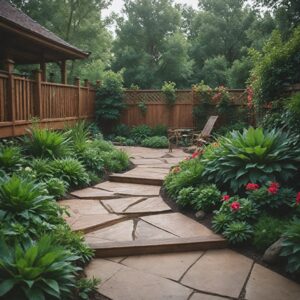
Landscaping around Tudor homes can further enhance curb appeal and complement architectural style. Traditional English garden elements such as box hedges, climbing roses, and stone pathways create a cohesive environment that respects the home’s heritage.
Though some renovations risk stripping Tudor homes of their unique character—resulting in cold, impersonal spaces reminiscent of builder-grade finishes—thoughtful restoration and updates can revive the charm and warmth that make these homes treasured landmarks.
Challenges and Solutions
Restoring and renovating a Tudor home presents a unique set of challenges that stem from its historic construction methods and materials. One common difficulty is dealing with the original structural elements, such as timber framing, lathe and plaster walls, and masonry. For example, Artisan Constructors faced complexities when working on a Clayton Tudor home, which featured a cement subfloor instead of a traditional wood subfloor, as well as heavy masonry walls and lathe and plaster construction that demanded careful handling beyond standard drywall replacement. These elements require specialized knowledge to preserve the home’s authenticity while ensuring modern durability.
Another challenge lies in maintaining the original features that give Tudor homes their distinctive character—such as exposed ceiling beams, leaded windows, and decorative brickwork—while updating the space to meet contemporary living standards. Wood, in particular, is considered the soul of a Tudor home, and preserving or thoughtfully integrating wood details can significantly enhance the historic atmosphere. Yet, ongoing maintenance is essential, as issues like rotting joists, warped windows, and woodworm outbreaks are common and require constant attention.
Balancing the historic integrity with modern design preferences also proves difficult. Traditional Tudor interiors often have heavy beams, dark paneling, and awkward floor plans, which can feel constricting by today’s standards. Modern renovations aim to lighten the palette—replacing dark paneling with lime-washed plaster and sanding or bleaching ceiling beams—to create a brighter, more open environment without erasing the historic texture. Homeowners and designers often face the risk of “going too far” and losing the Tudor essence in pursuit of modernity.
To overcome these challenges, professional consultation is vital. Experts experienced in historic architecture can guide repairs and materials selection to preserve authenticity and improve durability. For instance, traditional materials such as timber framing, wattle and daub, and thatched or slate roofs are often substituted with engineered wood, composite siding, and durable roofing materials to replicate the Tudor look while offering increased resilience and lower maintenance. Additionally, the use of synthetic stone provides the aesthetic of natural stone with reduced weight and cost, supporting both exterior and interior applications that align with modern building codes.
Strategic renovation decisions—such as selectively removing partitions to open up the floor plan—can enhance functionality and value without compromising historic integrity. This “game of shuffle” approach has been successfully employed in Tudor Revival homes, where wide arching thresholds connect rooms and improve flow while retaining key architectural details. Exposing original masonry walls by removing drywall is another effective way to integrate historic design elements into modern interiors.
Documenting existing features thoroughly before starting restoration is also crucial. Photographic records of timber framing, leaded windows, and brickwork enable accurate recreation of damaged sections and help maintain historical integrity throughout the project. Ultimately, the restoration process is ongoing—always a blend of challenges and discoveries—and requires a nuanced approach that honors the home’s past while adapting it for contemporary living.
Interior Design Approach
The interior design approach for a modern Tudor home balances the preservation of historic charm with contemporary functionality and aesthetics. A key element is the use of earthy tones such as clay, sage, ivory, and charcoal, which enhance natural light, soften the heavy wood accents, and create harmony between traditional features and modern updates. Modern Tudor interiors often replace traditional dark wood paneling with lighter wood tones or textured plaster to maintain warmth while introducing a brighter, more open feel.
Preserving original materials is emphasized, with damaged or worn-out elements repaired or replaced using historically accurate alternatives to retain the home’s aesthetic appeal. Architectural features typical of Tudor homes, such as hardwood floors and exposed beams, are retained and complemented by period-appropriate furnishings that resonate with the Tudor era’s textures and colors, while modern lighting fixtures and finishes are incorporated to meet contemporary lifestyle needs.
Natural light plays a crucial role in the interior atmosphere, with original windows preserved and enhanced through updated glazing that improves charm and energy efficiency. Window treatments are carefully chosen to maximize sunlight without compromising privacy, reflecting a conscious effort to embrace the uplifting qualities of natural light throughout the home. Skylights and dormer windows are also employed in spaces like attics to increase brightness and usability, often transforming underused areas into inviting retreats.
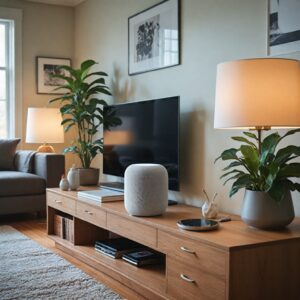
Furniture and décor choices favor low-profile pieces, sculptural lighting, and soft textures that complement the home’s historic character without overwhelming it. Modern open floor plans are integrated thoughtfully to improve flow and functionality while respecting the original Tudor layout. The combination of original design elements with contemporary materials—such as synthetic stone for facades and interior accents—ensures durability and modern code compliance, marrying historic essence with practicality.
Renovations may involve reconfiguring spaces, such as opening up bathrooms to create spa-like environments, while maintaining period style through color palettes and finishes inspired by the traditional Tudor scheme. Overall, the interior design approach is a careful synthesis of old and new, preserving the Old-World charm through natural materials like wood, stone, and lime-based plasters, while adapting to the demands of 21st-century living.
Reception and Impact
The modern makeover of this historic Tudor home has been widely praised for its successful balance between preserving traditional charm and integrating contemporary functionality. The renovation has enhanced the home’s curb appeal by thoughtfully updating the entrance with a wooden door adorned with iron hardware, which complements the Tudor style and creates a strong first impression. Inside, high ceilings, exposed beams, abundant natural light, and intricate millwork have been celebrated for maintaining the home’s authentic character while imparting a sense of modern elegance.
Critics and homeowners alike have noted the sophisticated use of dual-textured stone on the facade, which creates subtle gradations of light and shadow, adding depth and nuance to the overall aesthetic. Additionally, the strategic incorporation of lighting not only highlights architectural features but also transforms the home’s atmosphere during evening hours, enhancing both its beauty and livability. This approach aligns with the growing trend among homeowners to preserve the original character of Tudor homes while embracing practical updates such as larger windows, brighter interiors, and open-concept spaces.
The renovation has also sparked interest in Tudor Revival architecture, drawing attention to its historical roots and design elements such as half-timbering and leaded windows, which were carefully preserved throughout the process. By respecting these features and updating structural components like insulation and wiring, the project demonstrates that it is possible to honor history without sacrificing modern comfort[12
Gallery
The gallery showcases a variety of modern Tudor interior design ideas that skillfully blend the timeless charm of historic Tudor elements with contemporary layouts, materials, and furniture choices. Among the featured details are examples of paint colors, such as Tudor Cream (#2157-60 by Benjamin Moore), which evoke the subtle elegance characteristic of the style. Additionally, the transformation of historic interiors is highlighted through examples like Ascott House, where the original Tudor Revival style was later remodeled into the Curzon Street Baroque style, demonstrating evolving tastes and the potential for dynamic reinterpretations of Tudor design.
The content is provided by Sierra Knightley, Home Upgrade News