Summary
Transform Your Bathroom: 6 Essential Tips for a Stunning Renovation is a comprehensive guide aimed at homeowners seeking to undertake a successful bathroom remodeling project. Bathroom renovations are among the most impactful home improvements, enhancing both functionality and aesthetic appeal while potentially increasing property value. This article distills expert advice into six critical areas—planning, materials, plumbing and electrical work, structural considerations, lighting and interior design, and fixtures and fittings—to help readers navigate the complexities of remodeling with confidence and clarity.
Effective planning emerges as the cornerstone of a smooth renovation process, encompassing everything from budgeting and layout design to professional contractor involvement and material procurement. Emphasizing realistic budgets, thorough research, and awareness of structural elements such as load-bearing walls ensures safety and avoids costly delays. Selecting durable, water-resistant, and eco-friendly materials contributes not only to the longevity and beauty of the finished bathroom but also supports environmental sustainability goals increasingly valued in modern renovations.
The article also addresses the technical challenges of plumbing and electrical upgrades, highlighting the importance of code compliance and the benefits of energy- and water-efficient fixtures. Innovations like WaterSense-labeled faucets and LED lighting reduce utility costs and environmental impact without sacrificing style or performance. Interior design recommendations focus on balanced color schemes, layered lighting, and mixing metal finishes to create inviting, functional spaces that reflect current trends and timeless elegance.
Notably, the guide warns of common pitfalls such as underestimating costs, overlooking hidden structural damage like dry rot, and mismanaging DIY versus professional tasks, which can compromise outcomes if not carefully managed. By integrating practical advice with sustainability and design principles, this resource equips homeowners to transform their bathrooms into stunning, efficient, and durable retreats.
Planning Your Renovation
Proper planning is the foundation of a successful bathroom renovation and can help avoid many common pitfalls. Interior designers emphasize the importance of thorough preparation before starting any remodeling project to ensure a smooth process and satisfactory results. The planning phase often begins with gathering inspiration, such as creating a Pinterest board, and culminates in a detailed spreadsheet that outlines every aspect of the project.
A critical first step is developing a clear and detailed design plan. This includes considering the layout, fixtures, materials, and color schemes to create a cohesive vision for the new bathroom. Understanding the functional needs and establishing an efficient layout is essential, as it guides budgeting, contractor hiring, and selection of finishes. A well-thought-out floor plan contributes significantly to the overall success of the remodel.
Setting a realistic budget is equally important. Homeowners should avoid common mistakes such as setting an unrealistic budget or failing to adhere to it during the renovation process. Having a budget aligned with the project scope allows for better decision-making and minimizes unexpected costs.
Another crucial consideration during planning is assessing structural elements like load-bearing walls. Awareness of these components ensures the remodel does not compromise the home’s integrity and helps strategize around necessary limitations or modifications.
Timelines should also be established early to manage expectations and coordinate the different phases of the renovation. For example, the design concept and budgeting may take two to four weeks, while the bulk of construction work may require the bathroom to be partially or fully out of service.
Recognizing the scope of work that requires professional expertise is vital. Tasks involving plumbing, electrical systems, or structural changes should be entrusted to licensed and insured contractors to ensure code compliance and high-quality results. Knowing when to hire professionals can save time, money, and potential headaches in the long run.
Finally, procurement of materials can be a complex and time-sensitive aspect of planning. Beyond the obvious fixtures, many small but essential components like trims, valves, and waterproofing elements must be ordered accurately and received on time to avoid delays. Careful coordination with suppliers and contractors helps keep the project on schedule.
By investing adequate time and effort in the planning phase, homeowners can create a solid roadmap that guides their renovation from concept to completion, reducing stress and improving the likelihood of a stunning bathroom transformation.
Key Components of a Bathroom Renovation
When undertaking a bathroom renovation, several key components must be carefully considered to achieve a functional, aesthetically pleasing, and sustainable space. One of the foundational aspects is the selection of materials, which play a critical role in the overall sustainability of the project. Opting for durable and eco-friendly materials not only enhances the longevity of the bathroom but also reduces environmental impact.
Water efficiency is another crucial element. Retrofitting the bathroom with WaterSense labeled fixtures such as low-flow toilets and water-saving showerheads can significantly reduce water consumption and lower utility bills without compromising performance. These eco-friendly fixtures are increasingly becoming standard features in modern bathroom renovations.
Planning and coordination are essential for a successful remodel. While some renovation tasks can be tackled by DIY enthusiasts, more complex work requires professional expertise. Hiring a general contractor can ensure that the project adheres to local building codes and that various tradespeople are effectively coordinated. Furthermore, focusing on improvements that appeal to a broad range of buyers can maximize the return on investment, especially if the property is intended for sale.
Effective spatial planning is vital to balancing aesthetics with functionality. Thoughtful layout design considers storage solutions, movement flow, and the positioning of fixtures to avoid overcrowding and to enhance comfort and usability. This includes assessing the existing bathroom layout or envisioning how a new layout will function to meet the needs of all users.
Long-term maintenance and accessibility must also be factored into the renovation. Selecting materials and fixtures that are easy to clean and maintain reduces future repair costs. Incorporating accessibility features such as grab bars, non-slip surfaces, and wider doorways ensures the bathroom is safe and comfortable for individuals with mobility challenges.
Finally, design elements like color schemes, flooring, and fixtures contribute significantly to the bathroom’s character. Choices such as wall-mounted fixtures, graphic flooring, and carefully selected color palettes can elevate the space’s style without overwhelming it, creating a harmonious and inviting environment.
Materials and Finishes
Selecting the right materials and finishes is a crucial step in bathroom renovation, as it influences both the aesthetic appeal and long-term durability of the space. Durability and water resistance are paramount considerations, given the high moisture environment of bathrooms. Materials such as stone, ceramic, metal, plastic, and porcelain are ideal due to their waterproof qualities, while wood is generally discouraged in moisture-prone areas unless specially treated. For example, waterproof backer boards are essential behind tub or shower tiling to prevent water damage and mold growth.
Finishes also play a significant role in defining the bathroom’s style and functionality. Popular finish options include satin nickel and brass, which benefit from Physical Vapor Deposition (PVD) technology to enhance durability. Polished chrome and nickel finishes offer a classic look, while matte black fixtures provide a bold, modern aesthetic, albeit requiring more maintenance. Mixing metals such as brass, chrome, and matte black is a contemporary trend that adds depth and character to bathroom designs, combining warmth, elegance, and sleekness in one cohesive look.
Sustainability is increasingly influencing material choices in bathroom remodels. Eco-friendly options such as recycled-content shower floor panels made from polyethylene terephthalate (PET) and responsibly sourced or reclaimed materials contribute to reducing environmental impact. Alternatives like linoleum and cork provide water-resistant yet sustainable flooring solutions, while concrete reinforced with recycled materials serves as a sturdy and low-impact choice for countertops and sinks. Additionally, recycled glass can be used to incorporate elegance and a sense of space while maintaining environmental consciousness.
Waterproof flooring is essential not only to protect the home from water damage and mold but also to allow design flexibility without compromising practicality. Selecting from the wide range of waterproof options available enables homeowners to balance taste and functionality. It is advisable to make these material and finish decisions early in the remodeling process to ensure consistency with the overall color palette and design style, while also considering eco-friendly and low-VOC materials where possible. Incorporating these thoughtful choices will result in a bathroom that is both beautiful and built to last.
Plumbing and Electrical Considerations
When undertaking a bathroom renovation, adhering to plumbing codes is critical to ensure the safety, functionality, and longevity of the installation. The National Uniform Plumbing Code applies nationwide, but local regulations may be more stringent, so it is essential to consult your local building department before beginning any work. Proper venting of drainpipes is a key requirement; without it, drains may function sluggishly and release noxious fumes into the home. Additionally, fixture placement must comply with code requirements to avoid overcrowding, especially in bathrooms where space is often limited.
During remodeling, unexpected issues may arise, such as discovering old galvanized or CPVC plumbing that does not meet current standards. Plumbing that is outdated or improperly installed increases the risk of water damage, mold growth, and structural rot. The recommended solution is to replace such piping with durable materials like copper or PVC to ensure better water quality and system longevity. Although this may raise initial costs, it prevents more severe problems over time. Bathroom remodels often involve altering the layout to maximize space or improve functionality, making it an ideal time to address any plumbing deficiencies.
On the electrical side, all altered areas must comply with existing electrical codes, though minor relocations of circuits (less than 5 feet) may not require full upgrades to the entire system. Bathrooms require at least one GFCI (ground fault circuit interrupter) protected outlet to prevent electric shocks in areas with water exposure. GFCIs quickly shut off power when detecting faults, reducing the risk of electrocution near water sources. Lighting options have also evolved to prioritize energy efficiency and design. LED vanity lights are popular for their bright, consistent illumination and availability in various styles, from modern to traditional, easily complementing bathroom décor. Additional energy-saving lighting solutions include LED strips for under-cabinet or backlit mirrors, motion sensors, and dimmable fixtures, which enhance ambiance while lowering electricity consumption.
Structural Considerations
When planning a bathroom renovation, understanding the structural components of your home is critical to ensuring both safety and durability. One of the most important elements to assess is the presence and condition of load-bearing walls. These walls support the weight of the building above and must be preserved or appropriately modified during remodeling to maintain structural integrity.
Identifying load-bearing walls involves recognizing certain signs such as their location in the home, thickness, and alignment with other structural elements. It is particularly important to inspect these walls for deterioration caused by moisture or mildew, especially in wet areas like bathrooms or basements. Such damage can weaken the wall’s function and lead to costly repairs if overlooked during renovation.
When remodeling around load-bearing walls, special strategies should be employed to avoid compromising the building’s framework. This may include consulting with a structural engineer or using support beams and reinforcements when removing or altering these walls. Proper planning allows for the addition of new features, such as showers or fixtures, without endangering the home’s stability.
Lighting and Interior Design
Lighting plays a vital role in bathroom design, serving both aesthetic and functional purposes. A layered lighting approach is recommended to create a space that is inviting while meeting practical needs, enhancing safety, and supporting everyday tasks. Modern bathrooms often incorporate energy-efficient lighting solutions such as LED bulbs, which not only reduce electricity consumption and utility bills but also offer longevity and versatility in design. Features like motion sensors and dimmable fixtures provide users with greater control over ambiance and efficiency.
LED lighting is particularly popular for its consistent brightness, excellent color rendering, and availability in various styles to complement different bathroom decors. For instance, soft, warm LED strip lights are ideal for under-cabinet illumination, providing both energy efficiency and a relaxing atmosphere. Backlit mirrors and LED strips contribute a sleek, contemporary aesthetic while fulfilling functional lighting needs. In addition, halogen bulbs remain a favored option for their crisp, white light that accurately renders skin tones.
Interior design elements complement lighting to set the bathroom’s overall mood. The choice of color schemes significantly impacts the ambiance, with two- or three-color harmonies often preferred in smaller spaces to maintain a serene, spa-like environment. Popular color palettes include calming ocean-inspired blues paired with cool grays balanced by bright white, creating spaces that feel both relaxing and energizing. Mixing metals such as brass, chrome, and matte black fixtures adds depth and character, combining warmth and sleek finishes to produce a modern, versatile look.
Creative lighting fixtures also contribute to the bathroom’s style. For example, blown-glass light fixtures with organic shapes can soften modern, hard-edged spaces by adding playful, tactile elements. Overall, integrating thoughtful lighting with harmonious color schemes and textured materials can transform bathrooms into stunning and functional retreats.
Fixtures and Fittings for Style and Functionality
Choosing the right fixtures and fittings is a crucial step in achieving both style and practicality in your bathroom renovation. Fixtures—such as faucets, mirrors, and cabinets—are essential elements that can dramatically influence the overall look and usability of the space. When selecting these items, it is important to consider factors like durability, water efficiency, and how well they complement your chosen design aesthetic.
Materials play a significant role in determining the longevity and style of your bathroom fixtures. Brass has become a popular choice in modern renovations due to its combination of durability, versatility, and timeless appeal. It can be crafted into unique designs and often adds warmth and elegance to the space, enhancing both function and visual interest. Brass fixtures also tend to outlast many other materials, which contributes to their growing popularity and potential to add value to your home.
The finish of fixtures is equally important in achieving the desired aesthetic. Classic options like polished chrome and nickel offer a sleek, traditional feel, while satin nickel—especially when produced with PVD technology—provides a durable and stylish alternative. For those seeking a bold, contemporary look, matte black fixtures are increasingly trendy, though they may require more maintenance to preserve their appearance.
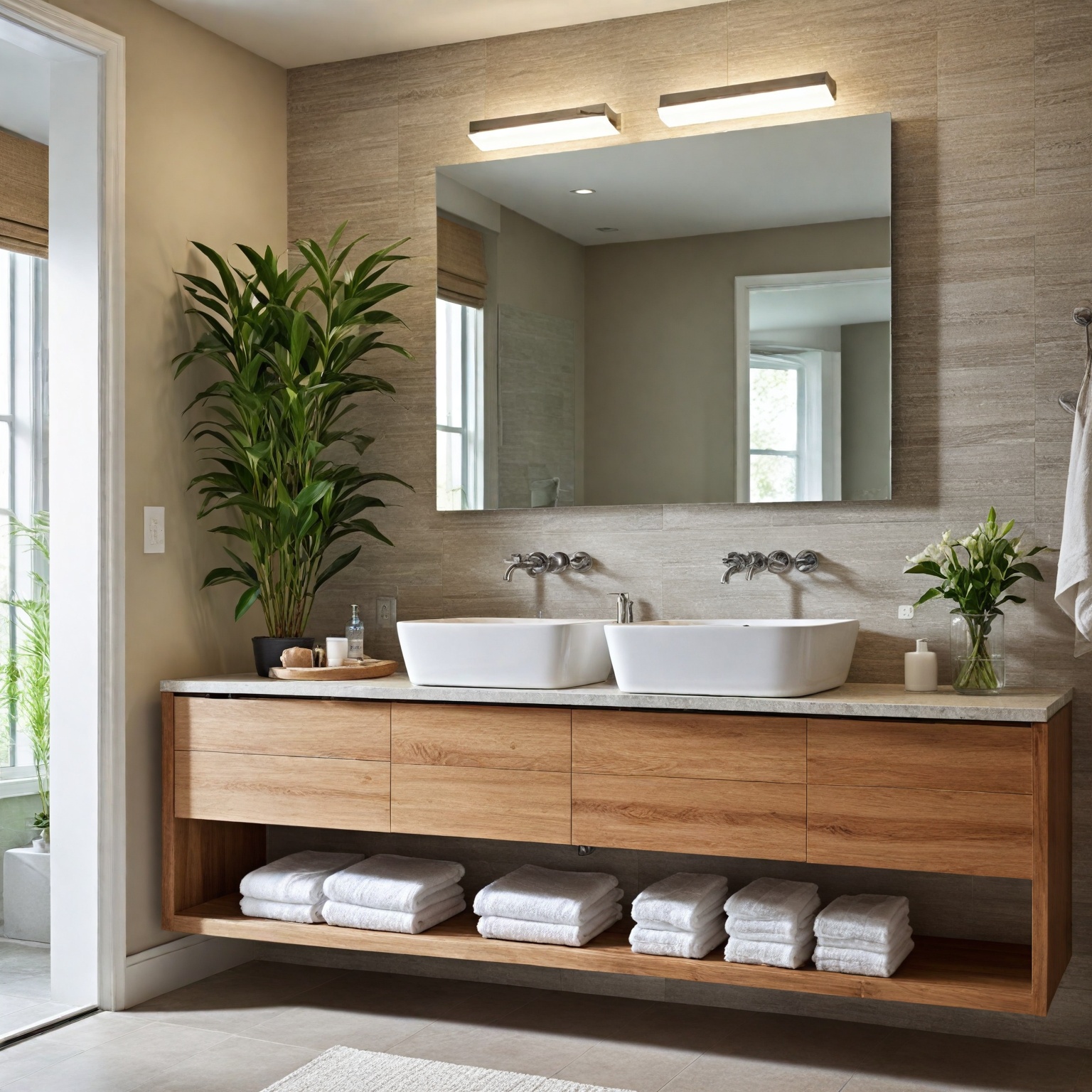
Incorporating a mix of metals, such as brass, chrome, and matte black, can add depth and character to your bathroom design, creating a layered and modern look that feels both stylish and versatile. Wall-mounted and floating fixtures, including vanities, are also favored in recent trends for their ability to free up floor space and enhance the openness of the room. These design choices contribute not only to aesthetic appeal but also to practical benefits like easier cleaning and improved spatial perception.
Beyond style, opting for environmentally friendly fixtures is becoming increasingly important. Investing in water-saving fixtures that balance performance and sustainability can significantly reduce environmental impact without sacrificing functionality. Incorporating eco-conscious materials, such as reclaimed wood or recycled glass, alongside modern, efficient fixtures, helps create a bathroom that is both beautiful and responsible.
Ultimately, each fixture and fitting should be chosen with care to ensure it aligns with your personal style, meets functional needs, and contributes to a sustainable, cohesive bathroom design.
Water and Energy Efficiency
Water and energy efficiency are crucial components of a sustainable bathroom renovation, aiming to reduce resource consumption and minimize environmental impact while enhancing functionality and comfort.
Water Efficiency
One of the most effective ways to save water in the bathroom is by upgrading to water-efficient fixtures. Steam showers, for instance, are considered the most water-efficient option available, with a typical once-per-day 20-minute steam shower saving over 16,000 gallons of water annually compared to traditional showers. Additionally, steam shower generators made from recyclable stainless steel provide an environmentally friendly alternative for eco-conscious homeowners.
Another popular water-saving solution is the installation of faucet aerators. These devices are easy to install by simply screwing them onto existing faucets and can significantly reduce water use without sacrificing performance. Families
Common Challenges and Mistakes to Avoid
Bathroom remodeling projects often encounter a variety of challenges that can compromise both the outcome and budget if not properly addressed. One of the most frequent mistakes homeowners make is overspending on non-essential features, which can lead to regret when essential elements are underfunded. To prevent this, it is advisable to thoroughly research the costs of materials, labor, and fixtures beforehand, while setting aside a contingency fund of 10–20 percent to cover unexpected expenses that may arise during the renovation process.
Another significant issue that can emerge during a remodel is the discovery of dry rot, especially in areas around plumbing fixtures or where leaks have previously occurred. Dry rot, often hidden behind tiles, beneath tubs, or around fixtures, poses a serious risk as it can compromise the structural integrity of the home, potentially leading to collapse in extreme cases. Detecting and addressing dry rot early is critical to avoiding extensive damage and costly repairs.
Plumbing is frequently cited as one of the most complex aspects of bathroom renovations. Outdated or improperly installed plumbing not only risks water damage and mold growth but also structural rot. If plumbing materials such as galvanized or polybutylene pipes are found, replacing them with more durable options like copper or PVC is recommended despite the higher upfront cost. Ensuring plumbing is up to code is essential for long-term durability and water quality, and hiring licensed professionals can help guarantee proper installation.
The decision between a DIY approach and hiring a contractor also significantly impacts the success of a bathroom remodel. While some tasks may be DIY-friendly, those involving plumbing, electrical work, or structural changes typically require licensed and insured contractors. Professional contractors bring the expertise needed to navigate building codes and coordinate various tradespeople, ultimately saving time, money, and potential headaches. Understanding which aspects of the remodel you can confidently handle yourself and when to seek expert assistance is key to a smooth renovation experience.
Finally, common design pitfalls such as neglecting functional layout changes or overemphasizing trendy, non-essential features can detract from both the usability and value of the remodeled bathroom. Prioritizing improvements that enhance space efficiency and appeal to a broad range of users ensures a better return on investment and long-term satisfaction with the renovation.
Cost Considerations and Budgeting
Careful budgeting is a fundamental step in any bathroom renovation to ensure the project stays on track and avoids unexpected financial strain. One common pitfall is overspending on non-essential features, which can lead to regret when homeowners realize they could have allocated funds to more critical elements of the remodel. To mitigate this, it is advisable to thoroughly research the costs of materials, labor, and fixtures before beginning the project, allowing for a realistic budget to be established.
In addition to setting a clear and realistic budget, including a contingency fund of 10–20% is highly recommended to cover unforeseen expenses that often arise during bathroom renovations, especially in older homes where hidden issues such as outdated plumbing or structural problems may be uncovered. This contingency helps prevent delays and additional costs if plans need to be adjusted mid-project.
Financing options for bathroom remodels vary and can include home equity loans or lines of credit, as well as FHA and personal loans, providing homeowners with flexibility to manage expenses without compromising quality. Developing a detailed design plan that outlines the layout, fixtures, materials, and color schemes is also crucial in keeping costs aligned with the budget by reducing surprises and scope creep.
Ultimately, balancing budget constraints with necessary upgrades—such as replacing outdated or non-code-compliant plumbing with durable materials like copper or PVC—can increase upfront costs but will improve the longevity and safety of the bathroom in the long term. Prioritizing these essential elements within the budget ensures a more successful and satisfying renovation outcome.
Environmental and Sustainability Considerations
Sustainability in bathroom renovation focuses on reducing the consumption of non-renewable resources, minimizing waste, and creating healthier living environments. The environmental impact of bathroom products extends beyond their energy consumption during use; it also includes factors such as manufacturing methods, source materials, and shipping processes. By the time a product is installed, much of its environmental footprint has already been determined.
Homeowners are increasingly conscious of how their renovation choices affect the environment and seek to incorporate sustainable materials and practices without sacrificing style or functionality. Choosing artisan eco-friendly lighting, for example, allows one to balance aesthetic appeal with environmental responsibility, as many brands now prioritize protecting the earth.
To further reduce environmental impact, it is essential to recycle or repurpose old bathroom fixtures—such as sinks, bathtubs, faucets, and showerheads—if they are still in good condition. Doing so helps to extend their operational lifespan and prevents unnecessary waste from ending up in landfills.
When selecting fixtures, it is important to prioritize water-saving models that deliver significant environmental benefits, as not all water-efficient fixtures perform equally well. Investing time and resources into the most effective eco-friendly options can maximize water conservation and energy savings.
Planning is critical to achieving sustainability goals. This includes researching eco-friendly, low-VOC, and moisture-resistant materials, sourcing products from responsible manufacturers, and considering energy-efficient upgrades such as bathroom fans, electric heaters, or radiant-heated floors. By integrating these considerations early in the renovation process, homeowners can create bathrooms that are not only stunning but also sustainable.
The content is provided by Harper Eastwood, Home Upgrade News